Weasel Diet

Weasels are small, fast-moving carnivores whose daily existence is fundamentally driven by the need to secure calories. Their slender bodies, built for slipping through tight crevices in pursuit of prey, necessitate an incredibly high metabolism, meaning a weasel must eat frequently—sometimes consuming prey equal to its own body weight in a single day. This constant hunger shapes every aspect of their behavior, making them relentless hunters whose diet is surprisingly varied depending on the season, locale, and the specific species of weasel being observed.
# Primary Diet

The foundation of nearly every weasel's diet consists of small mammals, which provide the dense caloric intake necessary to fuel their high-energy lifestyles. This preference means that where weasels thrive, populations of rodents often experience significant pressure. Common targets include mice, voles, shrews, and gophers. Even species like the long-tailed weasel (Mustela frenata), which can grow quite long, often prey on animals such as rabbits, sometimes taking quarry larger than themselves.
Beyond the ubiquitous rodents, weasels are opportunistic feeders, meaning their menu expands to whatever small creatures are accessible. When the small mammal population dips, or when the opportunity arises, they readily switch to other protein sources. This often includes birds and their eggs, insects, and even carrion if available. For instance, ground-nesting birds or birds using low brush for cover become vulnerable targets during nesting season. Invertebrates, such as grasshoppers, or amphibians like frogs, can supplement the diet, particularly during warmer months when these creatures are abundant.
It is interesting to note the sheer volume they consume relative to their size. A single weasel can consume up to 40% of its body weight in food each day. Imagine a 150-pound human needing to consume over 60 pounds of food daily just to maintain basic functions—that scale of consumption characterizes the weasel's life. This intense requirement means they often cache surplus food near their dens, a behavior that helps them survive leaner periods or feed kits.
# Hunting Tactics
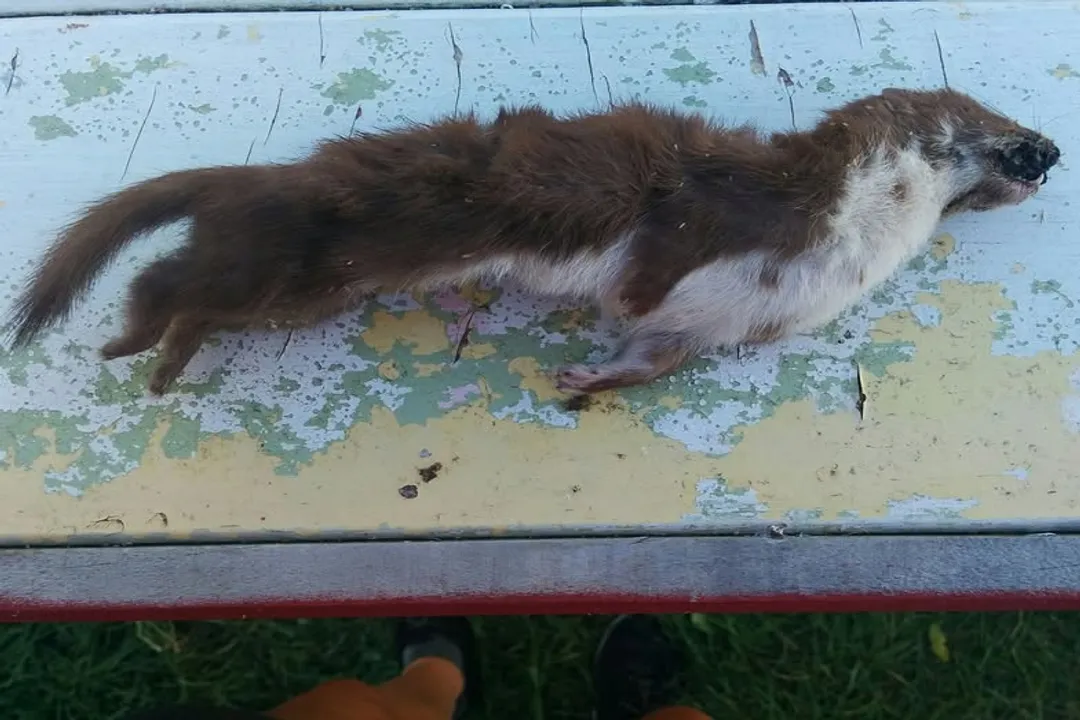
The weasel's physical structure is the key to its dietary success. Its long, slender form allows it to pursue prey directly into burrows and tunnels that larger predators cannot access. This ability to enter subterranean networks means they don't just hunt on the surface; they actively invade the established homes of their prey.
When hunting, weasels typically rely on speed, agility, and surprise. They are known for their frantic, high-energy movements above ground, often described as a bounding or dancing motion, which may help flush out prey or disorient a target before an attack. Once they locate a promising tunnel or burrow entrance, they will dart inside with incredible speed.
A key characteristic of weasel predation is the method used to dispatch larger prey. They often target the back of the neck or head to deliver a quick, fatal bite, severing the spinal cord or causing massive trauma. This specialized technique allows them to overcome prey that might otherwise be too dangerous or large to manage safely. Observing a weasel’s determined pursuit of an animal many times its size, like a rabbit, really highlights the fierce commitment behind their feeding habits.
# Species Difference
While the general carnivorous diet is shared across the genus, specialization exists between different weasel types, often dictated by their size and habitat.
The Short-tailed Weasel (Mustela erminea), sometimes called the stoat or ermine, is particularly adept at hunting in colder climates and often focuses intensely on mice and voles. Their white winter coat, the ermine, is famously associated with this species and suggests a need to remain camouflaged while hunting year-round, even when snow covers the ground.
The Long-tailed Weasel (Mustela frenata) has a wider geographic range and a slightly larger body size compared to some of its relatives. This size advantage allows it to consistently take larger prey, such as cottontail rabbits, alongside the standard fare of rodents. Their longer tail also aids in balance during rapid maneuvers, which is crucial when chasing agile prey across varied terrain.
Thinking about where you might spot one of these predators offers a practical insight: if you live in an area with established field mouse or vole runways through long grass or under brush piles, you have created an ideal, localized hunting ground. Weasels aren't just roaming; they are utilizing established wildlife corridors, making areas where vegetation is dense but allows clear paths prime real estate for them.
# Metabolic Realities

The consistent and high-volume intake is not merely about population control; it is about survival driven by physiological necessity. Because they are endotherms (warm-blooded) with a small body mass, they lose heat quickly to the environment. To maintain their necessary body temperature, they burn calories at an alarming rate. This high metabolic engine means that a period of even a few days without significant food intake can prove fatal.
This constant energy drain leads to a lifestyle where almost all waking hours are dedicated to hunting or feeding. They do not hibernate or significantly slow down during winter; instead, their hunting efforts often intensify as prey availability might decrease or the thermal challenge of cold weather increases the energy required just to stay warm.
The necessity of constant feeding also dictates their denning behavior. While they may use existing burrows, they need secure locations to rest and, importantly, to cache uneaten portions of a very large kill. Securing a reliable larder is as important as the act of the kill itself when planning for survival across several weeks, not just overnight.
# Comparing Carnivore Needs
It is helpful to contrast the weasel's diet with that of other small carnivores to understand its intensity. While a larger mammal might successfully fast for a week when necessary, the weasel’s specialized, small-prey diet and high surface-area-to-volume ratio mean they must refuel almost continuously.
For example, if a fox catches a rabbit, that meal can sustain it for days. For a weasel, that same-sized rabbit might represent two or three days' worth of calories, but those calories must be consumed and processed quickly. This means a weasel has a relatively low success rate per hunting attempt compared to a larger predator, necessitating a much higher frequency of attempts.
If you are interested in tracking weasel activity around your property, pay less attention to large, infrequent scat piles and more attention to signs of high-volume, small-prey consumption—like the remains of multiple shrews or mice left near a single access point to a woodpile or foundation. This indicates a frequent use of that area as a feeding station, not just a transit route.
# Opportunistic Feeding Cycles
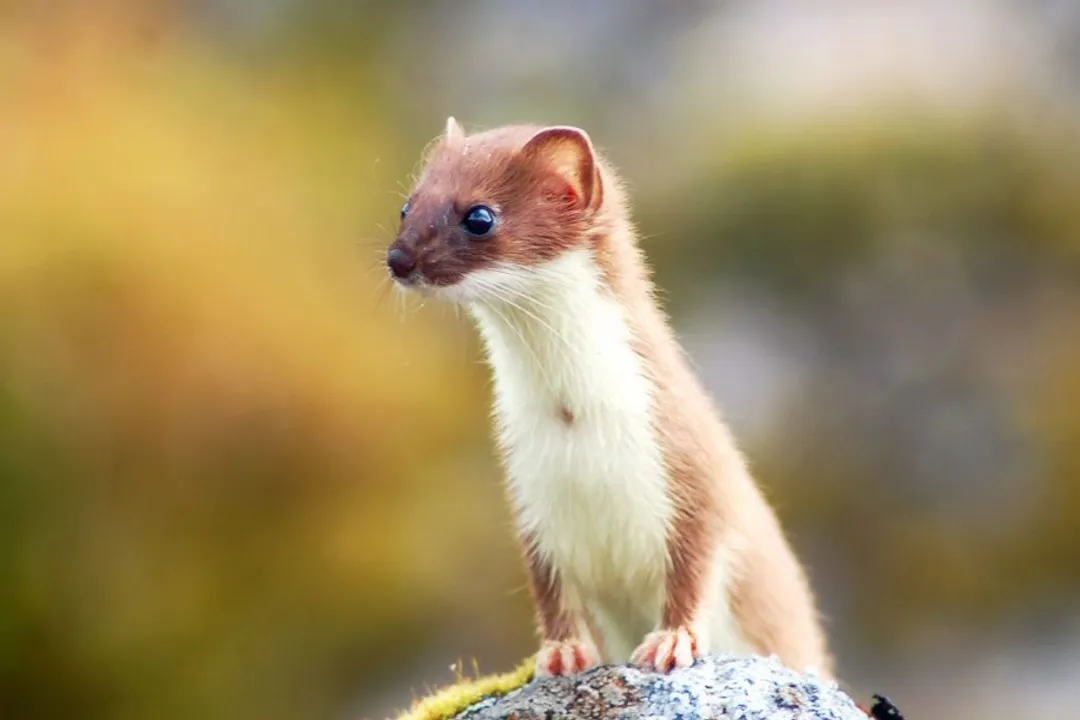
While rodents are the staple, a truly successful weasel must adapt its diet based on immediate ecological opportunities, which sometimes leads to interaction with human environments.
When migratory birds pass through, weasels may target eggs or nestlings if they can locate the nests before other predators. In agricultural areas, young poultry or game birds can become targets if access to natural rodent populations is restricted or if the birds are easily accessible near ground level. However, it is crucial to remember that the weasel's primary drive is not malice toward human interests, but an ingrained, daily need to fulfill its energy requirements. The animal will naturally gravitate toward the easiest, most calorie-dense food source available, whether that is a mouse in a field or an unchecked grain store.
The sheer diversity of prey listed across different regions highlights their adaptability. From crayfish mentioned in some accounts to large insects, the weasel acts as a mobile ecosystem regulator, keeping many small populations in check.
# Adaptability in Action
To illustrate the blend of specialization and opportunism, consider a hypothetical scenario in a mixed woodland bordering an open field. During the summer, when insects and amphibian populations peak, the weasel might subsist on 50% rodents, 30% insects/amphibians, and 20% bird eggs/chicks. As autumn sets in and the ground hardens, insects vanish, and the weasel must rely more heavily on the consistent underground populations of voles and mice, pushing that rodent percentage up to 80% or more. This dietary pivot showcases a behavioral flexibility that underpins their success across varied environments, from the Adirondacks to European woodlands. Their survival is less about preferring one food item and more about their unparalleled ability to access any small food item.
It's a constant calibration: if the local shrew population is exploding, the weasel capitalizes on that high-yield, low-risk source until resource competition or environmental change forces a shift to, say, slightly more risky bird nest raiding. This constant evaluation of immediate risk versus caloric reward is perhaps the most sophisticated aspect of their dietary strategy, even if it's purely instinctual.
Related Questions
#Citations
What Do Weasels Eat? 12 Foods They Prefer - A-Z Animals
Facts About Weasels - Havahart
Weasel - Wikipedia
Weasel - Facts, Diet & Habitat Information - Animal Corner
A weasel with its food. : r/natureismetal - Reddit
SUNY ESF Long-tailed Weasel
What is the typical diet of a weasel? - Facebook
Living Hungry - National Wildlife Federation
Weasel (Mustela nivalis) - British Mammals - Woodland Trust
Short-Tailed Weasel | Vermont Fish & Wildlife Department