Wallaby Diet
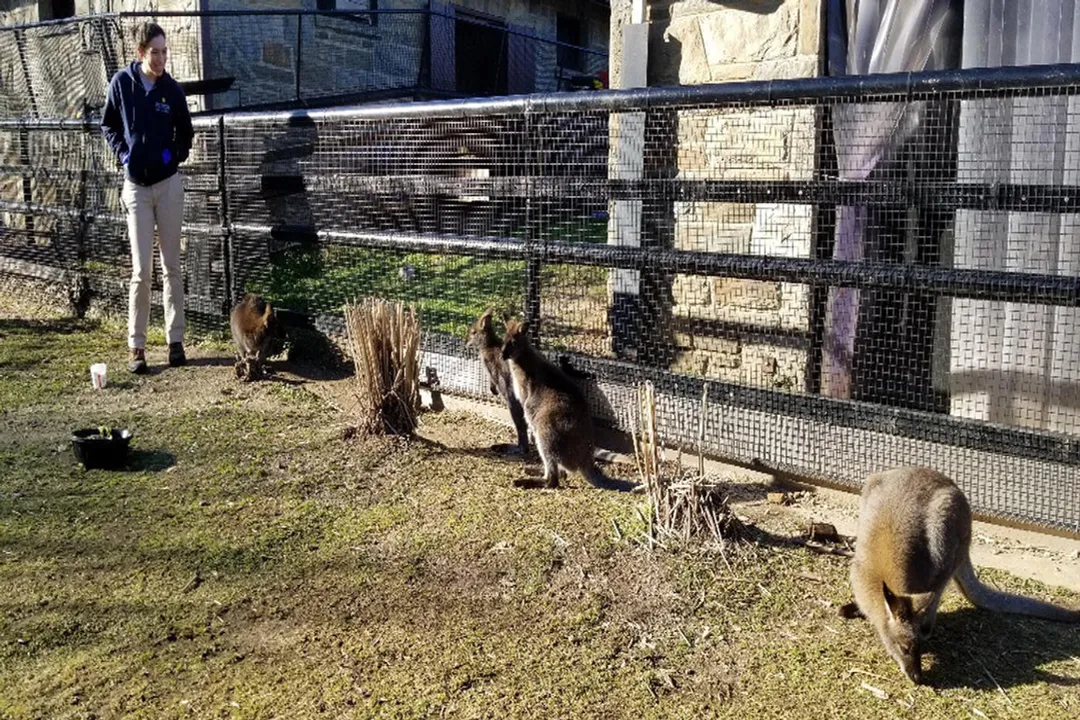
Wallabies, those charming marsupials often seen as smaller cousins to kangaroos, maintain a diet centered strictly on plant matter, classifying them as herbivores. [6] Their specific nutritional requirements, however, are surprisingly nuanced, depending heavily on the species and whether they are grazing heavily on grasses or browsing on leaves, shrubs, and bark. [3][4][6] This fundamental difference between grazing and browsing habits dictates what constitutes a balanced diet for any given wallaby, whether in their native Australian habitat or in managed care settings elsewhere. [7]
# Grazing Browsing Needs
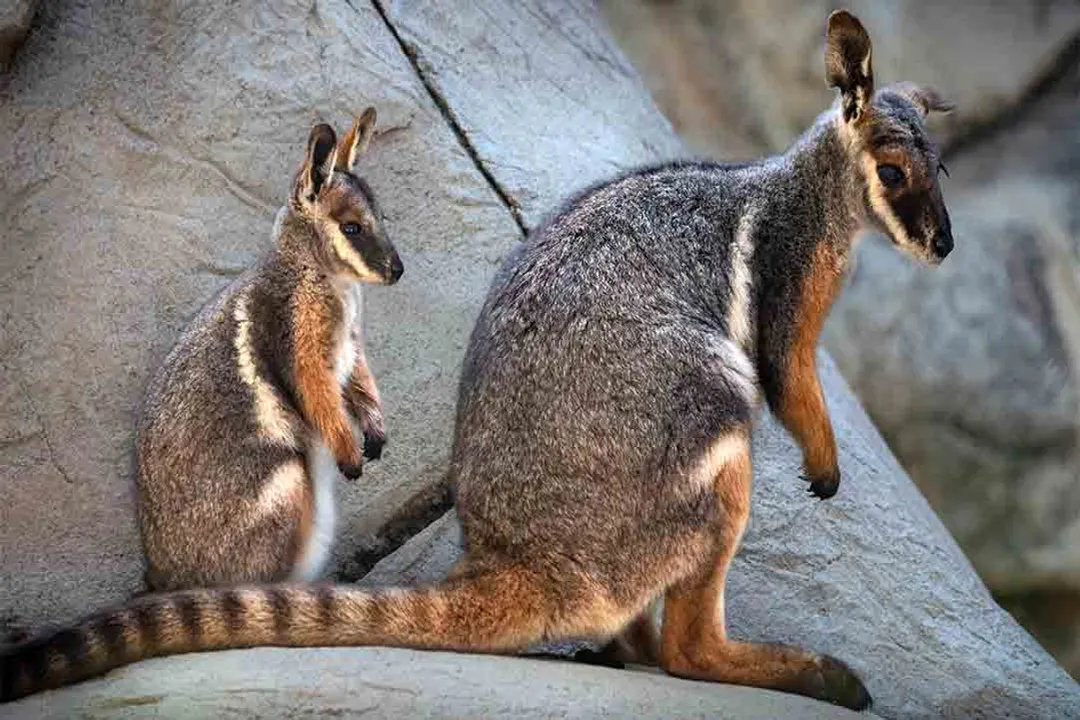
The majority of wallaby species, much like kangaroos, are adapted to consume large amounts of fibrous vegetation. [5][6] Grass forms the backbone of the diet for many, necessitating a high-fiber intake to keep their complex digestive systems functioning correctly. [2][5] Fiber is critical; it supports the microbial populations in their foregut that break down tough cellulose, a process essential for energy extraction. [2]
Species variation is significant here. For instance, the Yellow-Footed Rock-Wallaby, found in rocky habitats, is described as both a browser and a grazer, relying on the available foliage, which might include shrubs, leaves, and perhaps drier grasses depending on the season and location. [7] Conversely, others might lean more heavily toward one mode of feeding. [3] The Parma Wallaby, one of the smallest species, naturally browses on ferns, shrubs, and fallen leaves. [3] Understanding whether a specific wallaby leans toward grazing (grasses) or browsing (leaves/shrubs) helps caregivers mimic the right nutritional profile. [7]
When thinking about their natural intake, one can estimate that in the wild, a wallaby spends a considerable amount of time foraging, consuming bulk quantities of low-quality, high-fiber feed year-round, with nutrient density shifting seasonally. [5]
# Fiber Protein Balance
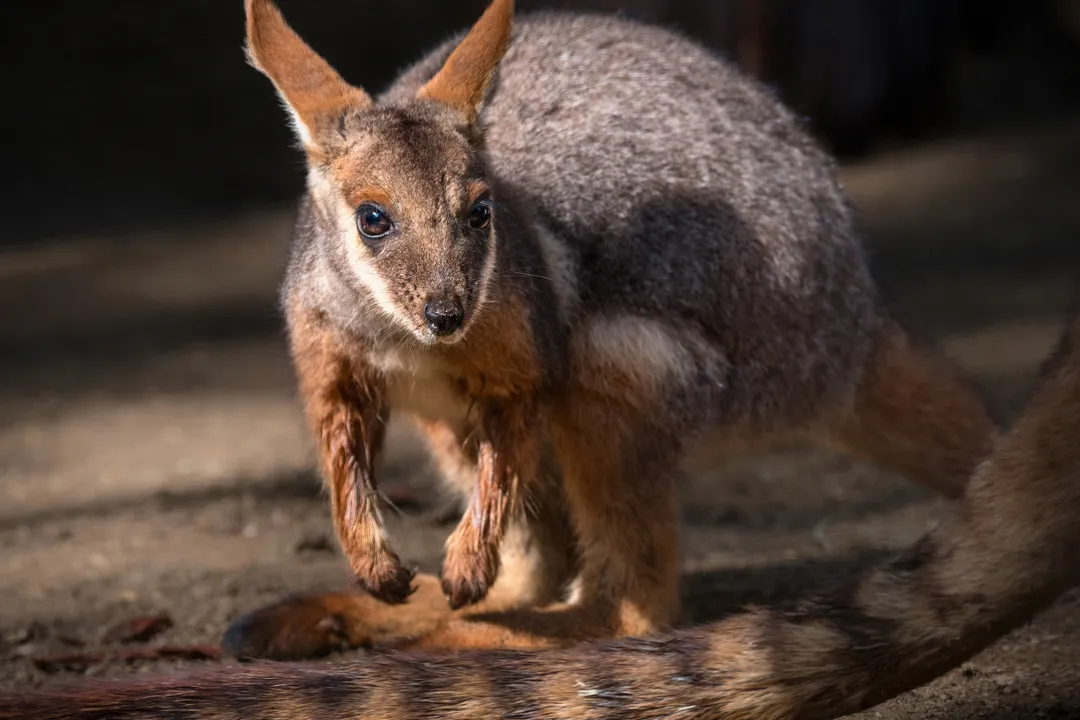
A critical aspect of wallaby nutrition, especially in captivity, involves managing the balance between energy (often derived from readily digestible carbohydrates) and necessary fiber. Commercial diets are often formulated to mimic the roughage found in natural forage, aiming for specific fiber percentages. [2] A general guideline for captive wallabies suggests that their diet should consist overwhelmingly of grass hay, providing the necessary abrasive quality and bulk. [5][8]
For example, if you were observing a captive population, a good baseline structure to maintain gut health might look like 60–75% high-quality grass hay, with the remainder being made up of specialized pellets and small amounts of safe vegetables. [1][5] This heavy reliance on hay contrasts sharply with many domestic pets whose diets are denser in processed foods. [5] The protein level must also be managed; while they need maintenance protein, excessive amounts, especially from rich sources, can lead to health issues over time, mirroring concerns about high-energy feeds in other captive herbivores. [2]
Here is a simplified look at how primary feed types contribute to a captive wallaby’s needs:
| Feed Type | Primary Contribution | Best Practice Guideline |
|---|---|---|
| Grass Hay (e.g., Timothy, Orchard) | Bulk, Essential Fiber, Gut Motility | Should be available ad libitum (freely) [5] |
| Commercial Pellets | Balanced Vitamins, Minerals, Controlled Protein/Energy | Measured portion, species-specific formulation [2][4] |
| Fresh Browse/Vegetables | Water, Micronutrients, Variety | Limited quantities, avoiding high-sugar items [1][7] |
This emphasis on roughage means that wallabies are not designed to thrive on rich, concentrated foods that might cause rapid fermentation in the gut if the fiber content is too low. [5]
# Captive Feeding Standards
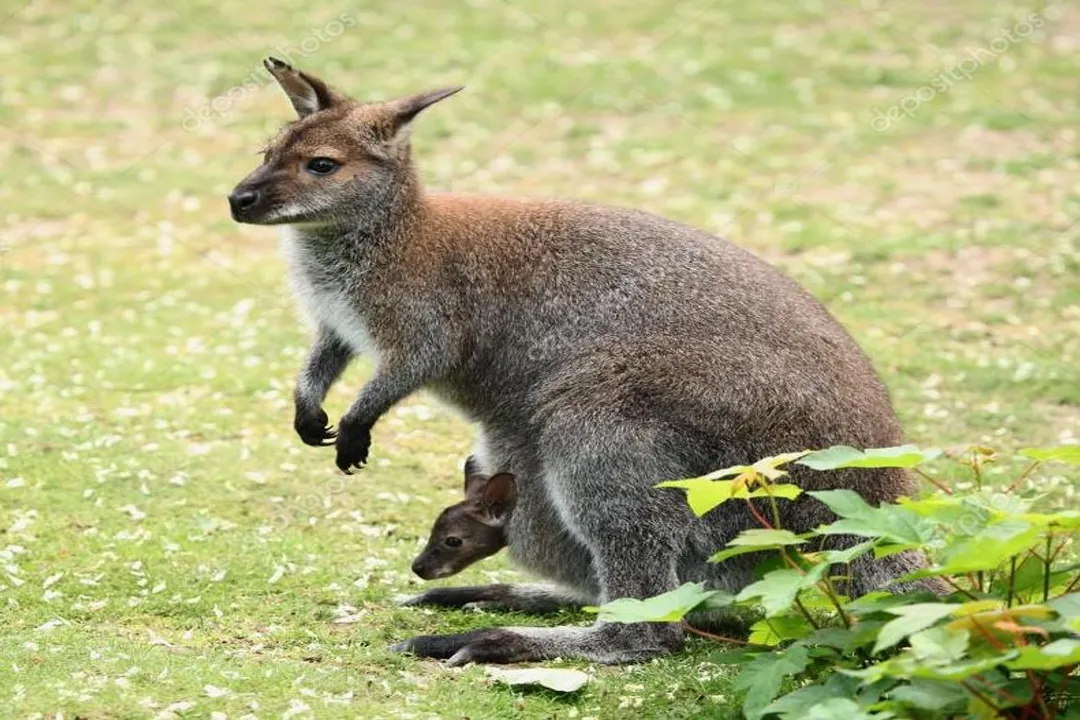
Caring for wallabies outside of their natural environment requires careful replication of their native diet. [4] Zoos and dedicated sanctuaries prioritize hay and specialized commercial diets to ensure nutritional completeness. [4] Mazuri, a major manufacturer of exotic animal feeds, produces specific diets for kangaroos and wallabies, engineered to meet the high-fiber, moderate-protein needs of these animals. [2] These manufactured feeds provide a consistency that natural forage might lack, especially during off-seasons or in non-native environments. [4]
In managed care, owners often provide good quality grass hay, such as Timothy or orchard grass, as the primary component of the diet. [5][8] This should be supplemented with measured amounts of a commercially prepared wallaby or kangaroo pellet designed for their specific life stage and activity level. [4] The goal is to ensure that while the pellets offer essential micronutrients, the bulk of chewing time is spent on the hay, which satisfies their psychological need to forage and their physiological need for fiber. [1][5]
One useful technique observed in successful captive management is rotating the type of grass hay offered when possible, provided the change is introduced slowly. This mimics the subtle nutritional shifts wallabies experience seasonally in the wild and encourages varied consumption, which is a form of dietary enrichment that keeps them mentally stimulated while meeting physical needs. [3] Simply offering one type of hay indefinitely, while nutritionally adequate, can become monotonous for an animal designed to select from a wide variety of plants. [7]
# Sugars Forbidden Foods
A major pitfall in wallaby husbandry involves incorrectly supplementing their diet with inappropriate "treats" that are common in human diets or even in feed meant for other domestic herbivores. [8] A striking example is the strong caution against feeding bread or high-sugar fruits. [5][8] While a small piece of fruit might seem harmless, wallabies have a very low tolerance for simple sugars. [5]
Unlike many captive animals that can handle energy-dense fruit, the wallaby gut is optimized for slow-release energy from fibrous grasses. [2][5] Introducing large amounts of sugar can disrupt the delicate balance of hindgut bacteria, potentially leading to colic, diarrhea, or other serious digestive upsets. [5] For instance, while Yellow-Footed Rock-Wallabies might consume fruits in the wild, these are rare occurrences in a natural setting, not daily staples. [7] Therefore, treats should be rare and carefully selected—think a tiny sliver of safe vegetable rather than a chunk of apple. [1][8]
It is essential to distinguish between what is edible and what is nutritious or safe for regular consumption. [5] A wallaby can eat a carrot, but if that carrot replaces hay in their intake, the digestive consequences can be significant due to the lower fiber load. [1] Always check with an exotic animal veterinarian experienced with macropods before introducing any new food item into their routine. [4]
# Specialized Species Needs
Although the general principles of high-fiber herbivory apply across the board, some smaller or specialized species require tailored approaches. [3][7] The Parma Wallaby, being primarily a browser in damp forests, requires diet management that reflects a higher intake of leafy material than a pure grazer. [3] Captive management for this species might involve supplying suitable, non-toxic browse material in addition to hay and pellets to mimic this behavior. [3]
Rock-wallabies, like the Yellow-Footed variety, also have distinct needs dictated by their environment. They require diets that are naturally lower in moisture and higher in fiber due to the tougher vegetation available in arid, rocky regions. [7] While all wallabies need low sugar, rock-wallabies especially thrive when their feed sources are coarse and low in easily digestible starches, supporting their need for slow, sustained energy release in sometimes harsh conditions. [7] Comparing the Parma Wallaby's damp forest diet to the Rock-Wallaby's drier, tougher vegetation highlights that even within the same general family, the type of fiber matters. [3][7]
# Water Intake Management
While often overlooked in discussions focused on solid food, hydration is intrinsically linked to diet. [1] Wallabies generally derive a substantial amount of water from the fresh forage they consume. [7] In captive situations where hay forms the bulk of the intake, and commercial pellets are relatively dry, consistent access to fresh, clean water is absolutely non-negotiable. [1][4] Caregivers must ensure water receptacles are kept scrupulously clean, as wallabies can be sensitive to stale or contaminated water sources. [4] An animal on a high-fiber diet requires adequate water to allow that fiber to pass through the system smoothly, preventing impaction. [5]
In summary, feeding a wallaby successfully centers on respecting its evolution as a specialized herbivore. The foundation must always be high-quality grass hay, supplemented by measured, balanced commercial food, and maintained with constant access to clean water, while strictly avoiding rich, sugary additions that mimic domestic pet treats. [5][8] This consistency, tailored slightly to the species' natural browsing or grazing preference, is the key to ensuring their long-term health and well-being. [4]
Related Questions
#Citations
Basic Care: Wallabies | Arizona Exotics | Small Mammals ...
Mazuri® Kangaroo/Wallaby Diet
Diet & Feeding - Parma Wallaby Notamacropus parma
How to Care for Wallabies
Nutrition
Wallaby
Yellow-Footed Rock Wallaby - Los Angeles Zoo and ...
Wallaby - Facts, Diet, Habitat, Videos