How do knifefish reproduce?
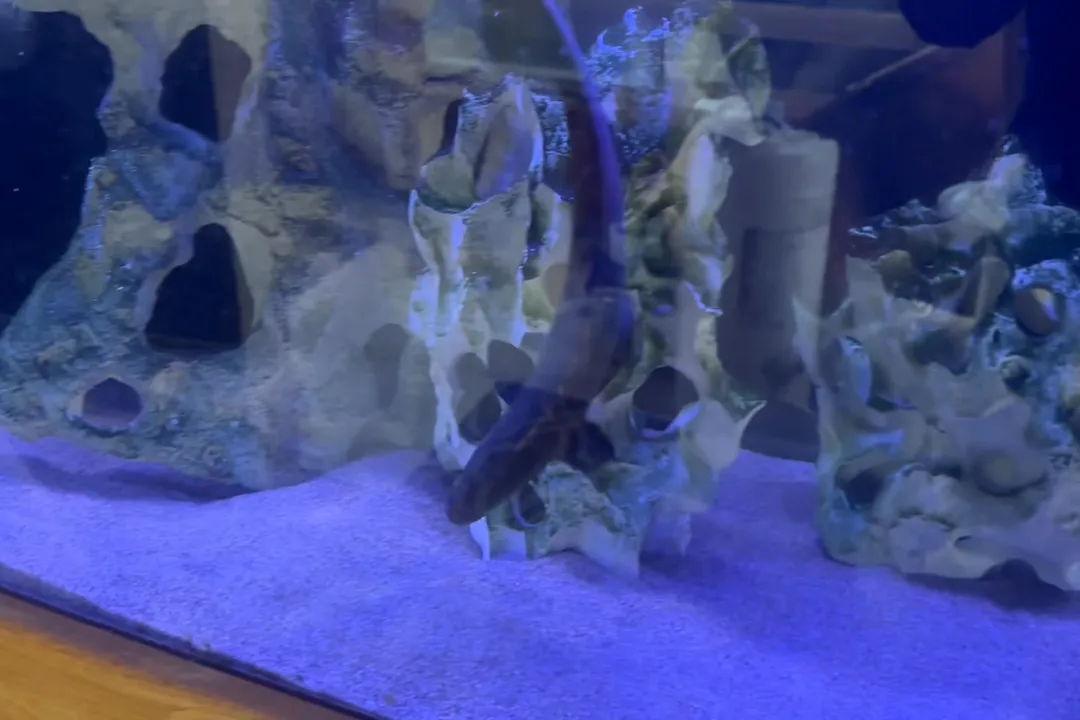
The reproductive habits of knifefish, particularly in the aquarium setting, remain a topic filled with more questions than definitive answers, even among seasoned keepers. These fascinating, elongated fish, known for their unique mode of swimming using undulating ventral fins, often prove challenging to breed in captivity, yet dedicated aquarists continue to share their experiences, piecing together the puzzle for species like the Clown Knife, Black Ghost, and various African Knifefish. Success often hinges on accurately mimicking the specific, and sometimes secretive, environmental cues the fish require to move from simply cohabitating to actively reproducing.
# Species Differences
Understanding which knifefish we are discussing is the first step, as reproductive strategies can vary significantly between genera. The common Clown Knife Fish, often identified as Chitala ornata or related species, has seen some success in breeding, usually involving cave-like structures for egg-laying. In contrast, keepers interested in African Knifefish, which includes several different genera, share notes on their breeding cycles, noting that what is known is often based on observation rather than extensive scientific study. The Black Ghost Knifefish (Apteronotus) presents another distinct case; these fish are notoriously nocturnal and highly sensitive to water chemistry and tank disturbances, which complicates observing and inducing spawning behavior.
The sheer size that many of these fish attain also plays a massive role in breeding potential. A pair must generally be fully mature, and for some of the larger Knife species, this means a tank size that accommodates an adult specimen, often exceeding several hundred gallons, before the fish even consider pairing up. Furthermore, the sources suggest that simply housing a male and female together is rarely enough; a specific, perhaps hormonal, trigger is necessary to initiate the courtship sequence.
# Pairing Behavior
Courtship in knifefish appears to be a distinct phase requiring patience and the correct physical setup. For Black Ghost Knifefish, initial interactions often involve the pair establishing a territory, usually centered around a preferred hiding spot. Observers note that the male might engage in specific behaviors, such as following the female or displaying his body outline, signaling readiness.
With Clown Knifefish, the process seems similar in its territorial basis. Successful reports often mention the pair becoming very protective of a chosen location—typically a dark, confined space—which they begin to aggressively defend from all intruders, including the aquarist. This aggression is often interpreted as a positive sign that the pair bonding is progressing toward spawning.
A critical element that seems common across reports for various knifefish types is the need for stable, excellent water quality leading up to and during the potential breeding window. Fluctuations that might be tolerated by other fish species can halt spawning behavior entirely in these sensitive teleosts. One might surmise that the energy reserves required for gonad development and sustained courtship displays necessitate near-perfect conditions, essentially signaling to the fish that the environment is secure enough for offspring survival.
# Spawning Site Selection
The physical environment provided for egg-laying is perhaps the most defining difference in captive breeding efforts. Knifefish exhibit differing preferences for substrate or structure utilization.
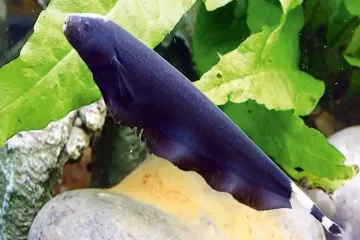
For the Black Ghost Knifefish, successful breeding almost universally centers around a dark, secluded cave. The female deposits her eggs on the ceiling or a vertical surface inside this cavity, and the male then takes over guarding duties. This behavior suggests a deep-seated instinct to protect the eggs from predation and external light, which is crucial for nocturnal spawners. When keepers attempt to breed Black Ghosts, they often use clay pipes, ceramic pots, or custom-made PVC structures, emphasizing that the site must be impenetrable to outside light.
Clown Knifefish breeding, while also occurring in confined spaces, shows some variation. Reports indicate egg laying on surfaces within their chosen territory, which could be the underside of a flat rock or inside a large container or pot. The key seems to be a secure, enclosed space where the eggs can be laid and then vigorously guarded by the male.
African Knifefish breeding reports are less specific about the exact deposition site but often reference the need for a suitable cave or crevice, suggesting a shared evolutionary pressure for parental defense among these groups. If one were to establish a breeding setup for a newly acquired pair of unknown knife species, prioritizing a structure that offers complete darkness and a flat, vertical, or overhead surface inside would be a sound starting strategy based on the known habits of the Black Ghost and Clown varieties. This focus on creating a secure, dark reproductive chamber appears more important than the specific substrate composition outside that chamber.
# Guarding and Incubation
Once the eggs are deposited, the role shifts almost entirely to parental care, which appears to be heavily skewed toward the male in most recorded cases involving Black Ghost and Clown Knifefish.
The male Black Ghost is renowned for his dedication. After the eggs are laid, he will vigorously defend the immediate area around the cave entrance. He will often ventilate the eggs by swimming near them, ensuring good water flow over the clutch. This intense, singular focus on the nest site can last for several days.
Clown Knife breeding accounts also describe the male actively guarding the eggs, chasing away any perceived threat, including tank mates or even the female herself once spawning is complete. The duration of guarding varies based on water temperature, but typically lasts until the fry are free-swimming.
It is interesting to note the slight difference in the division of labor suggested in the Black Ghost literature versus the Clown Knife accounts. In the Black Ghost scenario, the male solely manages the eggs inside the dark cave, whereas the Clown Knife male guards the territory which contains the eggs, suggesting the guarding focus might be slightly broader initially.
# Hatching and Fry Development
Water temperature is the single most influential environmental factor dictating the timeline for development. Warmer water speeds up the metabolic processes for the developing embryos. For instance, if the water temperature is maintained around 82-84 degrees Fahrenheit, hatching for some species might occur within days.
Once hatched, the fry are initially sustained by their yolk sac, similar to many other oviparous fish. During this stage, the fry remain hidden within the security of the cave or chosen dark spot. This period of complete dependence is crucial; any disturbance that forces the fry out prematurely can lead to high mortality.
When the fry exhaust their yolk reserves and become free-swimming, the next major hurdle begins: feeding. This is where specialized knowledge becomes paramount. Live foods are almost always required initially. Reports suggest starting with infusoria—microscopic organisms—before moving to microworms or very finely crushed flake food. The sheer size and energy requirements of young knifefish mean they require consistent, high-quality nutrition immediately upon becoming free-swimming. A common challenge noted by keepers is that the fry quickly grow past the smallest available food items, necessitating a stepwise increase in prey size to keep up with their growth rate.
If the pair is kept in a community tank, the male's vigilance might wane, or the fry might be accidentally exposed during a feeding or cleaning, emphasizing why a separate, heavily controlled breeding tank is almost always recommended for species like the Black Ghost.
# Water Parameters Stability
While specific numbers for optimal spawning conditions are rarely standardized across all reports, a consistent theme emerges regarding stability and appropriate chemistry for tropical knifefish. For African Knifefish, successful attempts often involve water that is soft and acidic, though parameters can differ based on the exact species being kept.
When dealing with Black Ghosts, maintaining clean, well-oxygenated water within their preferred range—usually slightly warmer and often slightly acidic—is non-negotiable for successful brooding. The presence of strong currents or fluctuating pH levels is often cited as a reason for failed egg adherence or increased fungal growth on the clutch.
To further illustrate the sensitivity, consider this observation: many successful keepers transition their potential breeding pairs onto a high-protein diet, often involving frozen or fresh meaty foods, weeks before attempting to trigger spawning. This dietary conditioning, coupled with a slight temperature increase (a common, though not always required, trigger), appears to signal a period of resource abundance, perhaps mimicking seasonal changes that precede the rainy season in their native habitats. This preemptive conditioning helps ensure the female has the necessary energy reserves for large-scale egg production.
| Knifefish Type | Typical Spawning Site | Primary Guard | Key Environmental Factor |
|---|---|---|---|
| Black Ghost | Dark, enclosed cave ceiling/wall | Male | Complete darkness inside the lair |
| Clown Knife | Underside of structure/inside container | Male | Secure, protected enclosure |
| African (General) | Cave or crevice | Often Male | Stable, soft, acidic water (variable) |
This table summarizes the commonalities and highlights the necessity of creating a secure, dark cavity for egg deposition, which seems to be a near-universal requirement among the reported successful breeding setups. Observing the natural behavior of the pair—watching where they retreat together or spend most of their time—can give the aquarist their best clue as to which specific structure geometry they prefer. If they consistently use a narrow pipe, a wider pot might be rejected, even if both offer darkness.
# Long-Term Rearing Challenges
Moving past the initial guarding phase, the true test of expertise lies in raising the fry. Because knifefish grow rapidly but start incredibly small, the transition period from yolk-sac absorption to accepting prepared, small live foods can be perilous. A scenario where a keeper provides microworms but the fry prefer Artemia nauplii (baby brine shrimp) can result in a large percentage of the clutch starving before they can adapt to the provided food source.
For instance, an aquarist might successfully raise a clutch of Black Ghosts to the free-swimming stage, only to find that within 48 hours, they have exhausted their yolk and are refusing frozen food flakes because they are too large. This necessitates the immediate availability of newly hatched brine shrimp or well-established infusoria cultures. Managing the density of the fry in the rearing tank is also critical; overcrowding can quickly lead to poor water quality, stressing the fragile young fish, even under the best filtration.
In essence, breeding knifefish is less about an acute event and more about creating a long-term, perfectly tuned ecosystem that satisfies the precise environmental and behavioral demands of two highly specialized, often large, and naturally secretive fish. Capturing that moment of successful spawning is only the initial milestone; the subsequent weeks demand consistent environmental control and precise nutritional management.
#Videos
Ghost Knife Fish Care & Breeding | Subscriber LOKESH ... - YouTube
Electric knifefish battle for mating rights - YouTube
Related Questions
#Citations
breeding clown knife fish | MonsterFishKeepers.com
African Knifefish breeding - what we know - Tropical Aquariums SA
black ghost knife fish - AquariaCentral.com
Ghost Knife Fish Care & Breeding | Subscriber LOKESH ... - YouTube
Chitala chitala, Clown knifefish - FishBase
Gave 3 guppies to a little kid and he gave me this black ghost knife ...
Care and sexing of black ghost knife fish? - Facebook