How much did a Patagotitan weigh?

The sheer bulk of Patagotitan mayorum challenges modern comprehension, positioning it as perhaps the largest terrestrial animal ever unearthed. This massive titanosaur, whose fossilized remains were first uncovered in the Chubut Province of Argentina, represented a staggering achievement in biological engineering. While the dinosaur's immense length—estimated around 37 meters (about 122 feet)—is easily visualized, assigning a precise weight is much more complex, relying on scaled comparisons and the known densities of bone and tissue.
# Patagonia Find
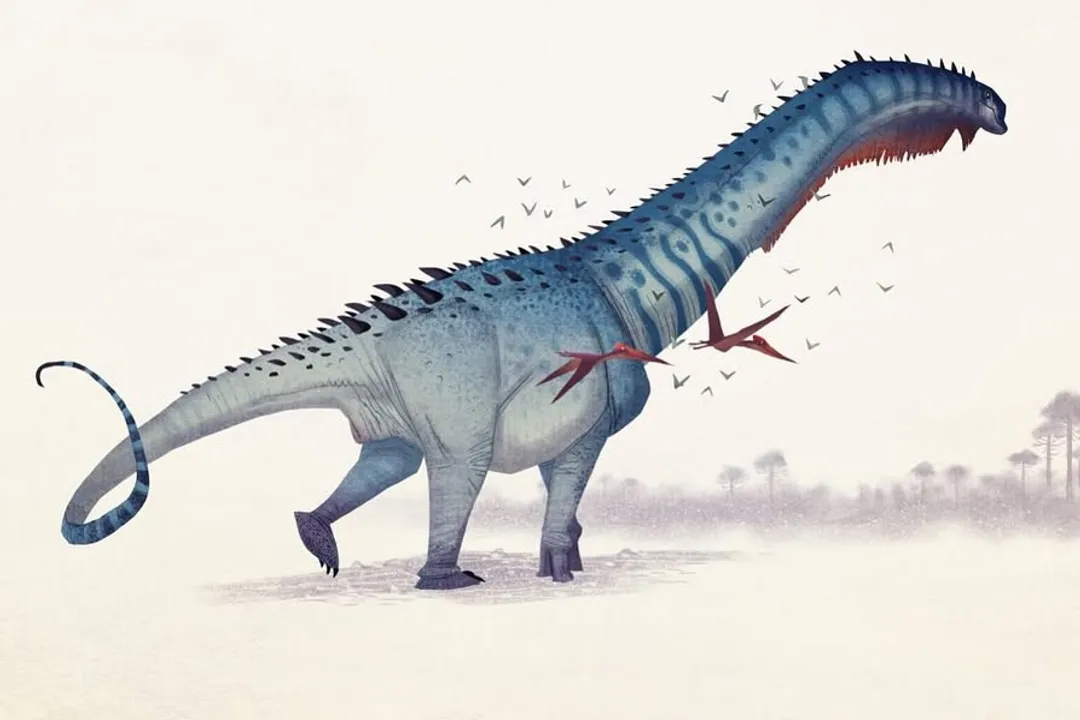
The discovery of Patagotitan was serendipitous, occurring on an Argentine ranch near Trelew in 2012. A farm worker noticed an unusually large bone fragment, which turned out to be part of a limb belonging to a truly gigantic sauropod. The subsequent excavation was a monumental effort, revealing multiple individuals—perhaps four or more—at the site, suggesting they may have died around the same time or gathered near a water source. The formal description of the species, Patagotitan mayorum, was published in 2017, confirming its place among the largest dinosaurs known to science.
# Body Dimensions
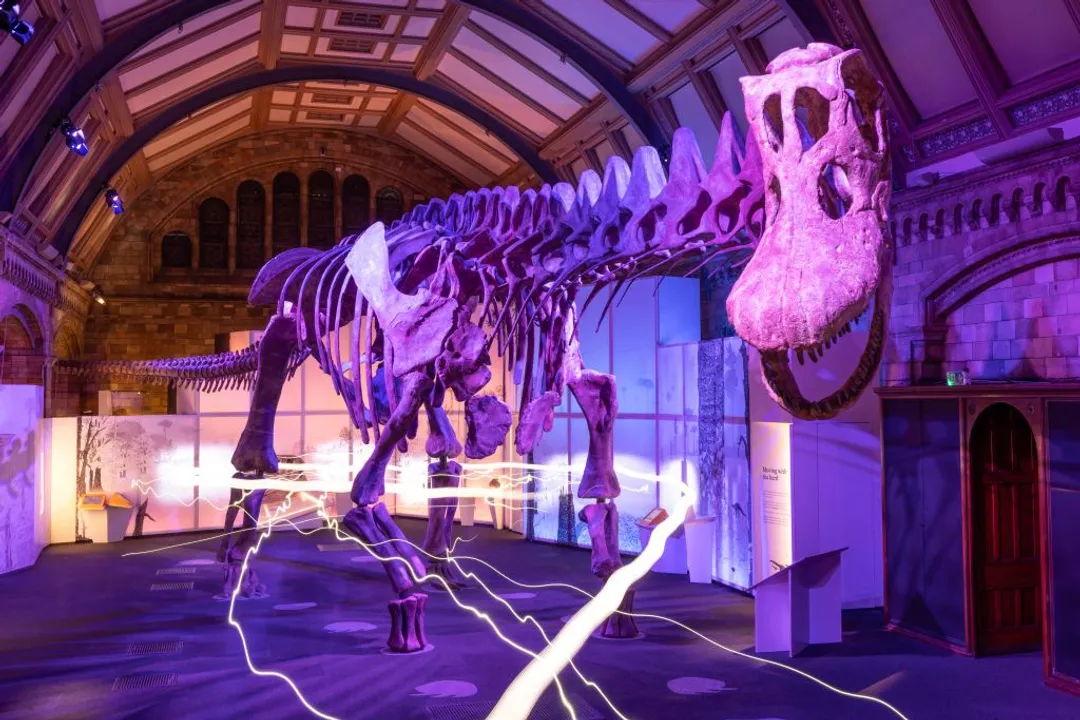
To estimate the weight of any extinct giant, paleontologists first rely on measurable skeletal dimensions, primarily the length and circumference of the long bones, like the femur. For Patagotitan, the femur length alone surpassed 2.4 meters. Estimates for its total length generally cluster around 35 to 37 meters. This places it firmly in the upper echelon of giant sauropods, rivaling or exceeding contenders like Argentinosaurus. The animal’s height would also have been imposing, though less frequently cited than its length and mass.

# Mass Calculation
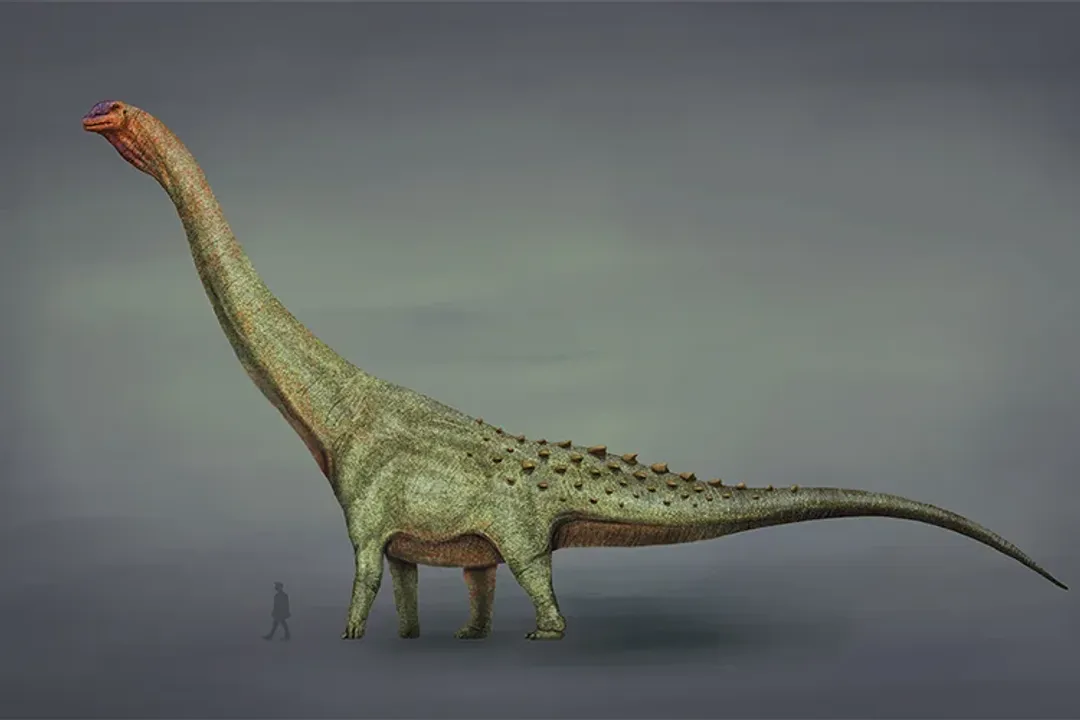
When scientists attempt to quantify the mass of a colossal dinosaur like Patagotitan, they employ complex scaling equations based on the bones found. While there is inherent uncertainty in these figures, the consensus points toward an animal weighing in the realm of 60 to 70 metric tons. Johan Eggerkrantz, for example, placed the estimate for the 35-meter-long individual at roughly 69 tonnes. To put that number into perspective, 70 tonnes is equivalent to more than 10 fully grown African elephants combined. Other titanosaurs, like Argentinosaurus, often have weight estimates that overlap with this range, indicating that Patagotitan was certainly one of the heaviest land creatures to ever walk the Earth.
| Metric | Estimate Range | Comparison Basis |
|---|---|---|
| Length | 35–37 meters | Fossil measurements |
| Estimated Mass | 60–70 metric tons | Skeletal scaling models |
| Modern Equivalent | ~10 African Elephants | General comparison for scale |
# Giant Comparisons
The club of giant titanosaurs is small, making comparisons useful for grounding the scale of Patagotitan. When compared to the famous Brachiosaurus, often depicted as the epitome of dinosaur size, Patagotitan easily dwarfs it in mass, though perhaps not always in height. The North American Supersaurus was extremely long, but typically estimated to be lighter. In essence, Patagotitan represents the pinnacle of body mass accumulation in terrestrial vertebrates. If we consider the sheer volume of meat required to fuel an animal this large, the daily caloric intake must have been astronomical, requiring near-constant grazing throughout its existence.

# Scale Revisions
It is important to note that our understanding of these giants is constantly evolving, often leading to upward revisions in estimated size. Recent analyses, particularly those concerning the largest known dinosaurs, suggest that even the highest estimates we currently use might be conservative, potentially by a factor of two. If the known fossils of Patagotitan represent a mid-sized adult within its species, or if our current density models are too cautious, this 70-ton estimate could potentially push into the 80 or 90-tonne territory. This possibility fundamentally shifts how we view the maximum biomechanical limits achievable by life on land.
# Structural Demands
The weight of Patagotitan—let's use the 70-tonne figure—placed extraordinary demands on its anatomy. Consider the forces acting upon a single leg bone. If the weight were distributed evenly across all four limbs, each leg would support around 17.5 tonnes [self-analysis]. However, during movement, one leg bears significantly more load during stance phase. This required bones that were incredibly dense and structured internally to withstand immense compression and shear forces, an evolutionary response to the constant need to support such colossal mass. The vertebral column, too, would need an elaborate network of air sacs and reinforced struts, acting somewhat like a living bridge to span the distance between the front and rear limbs without collapsing under its own weight.

# Ongoing Study
The fossils of Patagotitan mayorum remain crucial to understanding the largest creatures to ever roam our planet. Although we may never arrive at a single, definitive figure for its weight, the current estimates—hovering near 70 metric tons—solidify its status as one of the heaviest animals known to science. The ongoing study of its bone histology and the comparative analysis with other titanosaurs continue to refine our picture of this true mega-herbivore that dominated the Cretaceous landscape of South America.
Related Questions
#Citations
Patagotitan mayorum: Meet the largest dinosaur to have ever ...
Why were dinosaurs so big? The secrets of titanosaurs' super size
Patagotitan mayorum | AMNH
A full-sized model of Patagotitan mayorum, one of the largest ...
The biggest dinosaur ever may have been twice the size we thought
10 Facts About Patagotitan: Earth's Biggest Dinosaur - History Hit
Titanosaurs: 8 of the World's Biggest Dinosaurs | Britannica
The mind-bogglingly enormous titanosaur Patagotitan. At 35+ ...
What Was the Biggest Dinosaur? Here Are the 4 Best Estimates