How much does a Simbakubwa weigh?
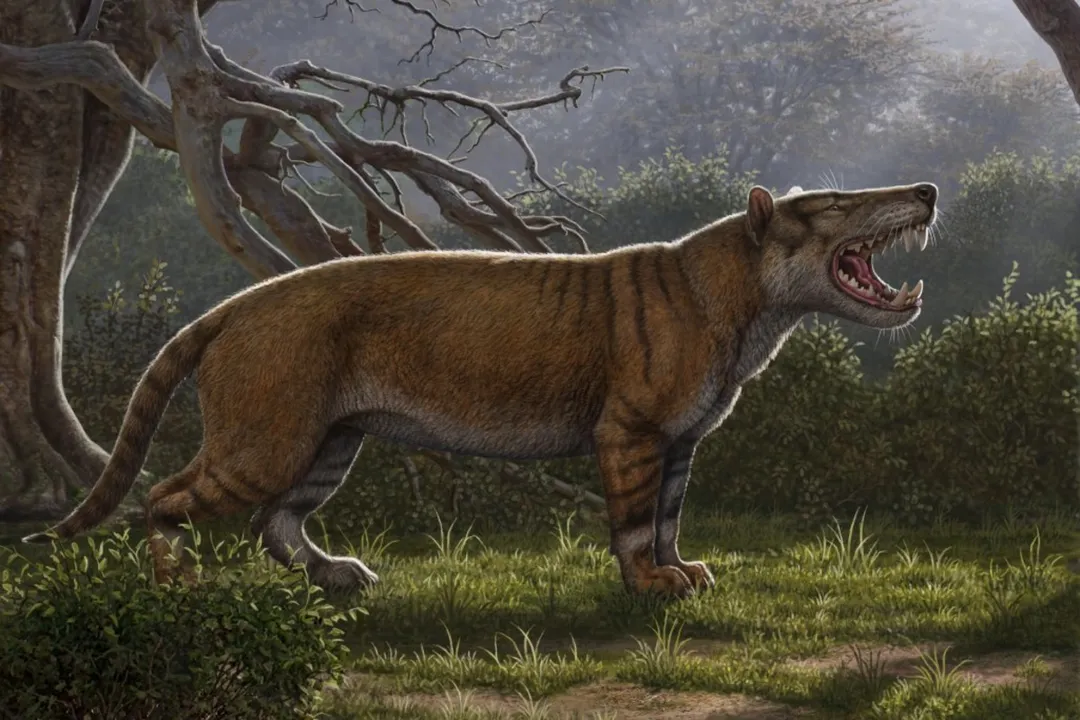
The question of how much Simbakubwa weighed sits at the heart of understanding this extinct mega-carnivore, an animal that once dominated the African landscape during the Miocene epoch. Because we only possess fossil remains, specifically large skull fragments and teeth, paleontologists rely on comparative anatomy and scaling to estimate the dimensions of this giant. Based on the available fossil evidence, Simbakubwa is often recognized as the largest mammalian carnivore ever to roam Africa.
# Giant Weight Estimate
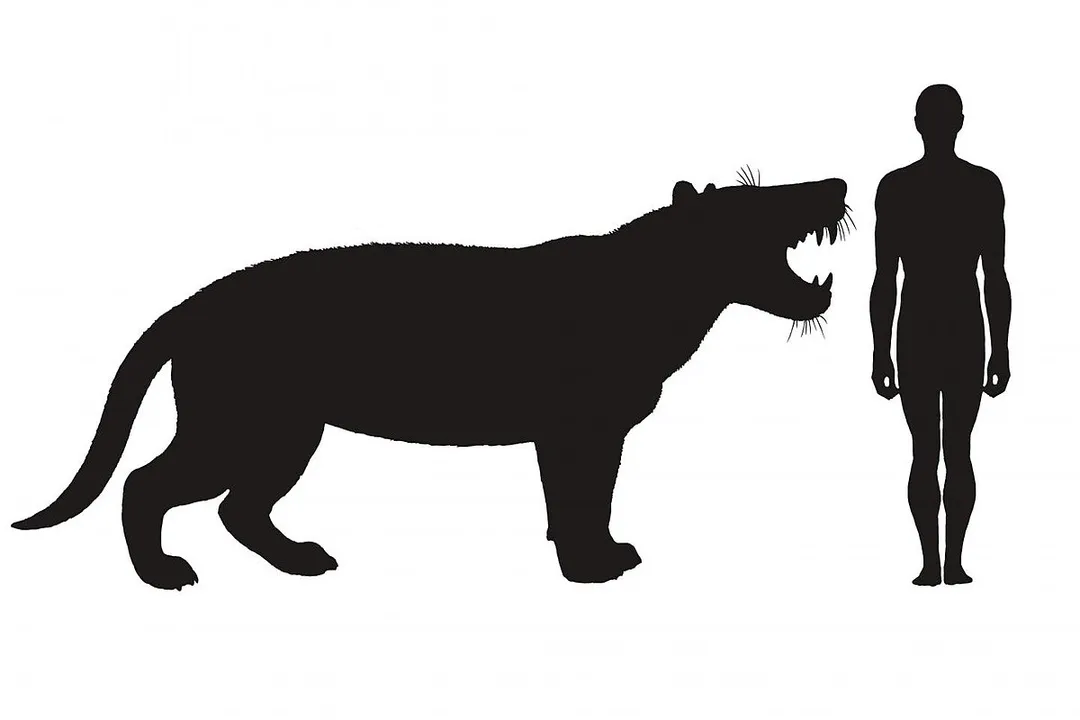
The most specific numerical estimate available for the mass of Simbakubwa places it around 1,500 kilograms (3,300 pounds). This figure immediately distinguishes it from even the largest modern land carnivores. To put this estimate into perspective for the general reader, a male modern African lion, already an apex predator, typically weighs less than 250 kilograms. Therefore, Simbakubwa was not just slightly larger, but potentially six times the mass of its modern counterpart.
If we look outside of African felids, 1,500 kg puts Simbakubwa into a weight class comparable to some of the largest modern terrestrial mammals, though it remains firmly in the predatory niche. For instance, this estimation aligns it with the size of a modern white rhinoceros, or perhaps exceeding the weight of a very large adult male saltwater crocodile. This sheer bulk suggests an animal that relied on immense power rather than perhaps the quick bursts of speed associated with lighter hunters.
# Size Context
When scientists first examined the fossils, they recognized immediately that they were dealing with something immense, far exceeding the scope of known modern carnivores. The name itself, Simbakubwa, translates roughly to "great lion" or "big lion," emphasizing its massive scale relative to the contemporary felines of the region.
The sheer scale of the creature is perhaps best demonstrated by its dental architecture. Its canines were noted to be among the largest, possessing crowns that could reach the size of a banana. While tooth size doesn't correlate perfectly with body mass in a linear fashion, the robust structure of the jaw needed to support such weapons implies a skull and body capable of delivering tremendous biting force—a necessity for an animal weighing close to a metric ton.
A good way to visualize this difference is to imagine a modern pride of lions. You would need several of today's largest males combined to equal the estimated mass of a single adult Simbakubwa. This indicates a solitary hunting existence or a vastly different social structure if it hunted in groups, as the energy requirements for an animal of that mass would have been staggering.

# Predator Features
The evidence points to Simbakubwa being a hypercarnivore, meaning its diet consisted almost entirely of meat. The evidence for this comes from the wear patterns on its teeth and the morphology of the jaw structure, typical of predators specialized in slicing flesh rather than grinding vegetation.
The animal belonged to an extinct lineage known as the hyaenodonts, specifically within the family Creodontidae. This classification is important because it shows that Simbakubwa was not a direct ancestor of modern cats (Felidae) but represents an earlier, highly successful branch of mammalian carnivores. Its classification as a hyaenodont, rather than a true lion, is a key piece of scientific understanding that separates it from merely being a "giant lion".
The existence of an animal this large in the Miocene ecosystem suggests that the available prey base was also substantial. Large herbivores capable of sustaining a 1,500 kg predator must have been common, perhaps including early forms of giraffes, elephants, or large browsing ungulates that have since gone extinct or evolved into smaller forms. A predator of this estimated size would likely not have been chasing down smaller, agile prey; instead, its hunting strategy would involve overpowering massive animals through sheer mass and devastating initial bites, perhaps relying on ambush tactics given the energy cost of pursuit for such a heavy body.
# Miocene Record
Simbakubwa lived millions of years ago, providing a snapshot into a world very different from our own. The fossils date back to the Miocene epoch. This timeframe is significant because it represents a period of ecological flux in Africa where mammalian communities were rapidly diversifying.
The discovery of Simbakubwa was not straightforward, as the initial recognition came from studying fragments that had been sitting in museum collections, initially misidentified or overlooked until focused reappraisal occurred. This underscores the potential for many other significant fossil finds to still be waiting in drawers and collections globally, challenging our current understanding of prehistoric biomass distribution.
The weight of 1,500 kg, while the best current estimate, should always be understood as being derived from limited data—namely, the head and teeth. If future discoveries include more complete post-cranial skeletons (limbs, ribs, vertebrae), this number could shift, though probably not dramatically downwards, given how massive the known cranial elements already are compared to other carnivores. The current estimate firmly establishes its authority as the continent's largest known mammalian predator from that time.
Related Questions
#Citations
simbakubwa often considered to be the largest land carnivore - Reddit
Simbakubwa kutokaafrika - A-Z Animals
Move over, modern lion! Meet Simbakubwa kutokaafrika, an extinct ...
Simbakubwa - Simple English Wikipedia, the free encyclopedia
Africa's largest mammalian carnivore had canines 'the size of bananas'
Simbakubwa: Mega Carnivore Hiding In A Museum Drawer
The simbakubwa, a giant Miocene lion. - WildFact
Simbakubwa ( Simba the Loyal ) - Creature Submissions - ARK News