How much should a pugshire weigh?

The ideal weight for a Pugshire, that charming cross between a Pug and a Yorkshire Terrier, falls squarely into the toy dog category, much like its parents. While they are designer dogs, meaning their exact traits can vary, the goal of this mix generally results in a petite companion well-suited for smaller living spaces. [2][3] The common consensus across breed descriptions places the expected full-grown weight between 7 and 12 pounds. [1][3][4]
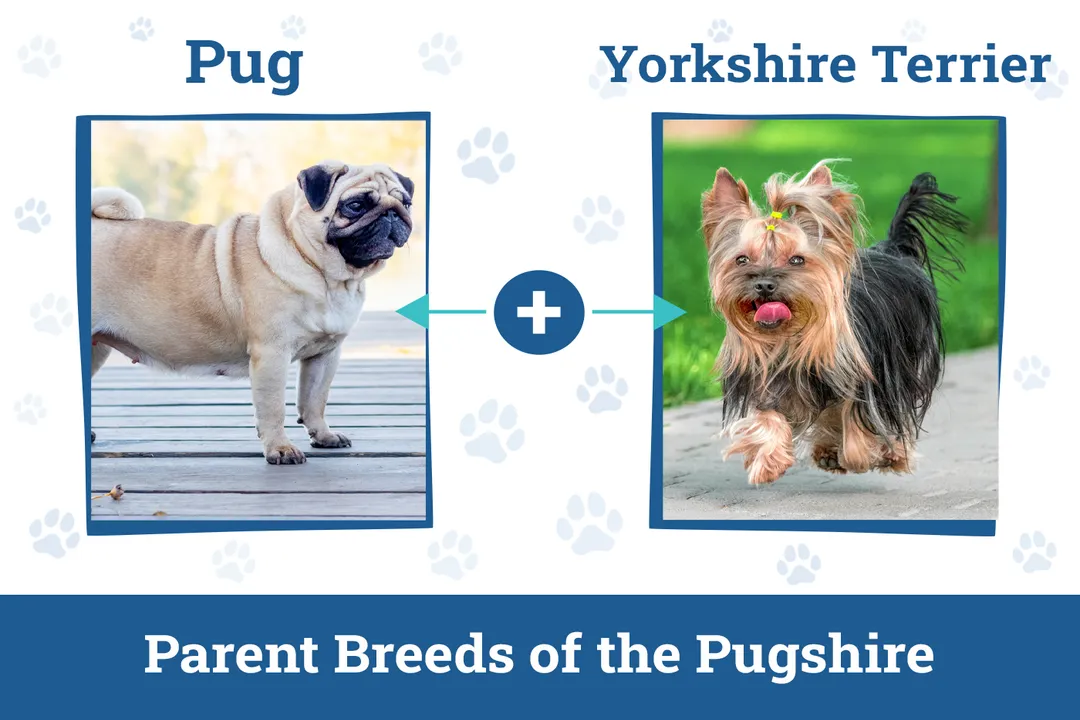
This weight bracket positions the Pugshire as a true lap dog, capable of thriving in apartments provided their exercise needs are met. [1][2] When you look at the parental contributions, the Yorkshire Terrier typically weighs between 3 and 7 pounds, while the Pug generally falls between 14 and 20 pounds. [3] The resulting hybrid weight tends to land in the middle, which is often seen as a positive outcome, potentially lessening the extreme health risks associated with the very flat face of the purebred Pug. [1][3] However, it's crucial to remember that "designer dog" status means genetics are a roll of the dice; you might get a dog leaning toward the lighter Yorkie side or one closer to the sturdier Pug weight. [2]
# Target Weight

The sweet spot for a healthy adult Pugshire is often cited in the 7 to 10 pound range. [2][5] Sources consistently agree that keeping them below the 12-pound mark is advisable for optimal health and longevity. [1][4] They are generally considered small or toy-sized dogs, usually standing between 12 and 15 inches tall at the shoulder. [1][3][4][6]
It is worth noting that some sources provide slightly broader estimates, with one suggesting a range extending up to 20 pounds. [6] While this wider range acknowledges the variability inherent in mixed breeds, owners aiming for the breed's established "type" should target the lower end. When observing a young Pugshire puppy, an owner can use the developing skeletal structure to estimate potential adult size, though diet and early activity levels will significantly influence the final number on the scale. [5]
# Size Variance
While the overall weight range is narrow, there can be slight distinctions between the sexes. Some reports suggest that male Pugshires may be marginally larger than their female counterparts. [1] Specifically, one source indicates a potential range where males settle around 9 to 12 pounds, while females might range from 7 to 10 pounds. [5]
This small difference in size between genders is generally minor compared to the variance you might see within a single litter based on which parent's traits are more dominant. [1][4] For example, one puppy might inherit the slightly longer snout and less-squished facial structure often associated with the Yorkie, perhaps leading to a slightly leaner build, while another might retain more of the characteristic compact body shape of the Pug. Any weight discrepancy is more likely linked to individual genetic inheritance and how well that specific dog manages its metabolism than a hard-and-fast rule based on sex alone. [1]

# Lean Living

Regardless of whether your Pugshire lands at 7 pounds or pushes the limit at 12, maintaining an optimal weight is non-negotiable for this hybrid. Small breeds are notoriously prone to packing on pounds quickly. [2] Obesity in any dog is detrimental, but for a dog already contending with potential inherited respiratory or structural issues, excess weight becomes a significant complicating factor. [1]
If you are determining feeding amounts, a simple calculation can be helpful for long-term maintenance. A general rule of thumb for maintenance calories for a dog of this size is often around 40 times their resting weight in kilograms (or a rough estimate based on activity). Since they are prone to obesity, be cautious about over-relying on feeding guides meant for a generic "small breed" dog, as the Pugshire's energy needs can fluctuate. For instance, an extremely cuddly, less active Pugshire at 12 pounds might need fewer calories than a highly playful, consistently active 10-pound counterpart. [1][5]
We often see owners overcompensating with treats, especially since this breed is known for being extremely affectionate and eager to please. [2][3] Try to use low-calorie alternatives like bits of plain carrot or green bean instead of standard dog biscuits when rewarding good behavior. This ensures that you are still rewarding them lavishly without adding unnecessary dense calories that stress their tiny frames. [1]
# Joint Concerns

The responsibility of keeping a Pugshire lean takes on added importance when considering their health profile, particularly their orthopedic risks. Both parent breeds carry predispositions that are aggravated by excess weight. The Yorkshire Terrier, as a small dog, is prone to Patellar Luxation (slipping kneecaps). [3][6] Pugs can also develop hip issues like hip dysplasia from years of jumping. [3]
When a Pugshire is overweight, the additional load places significantly more strain on the delicate structures of the knees and hips. For a dog already genetically inclined toward patellar issues, that extra pound or two on a 9-pound frame represents a substantial percentage increase in joint stress, potentially accelerating the onset of pain or the need for veterinary intervention. [2][6] Because they have short legs, their gait mechanics are already different from long-legged breeds, making strong, lean muscles and healthy joints even more critical to supporting their core structure. [1]

# Respiratory Strain
Another crucial health consideration tied directly to weight involves the Pug's flattened face. While the Pugshire often inherits a slightly longer snout than a purebred Pug, they can still be classified as brachycephalic. [1][2] This means their shortened airway structure can make breathing more laborious. [1][3]
Imagine trying to breathe normally while running a short sprint; now imagine doing that with a partially obstructed airway. That is what an overweight brachycephalic dog experiences during even moderate exercise or when overheated. [1] If your Pugshire is carrying extra weight, it compounds the difficulty of drawing air into the lungs, increasing the risk of heat exhaustion and respiratory distress during activity. [1] Therefore, maintaining the 7 to 12-pound target range isn't just about bone health; it's fundamental to ensuring safe and comfortable exercise, which sources suggest should be around 30 to 60 minutes daily. [2][5]
# Parent Traits
Understanding the weight of the Pugshire requires acknowledging the parents. The Pug is a sturdy, often heavier toy dog, while the Yorkie is exceptionally light. [3] The resulting mix is intended to retain the affectionate lap-dog nature of both breeds while improving upon the notorious health issues of the purebred Pug. [1][3]
The Yorkshire Terrier brings courage, high trainability (though sometimes overshadowed by stubbornness), and a low-shedding coat gene. [3] The Pug contributes a comical, snuggly nature and a propensity for stubbornness and higher health risks, particularly respiratory ones. [3] A well-bred Pugshire manages to blend the playfulness and devotion from both sides. [2] In terms of weight, the desired outcome is a dog that has shed the heavier set physique of the Pug while perhaps gaining a bit more robust structure than the sometimes frail Yorkie. [1] It is the blending of these two small-breed physiologies that dictates where that final weight will settle, making regular monitoring key in the first year of life. [2]
Related Questions
#Citations
THE PUGSHIRE - Pug Yorkie Mix Breed Quick Info
Pugshire | Pet Premium - Pet Insurance Comparison
Pugshire Dog Breed Health, Temperament, Feeding and Puppies
Pugshire (Pug & Yorkshire Terrier Mix) Dog Breed - Dogster
Pugshire Dog Breed Complete Guide - A-Z Animals
Pugshire (Pug X Yorkie Mix) Facts, Temperament, Puppies, Pictures