How much is a freshwater polka dot stingray?
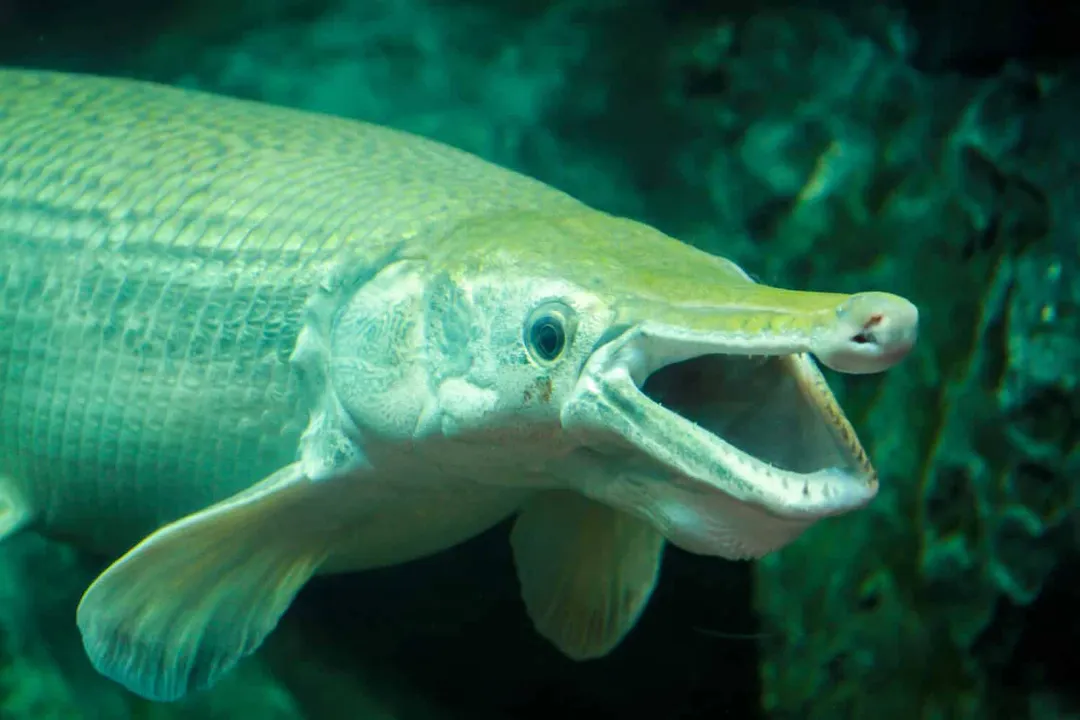
The cost of acquiring a Freshwater Polka Dot Stingray, scientifically known as Potamotrygon leopoldi, is one of the most variable figures in the exotic fish trade, spanning a massive gulf between an accessible entry price and an astronomical outlier figure. The allure of these magnificent, disc-shaped fish—native to the Xingu River in Brazil—stems from their dramatic, high-contrast black-and-white patterning, making them a true statement piece for specialized aquariums.
# Identification Basis
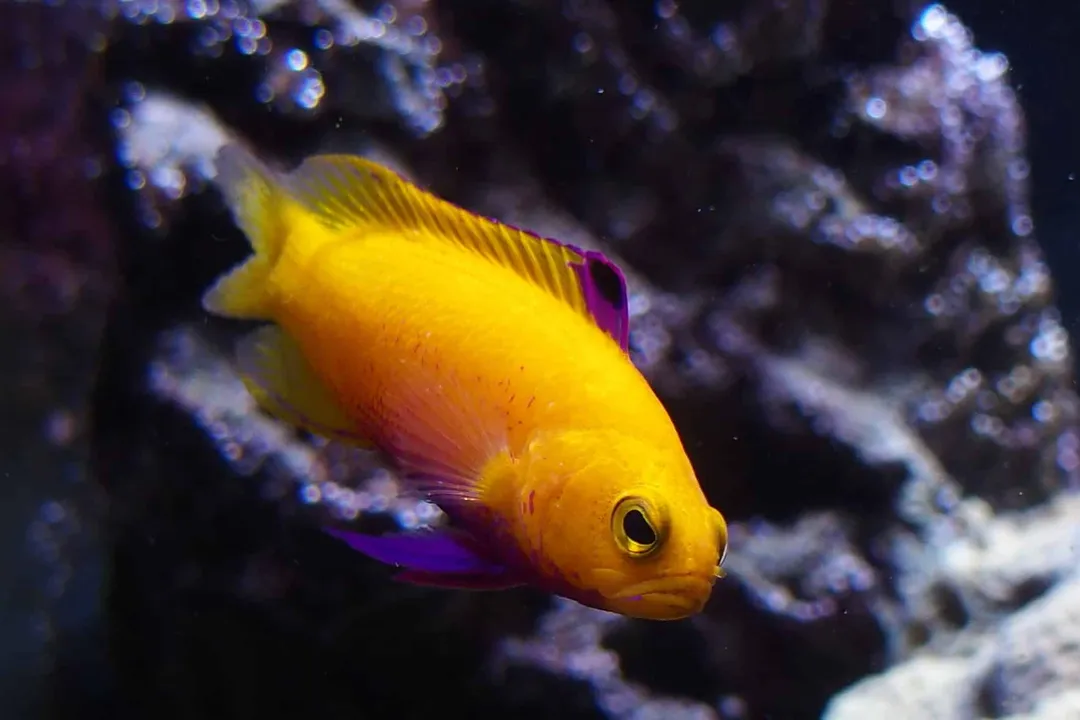
The Polka Dot Stingray is frequently referred to by other names, most notably the Black Diamond Stingray, a term often applied to specimens with particularly deep black coloration and sharp spots, sometimes indicating a pure bred line. This specific species, P. leopoldi, is highly prized, and its expense is rooted not just in its beauty but also in its specialized needs and relative scarcity compared to more common rays like the Motoro. A key physical characteristic contributing to its value in extreme cases is a unique genetic mutation resulting in a U-shaped head.
# Price Extremes

When discussing the price, it is essential to note the difference between what a record-breaking specimen fetches and what a healthy, standard captive-bred animal costs. There are documented instances where a Freshwater Polka Dot Stingray commanded a staggering **400,000. However, this extreme price is an anomaly; ordinary Polka Dot Stingrays are often seen listed around $1,500.
It is worth noting that general forum discussions suggest that ray prices across the board can span from a few hundred dollars up to $100,000, with quality, size, and captive-bred (CB) status significantly influencing the final number.

# Retail Variation Spectrum
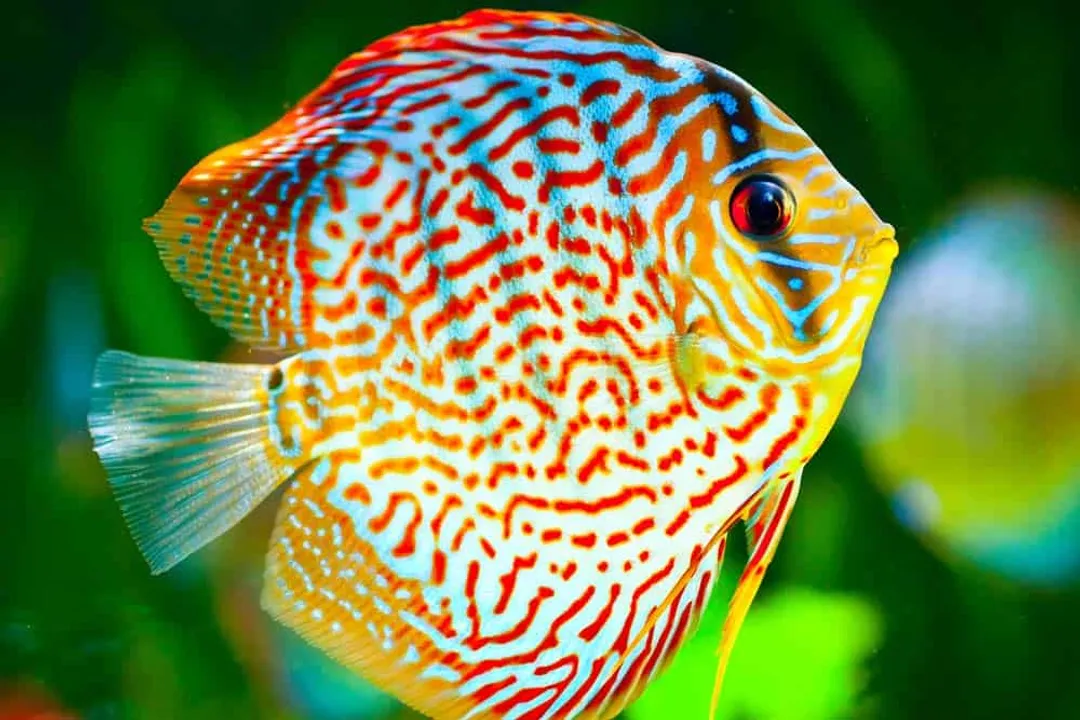
Actual retail pricing available from specialized dealers provides a much clearer picture of the market for non-mutated, high-quality specimens, though even here, price stratification is evident based on the specific morph or grade being offered.
Dealers specializing in premium or "show-grade" specimens list the Polka Dot Stingray with prices ranging from 15,000.00. This range is usually tied directly to the animal’s size, with juveniles being at the lower end and large adults commanding the top tier of that bracket.
In contrast, suppliers focusing on a wider variety of freshwater rays, including various P. leopoldi morphs, present a lower base entry point:
| Stingray Morph (Potamotrygon leopoldi Focus) | Price Range (USD) | Citation |
|---|---|---|
| Black Diamond Stingray (Standard) | $595.00 – $1,250.00 | |
| Thousand Island Black Diamond | $695.00 – $1,200.00 | |
| Super Spot Black Diamond | $1,200.00 – $7,600.00 | |
| Albino Black Diamond Hybrid | $1,600.00 – $2,800.00 |
A retailer specializing in Thai-bred fish shows pricing for Black Diamond males and females, where even discounted sale prices hover between approximately 3,340.00 USD depending on inch size and sex. This indicates that for the base P. leopoldi or its common Black Diamond variant, the cost is usually in the low to mid-thousands, not the tens of thousands, unless the specimen meets strict 'show-grade' criteria.
# Maintenance Cost Insight
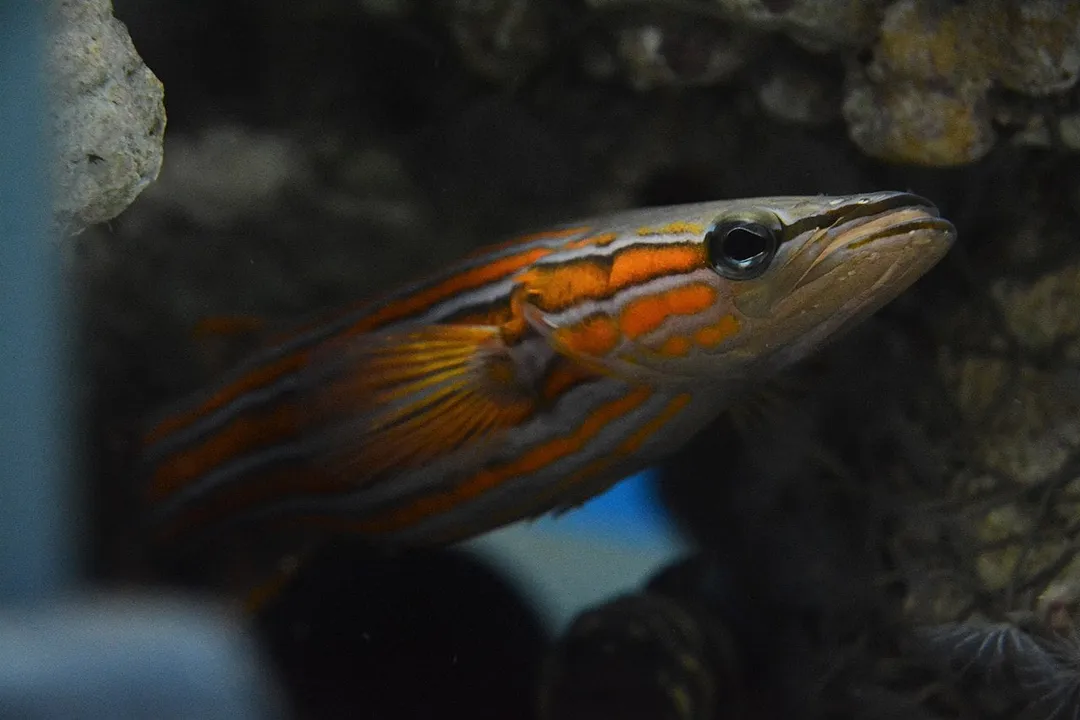
The purchase price is only the down payment on owning a Polka Dot Stingray. The true cost of ownership is heavily influenced by the extraordinary commitment to husbandry required, which can quickly dwarf the initial investment. Because the genetic features that make them prized—like the U-shaped head—can undermine their natural hunting instinct, these rays often require hand-feeding. Furthermore, they require massive tanks, suggested to be a minimum of 180 gallons, with expert suppliers recommending 250+ gallons for juveniles and 400+ gallons for adults. Failure to meet these stringent water quality and space demands, which require advanced filtration and temperature control, will lead to stunted growth or the premature death of a very expensive animal. Therefore, a lower-priced, smaller juvenile ray may end up costing more in the long run if the keeper has to rapidly upgrade housing or replace the animal due to illness stemming from inadequate conditions.

# Determinants of Value
Several key attributes dictate where a specific Polka Dot Stingray will fall on the retail price spectrum, moving it from the sub-15,000 mark:
# Lineage and Rarity
The source of the animal plays a massive role. While wild-caught (WC) specimens might sometimes be cheaper than captive-bred (CB) ones in the general ray market, the high value of P. leopoldi is often tied to regulated, licensed breeding facilities, particularly those in Thailand. The fact that exports from Brazil are now illegal further contributes to higher prices for legally available stock. Furthermore, specialized color morphs or hybrids—such as Albino Black Diamonds or those categorized by spot size, like "Super Spot"—command significantly higher prices than a standard specimen.
# Size and Symmetry
For high-end retailers, size variations translate directly into price tiers: Juvenile, Sub-adult, and Adult. A fully grown adult specimen (15–18+ inches) will naturally be the most expensive because it represents the culmination of years of specialized care and growth. Beyond size, quality assessment focuses heavily on symmetry—perfectly round discs, balanced fins, and clear, symmetrical spotting patterns are crucial for high valuation.
# Sizing Confusion Analysis
A common pitfall for new aquarists looking at lower price points is encountering the term "Teacup Stingray" in online listings or discussions. It is important to recognize that this term generally refers to juvenile stingrays, often of the Motoro or Polka Dot species, not a genetically dwarfed variety. A buyer purchasing a small, inexpensive ray based on its current size will soon be faced with the reality of needing a hundreds-of-gallons enclosure, a high-capacity filtration system, and the specialized feeding routine necessary for a 30-inch adult. This mismatch between the current price seen online and the future investment in life support equipment represents a hidden cost barrier for many enthusiasts.

# Legal Acquisition
Due to conservation efforts and international regulations, the responsible acquisition of these rays requires diligence. Reputable sources emphasize CITES compliance and documentation to ensure the animal was ethically and legally sourced from regulated facilities. Given that these fish are venomous, understanding and adhering to local laws is paramount, as ownership is restricted or banned in several US states. The high cost reflects, in part, the cost of legitimate import and health certification processes. Successfully maintaining this species requires expertise in maintaining pristine water conditions, with zero ammonia and nitrite, and stable temperatures, all of which necessitate high-quality, dedicated equipment.
Related Questions
#Citations
Stingray - Predatory Fins
Black Diamond Stingray (Potamotrygon leopoldi) - Aqua Imports
Aquariums Pay Top Dollar For These Rare Fish - A-Z Animals
Freshwater Stingrays For Sale | Buy Online - Thailand Betta Fish
Polka Dot Stingray - Chillquarium Wiki - Fandom
Buy Freshwater Polka Dot Stingray for Sale - Luxury Fish Shop
Average ray prices | MonsterFishKeepers.com
The 6 Most Expensive Aquarium Fish in the World - Koi Kompanion
10 Most Expensive & Stunning Fishes In The World - Krishi Jagran