Do swallowtail caterpillars shed their skin?
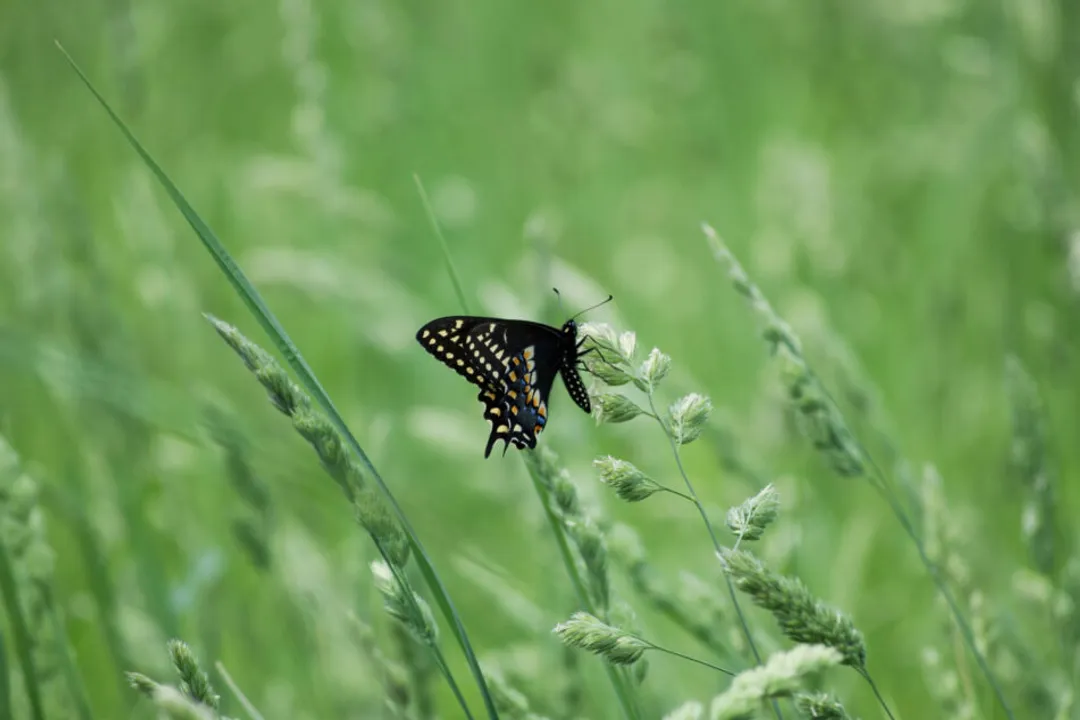
The simple answer to whether swallowtail caterpillars shed their skin is a resounding yes. This process is fundamental to their development, allowing them to increase significantly in size between the time they hatch from the egg and when they are ready to become a chrysalis. This shedding, known to entomologists as molting, is how the caterpillar breaks free from its restrictive outer layer, or cuticle, to reveal a larger version of itself underneath. [2]
Every time a caterpillar undergoes this transformation, it passes through a specific stage of growth, known by the term instar. Most butterfly species go through four or five instars before they reach their final, mature size. [7] For a keen observer watching the lifecycle, noticing the discarded skin—the exuvia—is often proof that the caterpillar is actively feeding and growing well, though the shed skin itself is frequently overlooked as the caterpillar moves on quickly. [1]
# Molting Cycle
Caterpillars have an exoskeleton, much like a lobster or a crab, which provides necessary protection but limits growth. Since this outer shell cannot stretch, the only way for the larva to get bigger is to completely replace it. [7] Before a molt occurs, the caterpillar will often become sluggish or appear slightly dull in color as it prepares to shed the tight outer layer. [7] The process itself involves the caterpillar secreting a new, softer exoskeleton underneath the old one. Once the new skin is ready, the caterpillar pushes its way out, usually splitting the old skin along the back of its head capsule. [7]
The timing and frequency of these molts are characteristic of the species. For example, the Black Swallowtail (Papilio polyxenes) undergoes several instars, showing distinct physical changes between each shedding. [1][5] Understanding the instar count helps observers gauge how close a caterpillar is to pupation. If you are raising swallowtails, knowing that the fifth instar is the final stage before forming the chrysalis gives you a clear timeline for when to expect that final, dramatic transformation. [7]
# Appearance Changes
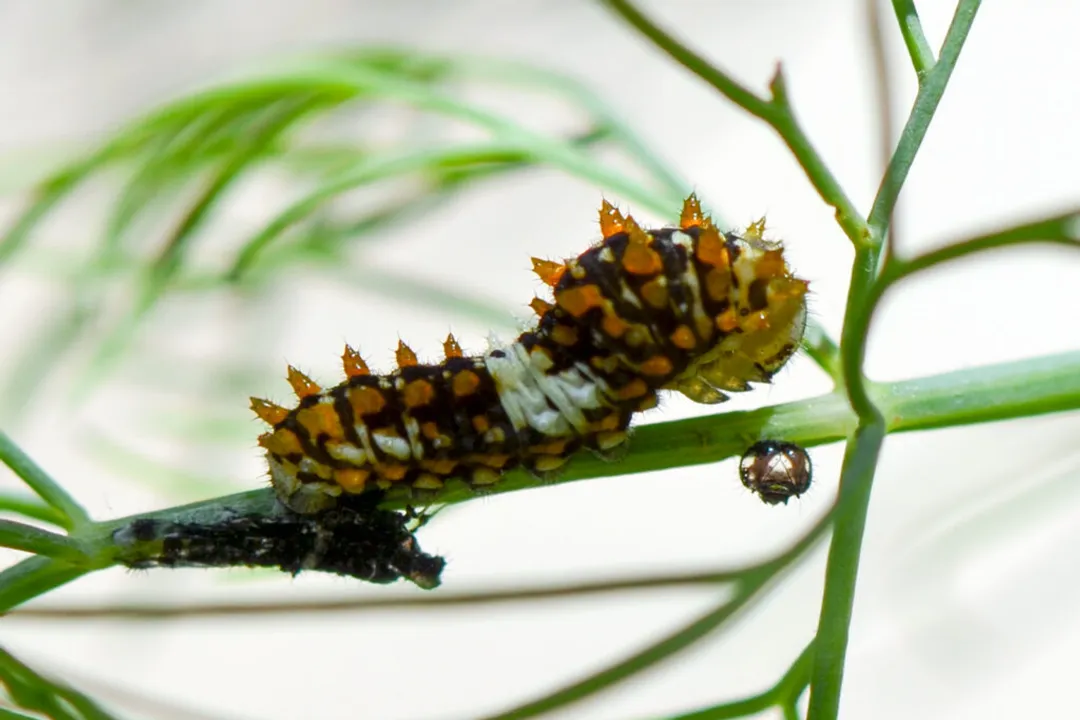
One of the most fascinating aspects of the swallowtail's molt is that it often comes with a dramatic visual update. It is not simply a matter of getting bigger; the pattern and color scheme frequently change entirely between instars. [1]
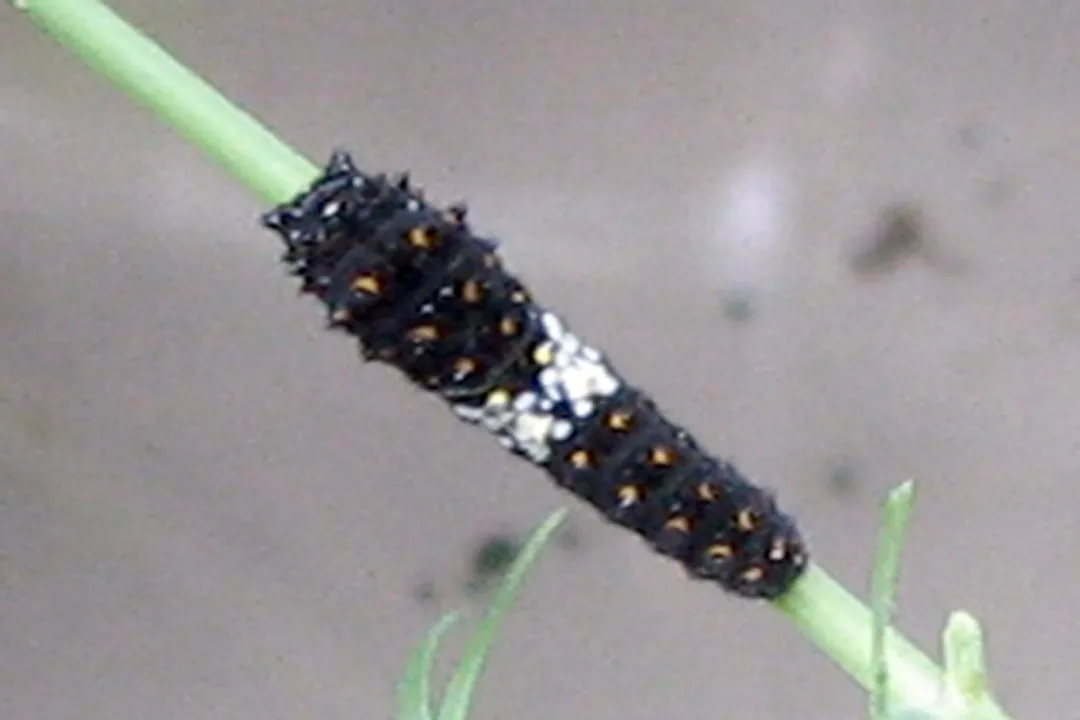
Black Swallowtail caterpillars provide a perfect case study for this transformation. In their earliest stages, often the first or second instar, they are typically small and black with white or yellowish markings. [1][5] They may even look quite different from their well-known adult-stage larva appearance. As they continue to grow and molt, they pass through intermediate phases before reaching their final, most recognizable form. [1]
By the time they reach their last instar—the phase right before turning into a chrysalis—the Black Swallowtail caterpillar has adopted its vibrant, iconic camouflage: a bright green body covered in black stripes that are further accented with yellow or bluish-green spots. [1][5] This striking green coloration is very different from the initial black appearance. [1] This change isn't just for show; the change in color often corresponds to a change in preferred diet or increased need for camouflage against the foliage they are consuming. [5]
The Spicebush Swallowtail (Papilio troilus), another species commonly observed, follows a similar pattern of transformation, though its specific colors differ. Its early instars might be blackish, but they transition into a coloration that mimics bird droppings for protection, which is a different defense strategy than the later green camouflage used by the Black Swallowtail. [9] This highlights that while all swallowtails shed skin, the visual results of the molt are species-specific.
# Species Comparison
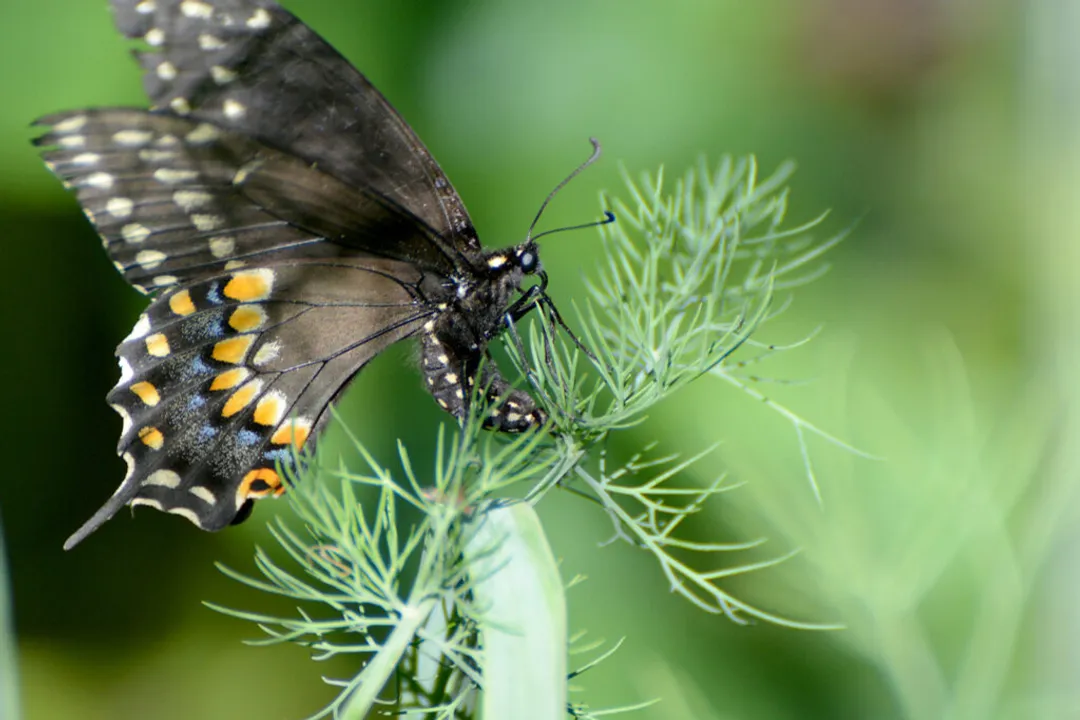
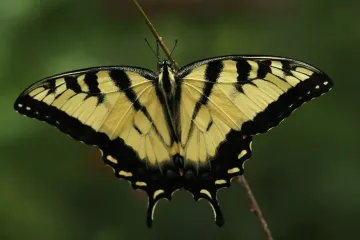
While the Black Swallowtail is well-documented for its distinct pre-pupal green stage, observing other swallowtails reveals that the molting process is tied closely to the species' survival needs. For instance, the Spicebush Swallowtail is known for its distinctive, large eyespots and its coloration that mimics avian waste earlier in its life, providing an effective deterrent to predators. [9] When this caterpillar finally sheds into its final, pre-pupal stage, it often turns a bright lime green, sometimes with dark striping, preparing for its transformation into the Spicebush Swallowtail butterfly. [9]
A key difference observed between various species relates to the exuvia itself. If you are raising different types of swallowtails side-by-side, you might notice subtle differences in how large the shed skin is relative to the caterpillar's new size, or perhaps how quickly the caterpillar moves away from the discarded skin after emerging. Observing these differences across species underscores that while the underlying biological mechanism—ecdysis—is the same, the timing and associated visual changes are finely tuned to the ecology of that specific butterfly. [2][9]
# Observing Health
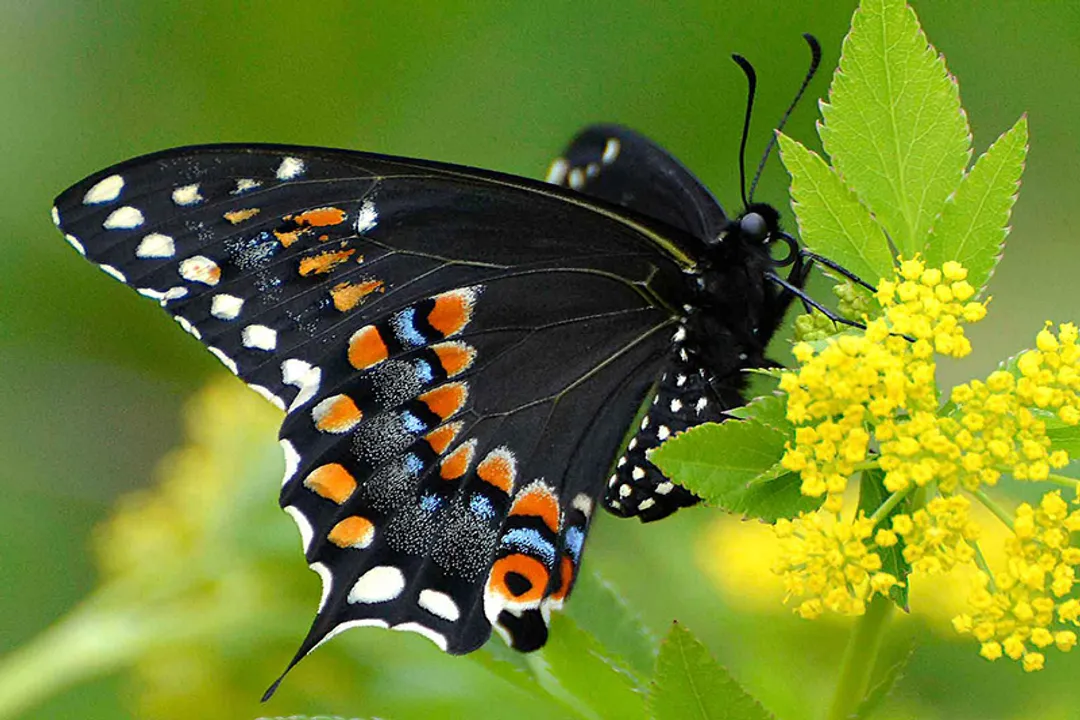
For anyone interested in rearing caterpillars, monitoring the molting process offers important feedback on the caterpillar's well-being. A healthy caterpillar needs to eat constantly to fuel the high energy demands of creating an entirely new body covering. If a caterpillar stops eating for an unusual amount of time before a molt, it could indicate a problem, such as illness or environmental stress.
One simple diagnostic check an observer can perform is observing the shed skin itself. A freshly emerged caterpillar will be slightly soft and may have a slightly crinkled look before its new exoskeleton hardens up over the course of a few hours. [7] If you find a very old, dry, and curled-up piece of skin, it usually means the molt finished successfully some time ago and the caterpillar is already well into the feeding phase of its current instar.
If, however, you notice the caterpillar struggling repeatedly to push out of its old skin, or if only part of the old skin seems to come off, this can be a warning sign. This condition, sometimes referred to as a "bad molt," often happens if humidity levels are too low or if the caterpillar is generally weak. [7] A successful molt results in the entire old cuticle being cleanly discarded in one piece, often near the feeding area.
To ensure successful molting in a captive environment, maintaining appropriate humidity is important, especially for delicate larvae like the early instars. [7] If you notice several days passing and no new, larger caterpillar is visible, coupled with the presence of the old skin still clinging to the caterpillar, intervention is rarely recommended unless you are an experienced rearer, as disturbing a caterpillar during this vulnerable time is risky. It is generally best to provide fresh host plants and maintain stable, appropriate environmental conditions, allowing nature to take its course through these essential growth cycles. [7] The presence of intact, shed skins in the enclosure is, therefore, a quiet indicator of success, showing that the internal growth machinery is operating correctly.
#Videos
Caterpillar Shedding - YouTube
Related Questions
#Citations
As black swallowtail caterpillars grow and shed their skin, they ...
Black swallowtail - Our Habitat Garden
Caterpillar Shedding - YouTube
Black swallowtail spotlight - Peggy Notebaert Nature Museum
What is going on with my Black Swallowtail caterpillars? Tail end ...
[PDF] Raising Black Swallowtail Butterflies | Betty Hall Photography
LIFE CYCLE OF A BLACK SWALLOWTAIL BUTTERFLY by Bob Moul
The Life and Times of the Spicebush Swallowtail (Papilio troilus)