Do aussiedor shed?
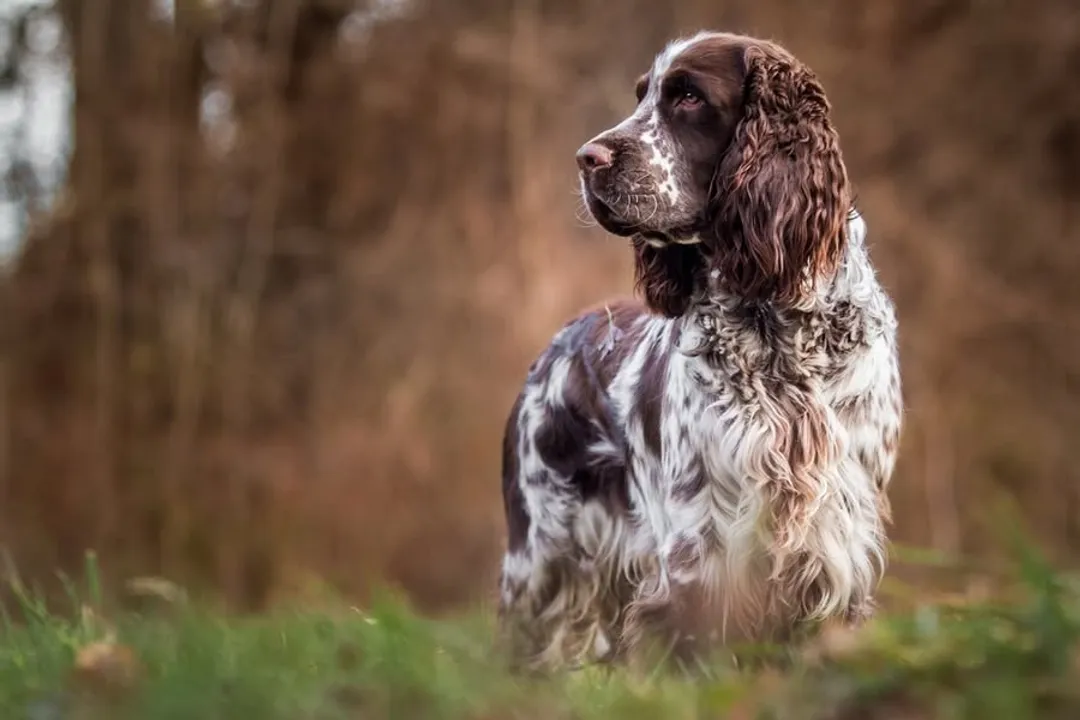
The actual amount of hair an Aussiedor sheds is rarely a straightforward answer, mainly because this popular crossbreed—a mix of the Australian Shepherd and the Labrador Retriever—inherits a coat determined by chance genetics. [1][2] You won't find a single, uniform shedding schedule for this hybrid; instead, you find a spectrum of experiences, often ranging from very low-shedding companions to dogs that seasonally "blow" their undercoat quite dramatically. [4][7] Understanding the potential lies in examining the two parent breeds whose coats they might display.
# Parent Breeds
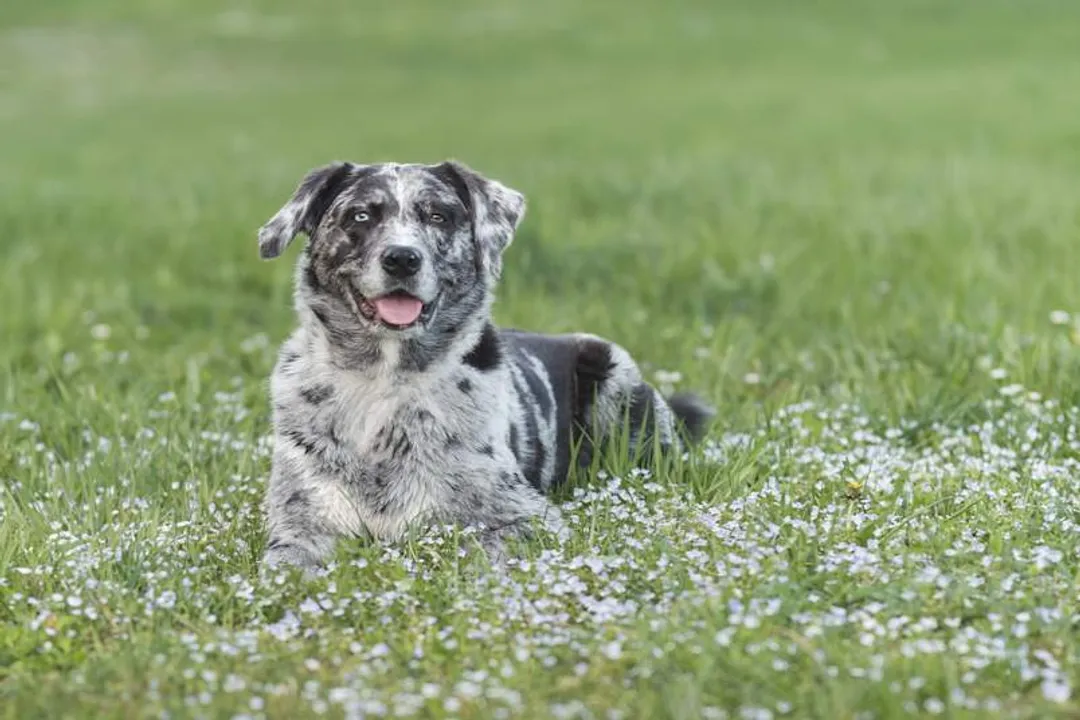
The Labrador Retriever parent generally possesses a short, dense double coat that sheds consistently year-round and experiences significant seasonal shedding periods, often called "blowing coat" in the spring and fall. [1][7] The Australian Shepherd, on the other hand, also has a double coat, which can range from medium to long, and they are known for moderate shedding, which can increase heavily during seasonal changes. [1][7] When these two genetic profiles combine, the resulting coat dictates the maintenance required.
# Coat Types
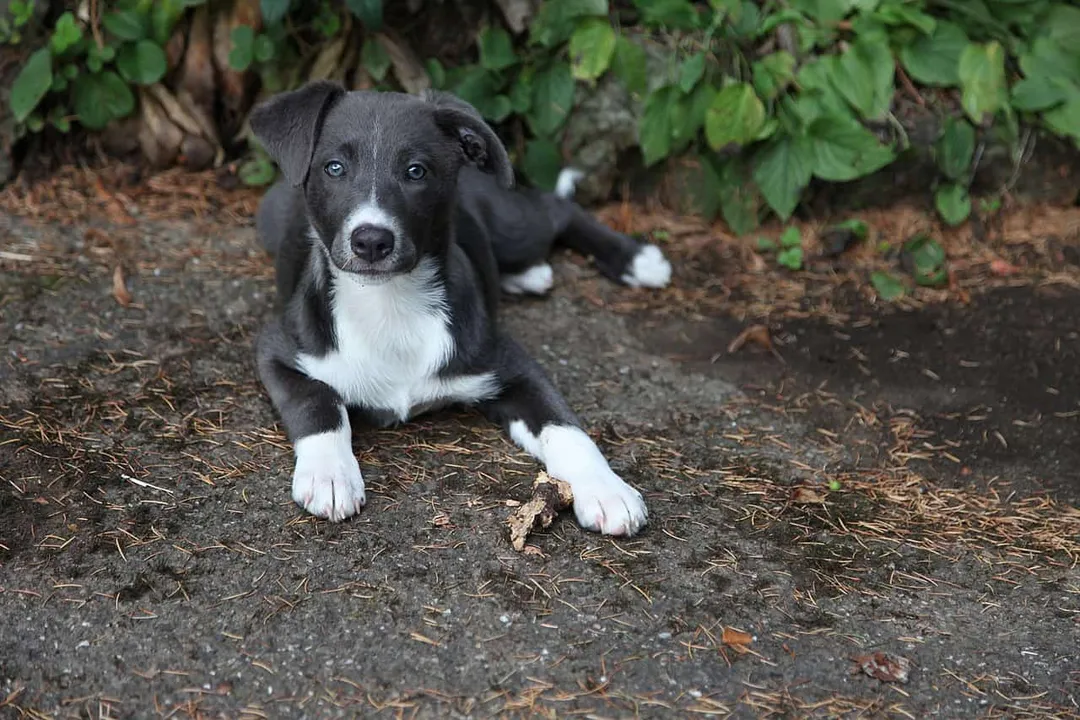
Aussiedors can inherit a variety of coat textures and lengths, and the coat type is the strongest indicator of future shedding patterns. [3] Because the Labrador side often contributes strong shedding genes and the Aussie side contributes a double coat, many Aussiedors end up with a dense, medium-length double coat that requires regular upkeep. [1][7]
The coat possibilities generally fall into a few categories:
- Smooth or Short Coat: If the Aussiedor strongly favors the Labrador's coat structure, they might have a shorter, smoother coat. While this seems easier, these short, stiff hairs can weave themselves tightly into fabric, making cleanup frustrating even if the overall volume shed daily is less than a longer-haired dog. [3]
- Medium to Long Coat: This is a very common outcome. These coats often have feathering on the legs and chest and require consistent brushing to prevent mats and manage loose hair. [7]
- Wavy or Curly Coat: While the Australian Shepherd does not carry the curl gene, a recessive gene from the Labrador side, or just random coat variation, can result in a wavier coat. This texture can trap loose hair, leading to less visible shedding on the floor but potentially more undercoat buildup if neglected. [5]
If you observe a clear, thick undercoat layering beneath a topcoat, you should prepare for more significant seasonal shedding, regardless of the overall length of the outer hair. [7]
# Shedding Reality
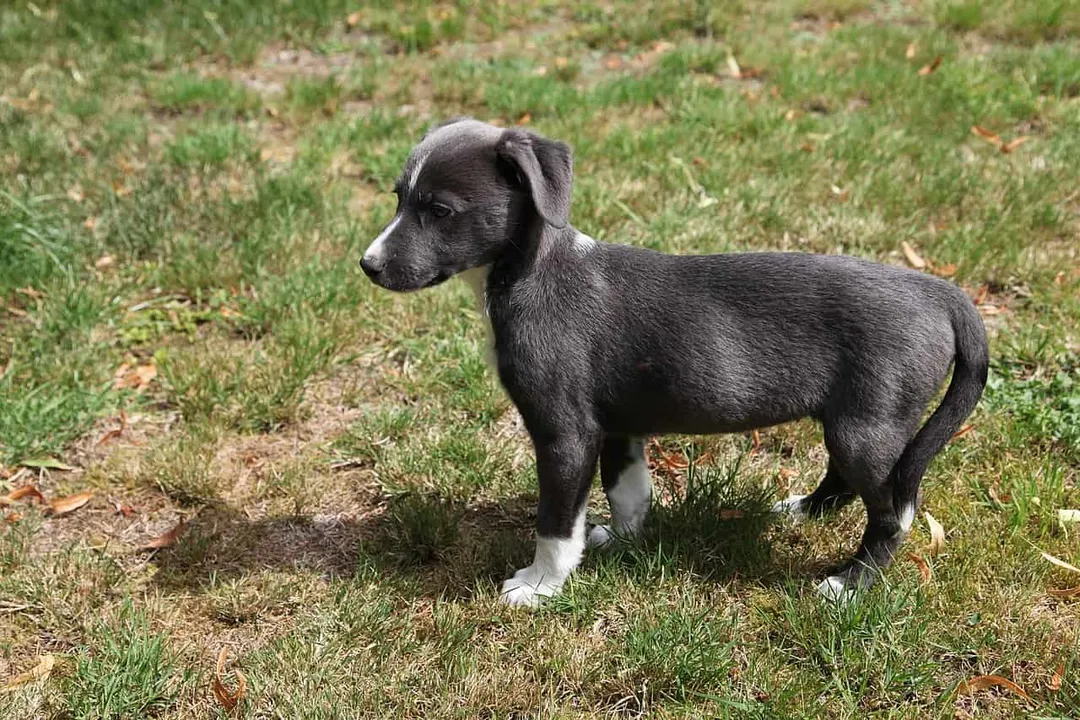
Owners of Aussiedors frequently report that the shedding level is unpredictable. [4] In online forums and owner groups, you will find individuals stating their Aussiedor is practically non-shedding, while others in the very next thread complain about cleaning up tumbleweeds of fur year-round. [4][6] This variance isn't a failure of breeding; it’s simply the nature of a first-generation or early-generation hybrid. It means one puppy from the same litter might take after the low-shedding tendencies of one parent, while a sibling takes after the other. [5]
For example, if the pup inherits the Australian Shepherd's slightly longer, less oily coat but the Labrador's heavy seasonal undercoat production, the owner will experience short bursts of intense shedding rather than consistent daily loss. [1][7] Conversely, a dog that gets the shorter, denser Lab coat but perhaps a slightly less aggressive seasonal shedding cycle might seem like a moderate daily shedder. [3]
# Grooming Adaptation

Since you cannot definitively know the shedding level until the dog matures, adaptability in grooming is essential. Brushing is the most critical tool for managing any coat type an Aussiedor might present. [7]
If you are managing a dog with a visible undercoat, establishing a routine of brushing several times a week with a slicker brush and an undercoat rake is necessary to manage the dead hair before it falls out onto your furniture. [1]
Here is a way to gauge your grooming intensity based on observation: If you find that after a thorough brushing session, your dog looks significantly less fluffy, and the undercoat comes out easily without pulling on the skin, you are likely on top of the daily shedding. If, however, brushing feels difficult, the brush clogs quickly, or your dog seems bothered by mats forming near the ears or hindquarters, you may need to increase brushing frequency to three or four times a week, or consider professional grooming help. [7] Some owners of Lab mixes, including Aussiedors, even choose to have their dogs shaved down in warmer months, though this should be done with caution as shaving a double-coated dog can sometimes affect how the coat grows back or protect the skin. [5] Always consult a professional groomer who understands double-coated breeds before deciding on a significant haircut. [7]
# Seasonal Blowouts
Even if your Aussiedor seems like a relatively low-shedding dog most of the year—perhaps only shedding a few stray hairs when petted—you must anticipate the seasonal "blowout". [1] This occurs as the dog sheds its heavy winter undercoat to prepare for summer heat, and then grows it back in the fall. [7]
During these periods, which usually last a few weeks, the volume of hair can be shocking, regardless of the dog’s typical daily shedding. This intense shedding is where the Labrador and Australian Shepherd heritage most clearly manifests. [1][2] During these times, daily, dedicated grooming is crucial. A high velocity dryer used by a professional groomer can help blast out the loose undercoat effectively, significantly shortening the duration of the intense shedding phase. [7]
# Health and Coat Quality
A lesser-discussed element impacting shedding is overall health. A dog that is shedding excessively outside of the typical seasonal changes, or whose coat looks dull, dry, or brittle, might be signaling an underlying issue that needs veterinary attention. [1] Diet plays a major role here. Ensuring the dog receives high-quality food rich in Omega-3 and Omega-6 fatty acids can support skin health and hair follicle strength, leading to a healthier coat that sheds appropriately rather than excessively. [2]
A helpful way to monitor coat health versus normal shedding is to establish a baseline: for one week in a non-shedding month, weigh the hair you collect after grooming. If you notice a sudden 50% increase in that collected weight for several weeks, you are likely experiencing a normal seasonal shed. If the increase is 100% or more, or if the increase persists for more than six weeks, it warrants a check-up with your veterinarian to rule out stress, allergies, or other skin issues. [1]
In summary, the answer to "Do Aussiedors shed?" is definitively yes, but the frequency and volume are highly variable. [4][7] Prepare for moderate daily shedding tempered by intense seasonal shedding periods, and adjust your grooming schedule to match the coat your unique dog inherited from its Aussie and Lab parents. [3]
#Videos
How To Take Care of Aussiedors - YouTube
Related Questions
#Citations
Aussiedor: The Australian Shepherd & Labrador Retriever Mix
Aussiedor Animal Facts - Canis lupus
Aussiedor Breed Information & Characteristics
Does anyone have an Australian Shepherd that sheds as much as ...
How to shave your lab mix / Aussiedor Because some shedd and ...
Aussiedor (Australian Shepherd & Lab Mix): Info, Pictures, Facts
How To Take Care of Aussiedors - YouTube
Australian Shepherd Lab Mix Dog Breed Information - Pets Online