What is the personality of a Sheprador?
The Sheprador emerges from the intentional pairing of two of America’s most popular purebred dogs: the steadfast German Shepherd and the cheerful Labrador Retriever. [3] This hybrid nature is the single most defining characteristic of their personality, meaning prospective owners should expect a wide spectrum of traits rather than a fixed blueprint. [2] While both parent breeds are celebrated for their intelligence, loyalty, and energy, the resulting Sheprador can lean heavily toward one side or strike a unique balance, leading to a delightful, yet occasionally unpredictable, companion. Generally, these dogs are noted for being loving, energetic, and possessing a strong protective streak. [2]
# Parental Blend

Understanding the Sheprador requires acknowledging the distinct contributions of the German Shepherd and the Labrador Retriever. The German Shepherd brings a highly intelligent, often serious, "down-to-business" attitude, originally bred for demanding roles like guarding and military work. [4] Conversely, the Labrador Retriever offers a slightly more laid-back, exceptionally family-friendly, and eager-to-please demeanor honed through retrieving tasks. When these two lines meet, the resulting personality can range. Some owners report their dog resembles the Lab in appearance and temperament, being happy-go-lucky and friendly with everyone, even ignoring delivery people. [2] Others find the Shepherd's protective nature dominates, resulting in a dog that is more reserved or aloof with strangers. [4] It is difficult to predict the outcome, but the common ground is a deep loyalty and a need for companionship; these dogs want to be involved in family life. [2][3]
# High Octane
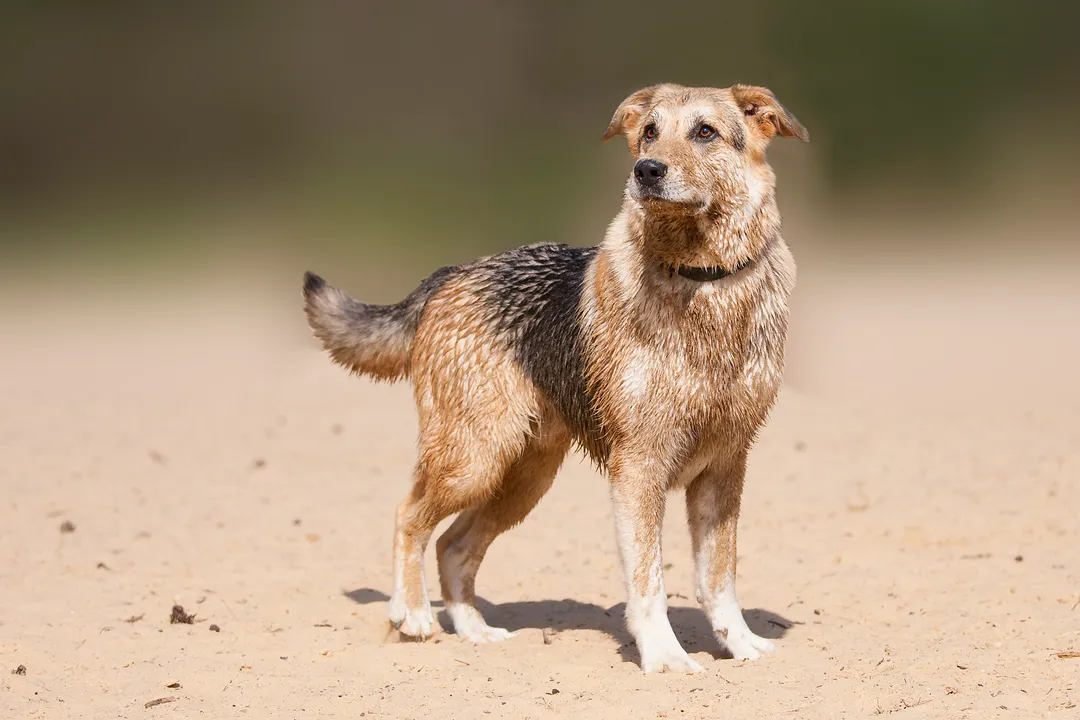
One characteristic that rarely varies across the Sheprador spectrum is their high energy level. [1][2][3] Both parent breeds are known for boundless stamina, and the mix inherits this significant need for physical and mental output. [3][4] These are not dogs content with a short walk around the block; they require substantial daily activity to remain happy and healthy. [3] Owners must be prepared for a very active lifestyle, embracing activities like long hikes, jogging, or even dog sports like agility or dock diving. [1][3] If this immense energy is not adequately channeled, the Sheprador quickly becomes bored, frustrated, and prone to destructive behaviors, such as excessive chewing, barking, or even attempting to escape the yard. [2][3][4] This intensity means that early training must be paired with high-level activity to create a well-adjusted dog.

# Mental Work
Complementing their physical drive is an equally high level of intelligence inherited from both parents. [3] Shepradors are described as incredibly brainy and highly receptive to training, thriving on positive reinforcement methods. [4] They possess an innate desire to work and need a defined "job," whether it is advanced obedience, tracking, or simply participating in complex puzzle-solving games. [3] This need for mental engagement is just as critical as their physical exercise requirement. A common pitfall for new owners is overlooking this intellectual demand, resulting in a dog that uses its smarts to create trouble—like figuring out how to open gates or strategically targeting vulnerable items for chewing. [3] Thinking of your Sheprador as an active partner who needs a daily schedule filled with mental tasks, perhaps employing scent work or complex food-dispensing toys rather than just standard chew bones, is essential for preempting frustration and boredom. [2] If the owner fails to provide mental structure, the dog’s natural intelligence will turn toward self-assigned—and often inconvenient—tasks. [4]
# Guard Instincts
The German Shepherd lineage often imbues the Sheprador with a strong protective instinct, making them excellent, if unofficial, watchdogs. [1][3] They will instinctively alert their family to the approach of strangers. [3] While Labradors tend to be friendlier to all newcomers, the Sheprador may exhibit caution or aloofness toward people they do not know. [4] Owners often observe that their dog might be sociable and friendly when out walking, only to switch to a more guarded demeanor when a stranger approaches the property. [2] This mix is generally not overly prone to excessive barking, but they are certainly equipped to sound the alarm when necessary. [4] Because of this inherent guarding trait, early and consistent socialization is vital to ensure that initial wariness does not develop into unwarranted reactivity or aggression toward guests. [2][4]

# Family Bond
When it comes to their own family, Shepradors are typically described as deeply loving and loyal companions, often integrating well with children. [1][3] They enjoy the commotion and activity that families bring. [3] However, their high energy and large size (often weighing between 45 and 95 pounds) mean that interactions with very small children require close supervision to prevent accidental knocking over. [1][3] When properly socialized, they can be good with other dogs and pets, though the high prey drive inherited from one or both sides requires owners to be cautious around smaller animals like cats or rabbits, as the instinct to chase can be powerful. [2] For multi-pet households, introductions must be managed carefully, focusing on positive exposure from a young age.
# Mouth Habits
Like their Labrador ancestors, many Shepradors display notable mouthiness. [3] This is the instinctual drive to carry objects in their mouth, which is often displayed happily when they have something to hold, be it a favorite toy or a piece of furniture. [3] Owners must be prepared for a dog that loves to chew and needs an ample supply of durable, engaging toys to redirect this natural inclination. [1] If this need isn't met, the dog may resort to destroying household items. [3] When working on curbing overly enthusiastic mouthing—where they might playfully nip or bump—owners are often advised to mimic a puppy's yelp to signal that too much pressure was applied, teaching the dog to use a gentler mouth during play. [4]
# Owner Fit
The Sheprador is a phenomenal dog for the right household, but they are generally not recommended for novice owners who lack experience in handling highly intelligent, high-drive breeds. [3][4] The combination of high energy, high intelligence, and the potential for GSD-like reservation towards strangers demands an owner who is prepared to dedicate significant time to training, mental enrichment, and physical exercise every single day. [3] Prospective families should be certain they can commit to this intensity for the dog's lifespan, which averages around 12 to 15 years. A critical component of success hinges on early, thorough socialization. For a dog that might exhibit GSD-like suspicion mixed with Lab-like excitement, establishing a clear structure for greetings is paramount. When a visitor arrives, the owner should manage the initial chaos by having the dog on a short, secure leash or stationed at a "place" command before the guest enters, ensuring the dog remains calm and composed rather than reacting impulsively to a new presence. [2][4] If you can confidently say "yes" to providing consistent structure, vigorous activity, and early social exposure, this loyal, clever mix will reward you with immense companionship and affection. [3]
The Sheprador's personality is a dynamic fusion—a powerhouse of energy tempered by a deep desire to please and bond with its people. They are the definition of a high-commitment canine companion whose reward is an intelligent, devoted, and active partner ready for almost any adventure you plan.
Related Questions
#Citations
Sheprador Dog Breed Health and Care - PetMD
German Shepherd Lab Mix - Sheprador Breed Traits
German Sheprador Dog Breed Information and Characteristics
German Sheprador Dog Breed: Info, Pictures, Temperament & Traits
Sheprador | Pet Premium - Pet Insurance Comparison