Do Sheepadoodles bond to one person?
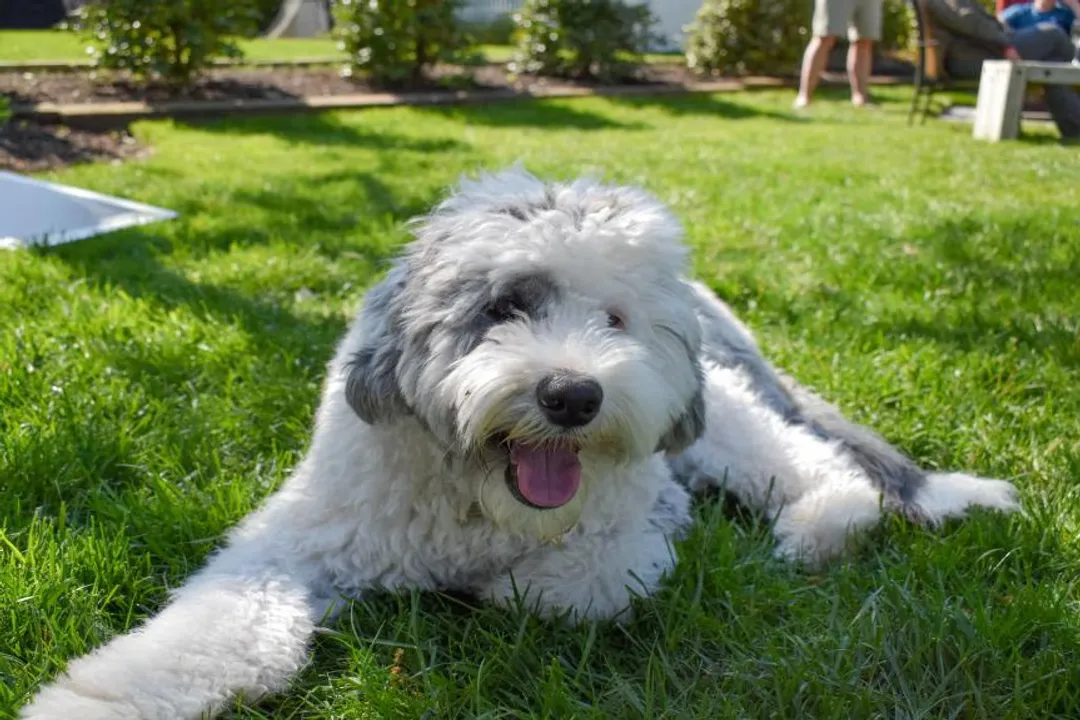
The question of where a Sheepadoodle’s heart truly lies often arises for prospective and current owners of these charming, fluffy companions. These crossbreeds, mixing the intelligent Poodle with the gentle, loyal Old English Sheepdog, inherit a temperament built on affection and a desire to be near their people. [2][4][9] They are, by nature, companion dogs, meaning they thrive on interaction and presence. This inherent need for connection naturally leads to a strong attachment, but the intensity and distribution of that attachment—whether spread across the entire household or focused keenly on a single individual—is where things get interesting and highly dependent on individual personality and upbringing. [2][6]
# Family Focus
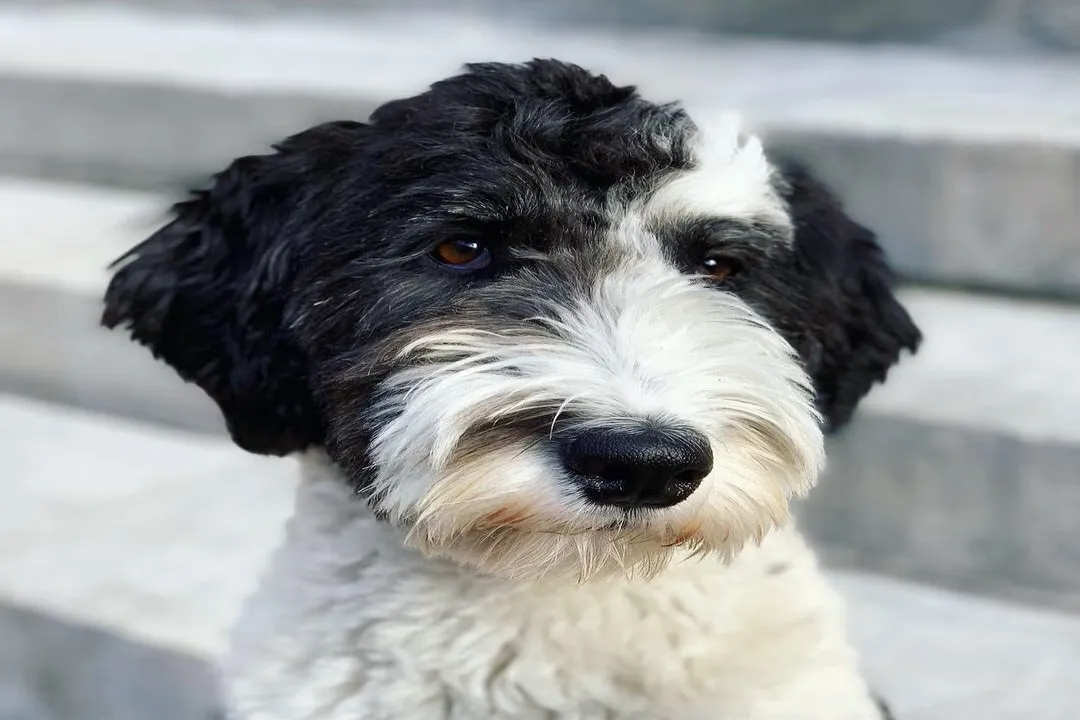
Most sources discussing the Sheepadoodle temperament point toward a general inclination to bond very closely with their entire immediate family unit. [2][4] They are not typically classified alongside breeds that are historically bred to work independently or strictly guard one person. Instead, the Sheepadoodle often exhibits the sweet sociability inherited from both sides of their lineage. [9] They tend to be friendly and interactive with all members of the home, especially if those members are involved in providing attention, play, and care. [7]
This broad affection means that a well-socialized Sheepadoodle puppy is more likely to view the entire household as their pack. They often relish being included in family activities, following different members from room to room based on who is currently engaging them or simply offering a welcoming presence. [4] For many owners, this is a desired trait; they want a dog that greets everyone with equal enthusiasm, rather than one that becomes overly reserved or suspicious around non-primary family members. The inheritance from the Old English Sheepdog often predisposes them to enjoy being part of the domestic scene, much like a family guardian, albeit a very fluffy, goofy one. [9]
# Singular Attachment
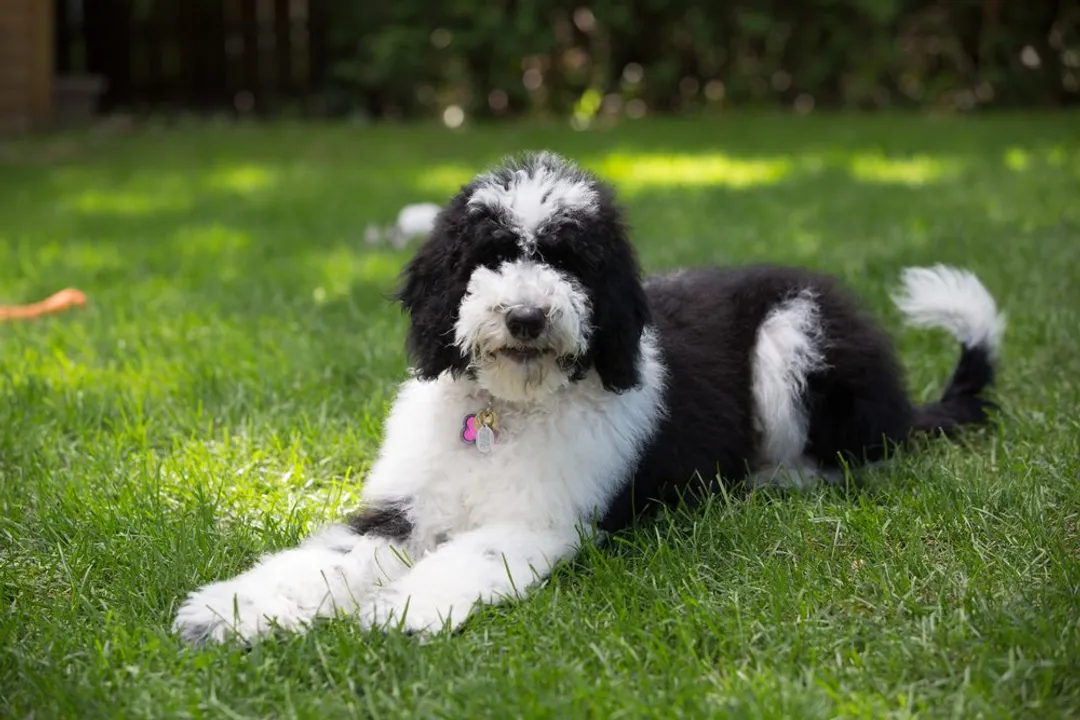
Despite their general family orientation, it is entirely common, and perhaps even statistically likely, for a Sheepadoodle to develop an especially intense, primary bond with one specific person. [2] This usually defaults to the individual who spends the most dedicated time with the dog—the person who handles the majority of the feeding, training sessions, morning walks, and evening cuddle time. [4] Think of it as an organic assignment of the primary caregiver role. That individual becomes the source of consistency, security, and the most rewarding interactions, leading the dog to focus their deepest devotion there. [2]
When this happens, you might observe behaviors that clearly delineate the "favorite." The dog may exhibit an almost shadow-like presence around that person, preferring to sit only near them, even if other family members are available. [2] This isn't a sign of malice toward others, but rather a strong preference developed through consistent, positive reinforcement rooted in proximity and routine. It’s important to recognize that this singular attachment often stems from experience rather than inherent breed destiny. [2] The dog learns who fulfills their core social and physical needs most reliably.

# Gender Differences
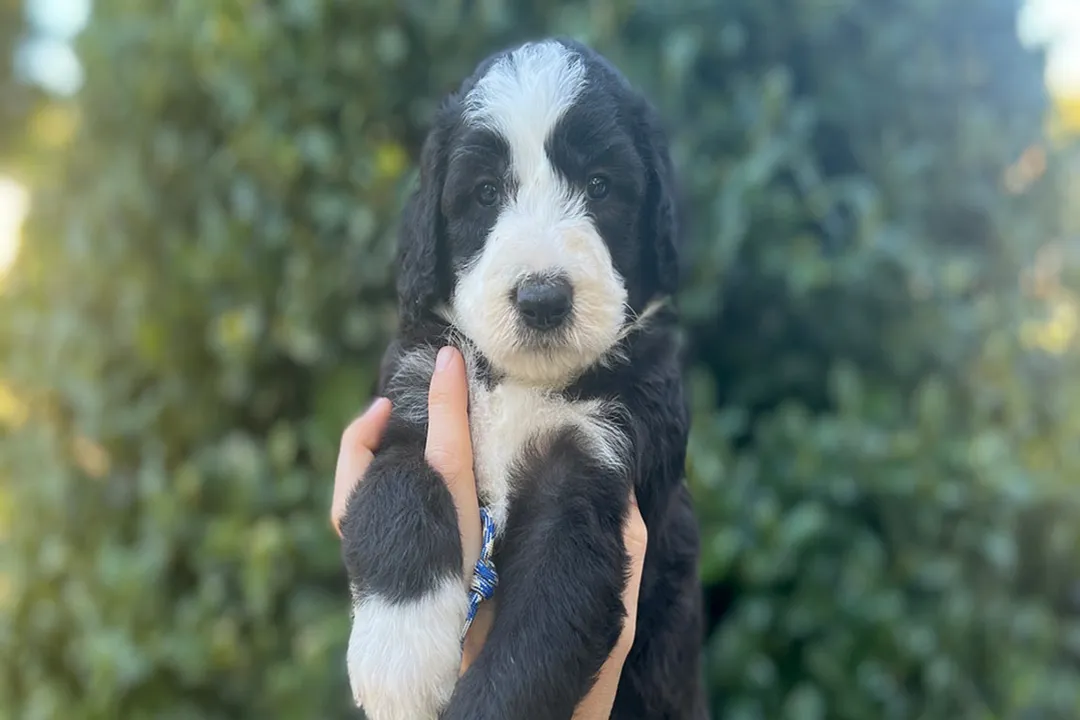
Some owner discussions suggest there might be subtle tendencies related to the dog's sex when it comes to bonding preference, although this is far from a hard rule and is heavily influenced by early environment. [1] For instance, anecdotal observations sometimes point toward male Sheepadoodles being slightly more prone to attaching strongly to one primary individual, while females might be more inclined to distribute their affection across several key family figures. [1] However, it must be stressed that these are generalizations drawn from owner reports, and individual temperament remains the most powerful predictor. [1][6] You cannot reliably select a puppy based on gender alone and expect a specific bonding outcome; socialization and training are far more influential factors.
# Early Environment Impact
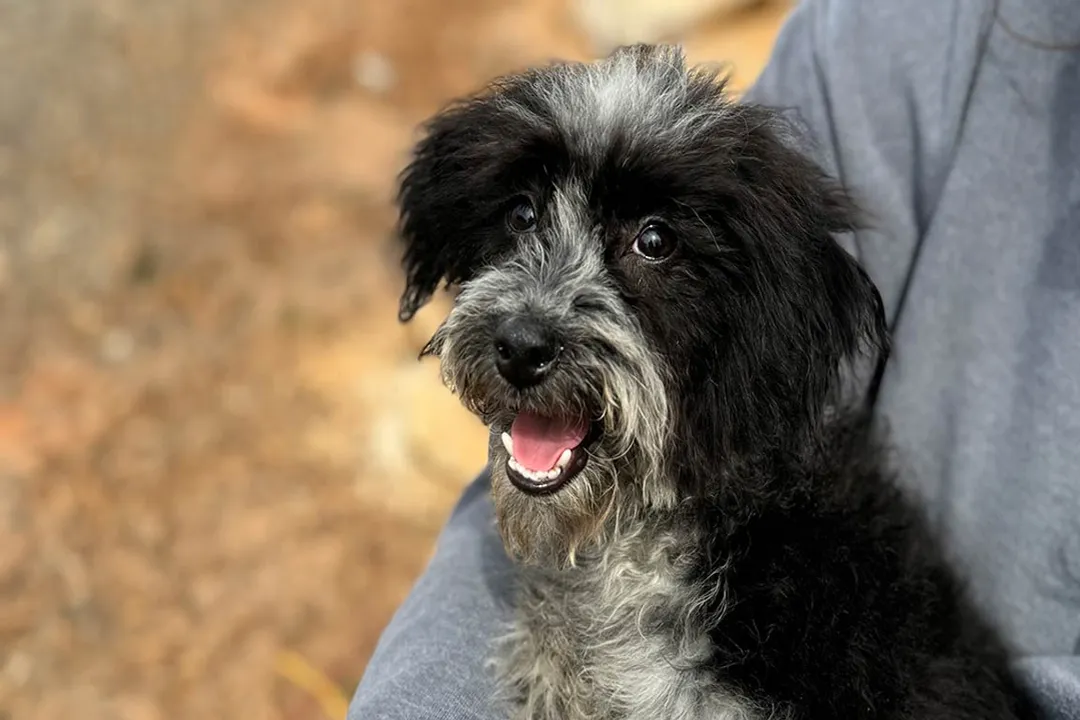
The way a Sheepadoodle is introduced to the world and its various inhabitants plays a massive part in whether they become fiercely devoted to one person or warmly attached to many. [7] A critical element often overlooked by new owners is that the socialization window is short, and intensity of early one-on-one time can inadvertently train the dog to expect exclusivity. If a puppy spends its first three months exclusively with one person while the rest of the family interacts only minimally, that initial bond becomes exceptionally strong, sometimes manifesting as mild separation anxiety when the favorite person leaves. [7]
Conversely, proactive owners can cultivate balanced attachment. If you consciously ensure that everyone in the household participates in feeding, grooming, and play sessions from day one, the dog learns that affection and resources come from multiple, positive sources. [4] This shared responsibility diffuses the intensity of the bond across the group, creating a more stable companion for the whole family.
For instance, consider implementing a simple "Three-Touch Rule" during the puppy stage: before the primary caregiver gives the dog attention, ensure that two other responsible family members have successfully engaged the dog in a positive, non-food-related interaction (a brief game of tug or a short cuddle session). This subtle action reinforces the idea that attention is a shared commodity within the household hierarchy, strengthening the dog's overall family security without diminishing the love they have for their main person.
# Recognizing Too Much Focus
When an intense, singular bond tips into an unhealthy level, you may start seeing concerning behavioral patterns emerge. [4] If the dog exhibits distress or destructive behavior only when that specific person is absent—but remains perfectly calm when other family members leave—it signals a dependency issue rooted in the singular attachment. [2] This is different from general separation anxiety, which affects the dog regardless of who is gone.
These dogs may also become protective of their favorite person’s space or items, showing mild avoidance or nervousness when others try to approach their chosen individual too closely. [4] While this is rarely aggressive in a Sheepadoodle, it creates an awkward dynamic in a busy home. Recognizing these signs early allows owners to gently intervene with training focused on broadening the dog’s sense of security to include others. [7]
# Cultivating Balanced Affection
To actively promote a healthy, multi-person bond in your Sheepadoodle, consistent actions across the household are required. It’s not enough for one person to try hard if everyone else ignores the dog. [4]
- Distributed Caretaking: Create a rotating schedule for core duties like walks, feeding, and training. Even if one person is the primary trainer, ensure all adults and capable older children take turns handing over the food bowl or initiating a short play session. [4]
- Independent Activities: Encourage periods where the dog learns to entertain itself or rest calmly without needing a person directly supervising. This teaches them that downtime is acceptable and not a precursor to abandonment, which benefits dogs prone to clinginess. [4] Providing high-value chew toys or puzzle feeders when the favorite person steps away helps redirect that focus.
- Positive Association: Have other family members occasionally initiate fun, high-value activities. If the primary caregiver always plays fetch, have another family member consistently be the one who initiates grooming or training sessions that end with a high-value treat. This builds positive predictive associations with multiple people.
The intelligence inherited from the Poodle side means Sheepadoodles are very perceptive about who is responsible for what, making the deliberate spreading of attention highly effective. [6] They are smart enough to understand that the source of positive outcomes is varied, leading to a more adaptable and less stressed dog overall. [2][7]

# Summary of Temperament Factors
The final attachment style of any given Sheepadoodle is a complex mix. While the breed standard points toward a very loving, social animal, the reality in your home will depend on several interacting variables.
| Factor | Influence on Bonding | Notes |
|---|---|---|
| Parental Lineage | General sociability/loyalty | Both parent breeds suggest high sociability. [9] |
| Early Socialization | Distribution of affection | Exposure to many people prevents singular focus. [7] |
| Primary Caregiver | Intensity of singular bond | Who feeds, trains, and spends the most focused time. [2][4] |
| Individual Genetics | Natural variation | Inherent personality differences between puppies. [6] |
Ultimately, while a Sheepadoodle can bond intensely to one person, they are genetically and temperamentally suited to be deeply loving members of a whole family. [2][9] Owners have significant influence over whether that intense devotion remains shared or narrows down to a single cherished individual through consistent management of attention and caretaking duties. [4][7]
Related Questions
#Citations
Male vs. Female Sheepadoodles? - Reddit
Sheepadoodle Temperament: What You Need to Know
Sheepadoodle Breed: Your Complete Guide - Dog Academy
The Vet's Guide to Sheepadoodles: Facts, Care, and Training Tips
How do Sheepadoodles do with a sibling dog? - Facebook
Sheepadoodle Temperament: Your Complete Guide to These Big ...
Sheepadoodle Personality Traits - Designer Doodles by Kim
Mini Sheepadoodles can make a Happy Home - Woodlot Companions
Sheepadoodle Dog Breed Health and Care - PetMD