Do American Eskimo dogs have a high prey drive?
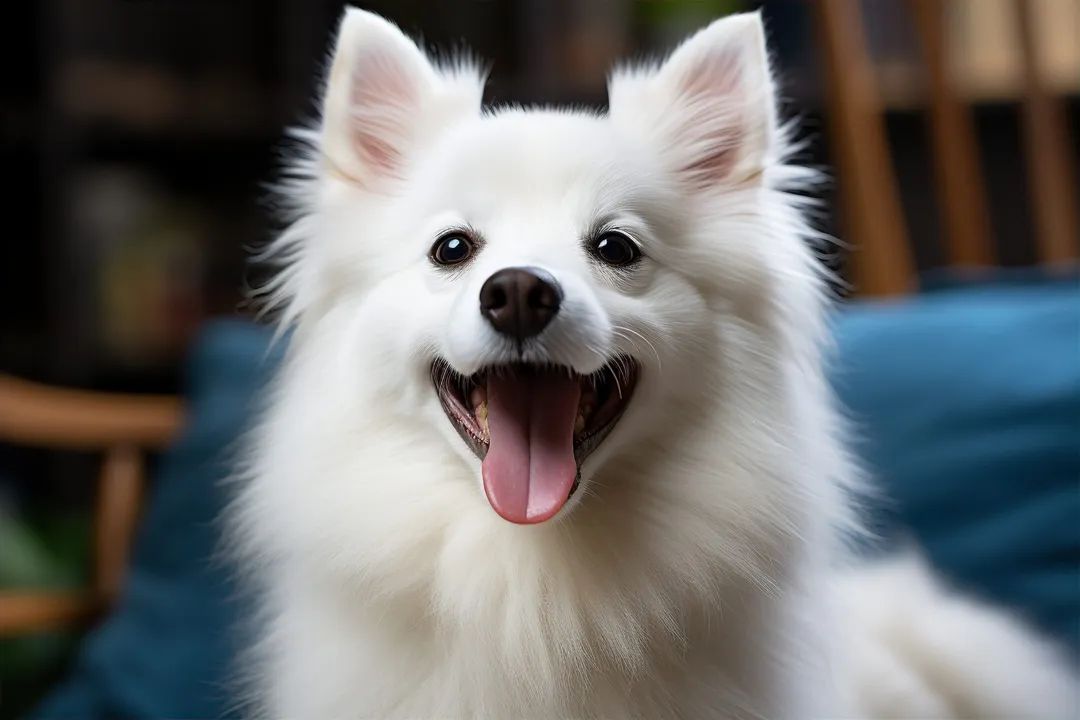
The question of whether the American Eskimo Dog, or Eskie, possesses a strong predatory inclination is met with a qualified but definite "yes" across owner experiences and breed analysis. While they are adored for their affectionate nature and intelligence, the consensus from breed descriptions and owner anecdotes suggests a noticeable, sometimes powerful, prey drive that prospective owners must acknowledge and manage. This drive stems from their ancestry as versatile Spitz-type dogs, which often included roles requiring them to manage vermin.
# Instinctual Roots
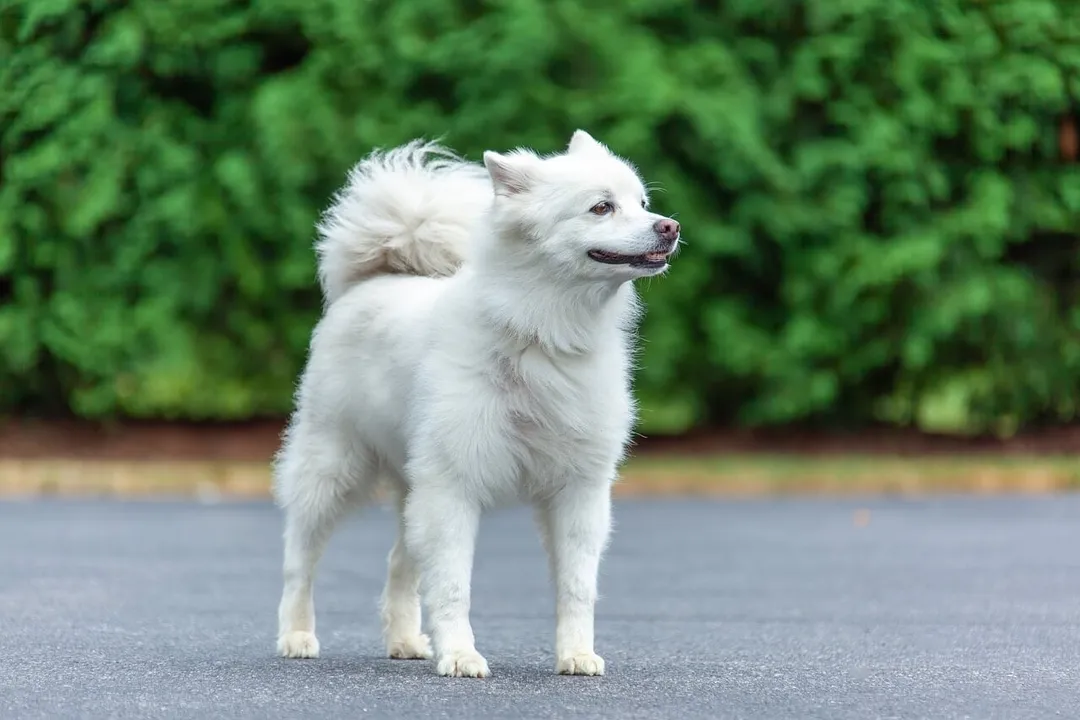
The foundation of the Eskie’s temperament is rooted in its German Spitz heritage. While some sources suggest that the original German Spitz standard explicitly states a lack of hunting drive, the American Eskimo Dog is often described as having diverged significantly, sometimes acquiring a higher hunting drive. This difference is so pronounced that one in-depth comparison suggests the Eskie is physically designed for persistent trotting, much like Nordic hunting breeds such as the Samoyed, contrasting sharply with the physique of the German Spitz, which is built more for stationary guarding and sprinting in short bursts.
It appears that the Eskie’s historical application, which included work as a circus performer—a role requiring learned restraint—was overlaid upon a natural instinct. Owners suggest that the drive is "what they were bred to do" in earlier contexts, specifically pointing to their use in hunting squirrels. This suggests a genetic potential for chasing small, quick-moving objects that requires active management to remain latent in a modern home setting.
# Manifestation in Daily Life
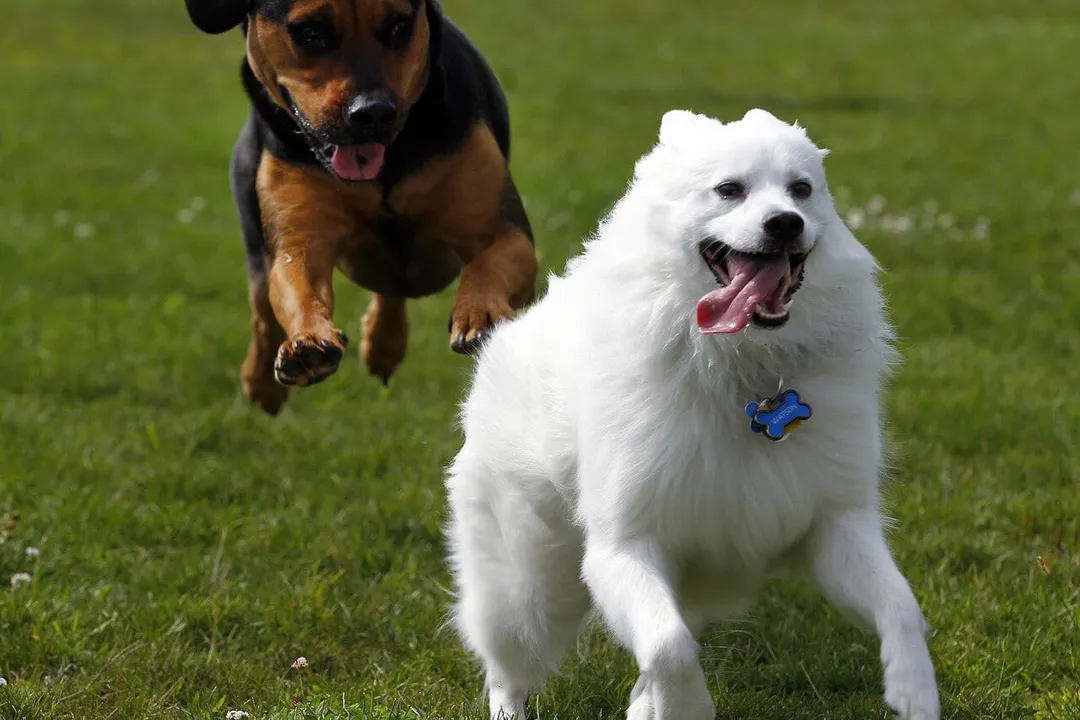
The practical reality of this drive varies dramatically from one Eskie to the next. Some owners report relatively low drive, noting their dogs are “fine with cats” or only show mild interest in small animals. For instance, one individual noted their Eskie chased their cat occasionally but never caused harm, while another stated their dog was great with a neighbor's Chihuahua. This variability highlights the significant impact of individual temperament and early introduction protocols.
However, the counter-examples are equally telling of the breed’s potential intensity. One owner with a young Eskie admitted their dog’s prey drive is "very powerful," struggling to leave the cat alone despite knowing better. Another owner reported their Standard Eskie is a true hunter, having successfully caught moles, mice, and even a bird. Furthermore, one owner who compared their Eskie to a Keeshond mix stated their Eskie was less prey-driven than the mix, indicating that while an Eskie’s drive might be present, it may not always be the most intense in the Spitz family spectrum.
| Small Animal Interaction | Owner Experience Reported | Frequency of Drive |
|---|---|---|
| Cats within the home | Good with supervision; sometimes playful chasing observed | Variable |
| Squirrels/Birds | High likelihood to chase or bolt after them | Common |
| Rabbits | Chased, but sometimes loses interest quickly | Common |
| Small rodents (mice/moles) | Actively hunted and dispatched | Present in some lines |
Owners considering the breed must prepare for the possibility of a dog that views small, scurrying creatures as something to pursue, whether it is instinctual prey drive or an outlet for their high energy levels manifesting as a game of chase.
# Energy Versus Instinct
The high energy level often associated with the American Eskimo Dog complicates the discussion of prey drive. An under-exercised, bored Eskie is more likely to resort to behavioral issues, and for this breed, chasing can be a self-prescribed outlet for pent-up energy. It is easy to mistake an Eskie simply burning off excess energy by chasing a butterfly for a dog operating purely on deep-seated predatory instinct. The physical characteristics that make the Eskie an excellent, persistent trotter—a longer back and more angled hindquarters compared to the sturdier German Spitz—suggest a dog built for sustained activity, which can easily be channeled into a high-speed pursuit of anything that catches its eye.
This channeling effect suggests that owners who meet the breed’s substantial exercise needs—often requiring more than just simple walks, perhaps involving active play or dog sports—may find their dog’s fixation on small, fleeting objects less intense than owners whose dogs are under-stimulated. When the physical need for movement is met, the dog may be more content to observe, rather than pursue, wildlife.
# Management and Integration
Given the documented potential for a high prey drive, the key takeaway for Eskie custodians with small pets centers on socialization timing and consistent, monitored exposure. While general breed advice states that introduction to small pets should be gradual and controlled, anecdotal evidence provides a more nuanced view. One owner with a rabbit noted that monitored interactions when the Eskie was younger, where the dog initiated "play" (which the rabbit ignored), eventually led to the dog becoming more respectful of the rabbit’s space. This required dedicated management and time, indicating that success is possible, but not guaranteed, and it hinges on the owner’s commitment to structured, supervised introductions rather than assuming the dog will simply adapt on its own accord.
If you are bringing a new Eskie puppy into a home with an established smaller animal, it is often recommended to have the small animal already present and settled, as the puppy is generally more malleable regarding interspecies relationships than an older dog might be. Conversely, introducing a new small pet to an adult Eskie with a known high drive requires extreme caution and strict control, perhaps utilizing crates or pens during all initial encounters. This contrasts with the German Spitz, which is described as having "no interest in hunting" and thus potentially posing fewer risks to small livestock or caged pets. For the Eskie, the potential to hunt is there, which necessitates a strategy focused on building respect for the smaller creature rather than relying on its absence of drive.
The decision to own an American Eskimo Dog means accepting a dog that is keenly intelligent, highly energetic, and, in many cases, possessive of a chase instinct that occasionally erupts into outright hunting behavior. Their history has molded them into athletic, engaging companions, but that athleticism carries an inherent drive that demands respect. A well-socialized, properly exercised Eskie may coexist peacefully with cats or smaller dogs, but their lineage, which includes vermin control and the athletic build of a persistent trotter, confirms that the prey drive is an established trait within the breed that must be proactively managed by every owner.
Related Questions
#Citations
Considering this breed as our next pet, a few questions - Reddit
American Eskimo: Your Complete Guide - Dog Academy
American Eskimo Dog Guide: Traits, Care & Training Tips
American Eskimo (Eskie): Dog Breed Characteristics & Care
American Eskimo Dog - BackYard Chickens
German Spitz or American Eskimo Dog? - Preußenspitz