Are Japanese macaques intelligent?
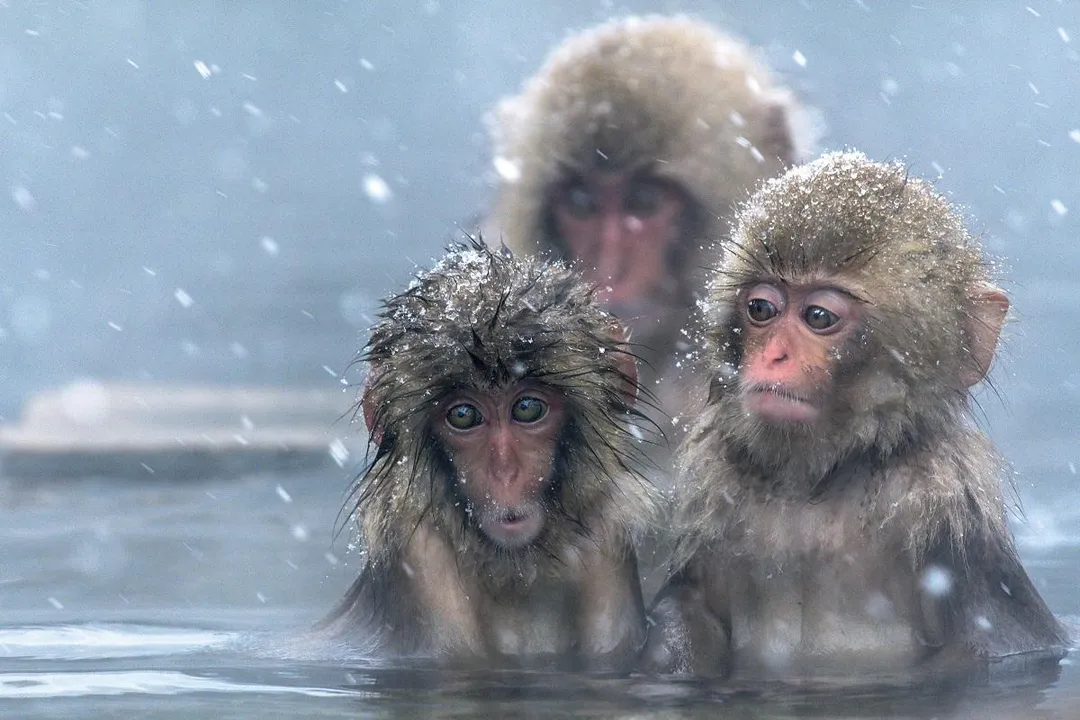
The Japanese macaque, perhaps most famously known by the affectionate nickname "snow monkey" due to its ability to thrive in surprisingly cold climates, presents a fascinating case study for anyone interested in primate cognition. [2] Observing these creatures navigating snowy landscapes or relaxing in volcanic hot springs immediately suggests a high degree of environmental mastery. However, their intelligence extends far beyond mere physical adaptation to extreme weather; it is embedded in their social lives, their methods of problem-solving, and even the physical structures within their vocal cords. [1][9] The real measure of their mental acuity lies not just in surviving the harsh winters of Honshu, but in the traditions they pass down through generations.
# Cultural Transmission
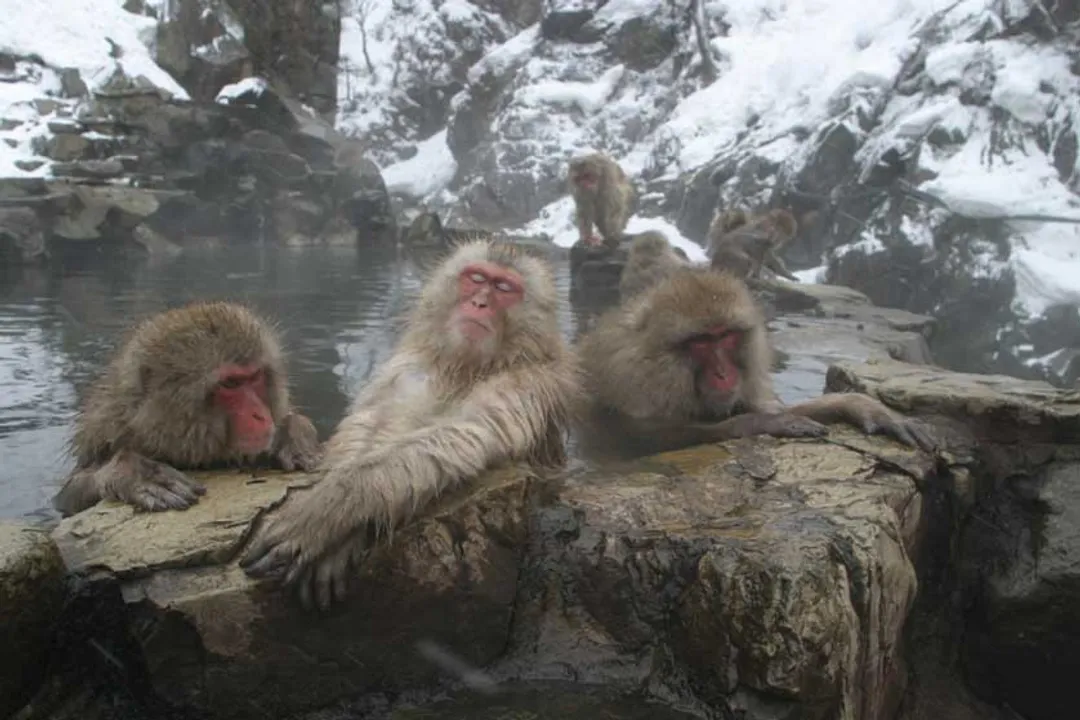
One of the most compelling arguments for the advanced intelligence of Macaca fuscata is their capacity for cultural learning and innovation. Unlike many species whose behaviors are largely instinctual, macaques actively learn from each other, developing group-specific traditions that can persist for years, sometimes even decades. [1][9] This social learning demands significant cognitive resources, including attention, memory, and the ability to recognize successful behaviors demonstrated by others.
The most celebrated example of this cultural ingenuity centers around food preparation. In the wild, groups of Japanese macaques have been observed developing unique methods for making their food more palatable or accessible. [1] The most well-documented instance involves the practice of washing sweet potatoes. When these tubers were introduced to certain troops, young individuals, particularly females, began taking the potatoes to nearby water sources—rivers or the sea—to clean off the clinging dirt before consumption. [1][9] This behavior, once initiated, spread throughout the troop, suggesting that the younger generation learned the utility and benefit of this novel technique from observing their peers or elders. [1]
This is not merely imitation; it shows an understanding of cause and effect—that the effort of washing leads to a superior outcome (cleaner food). Furthermore, in coastal areas, some macaques have developed the skill of picking up stones to use as tools for cracking shellfish or nuts. [8] This active selection and application of an external object to achieve a goal is a hallmark of intelligence that separates apes and some monkeys from many other mammals. It implies planning: I have this hard object, I need to break this shell, I will use the hard object on the shell. These traditions illustrate that macaque intelligence is inherently social; knowledge is a communal resource that must be acquired, validated, and maintained through social interaction. [1]
If one considers the energy expenditure required to learn a new, non-instinctual behavior like washing food, it becomes clear that the payoff must be perceived as significant. For an entire group to adopt this behavior, the social pressure or the tangible benefit must outweigh the cost of deviation from established norms—a complex social calculation indicative of a developed mind. [1]
# Tool Use
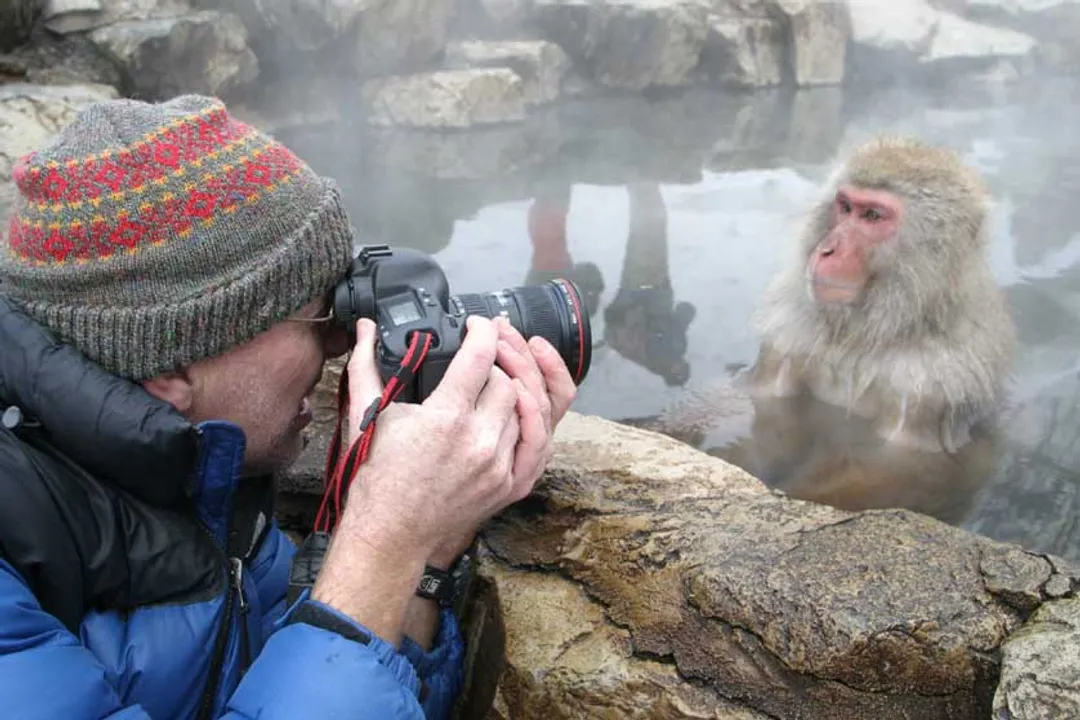
The ability to manipulate the environment actively is a clear external sign of cognitive processing. While tool use in primates is often discussed in the context of African apes, the Japanese macaque also demonstrates this capability, albeit often in simpler, yet equally significant ways. [8] The stone-pounding technique used by some troops to process hard-shelled food items serves as a direct example of object manipulation for mechanical advantage. [8]
This behavior, like the sweet potato washing, is not universal across all Japanese macaque populations. It appears in specific geographical locations where the necessary raw materials—suitable stones and appropriate food sources—coexist. [8] This environmental contingency further underscores the learned nature of the skill; the intelligence displayed is the potential to learn the tool use, which is then activated by local ecological pressures. In essence, their intelligence is adaptable—it molds itself to the immediate challenges presented by their specific habitat, whether that challenge is cold weather requiring soaking in thermal springs or hard nuts requiring percussion. [2][8]
# Vocal Potential
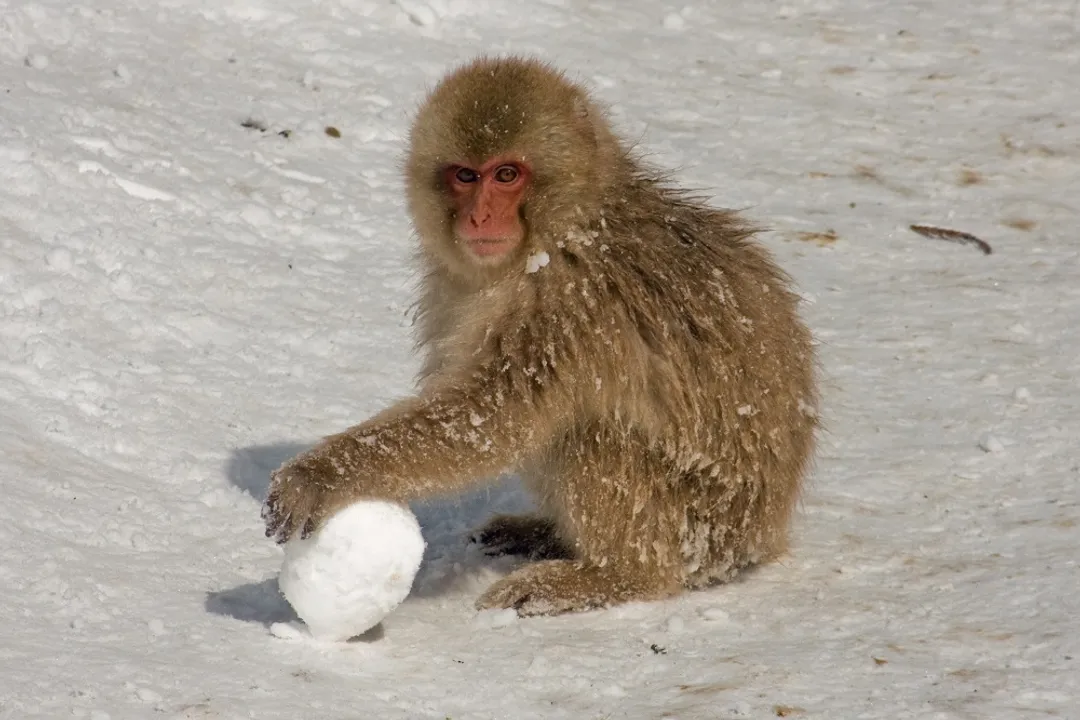
A particularly compelling, and perhaps surprising, area of study regarding macaque cognition involves their vocal capabilities. While their vocal repertoire in the wild consists of distinct calls related to alarm, mating, and social status, recent scientific investigations have looked deeper into the physical mechanisms of sound production. [3] Research has demonstrated that macaques, including the Japanese macaque (Macaca fuscata), possess the necessary vocal anatomy to produce the range of sounds required for human speech. [3][6]
Specifically, studies focusing on the configuration of the larynx and the associated neural control mechanisms suggest that the physical hardware for complex vocalizations is present. [3] This discovery shifts the conversation away from can they physically make the sounds? to why don't they use them? The constraints on their actual communication are likely rooted in their central nervous system and social/cultural programming, rather than physical limitations. [6] This distinction is crucial: they have the potential for a much wider range of vocal expression than they currently manifest. This fact alone invites reflection on the nature of intelligence—is a capability unrealized still a measure of intelligence, or is intelligence defined only by what is actively expressed and utilized within a species' social context?. [3][6] It suggests a significant neurological capacity that is currently channeled into other cognitive domains, like complex social maneuvering or cultural teaching.
If we were to map this vocal finding onto a comparative matrix, it would suggest that the evolutionary bottleneck for human-like speech was likely not the physical structure of the voice box, but the neural pathways necessary to control it with the precision required for phonemes. [3] The macaque provides a model where the machinery is present but the software (the behavioral repertoire) is running a different program focused on social dynamics. [8]
# Social Complexity
Underpinning all these behaviors—cultural learning, tool use, and even the control over vocal structures—is a highly intricate social life. Japanese macaques live in well-defined, multi-tiered social hierarchies that require constant maintenance and negotiation. [8] Understanding one's rank, the rank of others, and the subtle cues for deference or aggression is a full-time cognitive job.
The dynamics within a troop involve alliances, dominance displays, grooming rituals that reinforce bonds, and the resolution of conflicts. [8] Successfully navigating this complex web demands an advanced form of social intelligence, often referred to as Machiavellian intelligence in other primates. They need to remember past interactions, anticipate future reactions from various individuals, and adjust their behavior accordingly. [8] For instance, a subordinate might wait for a dominant individual to leave a feeding spot before approaching, not because of immediate threat, but because of a remembered history of conflict over that space.
Considering the cultural learning alongside this social complexity offers a valuable comparative point. In human societies, a major function of culture is to reduce the cognitive load of constant social assessment by providing shared norms. In a macaque troop, one must simultaneously manage the complex social hierarchy and learn the group-specific, non-instinctual behaviors like sweet potato washing. [1][9] This dual demand—mastering the social map and mastering the local cultural innovations—suggests that the cognitive capacity required of an individual Japanese macaque is substantial and multifaceted. They are simultaneously cultural students and social diplomats.
# Adaptation Beyond Instinct
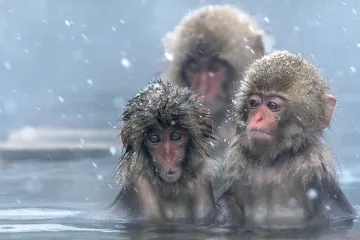
The physical prowess of the Japanese macaque, particularly their cold tolerance, is astonishing for a primate. [10] Their ability to thrive in areas experiencing heavy snowfall for months, often immersing themselves in geothermal hot springs to maintain core temperature, speaks to an intelligence manifested through behavioral adaptation. [2][10] This is not merely physiological adaptation (like their thick fur [10]); it is the learned behavior of seeking out and utilizing the hot springs as a communal survival strategy during the harshest times of the year. [2] This learned exploitation of geological features for thermoregulation showcases an intelligence deeply intertwined with environmental awareness and cooperative living.
When assessing the intelligence of Macaca fuscata, it becomes evident that a single metric is insufficient. They may not build complex shelters or use fire, but they exhibit key components of higher cognition: innovation, teaching, social complexity, and the physical machinery for sophisticated communication. [1][3][8] Their intelligence is best characterized as culturally informed survivalism, where learned traditions enhance innate physical adaptations, allowing them to occupy an ecological niche few other non-human primates can sustain.
#Videos
Japanese Macaques Likely Keep Their Aging Minds Active w
Related Questions
#Citations
Japanese macaque - Wikipedia
Japanese Macaque Monkeys: The Fascinating Snow Monkeys of ...
Exploring the Cognitive Capacities of Japanese Macaques in a ...
Intelligent Japanese macaques adapt to snowy environments
Japanese Macaques Likely Keep Their Aging Minds Active w
TIL macaques possess the right vocal anatomy to perform human ...
How intelligent were Rhesus macaque monkeys? - Quora
Japanese macaque, Macaca fuscata
The Japanese macaque – a lively climber with a lively mind