Is a Poochon considered a doodle?
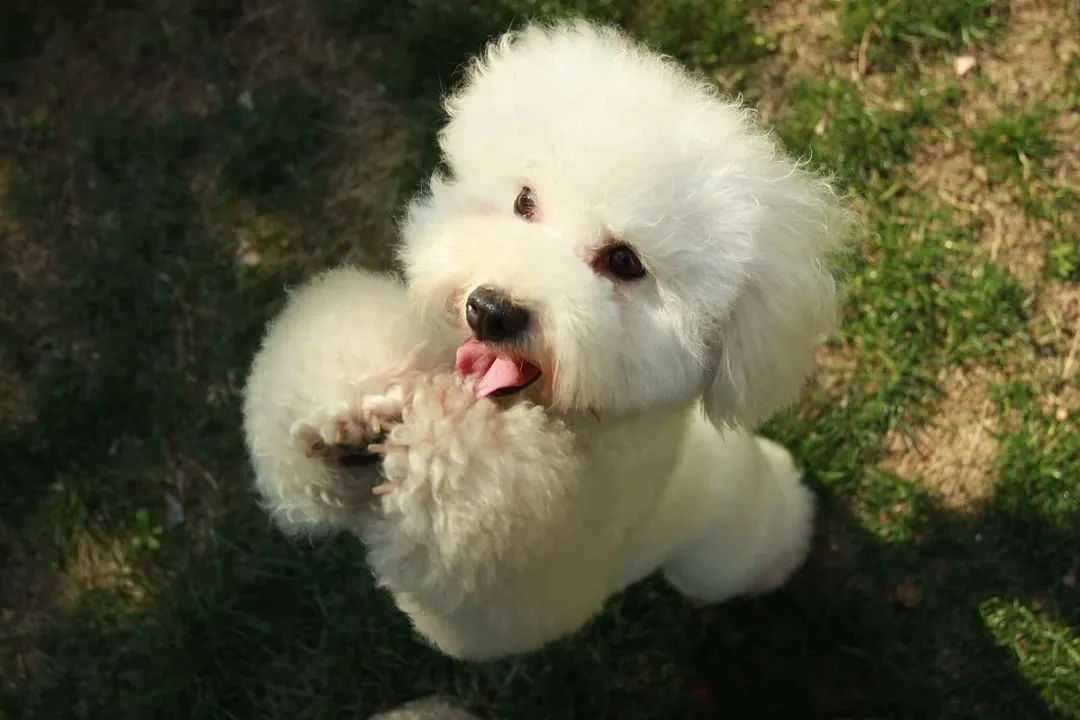
The Poochon, a charming crossbreed combining the Bichon Frise and the Poodle, often invites questions regarding its place in the canine nomenclature landscape, particularly when stacked against more widely recognized crosses. Simply put, if the term "Doodle" is used broadly to describe any dog that boasts Poodle lineage, then yes, the Poochon fits squarely within that umbrella classification. [8] However, understanding why it is grouped this way, and whether that grouping truly serves to describe its unique characteristics, requires a deeper look at both parent breeds and the popularization of hybrid naming conventions.
# Parent Breeds
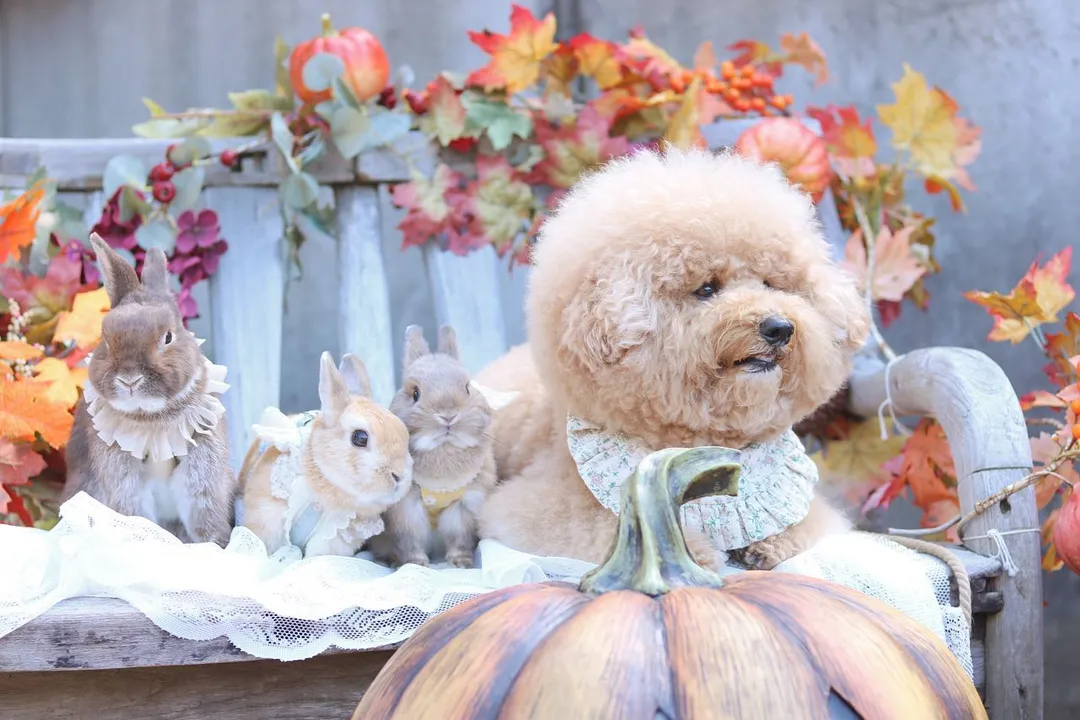
The Poochon results from mixing the delightful Bichon Frise with a Poodle, typically a Toy or Miniature variety. [1][2] This pairing is intentionally selected to create a small, affectionate companion dog with lower shedding tendencies than some other breeds. [4] The Poodle contributes intelligence and a high level of trainability, alongside their famous curly coat. [1] Meanwhile, the Bichon Frise is known for its cheerful disposition, charming nature, and fluffy white coat. [1][4] The goal of the breeder is often to blend the best aspects of these two popular breeds into a compact, allergy-friendly pet. [2]
# Defining Doodles
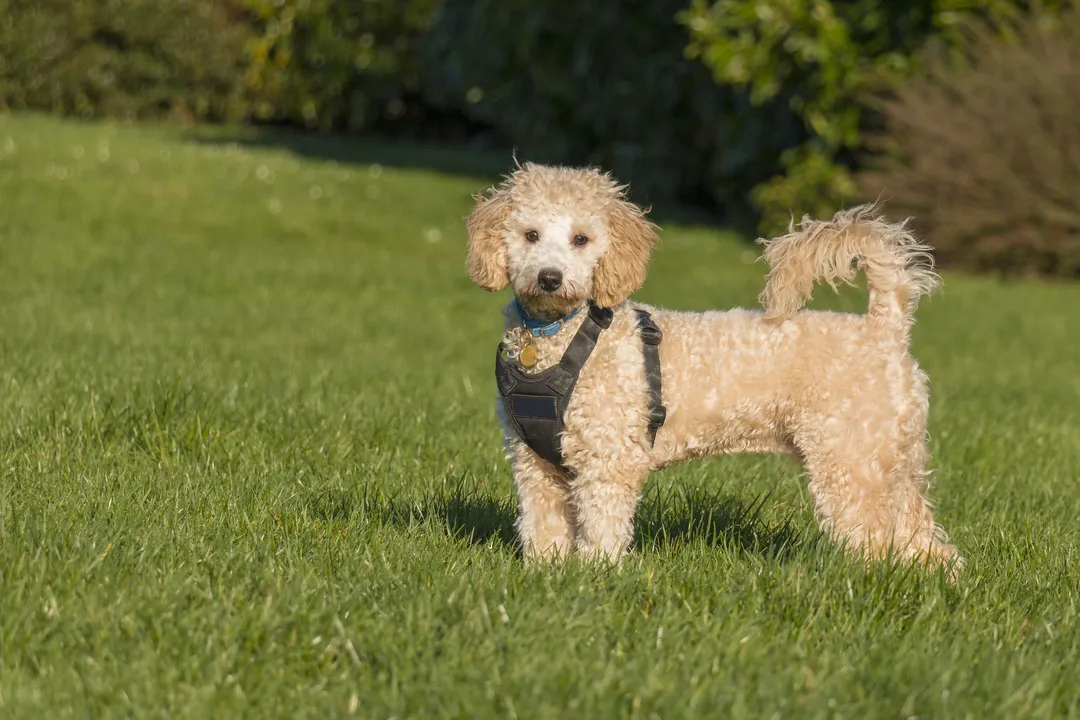
The label "Doodle" has become a popular, informal shorthand for describing any dog that has a Poodle as one of its parents. [5][8] This categorization isn't tied to a specific registry or standard; rather, it's a marketing term that took hold with the rise of the Goldendoodle and Labradoodle. [6][8] These larger crosses brought massive attention to the benefits of mixing Poodles with other breeds, primarily the desirable low-shedding coat and intelligence boost. [5] Because the Poochon involves a Poodle parent, it inherently falls into the broader structural definition of a Doodle, even though its size and heritage set it apart from the larger, more famous iterations. [8] One might observe conversations among dog enthusiasts, such as discussions differentiating a purebred Poodle from a Doodle, which confirms the recognition of "Doodle" as a category for Poodle mixes. [5]
# Size and Temperament
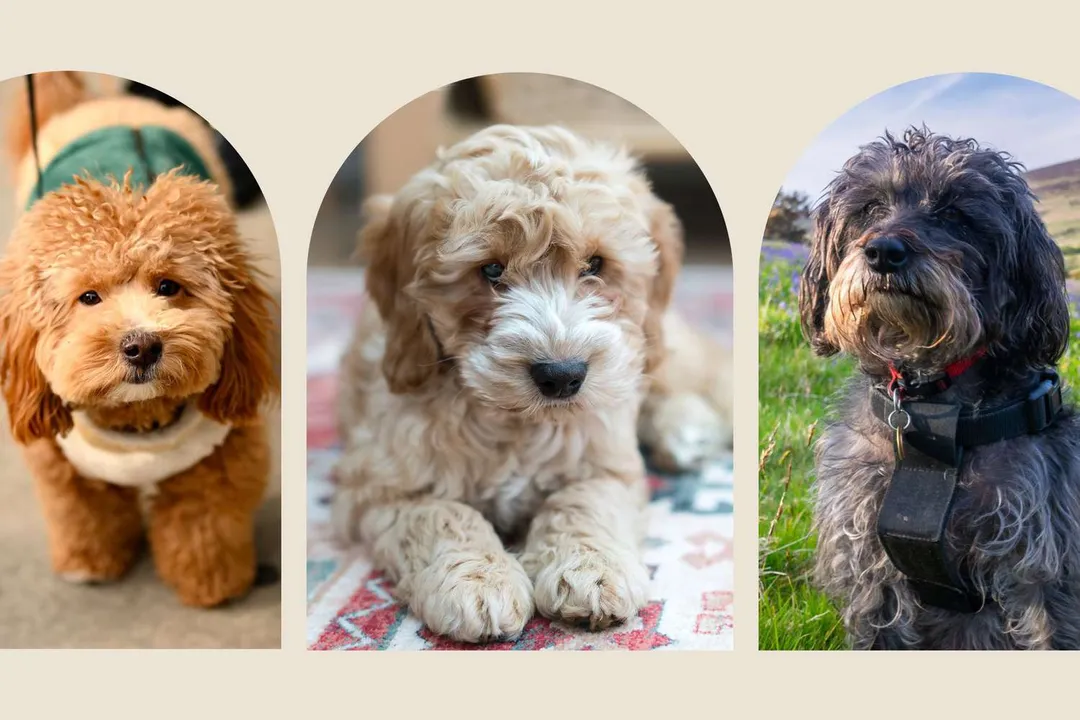
Poochons are consistently described as small dogs, usually remaining under 15 pounds and standing no taller than about 15 inches, a direct consequence of using the smaller Poodle varieties. [1][4] This compact size makes them excellent apartment dogs or companions for individuals who prefer a smaller canine friend. [1]
In terms of personality, they tend to inherit the playful and affectionate nature of both parents. [1] They often bond very closely with their families and thrive on interaction, which means they are not typically suited for long periods of isolation. [4] While they carry the intelligence often associated with the Poodle side, which can make them quick learners, they also possess the Bichon's eagerness to please, often resulting in a dog that is relatively easy to train with positive reinforcement. [4]
# Coat and Care Demands
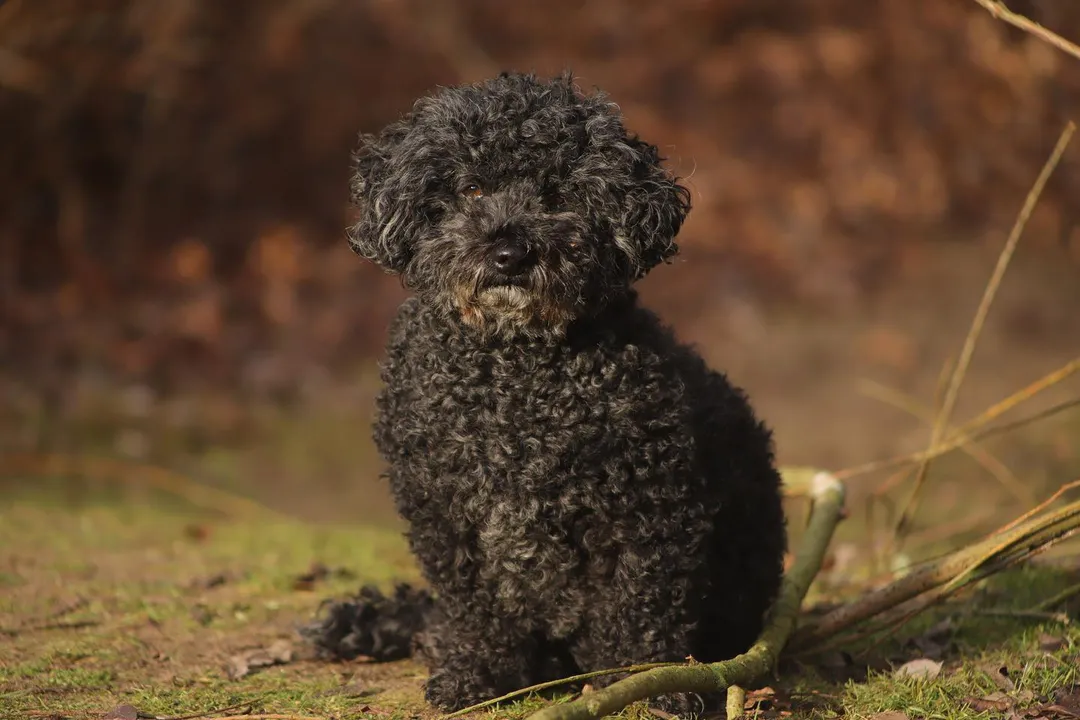
The coat of a Poochon is perhaps the most variable and significant element prospective owners need to consider. Since they are a first-generation cross (F1), the exact texture is hard to predict with absolute certainty, sitting somewhere on a spectrum between the Poodle’s tight curl and the Bichon’s fluffier, curlier texture. [1][4] Most often, they possess a soft, wavy, or curly coat that sheds minimally. [1][4]
This low-shedding quality is a major draw, but it comes with a significant grooming commitment. It is a common oversight for new owners to assume "low-shedding" means "low-maintenance". [1] In reality, dogs with hair that grows continuously rather than shedding out need regular, professional grooming—often every four to eight weeks—to prevent painful matting. [4] Furthermore, daily or near-daily brushing is necessary at home to manage the coat between professional appointments. [4] If you are considering a Poochon, realizing that the cost and time associated with coat maintenance can rival or exceed that of owning a purebred Poodle is a crucial point of financial and time planning.
# Naming Logic Versus Market Perception
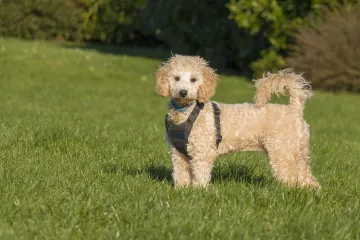
It is interesting to observe how designer dog names evolve within the market. While the Poochon is structurally a Doodle because it is a Poodle mix, it rarely carries the same cultural weight or expectation as a Goldendoodle or a Bernedoodle. [6] This disparity highlights that, for the general public, "Doodle" often implies a dog of medium-to-large size, bred from a standard or miniature Poodle mixed with a larger sporting or working breed. [6] The Poochon, being a combination of two generally small companion breeds, occupies a different niche. This means that while a breeder might accurately classify a Poochon as a Doodle based on genetics, buyers seeking a "Doodle" are often subconsciously searching for the larger, fluffier companion dog associated with the mainstream hype. [6]
To better manage expectations regarding coat management, one useful way to anticipate your puppy's needs is to look at the generation of the cross, though this is less standardized for Poochons than for larger doodles. An F1 Poochon (one pure Bichon, one pure Poodle) has a 50/50 chance of inheriting the dominant coat traits. However, as breeders move into F1b or F2 generations, the predictability shifts; an F1b (back-crossed to a Poodle) will almost certainly lean toward a curlier, lower-shedding coat, demanding more intensive grooming than a dog that inherited more of the Bichon's fluffier texture.
# Health Considerations
As is common with hybrid or "designer" dogs, the hope is that they benefit from hybrid vigor, meaning they might avoid some of the specific hereditary issues present in their parent lines. [2] However, because the Poochon inherits traits from both the Bichon Frise and the Poodle, prospective owners must be aware of the potential health concerns common to both breeds. [2] For instance, Poodles can be prone to issues like hip dysplasia and certain eye conditions. [2] Bichons have predispositions to luxating patellas and bladder stones. [2] A responsible breeder will conduct health testing on the parent stock—Poodle and Bichon alike—to minimize the risk of passing these conditions onto the puppies. [2] When researching breeders, asking for proof of health clearances for both parent breeds is a necessary step in responsible acquisition.
# Daily Engagement
The Poochon, being intelligent and people-oriented, needs more than just a comfortable lap and a full food bowl to thrive. They require mental stimulation to prevent boredom, which can manifest as nuisance behaviors like excessive barking or chewing. [4] Activities that engage their Poodle intelligence—such as puzzle toys, learning new tricks, or participating in low-impact dog sports like agility—are highly beneficial. [4] They are generally sturdy enough for gentle play sessions, but due to their small stature, owners must always be mindful of their physical fragility, especially around very young children or larger, boisterous dogs. [4]
A key consideration for owners of these small, active mixes is the level of socialization they receive early on. Because they are small and easily carried, some owners inadvertently limit their exposure to new sights, sounds, and safe dog interactions, believing their size makes them less vulnerable. [1] Providing consistent, positive socialization during the critical puppy window helps ensure the Poochon grows into a well-adjusted adult that remains confident outside of its primary home environment.
Related Questions
#Citations
10 Surprising Facts About the Adorable Poochon
Poochon | Temperament, Lifespan & History
Poochon: Your Complete Guide
Poochon Care: Traits, Grooming, and Health Guide
Poodle or Doodle? : r/DoggyDNA
Not a golden doodle owner, has a poochon
Can You Tell The Difference Between a Poochon ...
A Guide to Poodle Mixes and Doodle Dogs - Martha Stewart