What is a Berger Blanc Suisse?
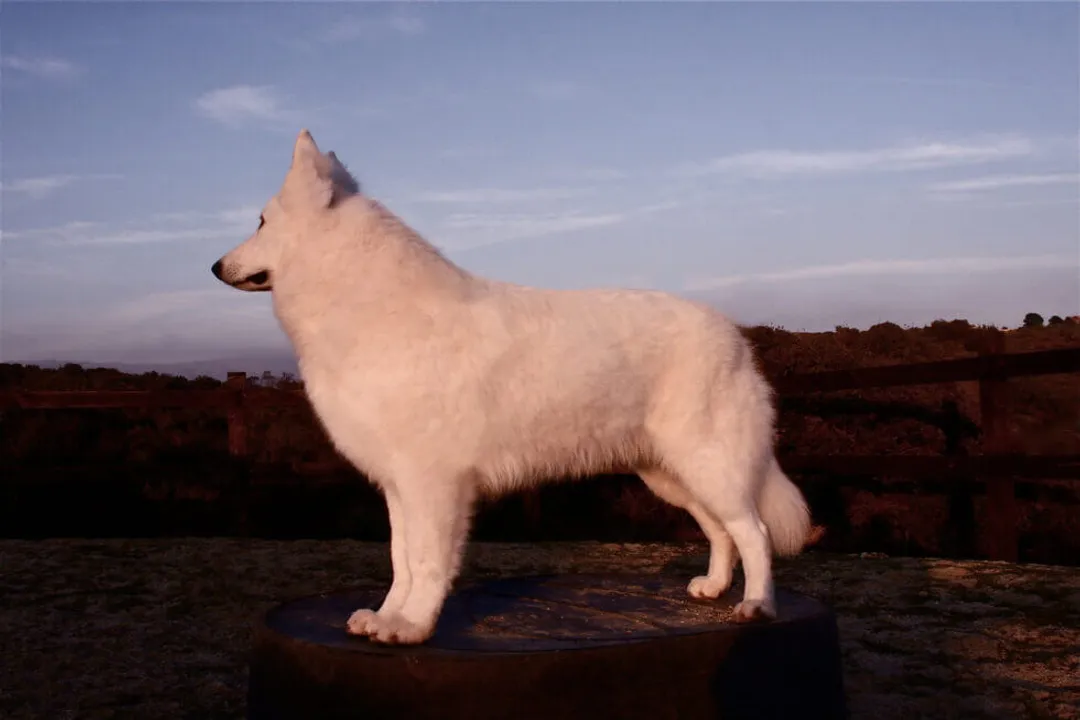
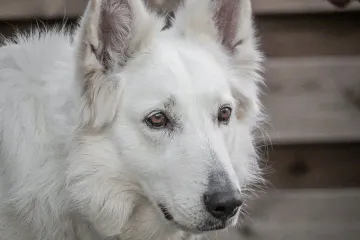
The Berger Blanc Suisse, often called the White Swiss Shepherd Dog, is a striking canine whose elegant, all-white coat draws immediate attention. Yet, this breed is far more than just its arresting appearance; it represents a lineage intentionally separated and developed into a distinct entity within the shepherd world. [5][4] While sharing ancestry with the German Shepherd, the BBS boasts its own set of internationally recognized standards focusing on both physical structure and a specific temperament profile. [1]
# Origin Story

The story of the Berger Blanc Suisse is intrinsically linked to the German Shepherd Dog (GSD). Originally, white-coated GSDs existed, and for a time, they were favored because their color made them easier to distinguish from wolves during nighttime herding duties. [8] However, white coloration fell out of favor with the German GSD breed clubs, leading to white dogs being barred from registration and showing around the 1930s. [8][3]
Despite this exclusion in their ancestral homeland, white-coated shepherds continued to be bred in North America, eventually leading to their recognition as a separate entity, the White Shepherd. [3][1] The crucial step toward establishing the Berger Blanc Suisse occurred when these North American dogs were imported into Switzerland starting in the early 1970s. [1][4] The American male dog named Lobo, born on March 5, 1966, is often cited as the progenitor of the breed in Switzerland. [1][5][3] Descendants of Lobo and other imported white shepherds were registered with the Swiss Stud Book (LOS). [1] By June 1991, the breed was established enough to be registered as a new breed in the appendix of the Swiss Stud Book. [1][5] The Fédération Cynologique Internationale (FCI) provisionally recognized the breed in 2002 and granted full, definitive acceptance in 2011. [1][3] This formal recognition cemented the Berger Blanc Suisse as an independent breed, distinct from the White Shepherd recognized by the UKC or the white-coated GSDs still bred elsewhere. [2]
# Conformation Details
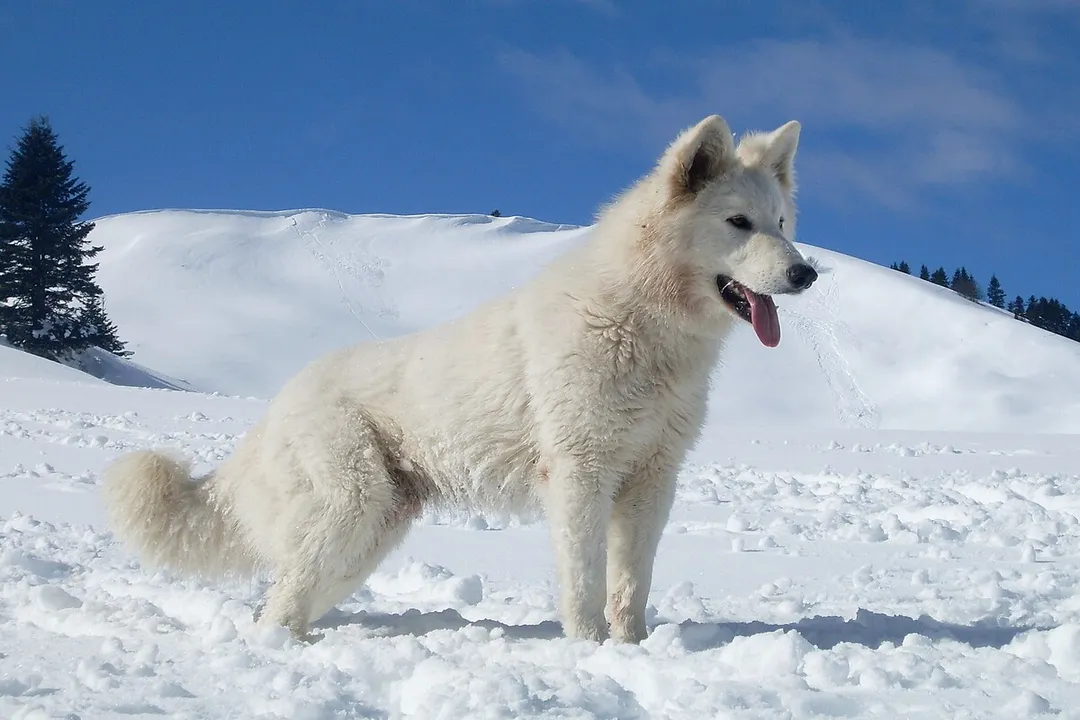
According to the FCI standard, the Berger Blanc Suisse is a powerful, well-muscled, medium-sized dog with an elegant, harmonious outline. [1][5] They are described as having an elongated shape, meaning they are moderately longer than they are tall; the specified proportion for body length to height at the withers is 12:10. [1]
# Key Physical Traits
The breed must have erect, high-set, triangular ears that point forward. [1][3] Their head is wedge-shaped and finely chiseled, with almond-shaped eyes that range from brown to dark brown, preferably framed by black eye-rims. [1] A critical feature emphasized in the standard is dark pigmentation, specifically a black nose. [1][2]
The structure is intended to convey soundness and working capability. Unlike some modern herding lines where back slope is exaggerated, the BBS standard calls for a level topline. [3] Furthermore, the hindquarters should exhibit adequate angulation, but the overall stance is meant to be more upright compared to the more severely angled rear seen in some German Shepherd standards. [2]
# Coat Varieties
The BBS presents with a pure white coat that is always double-layered. [1][3] There are two acceptable variations in length:
- Medium Length Coat: Dense and close-lying, with an abundant undercoat protected by hard, straight topcoat hairs. Shorter hair is found on the face and front of the legs. [1]
- Long Coat: Also dense and double-layered, but this variety features longer hair forming a distinct mane around the neck and "trousers" on the back of the legs. [1][4] The standard strictly cautions that coat length should never be exaggerated. [1]
While the pure white color is mandatory, slight overlays of fawn or light yellow on ear tips, back, or tail are noted as faults, not disqualifications, though distinct fawn coloring is a severe fault. [1] When considering coat maintenance, the density and double layer mean shedding is a factor. Owners should be prepared for moderate year-round shedding, with significant blowouts during seasonal changes, which necessitates more frequent brushing. [7] For owners living in areas with heavy snow, the insulating quality of the dense undercoat is a benefit, but one must be vigilant during warmer months to ensure the dog doesn't overheat during strenuous activity, as this thick insulation traps heat effectively.
# Temperament Defining Traits
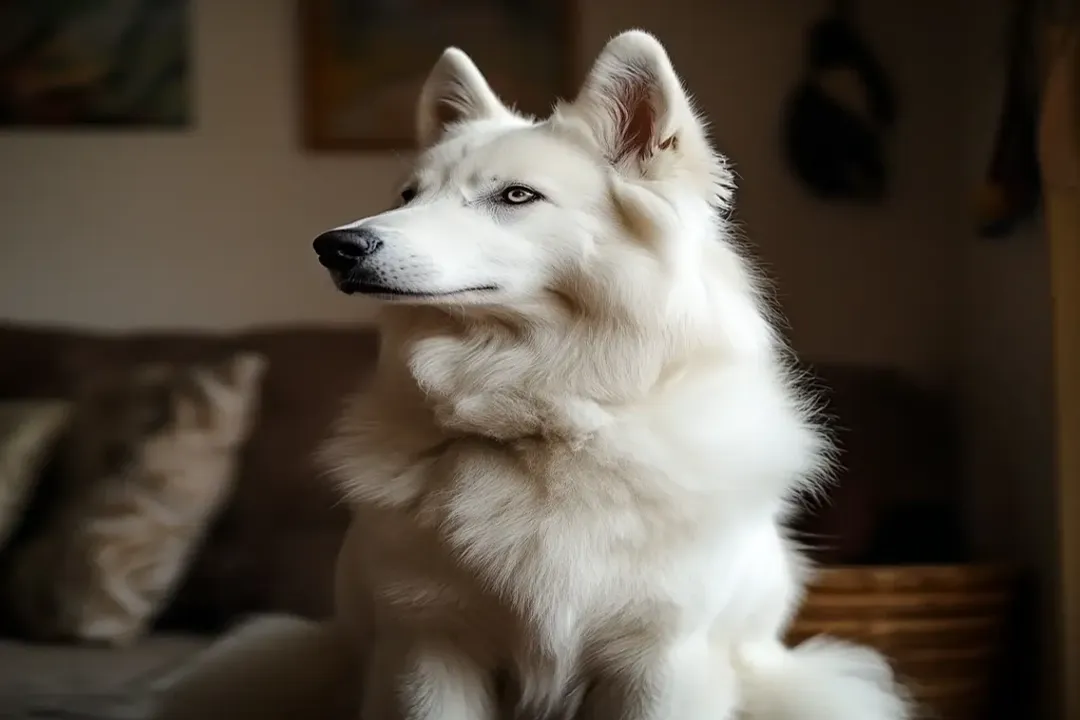
Temperament is a significant point of divergence for the Berger Blanc Suisse. [2] The FCI standard describes them as having a lively and balanced temperament, attentive, friendly, and discreet, with a high degree of social competence and devotion to their owner. [1] They are expected to be joyful, easy to teach, and capable of all-around education. [1] Crucially, the breed standard dictates they should never be aggressive or fearful without provocation. [1]
This breed excels as a companion and family dog. [1][4] They bond deeply with their families and are known to be gentle and patient with children. [4] However, like many large, active breeds, their exuberance means supervision is necessary around very small children due to their size. [8] They generally integrate well with other pets provided they are properly introduced. [4]
They possess the intelligence and desire to please inherent in shepherd breeds, making them responsive to training, especially when positive reinforcement is used. [7][4] Yet, they are often described as being more mellow, gentle, and easy-going than their GSD relatives. [2][7] While they have a natural protective instinct and will alert to changes in their environment, they are less stereotypically leaned toward police or guard work compared to some other shepherd lines. [2][5] Their intuitive nature makes them well-suited for roles like service and therapy work. [2][5][4] One helpful aspect of their high social competence is their adaptability; however, owners must recognize that this adaptability is driven by a need to be included. If this need is consistently unmet, the dog may become stressed or bored, leading to self-employed activities like excessive chewing or barking.
# Breed Differentiation
The confusion between the Berger Blanc Suisse, the White German Shepherd (WGS), and the general White Shepherd (WS) is common, largely stemming from their shared white ancestry. [2] The key differences lie in official recognition, desired physical structure, and temperament emphasis. [2]
| Feature | Berger Blanc Suisse (BBS) | White German Shepherd (WGS) | White Shepherd (WS) |
|---|---|---|---|
| Primary Recognition | FCI (Recognized as distinct breed) [2] | AKC (White color is disqualified for GSD show lines) [2][8] | UKC (Recognized as a separate breed) [2][3] |
| Temperament Focus | Mellow, gentle; suited for therapy/service work [2] | Strong prey drive, "fearless and direct"; often aligned with police/guard potential [2] | Varies depending on the specific breeder’s goals [2] |
| Angulation | Standard calls for a more upright stance [2] | Tends to follow GSD standard for a more severe angulation [2] | Stance often falls between the two extremes [2] |
| Pigmentation | Standard calls for dark pigmentation (black nose) [2] | No specific standard for pigmentation (can have pink nose) [2] | Varies |
In essence, while the BBS originated from white GSDs imported to Switzerland, the Swiss breeders purposefully steered the lineage away from the often more extreme angulation and the intense working drive associated with modern GSD show lines, prioritizing a balanced companion capable of integrating widely into social settings. [2][7]
# Lifestyle Needs
The Berger Blanc Suisse is an energetic and athletic breed that requires dedicated engagement from its owners. [7][4] They thrive when given a job to do, much like their ancestors who worked as a constant, moving boundary for livestock. [8]
# Exercise and Mental Work
An adult BBS typically needs at least one to an hour and a half of vigorous physical activity daily. [7] This should be a mix of activities; long walks or jogs are appreciated, but their high intelligence demands mental stimulation too. [4] They excel in dog sports such as agility, obedience, and herding, though their temperament makes them less suited for certain high-intensity protection sports like Schutzhund. [5][4] Swimming is also excellent exercise that can be beneficial for their joints. [7]
Mental enrichment is non-negotiable to prevent destructive boredom. [4][7] Incorporate puzzle toys, scent work, or learning new, complex tricks regularly. A dog that is mentally satisfied is more likely to be a calm companion when inside the house. [4]
# Grooming and Care
Their stunning white coat requires consistent management. Brushing several times a week is necessary to manage the double coat and moderate shedding. [7] During seasonal coat changes, this should increase to a daily routine. [4] Excessive bathing should be avoided as it can dry out the skin; occasionally, specialized "bluing" shampoos might be used to keep the white coat brilliant. [7] Routine care also involves checking their upright ears for debris and maintaining dental hygiene. [4]
# Health and Longevity
The expected lifespan for a well-cared-for Berger Blanc Suisse is generally between 10 and 14 years. [3][4] A positive note from breed enthusiasts is that because they are bred to avoid the extreme angulation common in some GSD lines, they tend to experience hip and joint problems with less frequency. [5] However, like many medium-to-large breeds, they remain susceptible to Hip and Elbow Dysplasia. [7][3]
Other concerns mentioned include the risk of Gastric Dilatation-Volvulus (GDV), commonly known as bloat, which is a serious emergency for deep-chested breeds. [3] Minor concerns can include hereditary eye diseases and von Willebrand's Disease. [3] Regular veterinary check-ups, including potential chest X-rays or hip/elbow screenings depending on the lineage, are essential for proactive care. [3] Given the known predisposition to joint stress, owners should be particularly mindful during the rapid growth phase in puppies—avoiding high-impact jumping off furniture or steep, prolonged downhill walking until they reach physical maturity, usually around 18 months. Nutrition should be balanced, and for some, smaller, more frequent meals may help mitigate bloat risk. [7][3]
# Choosing Your Companion
The Berger Blanc Suisse is a wonderful match for active individuals or families who are prepared to fully involve their dog in their lives. [4] They thrive on attention and direction. [7] This breed is best suited for owners with experience in training intelligent, pastoral-type dogs who can dedicate sufficient time daily to both physical exercise and mental engagement. [8] They are profoundly devoted, sometimes leaning toward being a "one-person dog," recognizing and bonding closely with the primary caregiver. [7] While they are generally friendly, they can be vocal and suspicious of unfamiliar visitors, meaning early, positive socialization is necessary to ensure they grow into well-adjusted adults comfortable in various social settings. [7] For those prepared to meet their needs for activity, training, and inclusion, the White Swiss Shepherd offers an intelligent, graceful, and intensely loyal partnership. [4] It is worth noting that this breed has attracted attention, counting individuals like actors Tom Hanks and Jennifer Aniston, and author Neil Gaiman, among their past celebrity owners. [8]
Related Questions
#Citations
White Swiss Shepherd Dog - Wikipedia
Berger Blanc Suisse vs Other Shepherds - Dances with Wolves Ranch
Berger Blanc Suisse | Dog Breed Facts and Information - Wag!
Berger Blanc Suisse: Traits, History, & Care - Holistapet
Swiss White Shepherd Dog Breed Information | Purina UK
About The White Swiss Shepherd | Berger Blanc Suisse
[PDF] BERGER BLANC SUISSE - FCI
Whats the difference between the White Shepherd, and the Berger ...