What is the temperament of a Mastiff mix?
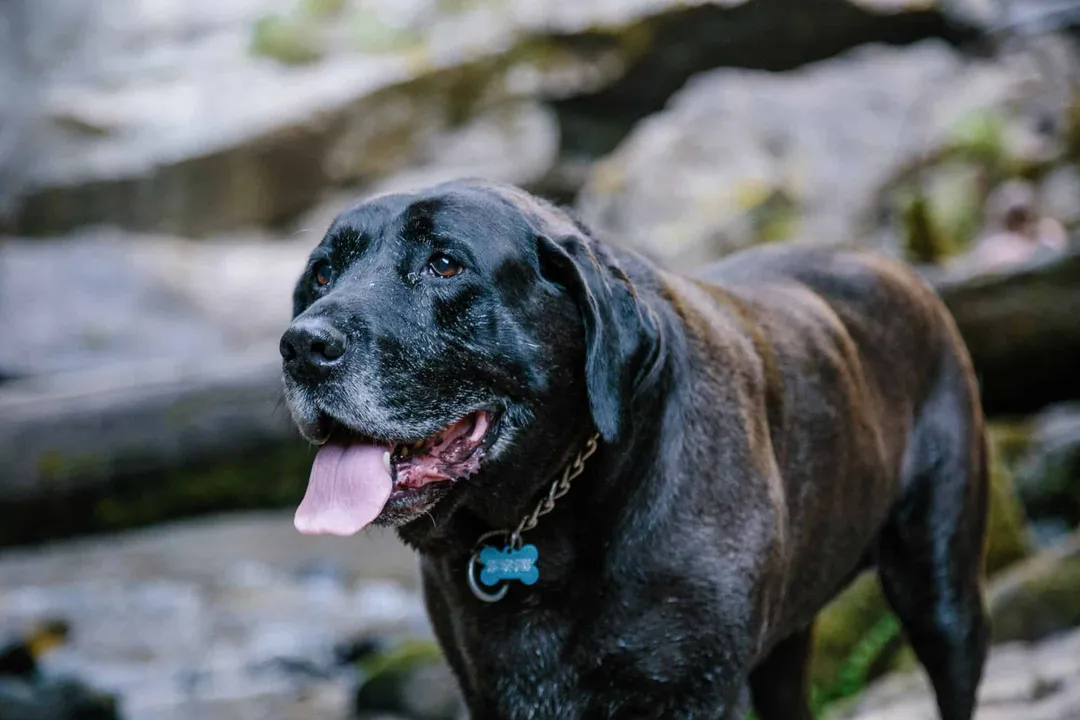
The temperament of a Mastiff mix presents a fascinating study in canine genetics, as the resulting personality is never a guaranteed outcome but rather a spectrum influenced heavily by the non-Mastiff parent breed. While the purebred Mastiff is renowned for its calm, placid, and devoted nature, often described as a gentle giant, the introduction of another breed's genes creates a unique dog whose disposition requires careful observation and early management. What owners can usually rely on is a deep-seated loyalty and a protective instinct directed toward the family unit.
# Inherited Core
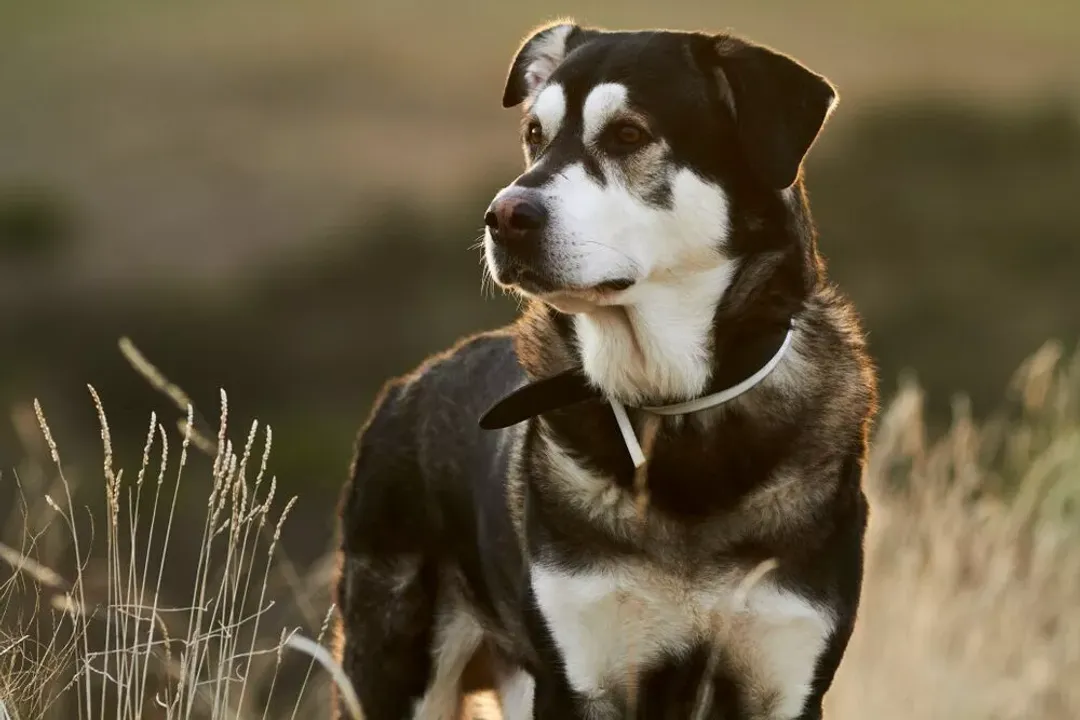
The foundation of nearly any Mastiff cross is likely to involve a degree of serenity and immense devotion. Purebred Mastiffs are historically known for being quite placid and calm when inside the home, provided their moderate exercise needs are met. They are often characterized by owners as being inherently good with their immediate family, even the smallest members, displaying patience that belies their imposing stature. This inherent gentleness is a dominant trait that frequently surfaces in their offspring. They bond intensely with their people, making them affectionate companions who thrive on being part of the household's daily life. However, this devotion naturally translates into a guardian role. Even the mildest Mastiff mix will likely possess an awareness of their surroundings and a tendency to alert the family to perceived intrusions or threats.
# Mix Variables

The crucial difference between a purebred Mastiff and a Mastiff mix lies in the coefficient of variation introduced by the second breed. The resulting temperament can swing widely depending on whether the other parent contributes high energy, stubbornness, or perhaps a higher prey drive.
Consider the Mastiff-Boxer mix, for example. While they inherit the protective drive of the Mastiff, the Boxer lineage often injects a significant dose of playful exuberance and a need for consistent mental stimulation. A purebred Mastiff is generally content with moderate activity, but a Boxer mix might require more vigorous engagement to prevent boredom, which can manifest as destructive behavior if unaddressed.
Contrast this with a Husky-Mastiff cross, sometimes known as a Bullsky. The Husky brings high intelligence coupled with a legendary stubborn streak and an independent nature, which can clash with the Mastiff's desire to please its owner. Where a Mastiff might passively wait for instruction, the Husky side might decide on its own course of action, making consistency in training paramount.
The size and temperament pairing in a Mastiff-Pitbull mix illustrates the difficulty in prediction further. While both parent breeds can exhibit great affection for family, the Pitbull side may introduce a stronger drive or a more tenacious nature, requiring owners to be particularly diligent in understanding their dog’s individual leanings regarding other animals or strangers.
| Mix Example | Dominant Temperament Influence | Key Consideration |
|---|---|---|
| Mastiff/Boxer | Playfulness, Affection | Higher energy levels than pure Mastiff |
| Mastiff/Husky | Independence, Willfulness | Potential for strong counter-will; lower patience for inactivity |
| Mastiff/Pitbull | Tenacity, Guarding Intensity | Early socialization critical for managing strength and drive |

# Guarding Instincts
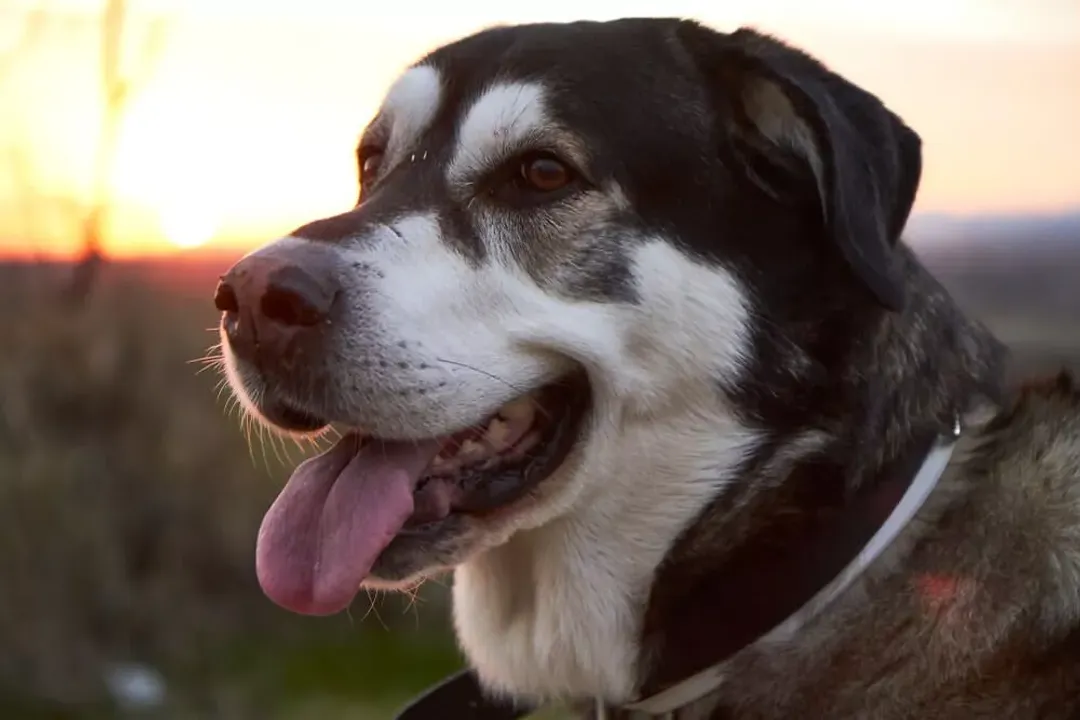
Whether guarding territory or family, the protective impulse is almost certainly present in a Mastiff cross. It is vital to understand the distinction between a true guard dog and a watchful companion. A Mastiff, and many of its mixes, are generally watchdogs—they announce the presence of something unusual with a deep bark but are typically not inherently aggressive toward strangers unless a direct threat to their family is perceived.
However, if the contributing breed has a stronger history of territorial defense or dog aggression, this instinct in the mix can become more pronounced. When dealing with these powerful animals, owners must learn to differentiate between a dog reacting to perceived danger and a dog simply fulfilling its natural protective mandate. Understanding why the dog is reacting—is it noise, sight, or perceived threat?—informs whether the reaction is appropriate for the situation or needs correction through training.
# Socialization Requirements

Because of the sheer size potential in most Mastiff mixes, early socialization is not just a suggestion for good manners; it is a non-negotiable requirement for safety and successful integration into society. A purebred Mastiff is large, but a mixed breed might develop into an even bulkier, less predictable mass if not properly exposed to the world as a puppy.
This early exposure must be broad. It involves introducing the developing puppy—gently and positively—to various sights, sounds, people of all ages, different types of flooring, and other calm, vaccinated dogs. If a Mastiff mix inherits shyness or suspicion from one parent line, allowing that shyness to solidify in adolescence can create real management problems later on. For instance, introducing a timid Mastiff-mix puppy to a busy park setting might initially seem overwhelming, but controlled, brief, and positive exposure helps the dog learn that novel stimuli are not threats. Think of it as building a mental library of "safe experiences" before they reach their full physical power.
# Managing Size and Energy
The sheer scale of a Mastiff mix means that accidental behaviors can easily look like intentional aggression or stubbornness to the untrained eye. A happy tail wag from a 150-pound dog can clear a coffee table, and an excited leap toward a person can cause a fall. Because of this, the owner's physical control over the dog must be absolute, which is cultivated through consistent, firm, and positive training from day one.
This is where understanding the energy profile becomes crucial. If you have a Mastiff-Husky mix, you cannot expect the easy-going afternoon nap schedule of a purebred Mastiff. That energy needs an outlet that respects the dog's physical limitations—a giant breed puppy should never be over-exercised to the point of joint damage. Instead of long jogs early on, focus on structured activities like learning complex obedience sequences or engaging in scent work; these mentally taxing activities often satisfy the drive of high-intelligence mixes without stressing developing growth plates.
When managing the "stubbornness" often reported in mixes—which is frequently the result of an intelligent dog deciding your command is less interesting than sniffing a specific patch of grass—owners must ensure their training methods reward compliance immediately and clearly. The sheer physical inertia of a giant dog means that starting a difficult behavior (like pulling on a leash) is far easier to prevent than it is to stop once it has momentum.
# Health and Lifespan Context
While temperament is often the focus, prospective owners must also reconcile the unpredictable physical nature of a mix with the temperament. Mastiffs are known for having relatively shorter lifespans compared to smaller breeds, often living around 6 to 10 years. When mixed, this lifespan can shift based on the partner breed, but owners should always prepare for the potential of large-breed specific health concerns like hip dysplasia or bloat, which can, in turn, impact a dog’s comfort level and, consequently, its mood and willingness to interact. A dog in chronic pain may become irritable or withdrawn, a trait entirely separate from its core inherited personality.
Furthermore, while size prediction is notoriously difficult in a crossbreed—one Mastiff-Rottweiler mix might be smaller than a purebred Rottweiler, while another towers over both parents—the temperament assessment must always err on the side of caution based on the maximum potential size of the lineage. Preparing for a dog that could weigh over 150 pounds ensures that the owner is equipped with the necessary tools, space, and confidence to handle the dog, regardless of whether it lands on the smaller or larger end of the spectrum. This proactive approach, recognizing that the gentle giant aspect is paired with enormous physical capability, sets the groundwork for a stable and well-adjusted companion.
#Videos
Everything You Need To Know About This Mastiff Mix - YouTube
Related Questions
#Citations
Pros and cons of a Mastiff - Reddit
Mastiff Mix Dog Breed Complete Guide - A-Z Animals
Mastiff Dog Breed Information - American Kennel Club
Mastiff Boxer Mix Facts - Alpha Paw
What are pros and cons of mastiff mix? - Facebook
Husky Mastiff Mix: Bullsky Personality, Health and Grooming
How big would a mastiff/pitbull mix grow to be and what ... - Quora
Mastiff Breed Guide: Must-Know Facts for Pet Parents
Everything You Need To Know About This Mastiff Mix - YouTube
Doubull-Mastiff | Dog Breed Facts and Information - Wag! Dog Walking