How big do Alaskan shepherds get?

The sheer size an Alaskan Shepherd attains is a frequent topic of curiosity, and for good reason; these dogs often present as magnificent, powerful animals. As a hybrid cross between the noble Alaskan Malamute and the highly intelligent German Shepherd Dog, the Alaskan Shepherd doesn't adhere to a single, strict breed standard, which means their adult size can exhibit considerable variation. [1][2][4] Generally speaking, you should anticipate bringing a large breed into your home. [2]
# Size Range
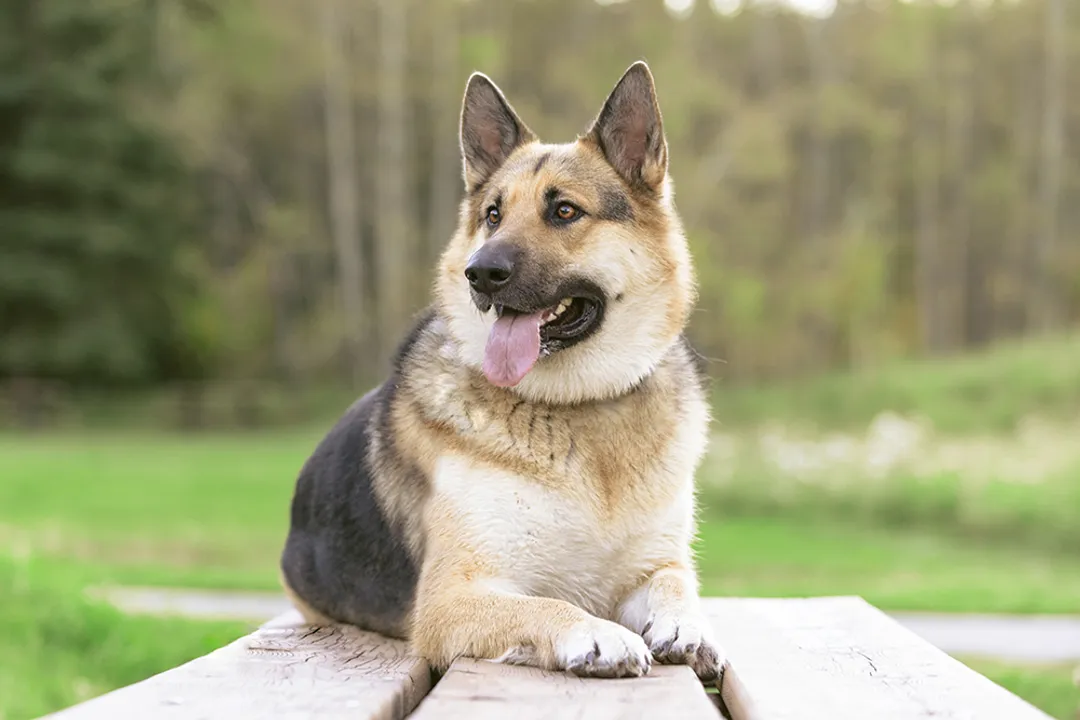
Most owners and breed descriptions place the typical fully grown Alaskan Shepherd in a height range spanning from about 20 inches up to 28 inches when measured at the shoulder. [1][3][5] This places them firmly in the large category, capable of having an imposing presence. [2]
Weight is where the genetic lottery of the hybrid nature becomes most apparent. Standard estimates suggest an adult weight falling between 60 and 100 pounds. [3][4][5] However, many sources indicate that they can easily exceed the lower end of that scale, with some reports placing dogs closer to the 83-pound mark, even at maturity. [1]
It is important to remember that these figures represent averages for a mix. A dog leaning more heavily on its Malamute heritage, or simply inheriting larger genes from both parents, might surpass the 100-pound mark. [2][5] We see this variability reflected in owner experiences; for instance, one owner mentioned their 13-month-old male was already weighing in significantly heavier than the typical 18-month-old male estimate of 72.5 pounds, indicating they can mature into a substantial animal. [3]
# Growth Milestones
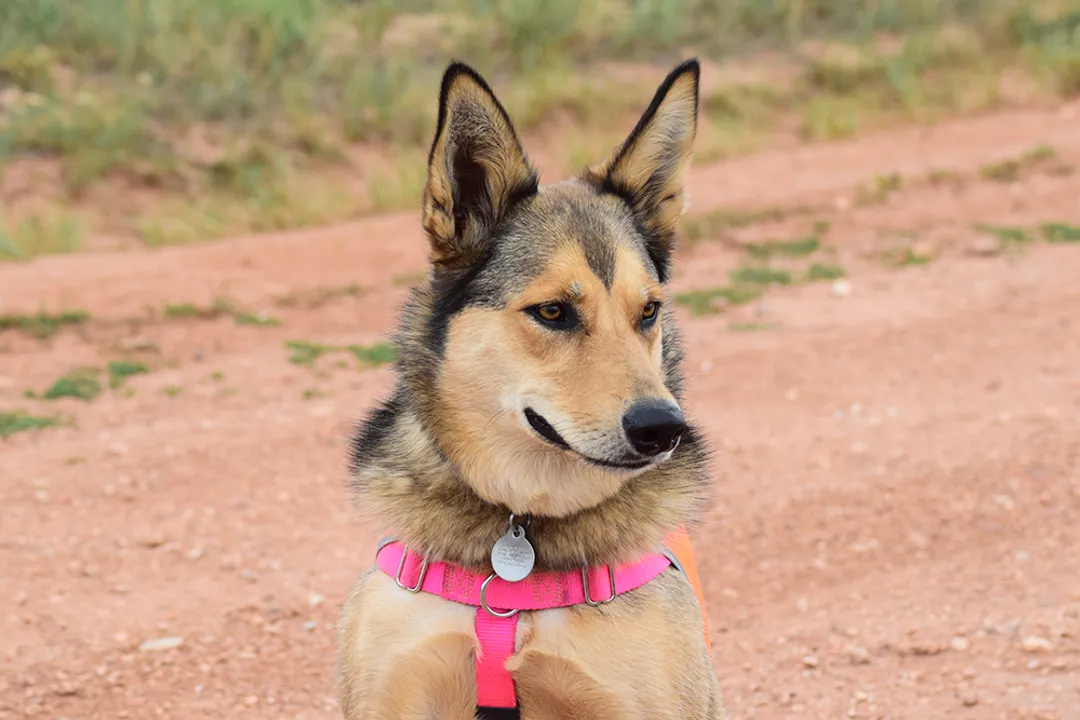
Understanding how quickly this large frame develops can help set expectations for the first year or two. Since they are not a standardized breed, tracking growth by age provides a better metric than simply aiming for a fixed weight at a specific time. [1][3]
Data suggests that growth is rapid, reflecting the inherent working nature of their parents. [2][5] By six months old, a male Alaskan Shepherd might be around 14.5 inches tall and weigh about 27.5 pounds, while a female might be slightly smaller at 11 inches and 22.5 pounds. [3]
The most significant growth spurt often happens between six months and 18 months. By one year (12 months), these dogs are often already handling significant weight, potentially nearing the 50 to 56-pound range. [3] This is a crucial time for joint health management; unlike breeds with established standards, a breeder or owner of an Alaskan Shepherd should be mindful of not encouraging too rapid an increase in bulk through over-feeding, as this puts undue stress on developing joints prone to issues like hip and elbow dysplasia. [2][3] If you find your puppy is noticeably ahead of the published growth charts, like the German Shepherd puppy that was 85 lbs at 9 months and still lean, it’s wiser to focus on maintaining a lean body condition—being able to easily feel the ribs without seeing them prominently—rather than trying to curb their growth entirely, as bone thickness and general frame are better long-term indicators of their ultimate size than a fluctuating weight number. [1]
By 18 months, the dog is often very close to its full height, with males typically around 24 inches and females around 23 inches, carrying weights in the upper 60s to mid-70s pounds. [3] If your dog is still filling out significantly after this point, you are likely looking at an individual who will settle into the upper tier of the breed's size potential, perhaps approaching or exceeding 100 pounds. [2][5]

# Ancestry Influence

To fully grasp how big an Alaskan Shepherd gets, one must look directly at the blueprint: the Alaskan Malamute and the German Shepherd Dog. [2][4] Both parent breeds are classified as large working dogs, bringing both brawn and endurance to the mix. [2][5]
The German Shepherd contributes a sturdy, medium-to-large frame, often associated with intelligence and drive. [4] However, it is the Alaskan Malamute that often dictates the upper limit of size and power in the resulting cross. Malamutes are renowned for their strength and ability to pull heavy loads across icy terrain. [2][3] Some reports even reference a "Giant Alaskan Malamute," which is selectively bred to exceed 70 kg (about 154 pounds), designed to pull massive loads. [3] While a standard Alaskan Shepherd is unlikely to reach this extreme, the genetic possibility for a very large dog—one whose weight may push past the 100-pound threshold—is inherited from this magnificent sled dog lineage. [3]
This parentage explains the breed's common trait of pulling on the leash; the Malamute instinct to haul cargo is quite strong, meaning leash training must be consistent and firm from an early age to manage their power. [2][5]
# Bulk Implications
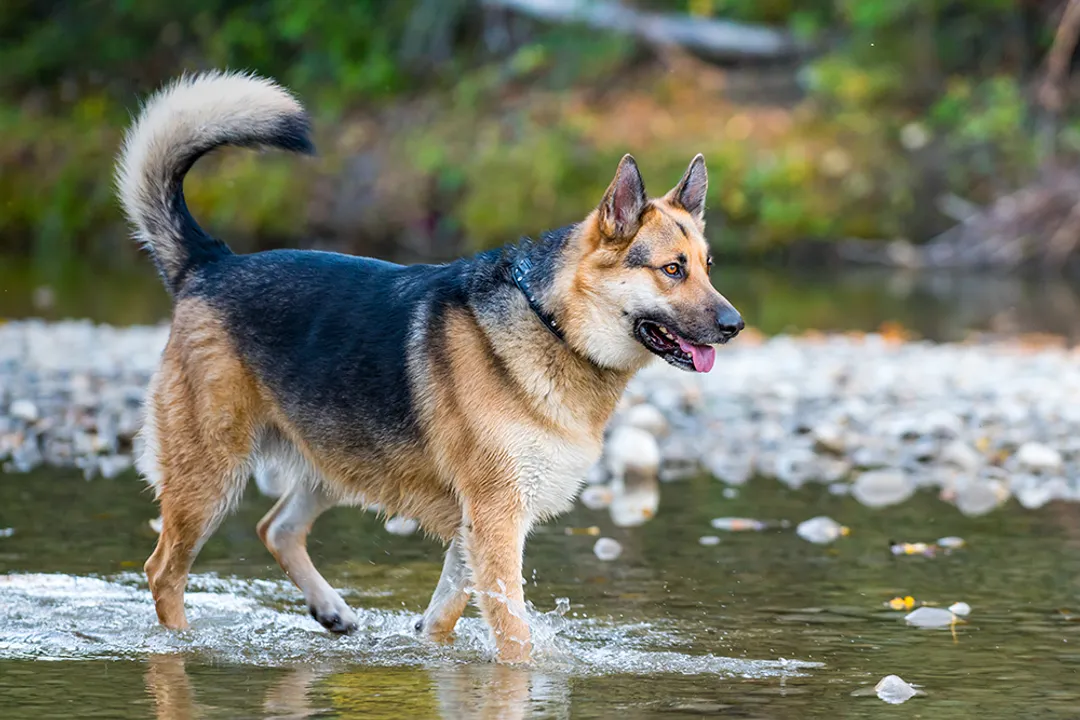
The resulting size of the Alaskan Shepherd has profound effects on everything from housing to daily interaction. Given their typical large stature and high energy levels, these dogs are generally not recommended for apartment living. [2][5] They need space to move their substantial frames, ideally benefiting from a securely fenced yard to safely burn off that inherited stamina. [4][5]
If you anticipate your dog will settle near the 90-to-100-pound range—or higher, based on anecdotal evidence—it is helpful to consider their comfort, as they are generally affectionate and seek companionship. [2][5] They will want to be near you, which translates into leaning, sprawling, and even attempting to sit on you. If you are preparing for a dog that weighs as much as a small adult, be ready for the physical reality of sharing the sofa or bed. Having a dog that weighs this much can be a delightful experience, but you must accept the weight distribution when they decide to settle down for a nap right next to you. [3] A novel approach for owners anticipating this significant weight is to train for body awareness early, perhaps even by allowing the puppy to experience weighted items (like heavy blankets or firm pillows) near them, so they learn how much space their body truly occupies without inadvertently knocking over smaller children or fragile items when they mature. [1]

# Health Connection
Size is intrinsically linked to specific health considerations for the Alaskan Shepherd. Because they are large, they face an elevated risk for certain orthopedic conditions carried over from both parent breeds. [2][3]
The likelihood of developing hip dysplasia and elbow dysplasia is something potential owners must prepare for. [2][3][5] These conditions involve the improper formation or degeneration of major joints, leading to pain and mobility issues. [2] Responsible ownership, therefore, involves a proactive stance on management, which includes:
- Controlled Growth: As discussed, preventing the puppy from becoming overweight, especially during the rapid growth phases before 18 months, is vital for joint longevity. [1]
- Appropriate Exercise: While they need significant activity (at least an hour daily), this exercise should be impact-controlled until they are fully mature. Save the high-impact running and jumping until their growth plates have closed. [2][5]
- Joint Support: Consulting a veterinarian about supplements designed to support bone and joint health is a wise preventative measure for dogs in this size class. [5]
Recognizing that you are acquiring a dog that is structurally large—and perhaps even larger than standard—means accepting the increased responsibility for their long-term orthopedic care.
# Measuring Maturity
While the physical stature is often the most visible change, it’s worth noting that maturity in this breed involves more than just height and weight. Owners often report that while they are incredibly smart and capable of learning quickly, they also exhibit stubbornness or independence inherited from the German Shepherd or Malamute sides. [1][3] Reaching their full maturity, both physically and mentally, can take longer than in smaller breeds.
For an Alaskan Shepherd, achieving a stable, well-mannered adult temperament may require consistent training well past the second birthday. This extended period of development is natural for large, powerful breeds. Just as their frame continues to settle and harden over the first year and a half, so too does their decision-making process. Being patient during this extended adolescence, where they are physically large but still learning impulse control, is essential for living harmoniously with such a robust companion. [5] They may look fully grown by one year old, but their mind is still catching up to their impressive bulk for many months after that milestone.
Ultimately, the Alaskan Shepherd is a commitment to a large presence in every sense—large coat to manage, large exercise requirements, and a large, loving personality that demands space in your life and, frequently, on your furniture. Knowing the potential size spectrum, from the moderate 60-pound mark up to and occasionally beyond 100 pounds, allows a prospective owner to properly prepare their home and lifestyle for this impressive hybrid guardian. [4][5]
Related Questions
#Citations
Alaskan Shepherd Dog Breed Information & Characteristics - DogTime
Alaskan Shepherd | Dog Breed Facts and Information - Wag!
Alaskan Shepherd Dog Breed Information and Pictures
Alaskan Shepherd: Pictures, Info, Care Guide & More - Dogster
My 20wk old pups. At 55 lbs (girl) and 61 lbs (boy), any idea how big ...
Alaskan Shepherd Dog - Molosser Dogs