What is the lineage of the flat-coated retriever?
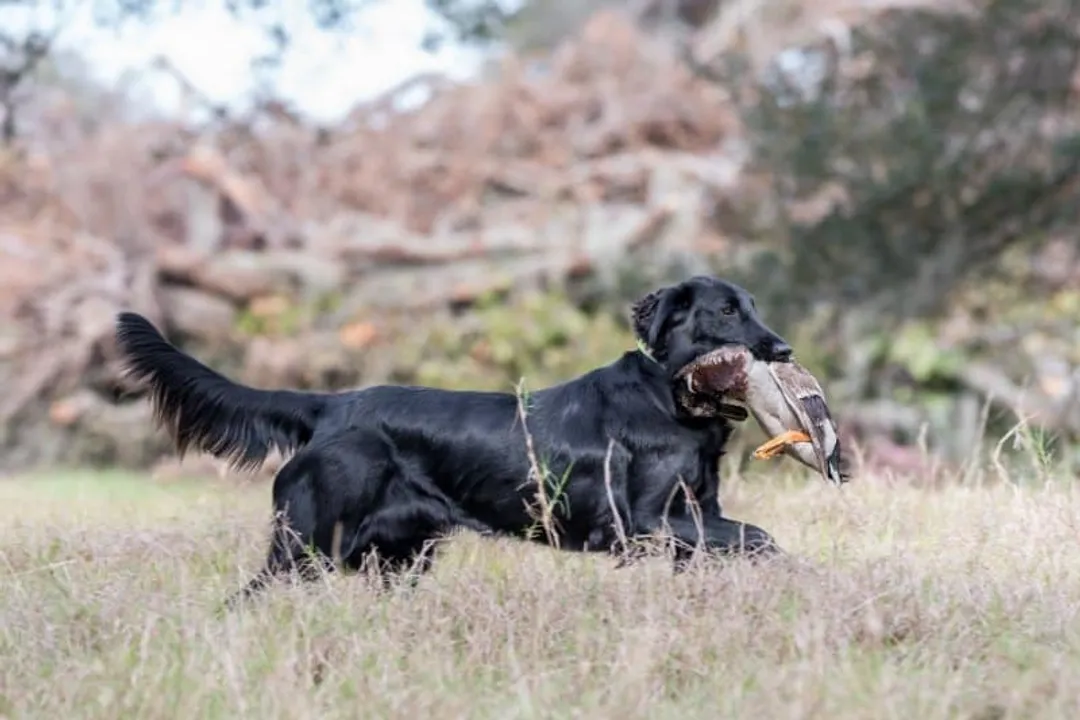
The lineage of the Flat-Coated Retriever traces back to the transformative era of British shooting sports in the mid-19th century, a time when the widespread adoption of the shotgun demanded a specialized, biddable companion capable of retrieving game both on land and across water. This need spurred the landed gentry of the British Isles to develop breeds perfectly suited for this dual environment, and the dog that emerged was initially known by a different name: the Wavy-Coated Retriever.
# The Sporting Birth
The development of the Flat-Coat was a direct answer to changing hunting methodologies. As fowling techniques evolved, hunters required a dog that could systematically flush game within gun range and then diligently retrieve the downed birds without damaging them. The breed needed soft mouths, excellent noses, and the stamina to work long hours across varied terrain. To achieve this specific working profile—combining stamina, scenting power, and superior trainability—breeders intentionally crossed several existing lines to create what they hoped would be the ultimate retriever.
# Foundational Crosses
The foundation stock for the Flat-Coated Retriever was a carefully curated, though somewhat varied, assortment of breeds. The backbone of its retrieving ability and its affinity for water is generally attributed to stock imported from North America, specifically the St. John's water dog. This ancestor, now extinct, was crucial for imparting the drive and physical capabilities necessary for rugged work. While this North American link is widely accepted, its precise inclusion in the lineage remains unverified in some historical accounts. Other sources place the Newfoundland—or the Lesser Newfoundland—as a most certain component of the proprietary mix.
Beyond these powerful water dogs, other types were introduced to refine specific characteristics critical for a successful gundog. To enhance the dog's scenting ability, Setter blood was incorporated into the ancestral pool. Furthermore, to ensure the dog possessed the necessary intelligence and willingness to cooperate closely with its handler, Collie-type dogs were introduced. This injection of herding dog genetics was vital; it speaks to an early recognition that sheer drive was insufficient—the dog needed a high degree of intellectual tractability to perform complex retrieving tasks reliably. It is interesting to note the historical mix involved, as one account suggests the initial crossbreeding involved a variety of breeds, including Poodles, among others. The deliberate combination of powerful water dogs (St. John’s/Newfoundland), keen scenters (Setters), and highly intelligent, biddable dogs (Collies/Poodles) suggests a complex breeding objective: achieving a balance between rugged field ability and refined obedience that was perhaps rarer in the more singularly focused retrievers of the time.
# Early Definition
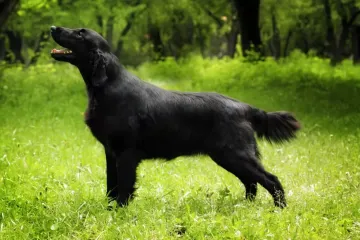
The first dogs recognizable as the breed began to appear around 1860. It took another two decades, however, for the final type to become firmly established. During this formative period, a significant figure emerged who was instrumental in formalizing the breed: Mr. Sewallis Evelyn Shirley. Shirley, who was the founder of The Kennel Club of Britain and an established dog fancier and judge, took a keen interest in the emerging dog. His involvement was particularly important because he actively sought to establish clear defining characteristics that would differentiate this new breed from its close relative, the Curly-Coated Retriever. This effort at standardization marked the transition from a general type of working retriever to a recognized, distinct breed.
By the turn of the 20th century, the Flat-Coated Retriever was a favorite among gamekeepers across England, prized for being both a devoted companion and an enthusiastic worker. They were relied upon to meticulously work through fields and streams after the hunt to retrieve any missed game. They were considered true "hearth dogs," known for working tirelessly with great exuberance afield but settling quietly once back inside the home.
# Golden Association
The lineage of the Flat-Coat is not entirely self-contained; it played a direct, contributing role in the genesis of another immensely popular breed. The Golden Retriever was, in part, bred from the Flat-Coated Retriever, alongside other breeds. This relationship confirms the high quality of the Flat-Coat's foundation genetics for retrieving work, as those desirable traits were passed on and selected for in the Golden’s development.

# Decline and Near Extinction
Despite its initial success and utility, the Flat-Coat’s popularity saw a sharp decline starting after its peak in the 1920s. This slump continued until the mid-1950s. Several factors contributed to this reduction in numbers. Firstly, other retriever breeds gained increasing favor among owners. Secondly, the perceived intensity of fieldwork—or perhaps better suitability for it—led Sporting dog owners to favor breeds deemed better suited for the most demanding field competitions. Compounding these issues were the devastating effects of the World Wars, which decimated the population of many breeds, including the Flat-Coat. By the close of World War II, so few individuals remained that the breed’s very survival was in question.
This low point necessitated a dedicated effort to save the breed. A key individual in this rescue mission was Mr. Stanley L. O’Neill. His deep concern for the breed prompted him to initiate a specific Flat-Coated Retriever revival breeding program immediately following the war. His diligent work was essential in pulling the breed back from the brink of demise.
The revival efforts soon extended across the Atlantic. One of the first Flat-Coats introduced to the United States was a liver-colored bitch named Pewcroft Perfect, sent to Mr. Homer Downing in Ohio by O'Neill in 1953. Shortly thereafter, Downing imported a second liver female, Atherbram Stella. The numbers in the US were strikingly low; by 1956, the total population in America stood at a mere nine dogs. However, the following year, two litters yielded enough puppies that the count reached 22 by 1957. Mr. Downing and his wife were central to establishing the breed's presence, introducing these two biddable bitches to the obedience ring where Pewcroft Perfect achieved the Utility Dog (UDT) title and Atherbram Stella earned a UD. Under the Bramcroft kennel name, Downing played a huge role in perpetuating what is now known as a complete utility dog. Over the subsequent five decades, the Flat-Coat slowly regained footing, stabilizing its pedigrees and achieving success across conformation shows, field competitions, and various other AKC events.
Reflecting on the early post-war American population, one can draw an interesting conclusion about genetic bottlenecks and selection pressures. The initial foundation stock imported to revitalize the breed in the US—Pewcroft Perfect and Atherbram Stella—were both liver colored. Despite this, the black-colored Flat-Coat remains the most common color today. This strongly implies that while the liver lines were crucial for initial survival, breeders quickly pivoted back toward selecting for black coats, which is the color allowed in conformation showing. This divergence shows how early breeding decisions, even when driven by necessity (survival imports), can be quickly steered by established breed standards and owner preference.
# Modern Utility and Legacy
Today, the Flat-Coated Retriever is recognized for its reliable temperament and status as an excellent companion dog. It has even been affectionately nicknamed the "Peter Pan" of the retriever breeds due to its tendency to retain a youthful exuberance well into adulthood. While this enduring playfulness is a hallmark of the breed, it is a characteristic that demands consideration, as the breed's high energy level might prove overwhelming for a novice owner. The breed continues to be valued as a multipurpose dog, balancing its heritage as a gundog with success in conformation and various performance venues. The lineage, forged from the utilitarian demands of the 19th-century hunter, continues to provide the underlying structure for its versatility in the modern era.
Related Questions
#Citations
Flat-coated Retriever - Wikipedia
A Brief History of The Flat-Coated Retriever
The Flat-Coated Retriever: History, Origin & Utility