What breeds make up a Redbone Coonhound?

The Redbone Coonhound stands today as a distinct and recognizable purebred dog, famous for its striking, solid red coat and tireless scenting ability, particularly in tracking raccoons. [1][2][5] When discussing what breeds "make up" the Redbone, one is not looking for a simple modern cross between, say, a Beagle and a Labrador. Instead, we must look back to the foundational stock used centuries ago in the American South to create a specific type of hunting dog, one defined by its endurance and, critically, its coloration. [3]
# Ancestral Stock
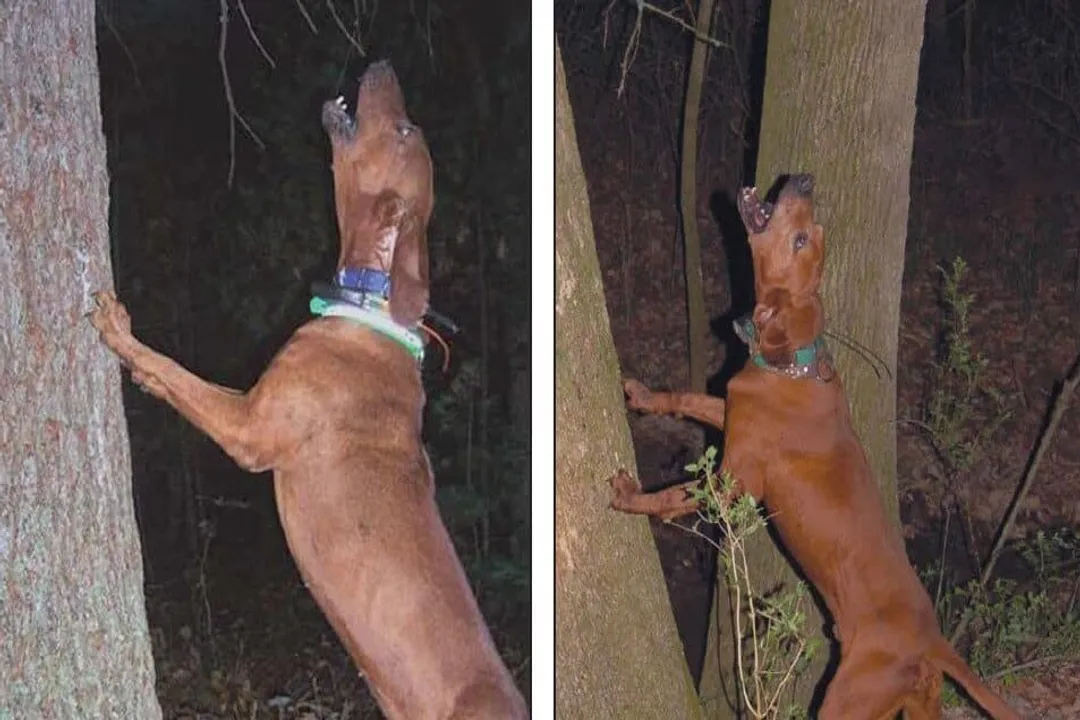
The development of the Redbone Coonhound is intrinsically tied to the early settlers of the Southern United States, particularly those hailing from Scotland and Ireland. [3] These immigrants brought their hunting dogs with them—hounds renowned for their tracking prowess in their native lands. [3] These early European hounds, which likely included various types of scent hounds, formed the very backbone of what would become the coonhound lines. [3]
# Early Influences
In the vast, dense terrain of the American South, these imported hounds needed adaptation. They were bred specifically for trailing raccoons, a nocturnal hunt requiring exceptional stamina and treeing instinct—the ability to drive game up a tree and remain at the base vocally indicating the location. [2][5] To achieve this specialized skill set and the desired appearance, early breeders began introducing local and established American hounds into the lineage. [3]
While definitive, single-source documentation tracing every ancestor is scarce—a common issue with landrace and working dog development—the Bloodhound is frequently cited as a significant early contributor to the coonhound family, likely lending depth to the scenting ability. [3] Furthermore, various strains of early American Foxhounds also played a part in refining the size, speed, and drive of these developing hounds. [3] The goal was to create a dog that could successfully track game over long distances and through difficult underbrush, never giving up the scent until the quarry was treed. [5]
# Color Fixation
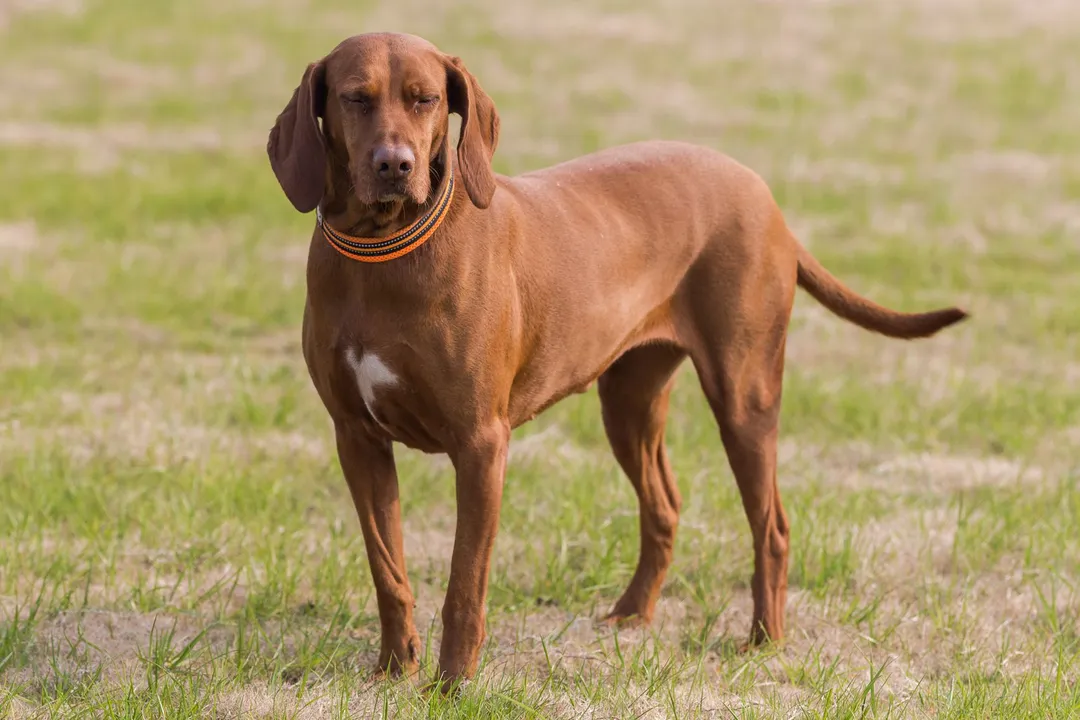
What truly set the foundation for the Redbone, distinguishing it from its cousins like the Black and Tan or the Bluetick, was the fixation on the red coat color. [1][5] Breeders intentionally selected individuals from the mixed foundational stock whose coats exhibited a solid, deep red hue—ranging from a light cherry red to a deep mahogany. [1][5] This selective breeding process over generations is what transitioned a collection of skilled tracking dogs into the recognized Redbone breed we know today. [3] The consistency of this color became the breed's hallmark, making them highly visible against the forest backdrop, which is a practical advantage for hunters at night or in low light. [5]
This strong emphasis on a specific color trait within a working pack offers an interesting point regarding canine genetics and breed development. When breeders prioritize a highly visible aesthetic trait like solid red in a population initially valued only for performance, there is an inherent risk that less obvious, but equally important, performance traits might inadvertently be diminished or amplified due to linkage with the color gene. In the Redbone's case, the success in maintaining elite trailing ability alongside the color fixation speaks volumes about the initial quality and dedication of those early breeders. [3][5]
# Development into a Breed
The Redbone Coonhound remained largely a regionally known working dog until concerted efforts were made in the 20th century to standardize and register the type. [3] The breed was actively developed and refined primarily in the American South, particularly in Georgia and the surrounding states. [3]
# Early Registration Efforts
The breed gained official recognition relatively early compared to some other coonhound types, with the United Kennel Club (UKC) accepting the breed standard many years ago. [3] The development process involved setting firm standards for temperament, size, gait, and, most importantly, the required solid red coat. [1][5] This standardization marks the point where the Redbone stopped being a collection of related hunting dogs and formally became a breed.
While the UKC has long recognized the Redbone, recognition by the American Kennel Club (AKC) came later, placing the breed in the Foundation Stock Service (FSS) before ultimately moving into the Sporting Group. [1] This official pathway demonstrates the breed's established history and value as a superior hunting companion. [1]

# Temperament and Drive
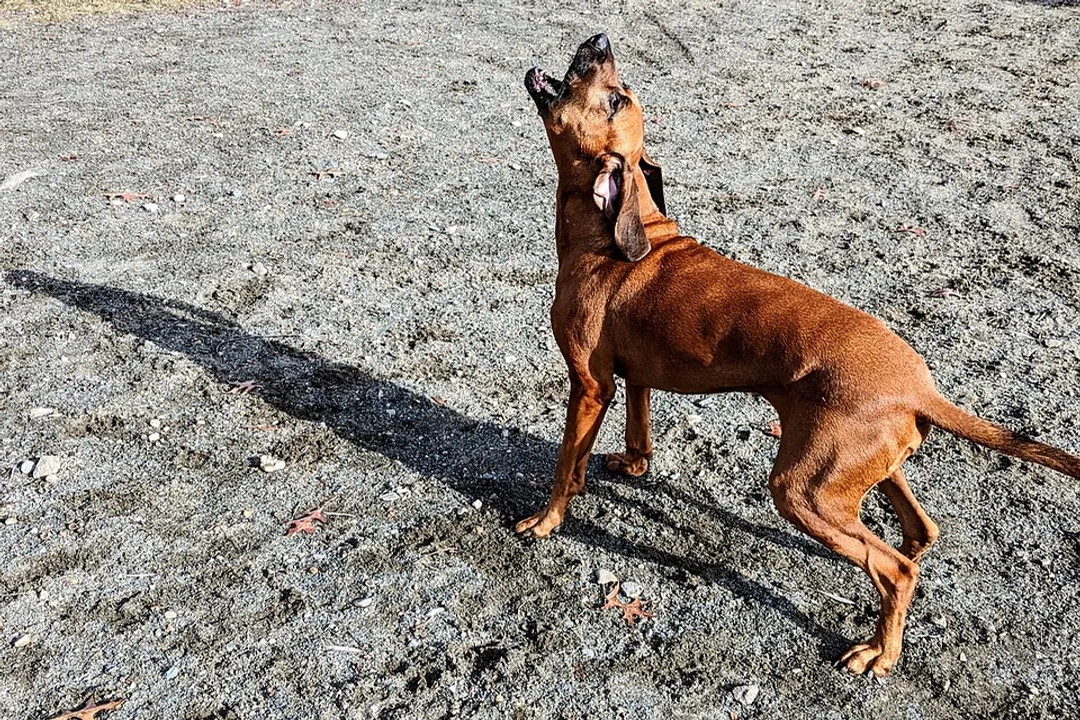
Understanding the heritage built from those early European and American scent hounds helps explain the Redbone’s modern temperament. They are described as intelligent, gentle, and exceptionally devoted to their families. [1][2][5] They possess a great deal of energy and drive, a direct reflection of their purpose as all-night hunters. [5]
# The Coonhound Instinct
The most defining behavioral characteristic stemming from their ancestral makeup is their instinct to trail and tree game. This drive is not something that can easily be trained away, as it is deeply bred into them over many generations of selection for relentless pursuit. [4]
For prospective owners considering a Redbone, understanding this inherited intensity is crucial for management. A dog bred for hours of determined tracking needs an outlet for that energy. Simply put, if a Redbone is not given sufficient physical and mental exercise—which might involve long walks, scent games, or, ideally, actual hunting—that powerful drive can easily manifest as destructive behavior or excessive vocalization indoors. [5] Integrating a highly driven coonhound into a sedentary lifestyle without proper channeling of their natural instincts rarely leads to long-term success for either the dog or the owner.
# Comparison with Cousins
The Redbone Coonhound shares a common ancestor with the other major coonhound breeds: the Black and Tan Coonhound, the Treeing Walker Coonhound, and the Bluetick Coonhound. [4] All these breeds evolved from similar foundational stock in the South, selected primarily for their hunting abilities. [4]
# Key Differences
The primary distinction between these lines is visual, rooted in the selective breeding mentioned earlier:
- Redbone: Must be solid red. [1][5]
- Black and Tan: Characterized by black bodies with distinct tan points. [4]
- Bluetick: Features a distinctive blue mottled or "ticked" pattern across a black base coat. [4]
- Treeing Walker: Typically tri-colored (black, white, and tan), often with a white blaze and trim. [4]
While color is the simplest way to differentiate them, subtle differences in conformation and drive have also emerged through decades of separate breeding programs. For instance, while all are powerful trailers, some lines may have been inadvertently selected for slightly different speeds or vocal patterns based on the specific hunting terrains where they were developed. [4] Despite these minor divergences, their core shared ancestry means they all share a profound, inbred connection to scent work. [4]

# Standardization Today
The finished product, the modern Redbone, is a medium-to-large dog, athletic and streamlined, built for endurance rather than outright speed. [2] Their muscular build and smooth, short coat are practical features for working in dense woods. They carry themselves with an air of confidence, a quiet focus that betrays the intensity they possess when on a trail. [2]
The continued health and integrity of the breed rely on responsible breeding programs that honor the dual requirements of the breed standard: excellent conformation and sound working temperament. [1][5] Breeders must look beyond simply achieving the correct red color and ensure the dogs they produce are sound, healthy examples of the type that early pioneers worked so hard to establish from their mixed European and American heritage. This focus ensures that the Redbone remains not just a beautiful dog, but a capable and true hound.
#Videos
ALL ABOUT REDBONE & REDTICK COONHOUNDS - YouTube
Related Questions
#Citations
Redbone Coonhound - Dog Breeds - American Kennel Club
Redbone Coonhound - Wikipedia
History of the Redbone Coonhound - Showsight Magazine
Are all coonhound breeds closely related? - Reddit
Redbone Coonhound: Dog Breed Characteristics & Care
What is Redbone Coonhound? - Quora
Redbone Coonhound - Breed Info – Foothill Animal Hospital
ALL ABOUT REDBONE & REDTICK COONHOUNDS - YouTube
Redbone Coonhound - Petland Lee's Summit, MO