How was the Redbone Coonhound created?
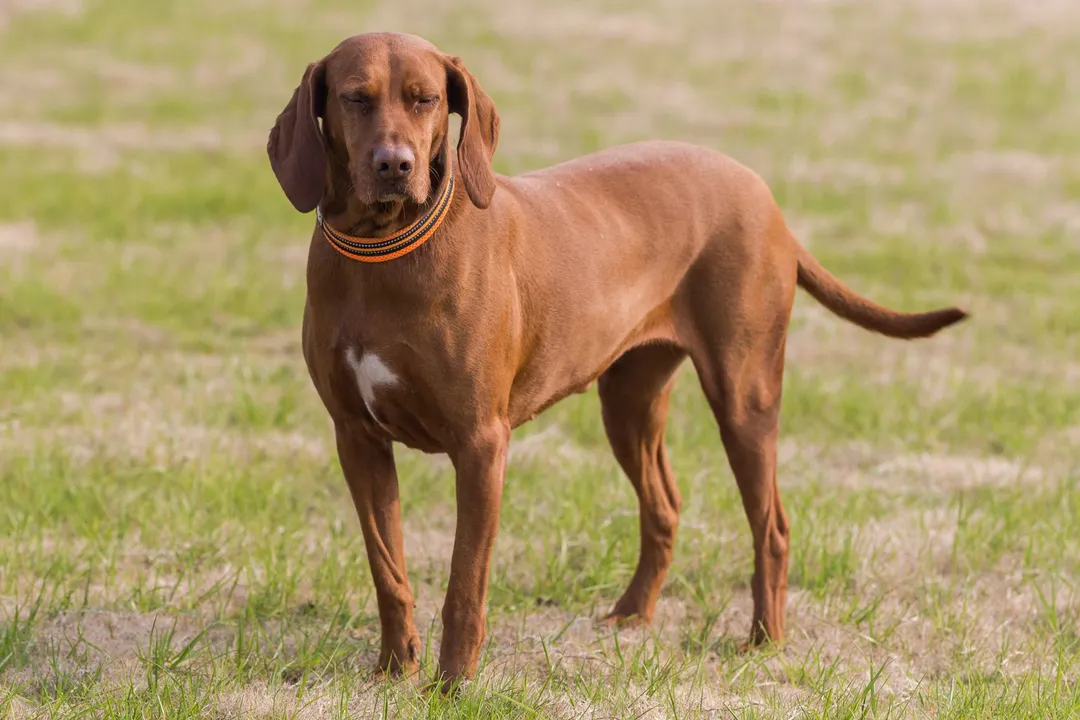
The story of the Redbone Coonhound is deeply intertwined with the challenging hunting environments of the American South, a history rooted in necessity rather than deliberate kennel club planning. Before formal breed standards were ever conceived, these dogs were valued purely for their effectiveness in tracking raccoons and opossums through dense swamps and dark woods. [2][6] The creation process was less about a single breeder's vision and more about generations of practical selection by frontiersmen and hunters seeking the perfect partner for night trailing. [3]
The Redbone’s ancestry is somewhat obscured by time, as early records from the rural areas where they developed were not meticulously kept. However, the consensus among historians points toward a foundation built upon several key scent hounds brought over by early settlers. [2] It is generally accepted that the breed descends from various coonhounds, often involving crosses with European hounds, particularly those known for their superior tracking abilities. [1]
# Ancestral Stock
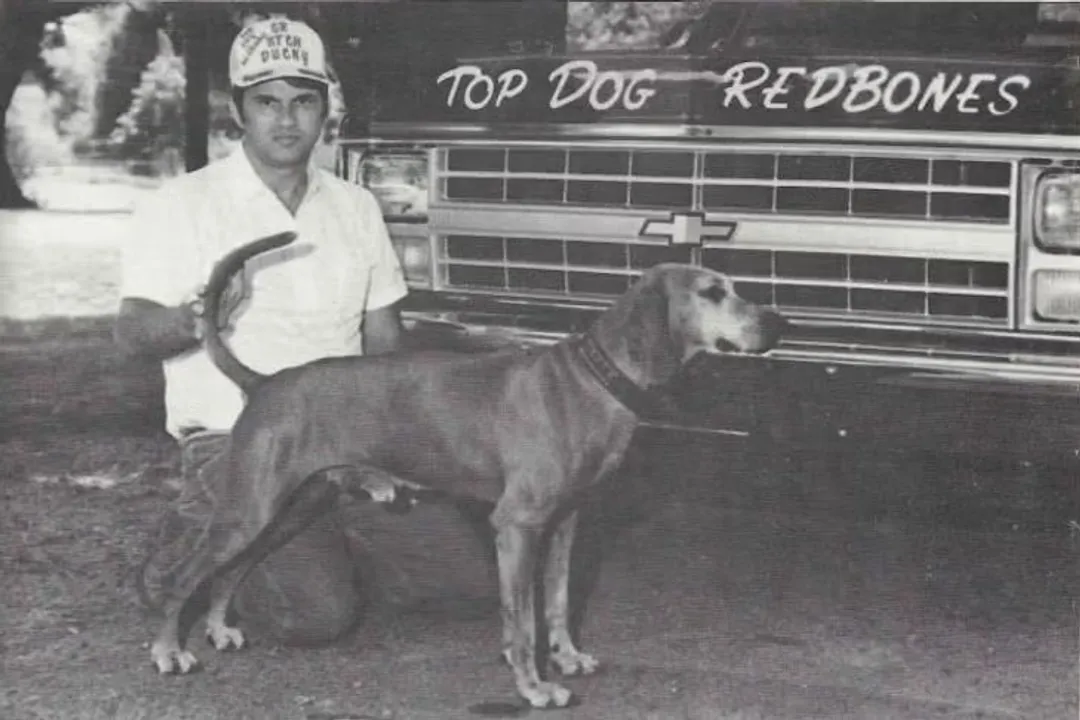
The key lineage often cited involves the Scottish Deerhound and the Irish Setter. [1][2] The Scottish Deerhound is frequently mentioned as an early contributor, brought over by settlers perhaps in the 1700s. [3] These dogs would have offered the necessary size, stamina, and trailing capability required for long hunts. [2]
The role of the Irish Setter is particularly fascinating and directly accounts for the breed’s signature hue. [1][3] While the Irish Setter is known today primarily as a bird dog, its early ancestors in America were likely more all-around hunting dogs. Breeders specifically selected for the deep red or mahogany coat color, which provided excellent visibility against the dark green underbrush and shadows common in Southern forests at night. [2][6] The persistence of this strong, vibrant red color, distinguishing them from the tri-colored or black-and-tan coonhounds, suggests that color was a primary, non-functional selection criterion early on, making them visually unique among their cousins. [3]
Another likely component in the mix would have been the Foxhound, especially the English and possibly the later American varieties, providing the drive and nose for cold trailing. [2][10] The mixing was pragmatic: keep the dogs that caught raccoons efficiently and discard those that lacked stamina or a reliable nose. [8] The environment served as the strictest judge in the Redbone’s formative years.
# Development Focus
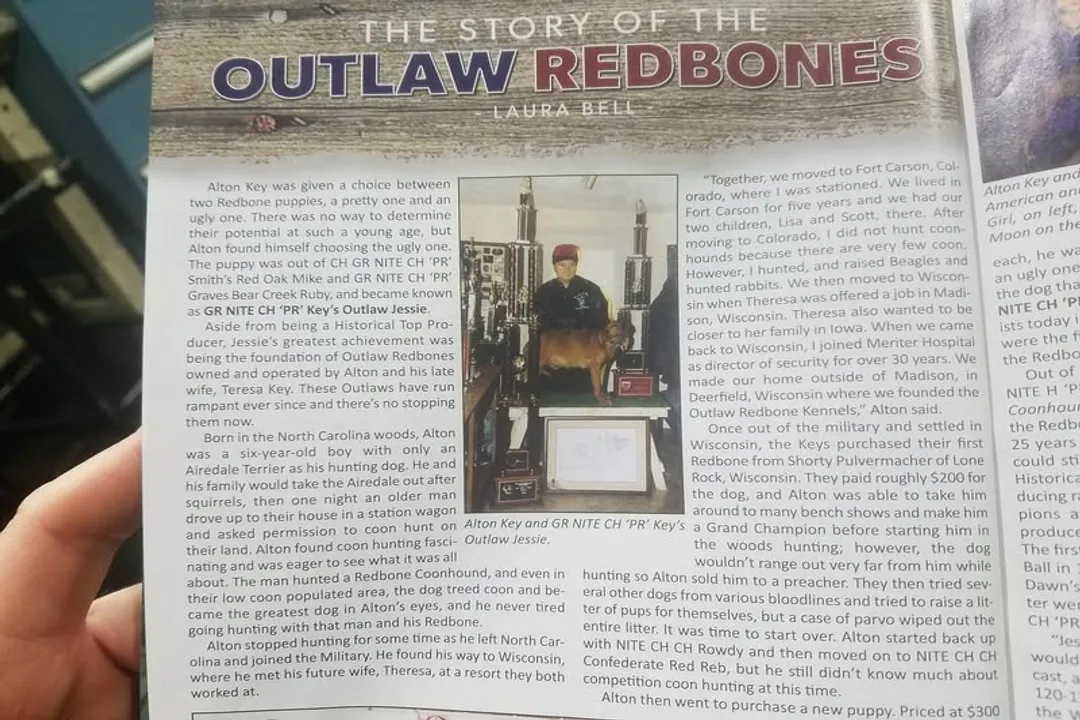
Unlike some breeds where physical characteristics might have been locked in quickly, the Redbone’s development was a prolonged process of functional refinement punctuated by color consistency. Early hunters prized a dog that could follow a scent trail for miles, often baying melodically to let the hunter know where they were, especially when the prey had gone up a tree (treed). [1][9]
The selection pressure was intense on performance. A hound that tired easily or lost a hot scent was quickly removed from the breeding pool. [8] This relentless focus on hunting prowess meant that physical appearance, beyond the desirable red coat, was secondary for many generations. [3] It is important to recognize that the different coonhound breeds—Treeing Walker, Black and Tan, Redbone, and Bluetick—all share a common, relatively recent coonhound ancestry, but the Redbone’s lineage diverged by aggressively favoring the red coat and the specific stamina needed for the deep South’s diverse terrains, which could include everything from rocky hills to humid, thick lowland swamps. [2][4]
A key difference in the evolutionary path of the Redbone compared to, say, the Treeing Walker, lies in the intensity of the scent work favored. While all coonhounds trail, the Redbone breeders seemed to settle on a slightly smaller, leaner build optimized for endurance over sheer speed in open fields. [10] If you were to compare the initial physical standard emerging from Georgia and Louisiana versus the types found further north, you would likely notice that the Southern dogs retained a slightly stockier frame, perhaps better suited for pushing through briars and wading through water-logged ground without breaking stride. [3] This adaptability suggests the Redbone was bred to be an all-weather, all-terrain night hunter right from the start.
# Regional Concentration
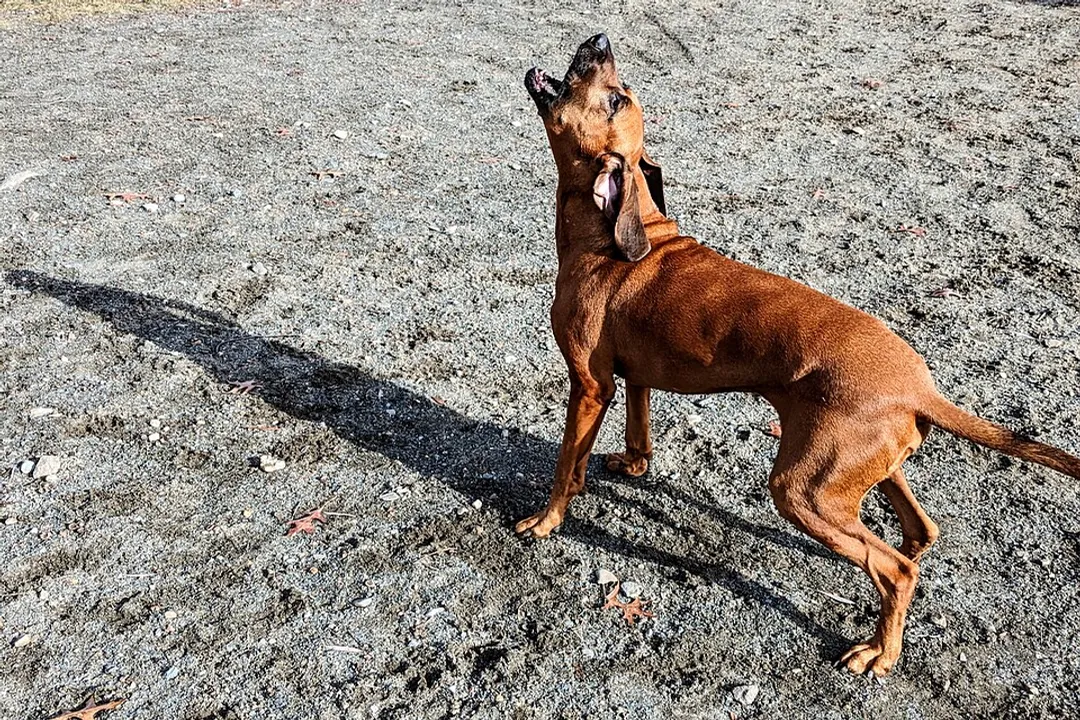
The creation and standardization of the Redbone breed are strongly tied to the Southeastern United States, specifically areas like Georgia and Louisiana. [2][1] This geographical anchor explains much about its conformation and temperament. Hunting raccoons, which are found across the continent, requires a dog that can handle the specific microclimates of the South: high humidity, dense vegetation, and often long, difficult tracks. [6]
This regional focus meant that early enthusiasts were close-knit groups of hunters who likely exchanged their best breeding stock among themselves. This relative isolation helped solidify the type before the breed was introduced to the wider world. [4] It’s interesting to consider that while the Irish Setter influence provided the look, the environment dictated the final temperament and physical structure—a tenacious, slightly less manic energy than some other hound types, preferring steady tracking to erratic bursts of speed. [8]
# Formal Recognition
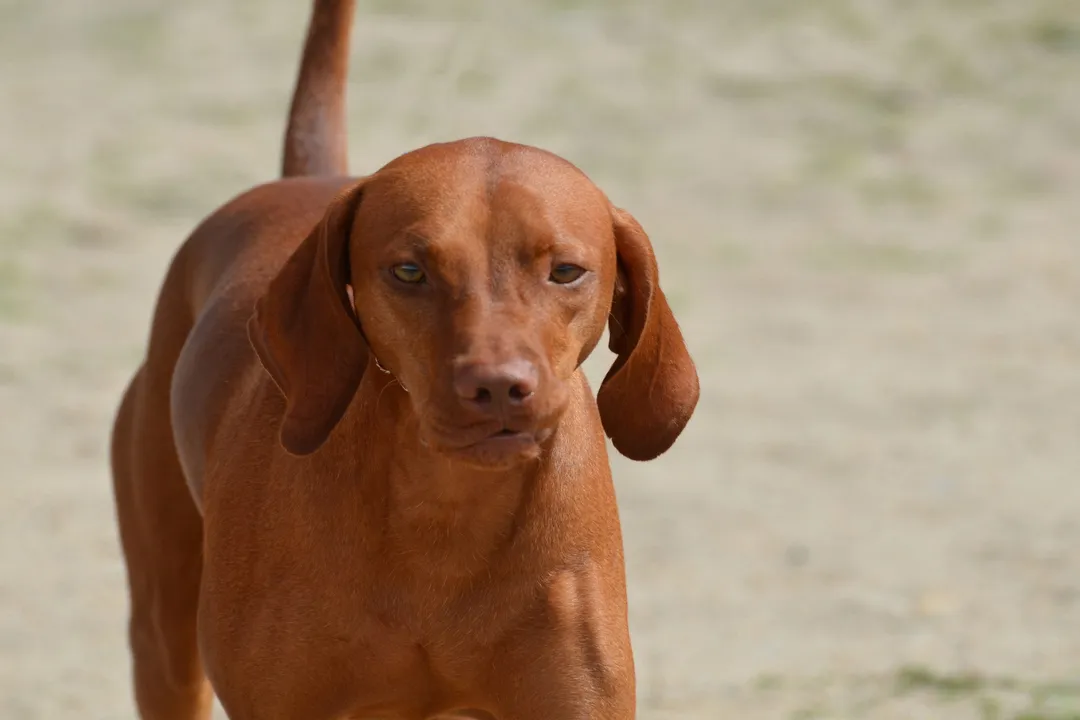
For many decades, the Redbone Coonhound existed solely in the working world of the hunter, without formal kennel club validation. [1] They were known to hunters but not necessarily cataloged by official registries. The United Kennel Club (UKC) was instrumental in recognizing the breed first, acknowledging the established type maintained by working breeders. [9] The UKC formally recognized the Redbone Coonhound in 1930. [1][9] This recognition was crucial as it began the process of documenting the standard that breeders were already adhering to in practice. [4]
The American Kennel Club (AKC) acceptance came much later, reflecting the breed’s continued strong ties to its working heritage rather than the show ring initially. [1] The AKC officially recognized the Redbone Coonhound in 2010, placing it in the Hound Group. [1][6] This gap between the UKC recognition (1930) and the AKC recognition (2010) highlights a fifty-year period where the breed was actively maintained and developed purely by those who hunted with them, prioritizing function over conformation points. [4]
The official recognition process required breeders to codify the desired traits into a written standard, moving beyond simply knowing a good Redbone when you saw one. This standard detailed the required solid red coat, the ideal size range (generally 45 to 80 pounds), and the desirable muscular build. [2][10]
| Characteristic | Typical Range/Description | Selection Rationale |
|---|---|---|
| Coat Color | Solid red or mahogany | High visibility in low light/brush [2][6] |
| Size | 45 to 80 pounds | Stamina and ability to navigate thick terrain [10] |
| Temperament | Determined, alert, friendly | Balanced partner for hunting and companionship [8] |
| Tail Set | Carried up, slightly curved | Aids in visibility when trailing [9] |
The fact that the UKC recognized them so early suggests that working hound associations saw a distinct, consistent type emerging even before the American Kennel Club focused on hound breeds. [9]
# Comparing Coonhound Types
Understanding the Redbone's creation is clarified by contrasting it with its coonhound cousins. While all trace back to similar stock, their divergence is a fascinating study in regional specialization. [2] The Treeing Walker Coonhound, for instance, often emphasizes speed and a louder bawl, developed in areas where open ground running was more common. [10] Conversely, the Black and Tan Coonhound was favored for its darker coat and often features a heavier bone structure, perhaps reflecting different early regional cross-breeds. [1]
The Redbone staked its identity firmly on its color and its stamina for the arduous, swampy tracts of the deep South. Where other coonhounds might have been crossed with other regional hounds—perhaps English Foxhounds for speed in the Appalachian regions—the Redbone breeder seems to have been adamant about maintaining the Irish Setter's pigment contribution, possibly as a visual marker for safety during nighttime operations. [3] This adherence to color, even at the expense of other desirable traits that might have surfaced through different crosses, shows a clear intent to create a visually distinct and recognizable breed that hunters could trust implicitly. [2] This deliberate visual fixation on color while simultaneously demanding elite scenting ability represents a successful dual-selection process rarely seen with such clarity in mixed-origin breeds.
The Redbone’s creation, therefore, wasn't a single documented event but a slow, harsh weeding-out process across the humid hunting grounds of the South, starting with a mix of European scent hounds and solidifying around two core requirements: an unmistakable red coat and the relentless drive to track game until the quarry was treed. [3][6] It is a testament to the dedicated hunters of the Southeast that such a distinct and capable hound emerged from that initial, somewhat vague, ancestral soup. [1]
Related Questions
#Citations
Redbone Coonhound History: Beyond "Where the Red Fern Grows"
Redbone Coonhound - Wikipedia
History of the Redbone Coonhound - Showsight Magazine
Redbone Coonhound Dog Breed Information
Here's a little Outlaw Redbone History from the Coonhound ...
Redbone Coonhound: Dog Breed Characteristics & Care
Redbone Coonhound - Petland Lee's Summit, MO
Redbone Coonhound: Your Complete Guide - Dog Academy
[PDF] REDBONE COONHOUND - UKC
Redbone Coonhound | VCA Animal Hospitals