Are American English Coonhounds rare?
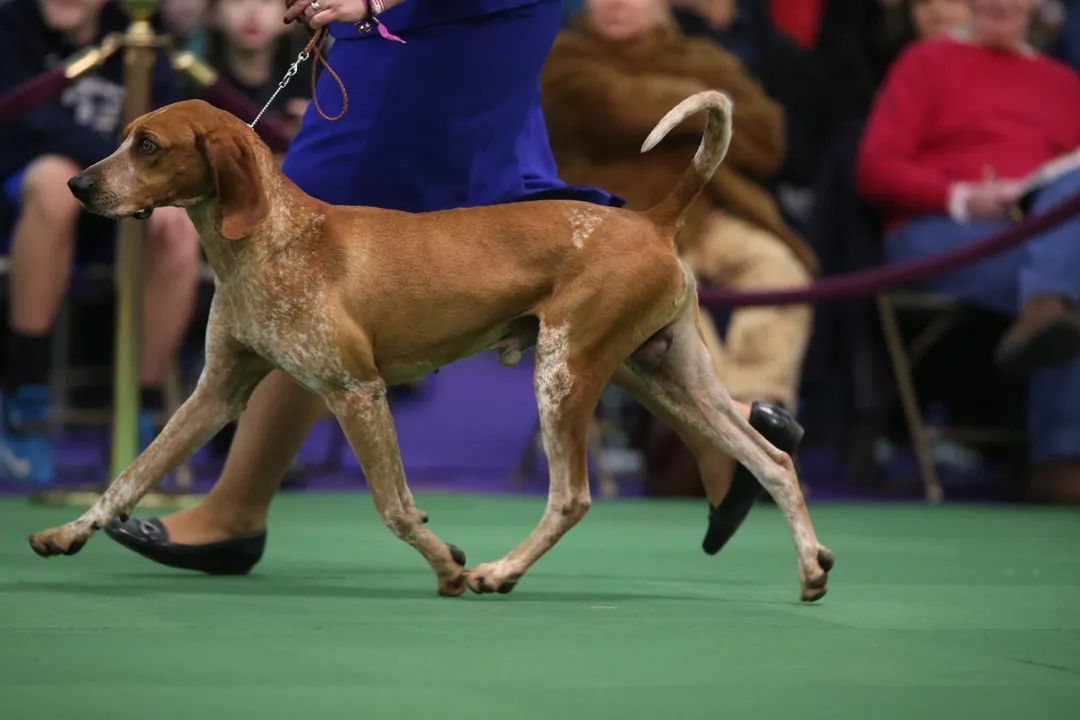
The status of the American English Coonhound often sparks curiosity among dog enthusiasts. While they possess a distinguished history and a recognizable hound profile, they don't frequently dominate neighborhood parks or top the annual American Kennel Club (AKC) popularity rankings, leading many to wonder if this breed is truly rare in the modern dog landscape. Their presence tends to be more specialized, tied closely to their working background rather than widespread general companionship. [1][8]
The perception of rarity can sometimes be misleading. A breed might be relatively common within its specific niche—in this case, hunting and scent work—while remaining relatively uncommon to the average pet owner who might only be familiar with the top twenty most registered breeds. [1] To determine if the American English Coonhound falls into the "rare" category, one must look beyond casual observation and examine their official recognition, their population distribution, and how easily prospective owners might encounter one through rescue channels.
# Official Status
The American English Coonhound is indeed a recognized breed by major kennel clubs, which indicates a standardized history and established presence within the purebred dog community. [3][4] The Westminster Kennel Club, for example, accepts the breed into its competitive roster, classifying them within the Hound Group. [4] This recognition is crucial because it means breeders adhere to established standards, ensuring the continuation of the breed’s physical and temperamental traits. [3]
However, recognition does not automatically equate to massive numbers. While the breed is accepted, it generally ranks much lower on registration lists compared to breeds like Labrador Retrievers or French Bulldogs. [4] This lower ranking is often what fuels the perception of rarity among the general public. They are recognized experts, but not necessarily household names across the entire country. [1]
# Hunting Lineage
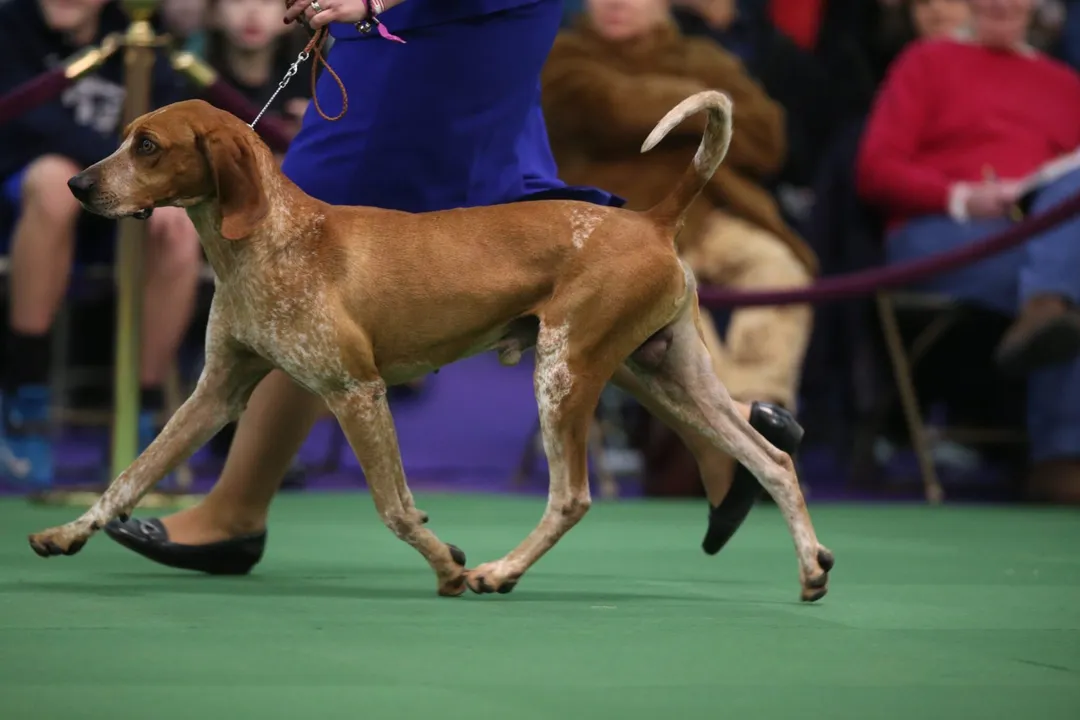
Understanding the breed's origin helps explain their current population distribution. The American English Coonhound traces its ancestry back to foxhounds brought over by early settlers from Europe. [6][3] These dogs were selectively bred over centuries in the American South specifically for trailing raccoons (coon) at night. [1][6] This historical function means the breed was developed primarily as a working dog for hunters, not explicitly as a decorative companion animal. [8]
Breeds developed for specific, often rural or specialized, sporting tasks tend to have smaller, more dedicated breeding pools compared to breeds developed for general family life or conformation showing. [1] This historical context suggests their population growth was tied to the popularity of coon hunting itself, rather than general pet trends, naturally keeping their numbers lower than the most versatile or fashionable breeds. [6]

# Availability Channels
If a breed were genuinely rare, finding one through rescue organizations would be exceptionally difficult. Anecdotal evidence from online forums and adoption sites suggests that while finding an American English Coonhound might require more searching than for a common breed, they are certainly present in the rescue system. [2][5]
Adoption profiles on platforms like Petfinder sometimes list American English Coonhounds, often found through breed-specific rescues or general shelters in areas with strong hound traditions. [5] One individual shared their experience fostering and hoping to adopt an American English Coonhound, noting that they found the dog through a rescue organization dedicated to hounds, suggesting a network exists for rehoming them, even if the dogs are not constantly available. [2] The fact that dedicated rescue groups exist for coonhounds implies a steady enough supply through surrender or stray intake to warrant specialized care and fostering efforts. [2]
# Population Distribution Nuance

The actual number of American English Coonhounds is somewhat obscured by the differences between registered purebreds and the working population. Many dogs used strictly for hunting may never be formally registered with a major kennel club, meaning official statistics only capture a fraction of the total dog population belonging to the breed. [1]
Here is a way to conceptualize their relative population compared to their immediate relatives, although exact census data is hard to pin down:
| Coonhound Type | General Perception of Rarity (Relative) | Primary Differentiating Feature |
|---|---|---|
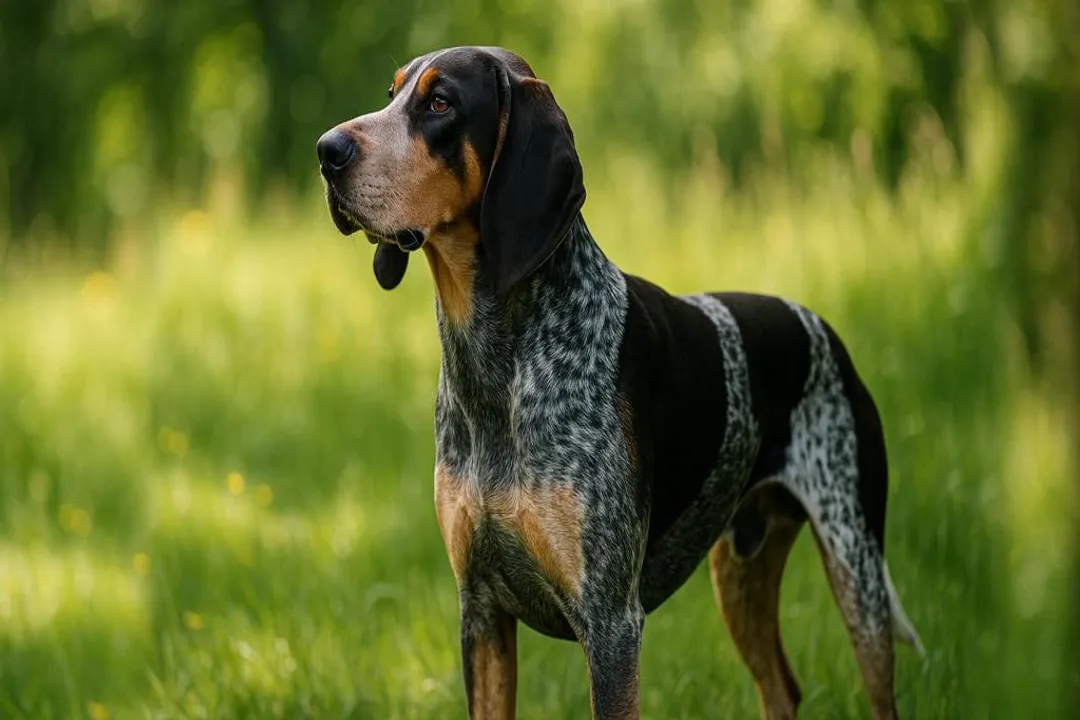
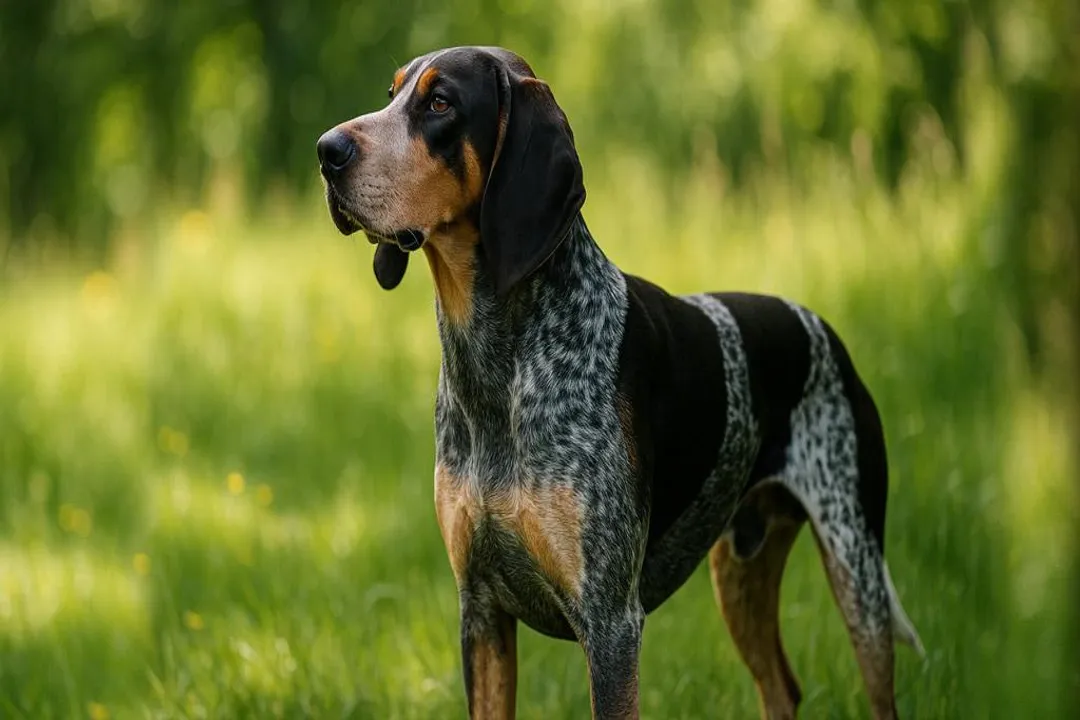
| Black and Tan Coonhound | Less common than Treeing Walker | Deep black and tan markings [1] |
| Treeing Walker Coonhound | Most popular of the coonhounds [1] | Distinctive, clear markings, high energy [1] |
| Redbone Coonhound | Distinctive solid red color | Solid red coat [1] |
| American English Coonhound | Less common than Treeing Walker | Patched/ticked coloring, often considered the "all-purpose" coonhound [1] |
The Treeing Walker Coonhound is often cited as the most numerous among the coonhound breeds recognized by the AKC, meaning the American English Coonhound naturally appears less frequently on registration lists simply because it is the second or third most popular within its own specialized subgroup. [1] They are uncommon compared to the Treeing Walker, but not necessarily rare overall when considering all hunting dogs. [1]

# Working Dog Visibility
One significant factor influencing the perceived rarity of the American English Coonhound is its temperament and energy level, which are optimized for performance over passive companionship. [8] These dogs are tireless, possess an exceptional nose, and are motivated by the chase—traits that demand significant exercise and mental engagement. [7]
When a working breed is adopted by a non-hunting family unprepared for its high drive, behavioral issues can sometimes arise, leading to surrender. [7] This dynamic can paradoxically increase their presence in shelters for a time, yet keep them rare in homes seeking low-maintenance pets. If a potential owner prioritizes a calm dog that thrives in a small apartment with minimal activity, they are unlikely to seek out this breed, thus keeping the breed's public visibility low even if their population numbers are stable within hunting circles. [8]
It is noteworthy that the lineage of these hounds is so valued that individuals seeking working lines are often highly selective and may source puppies directly from established hunting kennels rather than general breeders or rescues. This closed loop of sourcing further reduces their visibility in the general pet market. If you are looking to track down a dog with proven lineage for hunting, the search is targeted and often successful; if you are looking for one at a general adoption fair, the chances are significantly lower. [1]
# Finding Your Own Hound
For those interested in owning an American English Coonhound, whether for sport or companionship, navigating their population requires a specific approach, which speaks volumes about their status. If someone is committed to welcoming one into their life, they should look beyond the general pet store or even the average local breeder. A highly effective starting point, and one that speaks to their current availability status, is connecting with regional breed-specific rescue organizations. These groups often maintain networks spanning several states, allowing them to pull dogs from municipal shelters where they might otherwise be misidentified or overlooked. [2][5]
Furthermore, because they are often surrendered due to mismatched expectations regarding their exercise needs, new owners should be prepared to dedicate substantial time to training and physical activity. Many hounds, once surrendered, are quickly adopted by people familiar with the breed’s needs, suggesting that while they are not abundant, there is a dedicated pool of adopters ready for them when they appear. [7] A proactive approach, involving networking with coonhound hunting clubs or joining breed-specific social media groups, often yields faster results than waiting for a dog to appear in a local listing, a strategy useful for any specialized breed that doesn't frequently appear in mainstream channels. [9]
In summary, the American English Coonhound is not truly rare in the sense of being on the verge of extinction or having only a handful of remaining individuals. They are recognized, have established breeding programs, and appear in the rescue system. [3][4][5] However, they are decidedly uncommon when compared to mainstream family dogs. Their population is heavily weighted toward active hunting communities and dedicated enthusiasts, which keeps their general public profile subdued. [1][8] They exist in a strong, specialized niche, making them an excellent choice for the right owner but a breed that requires a deliberate search for the average prospective pet parent.
Related Questions
#Citations
American English Coonhound Dog Breed and Characteristics
Fostering (and hopefully adopting) an American English Coonhound
American English Coonhound - Wikipedia
American English Coonhound - The Westminster Kennel Club
American English Coonhound Dog Breed & Adoption Info - Petfinder
A Presidential Hound – The American English Coonhound
The American English Coonhound - Pet Health Network
Dog Breed Profile: American English Coonhound - Woof
Why are English Foxhounds the least popular dog breed? - Facebook