Was Arsinoitherium semi-aquatic?
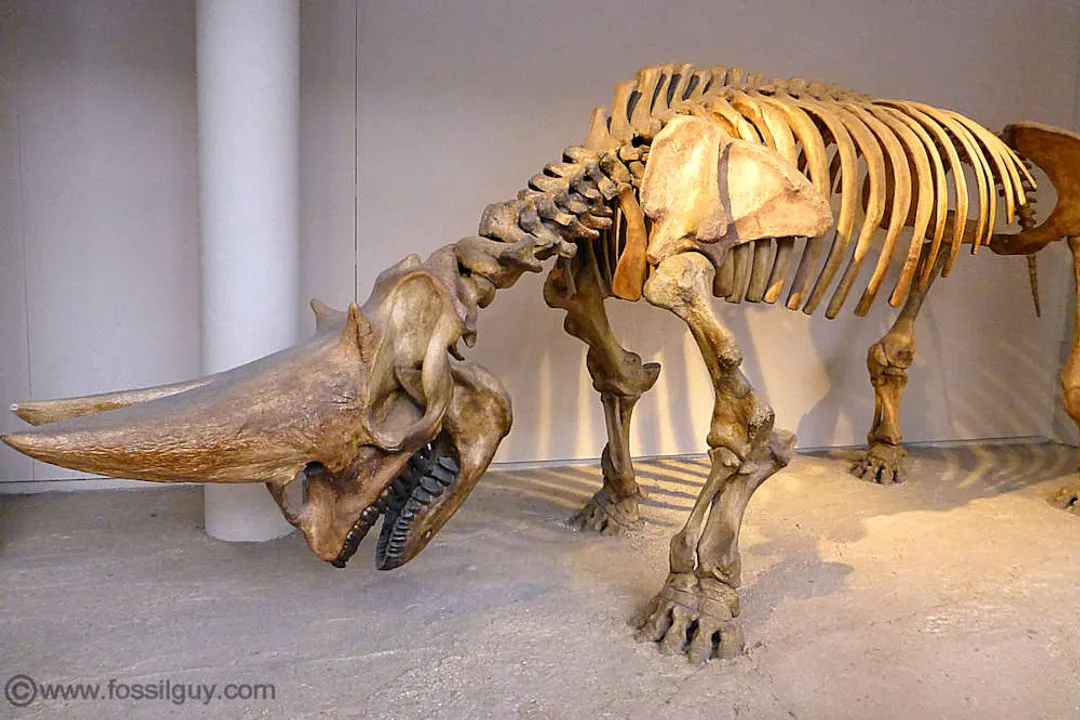
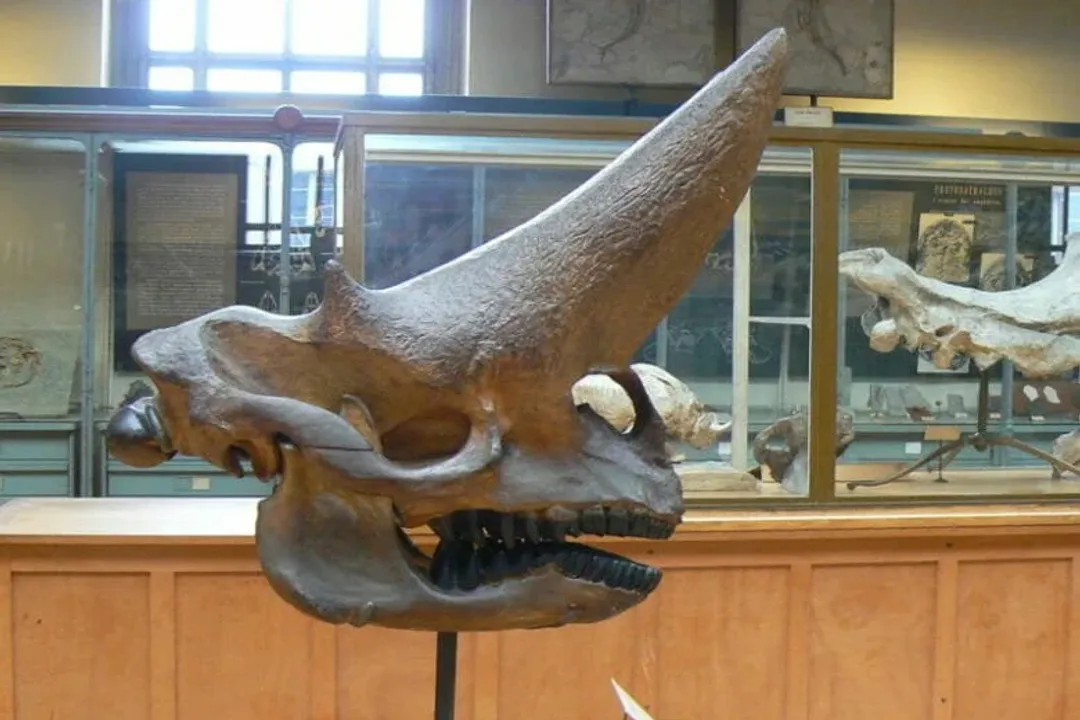
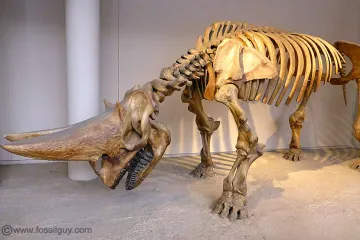
The creature known as Arsinoitherium presents a fascinating, if sometimes debated, picture of Cenozoic mammal life. Its imposing stature and peculiar pair of parallel horns—set atop a skull shaped much like a massive rhino’s—immediately capture the imagination, placing it among the giants of the Eocene and Oligocene epochs. While its appearance might suggest an ancient elephant relative, its body structure often brings comparisons to a giant rhinoceros. The real puzzle for paleontologists often centers not just on what it looked like, but where and how it lived, particularly whether it spent significant time in the water, leading to the question of a semi-aquatic existence.
# Habitat Clues
The geological context in which Arsinoitherium fossils are found provides the first major clue pointing toward a life near water. This extinct mammal inhabited environments characterized by significant moisture. Evidence suggests its range included riparian forests, wetlands, and even mangrove swamps. Such settings are rich in soft vegetation, which aligns with its morphology as a large browsing animal.
The association with these watery realms naturally leads to speculation. In the fossil record, large, heavy-bodied animals that live near water—think hippopotamuses or modern tapirs—often exhibit adaptations for moving through soft sediment or seeking refuge from terrestrial predators and heat in the water. Because Arsinoitherium was substantial in size, with relatively short legs and a wide stance, this implied a slow gait on firm ground. This slowness on dry land could easily suggest that access to water was not just a preference, but a necessity for locomotion or thermal regulation.
# Physical Structure
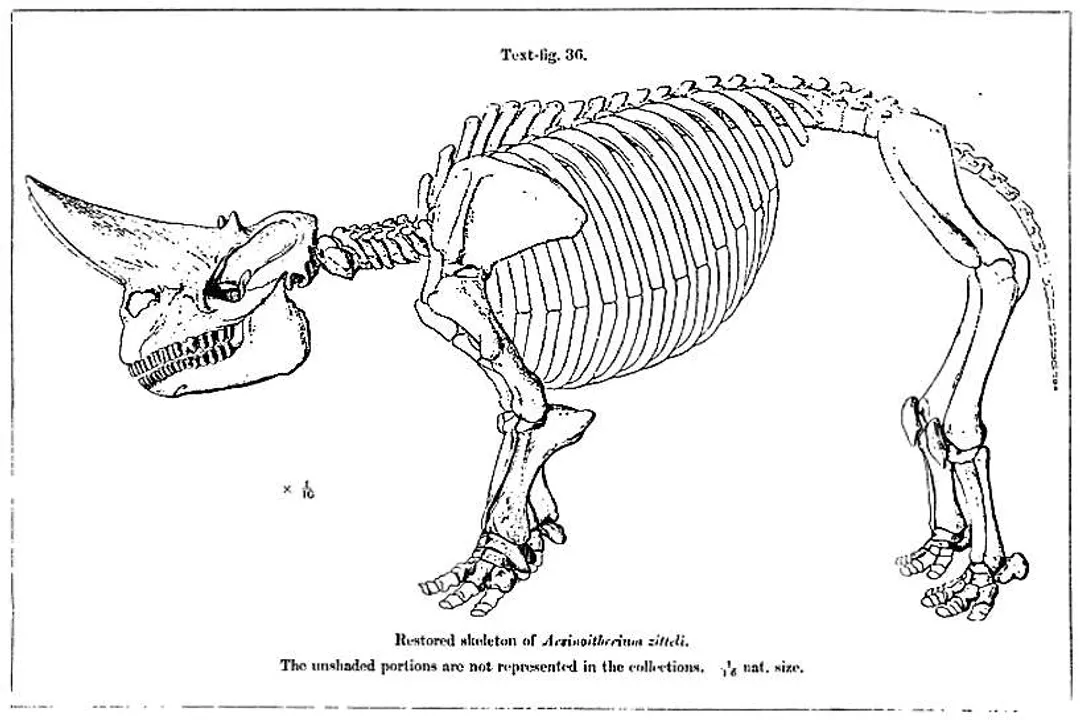
Examining the anatomy of Arsinoitherium further complicates the picture. It was a very large mammal, often exceeding the size of large modern rhinos. Its short, stout limbs were necessary to support its great mass. However, interpretations of the feet differ when assessing its relationship with water.
If an animal is obligately semi-aquatic or fully aquatic, one often expects to see features like splayed toes, paddle-like feet, or reduction in limb size relative to the body mass—adaptations for propulsion in water or spreading weight on deep mud. Conversely, if the animal spent most of its time on dry land, its feet would be structured for firm weight-bearing.
For Arsinoitherium, while it possessed a wide stance that might aid stability in soft substrates, some analyses suggest its foot structure was not necessarily optimized for swimming or wading deeply in the way a true amphibious creature's would be. This leads to an interesting dichotomy: a creature physically committed to a wetland ecosystem but perhaps not fully committed to an aquatic lifestyle.
# Behavioral Theories

The debate hinges on whether "living in the wetlands" translates directly to "being semi-aquatic." While the habitat suggests constant proximity to water sources like rivers or swamps, the level of dependence remains a matter of interpretation among researchers.
One viewpoint posits that Arsinoitherium likely engaged in activities that required water, such as drinking, cooling off, or escaping terrestrial threats. The sheer bulk of the animal would make it relatively vulnerable to overheating or struggling to move through dense terrestrial vegetation quickly. The presence of the massive horns, which seem better suited for display or combat between males than for wading or digging, suggests significant terrestrial interaction, perhaps involving intraspecies competition in open or semi-open areas within that wet environment.
However, counterarguments stress that many terrestrial browsers inhabit wet areas—think of modern forest elephants or even some large deer species—without being classified as semi-aquatic. The interpretation leaning away from a truly semi-aquatic role suggests that Arsinoitherium was primarily a terrestrial browser that simply specialized in environments rich in water-loving vegetation, perhaps utilizing the soft ground for feeding rather than using the water for buoyancy.
To compare these two scenarios is to weigh the ecological pressure of the environment against the anatomical limitations suggested by the skeletal remains. If the animal relied on water for significant portions of the day, we would expect to see stronger morphological signals of that dependence in the limb structure or associated bone density, which appear to be lacking or inconclusive when compared to known aquatic mammals.
One way to think about this specialization is through the lens of niche partitioning. Given that Arsinoitherium shared its world with other large mammals, specializing in the very dense, soft-ground vegetation surrounding rivers and swamps—areas where other, perhaps faster, grazers could not effectively operate—would be a successful survival strategy, even if the animal remained fully terrestrial. It needed the ecosystem of the water's edge, but not necessarily the medium of the water itself for daily function.
# Horn Function and Environment
The most distinguishing feature, the pair of prominent horns, offers indirect insight into social behavior which might constrain lifestyle. The nature of the horns, particularly their structure and placement, suggests they were primarily used for display or perhaps for shoving matches between males, akin to modern rhinos. These kinds of social displays often take place in areas where vision is relatively clear or where footing is stable enough to support a contest of strength. If Arsinoitherium were constantly submerged or fighting in deep mud, the utility of such large, keratinous structures would be significantly diminished, favoring instead short, dense weaponry or behavioral patterns suited for waterborne combat.
This leads to a synthesized view: Arsinoitherium was an obligate wetland resident but likely an obligate terrestrial feeder. It was clearly adapted to areas saturated with water, supporting a diet of lush, riparian plants. Yet, the evidence available doesn't strongly support the hypothesis that it spent its days wallowing or swimming for extended periods like a contemporary hippo might. Its physical equipment seems tuned for negotiating soft ground and browsing, not for sustained aquatic life.
This distinction is crucial for understanding ancient ecosystems. Many successful megafauna evolve to dominate a specific type of terrain, and for this giant, that terrain was defined by the presence of abundant water and soft earth, even if it didn't actually swim there. The environment defined the animal's success, even if the animal didn't fully adopt an aquatic physiology in response. The short legs and broad stance might simply represent an adaptation to disperse weight across muddy soil adjacent to bodies of water, preventing sinking while allowing for effective movement between feeding patches in the dense vegetation of those mangrove or swamp margins.
# Reconciling the Record
Ultimately, when trying to assign a label like "semi-aquatic," we must rely on a preponderance of evidence. While the environment strongly suggests a life by the water, the skepticism surrounding the skeletal evidence suggests that Arsinoitherium may occupy a niche similar to the modern Javan rhinoceros—a solitary browser found almost exclusively in dense, wet forests and swamps, often wallowing in mud holes for cooling and protection, but not truly aquatic in habit.
If we were to look at its body mass relative to its apparent limb length, the pressure exerted on soft substrates would be immense. The structure of its feet, though perhaps wide, may have been a compromise: enough width to handle the marsh edge, but still designed for weight bearing on solid or semi-solid ground, rather than fully embracing the hydrostatic support offered by deep water. It is plausible that the primary benefit of the water was access to superior forage and relief from the heat of the Eocene sun, rather than serving as its primary mode of transport or shelter. The classification thus leans toward a marsh-dweller or swamp-specialist rather than a true semi-aquatic mammal in the strictest sense.
Related Questions
#Citations
Horn function in Arsinoitherium OR... the ArSUMOitherium Hypothesis
Arsinoitherium - A-Z Animals
Arsinoitherium - The Twin Horned Mammal - Fossilguy.com
Arsinoitherium: Ancient Elephant Relatives But The Body Is A Giant ...
stable isotopes analysis of arsinoitherium and associated fauna and ...
arsinoitherium : r/Naturewasmetal - Reddit
Arsinoitherium - NamuWiki
Arsinoitherium: ancient egyptian mammal species - Facebook
Exploring the Fascinating World of Arsinoitherium - TikTok