How fast can a Liopleurodon swim?
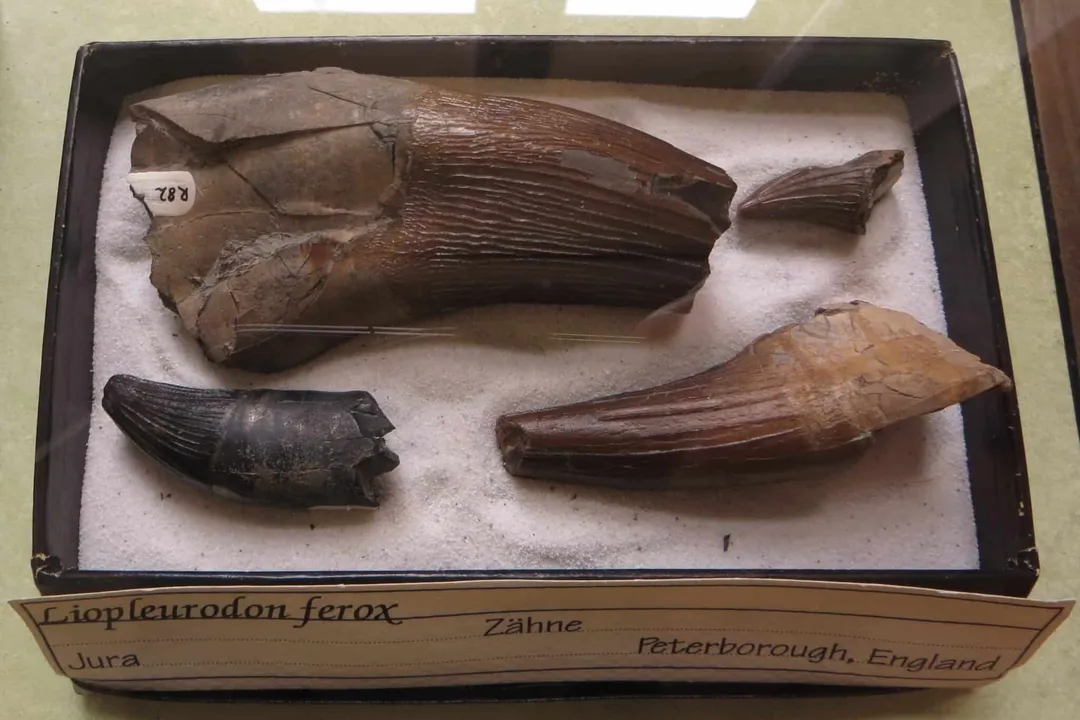
The massive marine reptile Liopleurodon has long captured the public imagination, often depicted as a nearly unstoppable ocean behemoth. Yet, when we move past the silver screen portrayals and delve into the fossil record, the question of how fast this apex predator could actually swim emerges as a fascinating intersection of anatomy and ecology. Unlike the slow, lumbering giants sometimes imagined, the actual Liopleurodon possessed a physique engineered for bursts of devastating power, suggesting its speed was less about marathon swimming and more about explosive attack.
# Pliosaur Propulsion
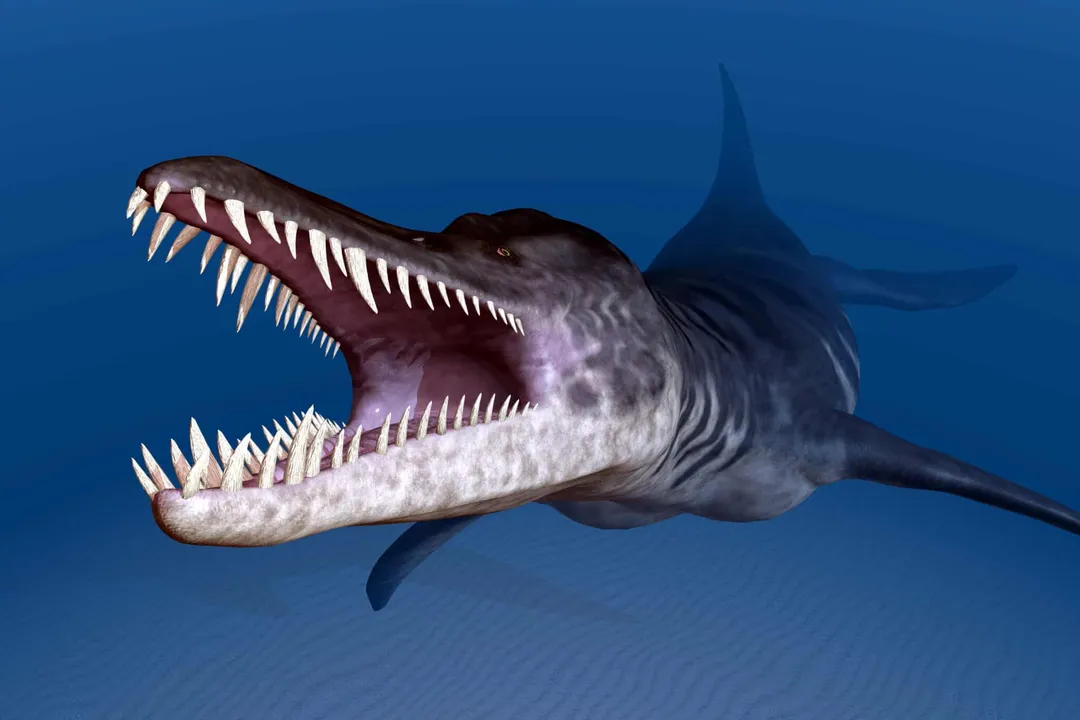
The very nature of the Liopleurodon dictates its method of movement. Belonging to the pliosaurs, this marine reptile was distinct from its long-necked relatives, the plesiosaurs. [1] Its body plan featured an elongated, powerful skull, a relatively short neck, and a thick, muscular torso anchored by four large, paddle-like flippers. [1] These flippers were the engine room of the animal.
Fossil evidence points toward a locomotion strategy unique to its group. The four strong, paddle-like limbs allowed for a method of propulsion characteristic of all plesiosaurs. [1] Crucially, while this configuration may not have been the most energy-efficient design for sustained cruising across vast distances—like a dolphin or tuna might manage—it provided an exceptional mechanical advantage for quick bursts of motion. [1]
When comparing the pliosaur's mechanics to its contemporaries, the difference is stark. Liopleurodon shared the Jurassic seas with the gentler Plesiosaurus, which featured a much longer neck and a more elongated, barrel-shaped body. While Plesiosaurus utilized its flippers for graceful movement, its structure was fundamentally different from the compact, powerful frame of the pliosaur.
# Speed Metrics
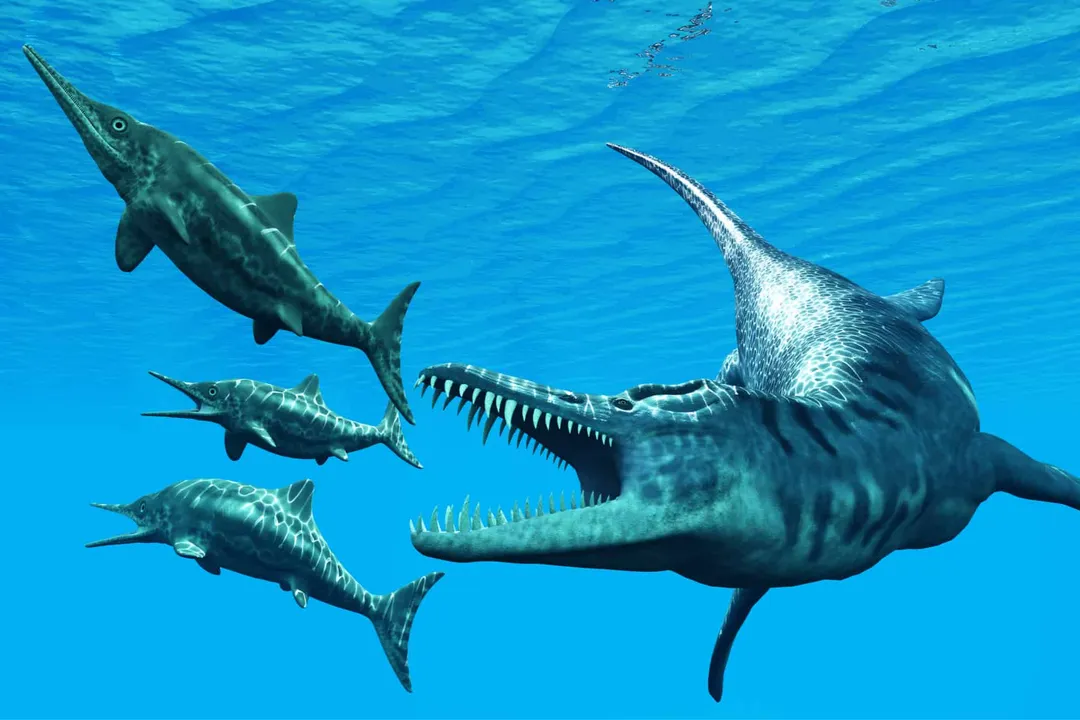
When scientists attempt to put numbers to these prehistoric movements, we begin to see where Liopleurodon stood in the Jurassic marine speed hierarchy. Based on extrapolations from its robust skeletal structure and powerful flipper design, Liopleurodon is estimated to have been a remarkably swift swimmer for its size. [1]
One estimation places the speed of Liopleurodon in the range of 23 to 28 miles per hour (37 to 45 km/h). This figure places it firmly in the realm of effective marine hunters, capable of closing the distance on fast-moving prey. However, this speed is not limitless; it was certainly not as fast as a modern Great White Shark, another famous apex predator. [1]
To better frame this velocity, a direct comparison with its long-necked cousin is illuminating. The sleeker, perhaps more cursorial Plesiosaurus, while agile, is estimated to have moved at a significantly slower pace, somewhere between 5 and 10 mph (8 to 16 km/h). This suggests that in a simple chase scenario, the pliosaur would easily outpace the classic long-necked form, though the distinction between predator and prey is heavily dependent on the specific prey available.
The anatomical differences between the two groups suggest very different ecological niches regarding speed:
| Feature | Liopleurodon (Pliosaur) | Plesiosaurus (Plesiosaur) | Implication for Speed |
|---|---|---|---|
| Body Shape | Streamlined, thick torso | Elongated, barrel-shaped | More power concentrated for bursts |
| Flippers | Longer and more powerful | Shorter, paddle-like | Better thrust and rapid maneuverability [1] |
| Max Estimated Speed | 23–28 mph | 5–10 mph | Significantly faster top end |
| Primary Hunting Style | Ambush predator [1] | Steady pursuit/snatching | Speed needed for attack initiation [1] |
The data clearly indicates that Liopleurodon was built for velocity, but the context of why it needed that velocity is critical.

# Acceleration Focus
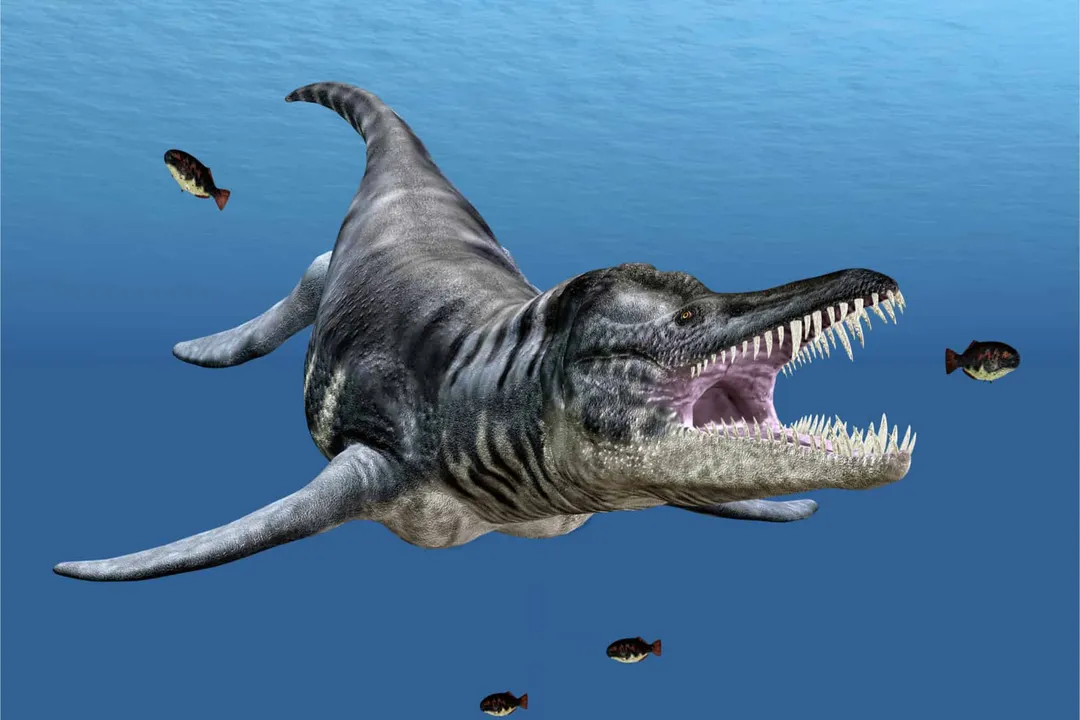
The key to understanding Liopleurodon's swimming capability lies in the observation that its propulsion system delivered very good acceleration. [1] For an animal described as an ambush predator, this metric is arguably more valuable than maximum sustained speed. [1] An ambush hunter doesn't need to keep pace with a fleeing herd for miles; it needs to rocket from near-invisibility or a resting state into striking distance before the target can react or change course.
The four-flipper configuration, acting like synchronized hydrofoils, would allow Liopleurodon to quickly overcome inertia. Imagine a massive creature suddenly engaging its entire aquatic musculature to lunge forward—this rapid change in momentum is what made it a menace in the Late Jurassic seas of Europe. [1] This capability was essential for tackling the large prey it targeted, which included fish, cephalopods, and other marine reptiles. [1]
This focus on acceleration over sustained cruising speed presents an interesting ecological trade-off. If an animal is constantly moving at 25 mph, it burns energy rapidly. If it can stay hidden or stationary, conserve energy, and then achieve a high speed very quickly, it maximizes hunting success while minimizing energy expenditure during non-hunting periods. It suggests Liopleurodon was more of a tactical predator than a relentless pursuer, relying on surprise and overwhelming initial force. [1]
# Size Revision Drag
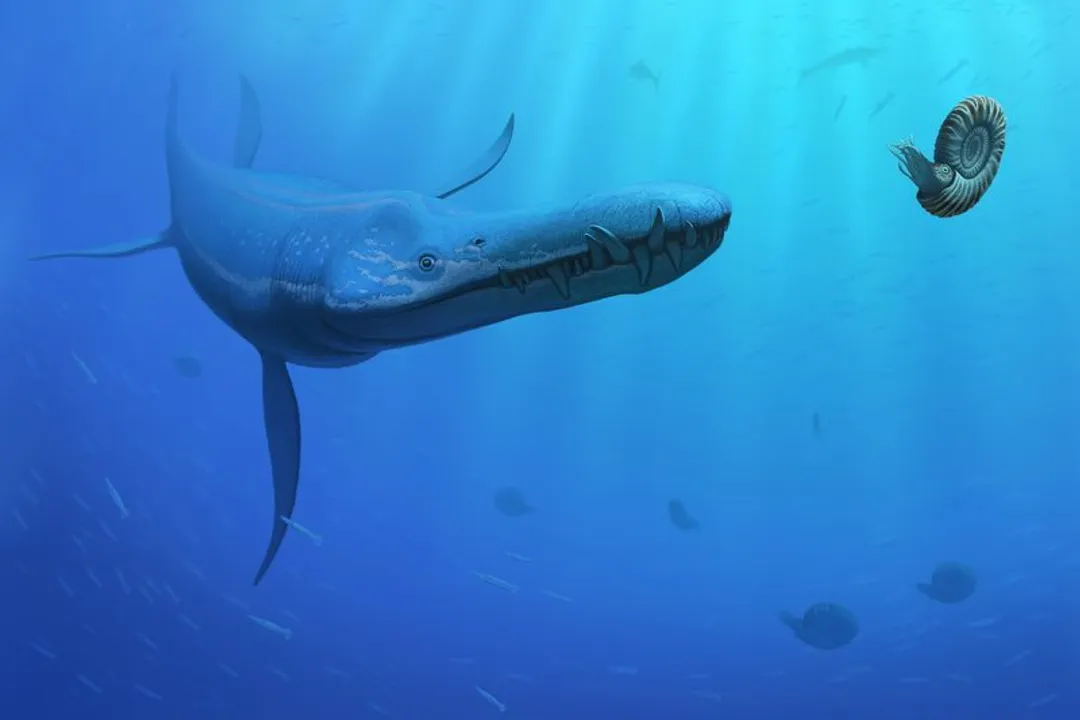
Any discussion about the speed of Liopleurodon must address the elephant in the room: its famously exaggerated size in popular culture. Its depiction in the 1999 BBC series Walking with Dinosaurs suggested a length exceeding 80 feet, leading to a lasting public impression of a truly gigantic, possibly whale-sized, marine reptile. [1][4] In this scenario, maintaining even moderate speed would require phenomenal power, likely making such an animal slow and ponderous compared to its actual fossil evidence.
Current paleontological estimates place the actual length of Liopleurodon between 4 and 8 meters (13 to 26 feet), with some suggesting a maximum near 10 meters (33 feet). [1][4] The Animal Matchup source leans toward a maximum of 23 feet. This more conservative size range—while still massive for a reptile—makes the cited speeds of 23-28 mph much more physically plausible. The physics of moving a 30-foot-long, torpedo-shaped animal are vastly different from moving an 80-foot one. The popular image essentially mandated a slow speed due to unrealistic mass, whereas the scientifically accepted size allows for the noted considerable clip. [1] The continued cultural attachment to the oversized version acts as a historical speed limit on public perception.

# Breathing Depths
While the flippers determine horizontal speed, the fact that Liopleurodon was a reptile provides another constraint on its sustained aquatic performance. Like modern whales or seals, Liopleurodon possessed lungs, not gills. [1] This meant that even as the apex predator dominating the shallow European seas, it was tethered to the surface for necessary respiration. [1]
This requirement for air likely dictated its hunting behavior and dive profiles. A massive predator that needs to surface periodically cannot afford to chase prey into the deep abyss for extended periods. It suggests that its feeding grounds were likely within the upper water column or that its prey, such as smaller marine reptiles, were themselves constrained to shallower depths. The need to breathe might have provided brief windows of opportunity for faster, fully aquatic, gill-bearing creatures to evade it, provided they could keep it underwater long enough.
In summary, the question of Liopleurodon's swimming speed is best answered by understanding its purpose. It was an apex predator built for high-acceleration ambush attacks in the relatively shallow waters of the Late Jurassic. Its actual speed, estimated in the high twenties of miles per hour, combined with its powerful four-flipper drive, would have made it an explosive hunter, provided it wasn't the impossibly large creature from old documentaries. For the true animal, speed meant striking first and striking hard.
Related Questions
#Citations
Liopleurodon - Wikipedia
Liopleurodon | Primal Wiki - Fandom
Liopleurodon - Its jaws were three times the size of Tyrannosaurus ...
Liopleurodon Animal Facts - Liopleurodon ferox - A-Z Animals
Liopleurodon - Fossils and Archeology Wiki
10 Facts About Liopleurodon - ThoughtCo