How fast is a dhole?
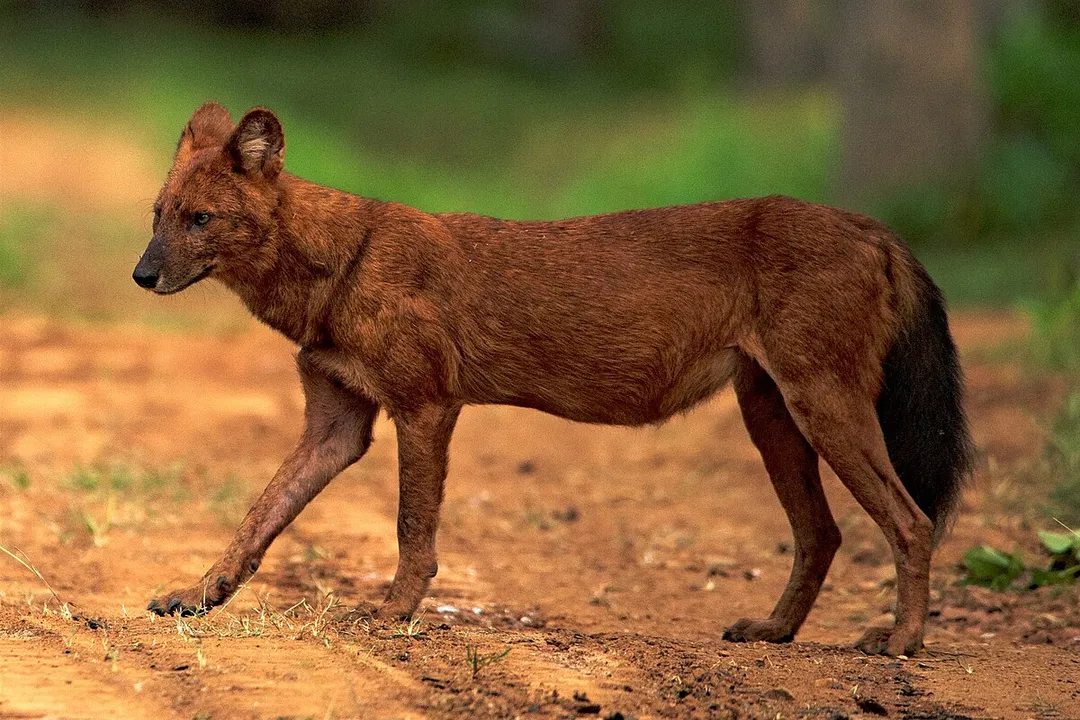
The Cuon alpinus, known more commonly as the dhole or Asian wild dog, is a fascinating and highly social member of the Canidae family, often sharing its Asian habitats with formidable predators like tigers and leopards. While they are renowned for their cooperative hunting strategies, one natural question that arises when observing such an athletic canine is just how fast these creatures can move when the chase is on. The answer reveals a creature built for sustained effort rather than just all-out explosive speed.
# Maximum Velocity
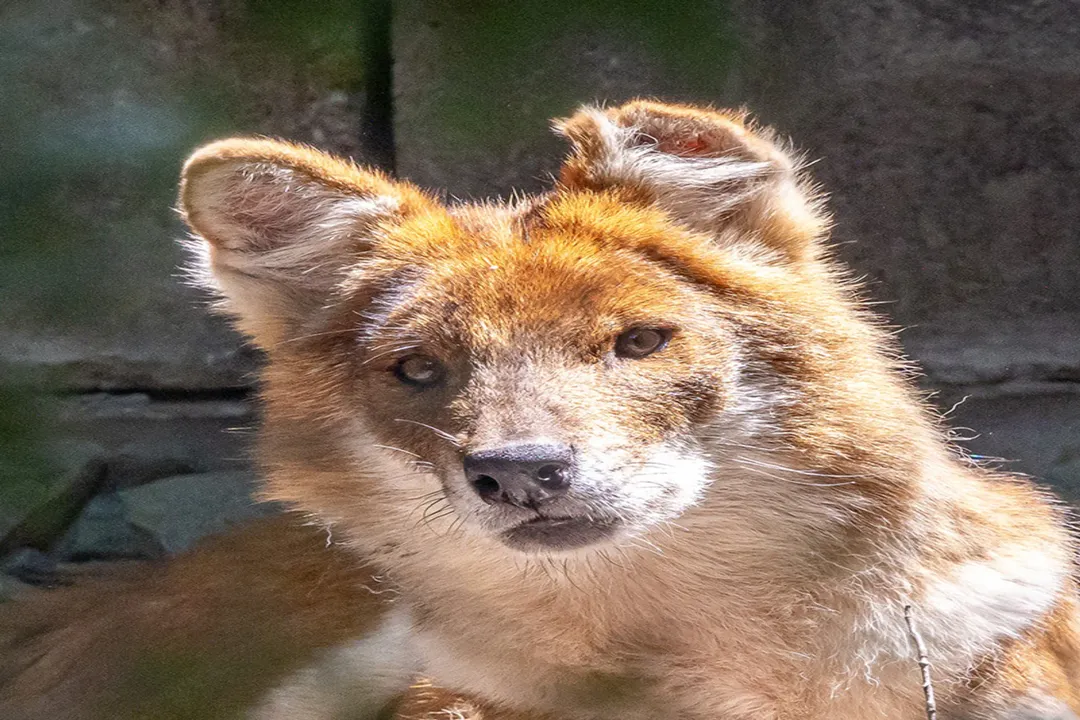
When assessing the top speed of the dhole, the data suggests a capacity for impressive quickness. Some accounts indicate that dholes are capable of reaching speeds up to 45 mph. However, when specifically observed during the pursuit of nimble prey, they have been recorded running at a pace of 50 km/h. Another measure places their swiftness at up to 55 km/h. Translating these metrics, 50 km/h equates to approximately 31 mph, while 55 km/h is about 34 mph. In any case, this places them firmly in the category of fast runners among mammals.
This speed is critical for an animal whose primary diet consists of medium to large ungulates like deer and wild boar. Dholes generally favor hunting during the early morning hours, relying heavily on their sight, and they are known to chase their quarry for extended periods.
# Endurance Pace
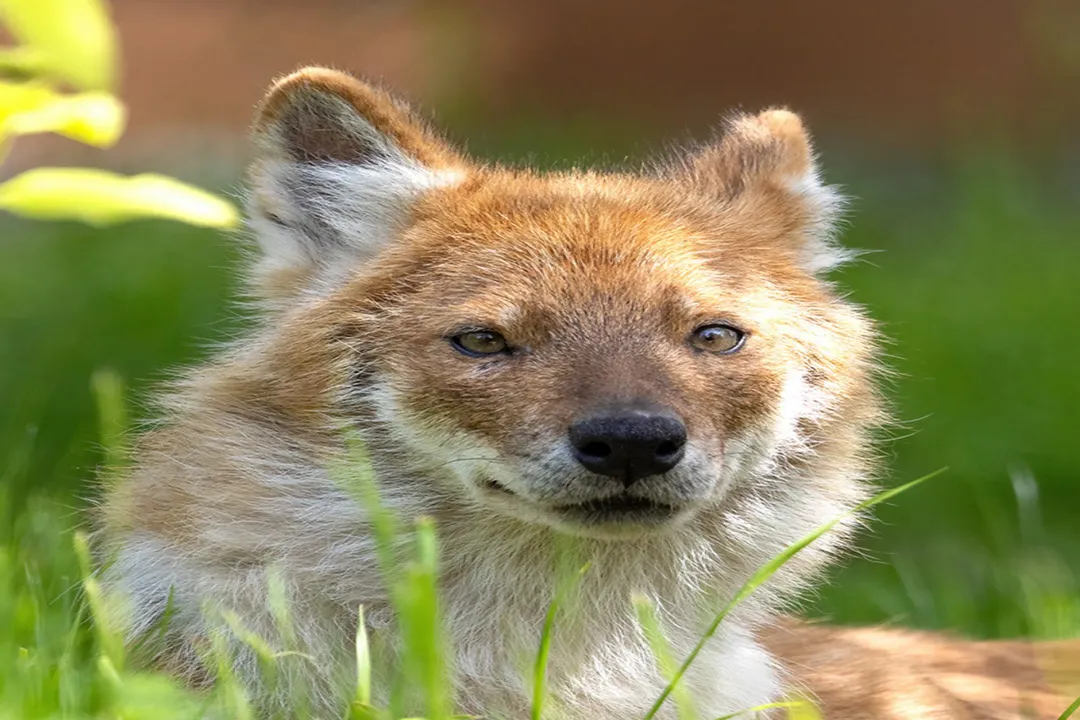
What truly sets the dhole apart from many other high-speed predators isn't the peak velocity itself, but the ability to sustain it. Unlike a cheetah, which relies on an unmatched, short-lived burst, the dhole pack employs a system of relay running that requires consistent, high-level output from multiple individuals over distance. They can maintain their considerable pace for several long minutes, successfully exhausting larger prey that would otherwise escape.
When compared to a fox—another canid that might share a habitat—the difference in hunting strategy becomes clearer. Foxes, which are generally solitary hunters, can reach speeds of 30 to 40 mph (48 to 64 km/h), but these bursts are used to capture small, quick prey or escape danger. The dhole, by contrast, leverages its pack structure and speed together. If one dhole tires while pursuing a sambar deer, another takes over the chase, ensuring the prey's energy reserves are depleted before the pack even needs to close in for the final coordinated attack. The pursuit itself is often short—most chases last around 500 meters—but the intensity and the reliance on sustained momentum across the pack are what secure the advantage.
It is worth noting that for a pack-hunting social carnivore, achieving that consistent pace is a necessity dictated by group survival. A solitary hunter can afford to misjudge a sprint, but a pack needs to secure a large kill to feed several mouths. Therefore, the dhole's evolutionary path favored endurance that could reliably overcome the stamina of large prey, a need that is structurally supported by their lack of rigid dominance hierarchies, allowing for more fluid cooperation within the clan. This focus on sustained speed over sheer top-end velocity is a hallmark of many successful endurance predators in the wild.

# Body Design
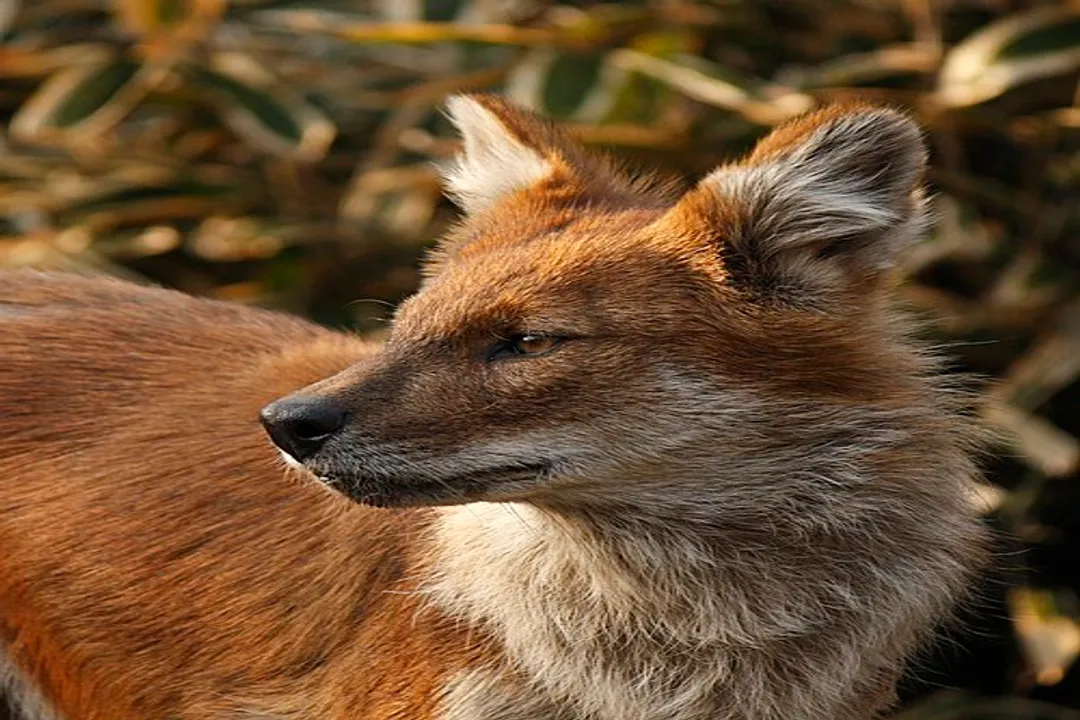
The physical characteristics of the dhole reflect this commitment to sustained pursuit. They possess a more robust build compared to the slender fox. While they share the Canidae family with wolves, their anatomy shows specific distinctions; for example, they have a wider and more massive skull and highly developed masseter muscles, giving their face a somewhat hyena-like appearance.
Perhaps the most telling anatomical adaptation relates to their diet and eating speed. Dholes possess fewer molars than most other canids—they typically have six rather than seven lower molars, and their upper molars have only a single cusp. This dental structure is thought to improve their shearing ability, allowing them to consume prey quickly once it is subdued. Given that dholes will often begin eating before their large prey is fully deceased, the ability to rapidly process meat is essential for minimizing the risk of confrontation with competitors like tigers, who can easily steal their hard-won meals. This physiological trait, combined with their running pace, directly supports the clan's entire feeding ecology.
# Other Skills
Speed on the ground is not the dhole’s only impressive athletic feat. The dhole is also characterized as an excellent swimmer and an impressive jumper. Packs are known to drive their prey into water bodies, knowing that this will naturally hinder the movements of their quarry. Furthermore, their jumping prowess is remarkable; an adult dhole can reportedly leap straight up over 7 feet (2.1 meters) into the air. This combination of terrestrial speed, aquatic capability, and vertical leaping makes them exceptionally versatile hunters in varied Asian terrain, from dense forests to hilly regions.
Ultimately, the dhole’s speed—a sustainable sprint that maximizes pack efficiency over distance—is intrinsically linked to its specialized social life and unique physical adaptations, making it one of Asia’s most specialized and effective pack hunters.
#Videos
Dhole Fact speed - YouTube
Related Questions
#Citations
Dhole | Zoo de Granby
Dhole Facts For Kids | AstroSafe Search - DIY.ORG
Dhole - Wikipedia
Dhole Fact speed - YouTube
Cuon alpinus (dhole) | INFORMATION - Animal Diversity Web
Fox Vs Dhole - The Comparison on Behavior, Habitat, Hunting
Dhole | San Diego Zoo Animals & Plants