Do Kinglets visit feeders?
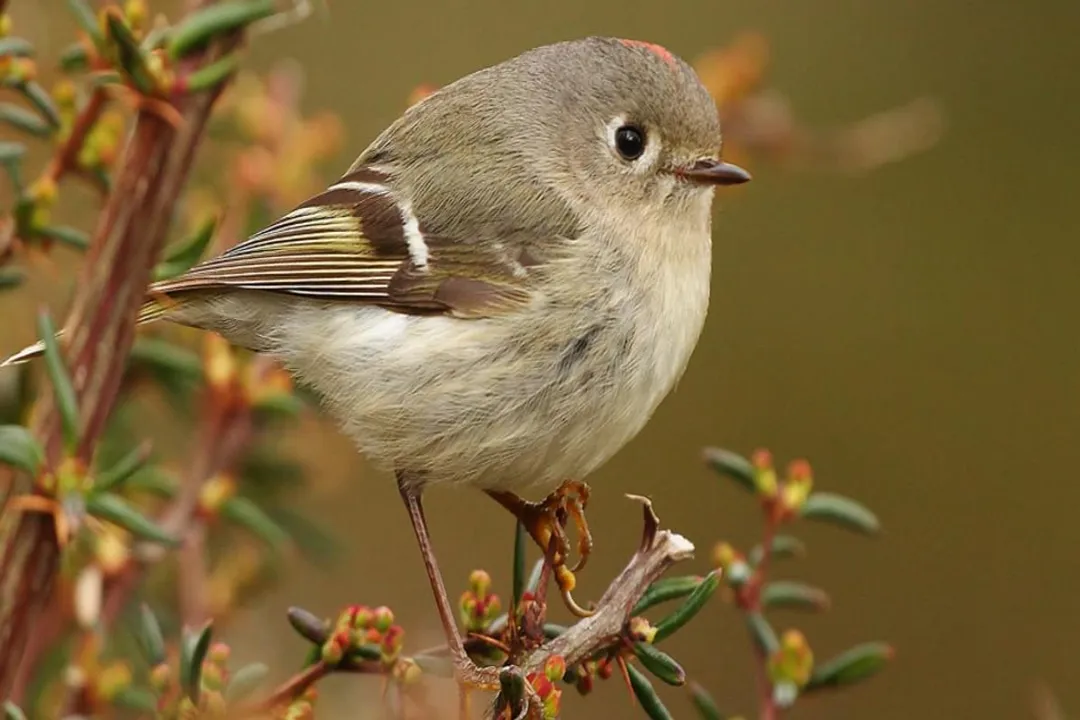
Encountering a tiny Kinglet fluttering around a backyard feeder is often noted by bird enthusiasts as a genuine treat. These diminutive birds, often just skimming the edges of the backyard food scene, prompt the frequent question of whether they actually use our carefully stocked feeders. The answer requires understanding their primary dietary needs, as Kinglets are not seed specialists; they are dedicated insectivores. Their diet in the wild consists mainly of insects, spiders, and even aquatic insects, which they expertly glean from foliage and branches.
# Insect Diet
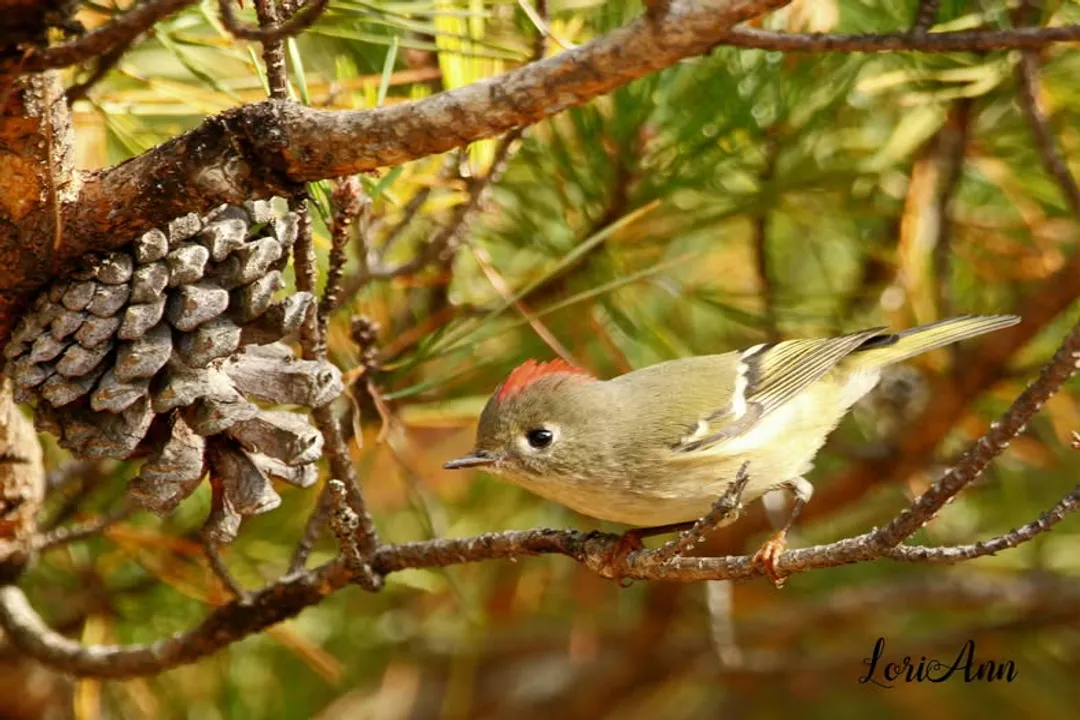
The fundamental nature of the Kinglet dictates its typical feeding behavior. They possess specialized feeding styles geared toward snatching tiny arthropods from leaves and twigs. This specialized focus means that standard mixes of sunflower seeds, safflower, or millet offered to jays or cardinals will likely go completely untouched by a Kinglet. They are built and programmed to find protein and chitin, not hard kernels.
What becomes immediately apparent when looking at their needs is the sheer volume they must consume. A Ruby-crowned Kinglet must eat a significant amount of food daily, sometimes consuming up to twice its body weight just to maintain its energy levels. This high caloric demand, particularly during migration or cold weather, is the key factor that sometimes drives them toward alternative, high-energy resources like feeders.
# Feeder Visits
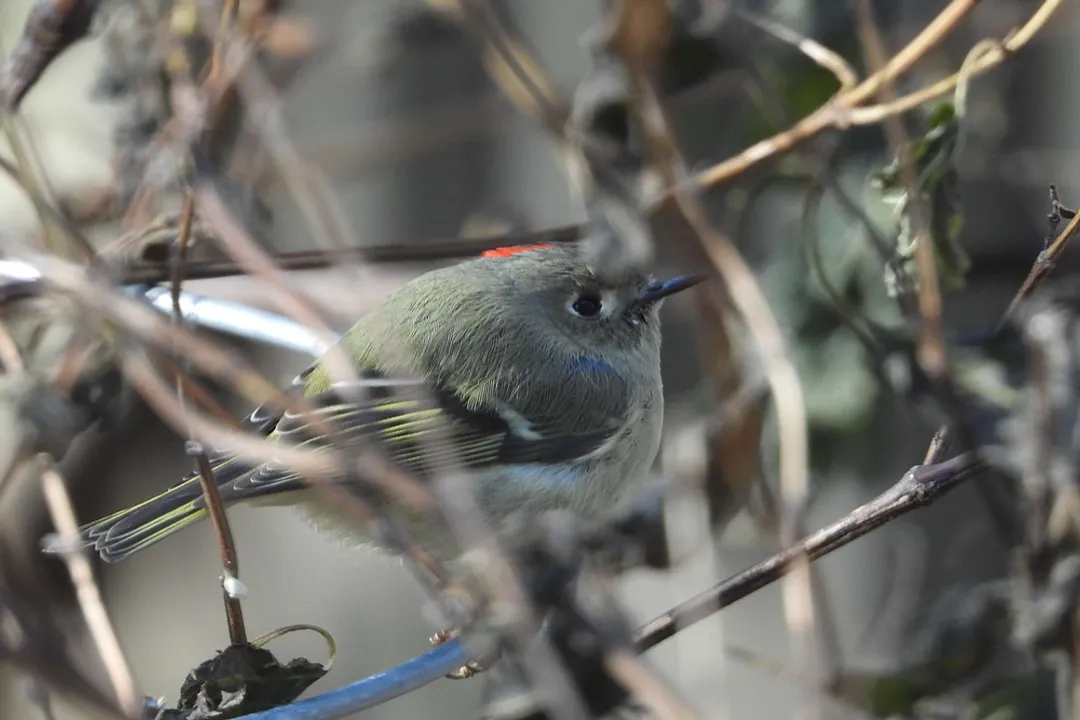
While they prefer insects, observations confirm that Kinglets do sometimes visit bird feeders, though this is less common than seeing chickadees or finches. These visits are almost universally associated with specific, high-fat offerings that mimic the concentrated energy found in dense insect clusters.
The most successful foods for attracting them are typically suet cakes or peanut butter mixtures. Suet, which is pure rendered fat, offers a very dense source of calories that can quickly bridge a gap when natural insect prey becomes difficult to find, such as during deep winter. Some sources suggest that a standard, plain suet cake might suffice, while others recommend looking for mixes that incorporate dried fruits or nuts, potentially making the offering more interesting or accessible to the Kinglet's foraging style. Peanut butter mixed with cornmeal or bird seed, sometimes called "upscale" peanut butter mixtures, can also occasionally appeal to them if the texture or fat content hits the right note. Anecdotal reports from birders confirm these sightings at feeders stocked with these particular items.

# Attracting Behavior
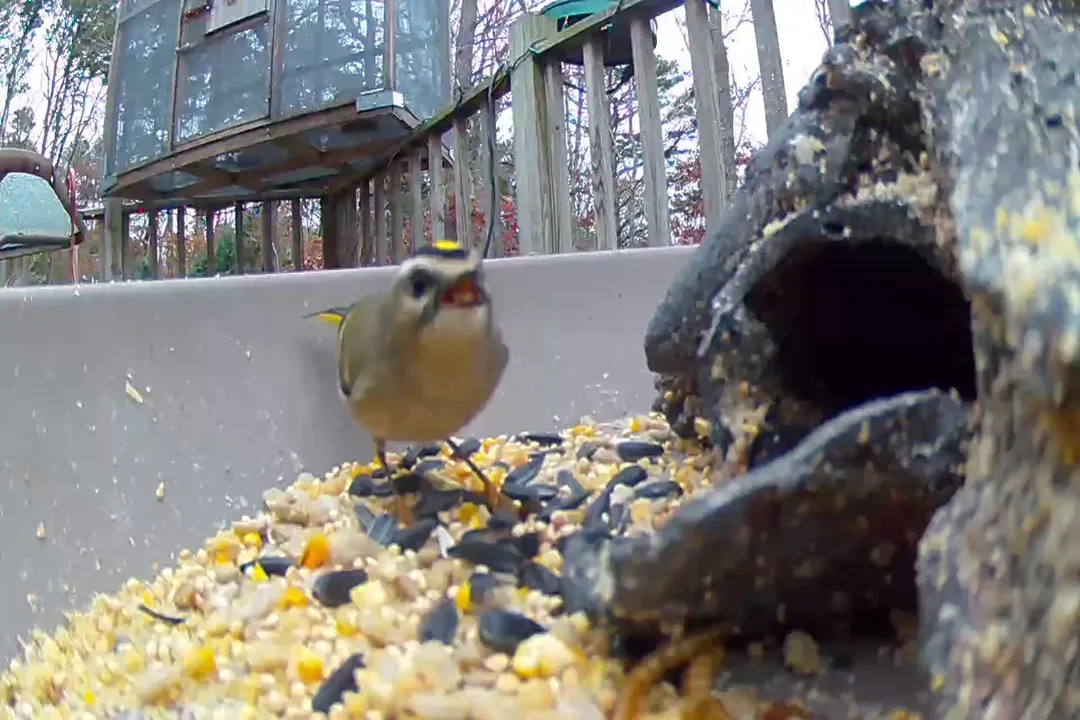
If attracting one of these energetic little birds is the goal, providing seed is counterproductive; the focus must shift entirely to fat and protein sources. Given that Kinglets are known to be rather timid visitors to the garden, understanding their preference for quiet, less trafficked areas is important. A common mistake might be placing a specialty suet cage right next to a large, busy platform feeder where cardinals and jays dominate. Considering the Kinglet's shy nature, placing an offering in a slightly quieter corner of the yard, perhaps near dense shrubs where they might naturally forage, could increase the chances of a successful visit.
When setting up your offerings, think about where they usually forage. They often forage by creeping along branches and inspecting the undersides of leaves, so a hanging suet feeder that allows for this vertical, acrobatic approach is preferable to a flat tray. For those interested in supporting them during migration or severe weather, offering suet that is specially formulated with mild spices or even high-quality, small dried mealworms mixed into a fat base might catch the attention of a highly motivated Kinglet. The crucial takeaway is to shift the feeder's content, not necessarily its location, though proximity to cover is also beneficial for this cautious species.
# Species Notes
It is also worth briefly noting that there are two main types of Kinglets frequently seen: the Ruby-crowned and the Golden-crowned Kinglet. While their feeding preferences are very similar—both being primarily insectivorous—a birder should be aware of which species they are hoping to observe, as identification cues differ, such as the male Ruby-crowned's namesake flash of red color.
When you observe a Kinglet at a feeder, you are witnessing a highly energetic bird taking a break from its relentless search for tiny prey to take advantage of a concentrated energy source. Because they spend so much time actively hunting, they do not linger long at feeders, which often contributes to the feeling that the visit was fleeting or rare. If you see one, take a moment to appreciate the tiny spark of movement; these birds undertake impressive migrations and require consistent fuel to keep their metabolic fires burning hot. Their presence at a feeder suggests that either the natural insect supply in your immediate area is temporarily thin, or the high-fat offering provided a much-needed caloric shortcut on a particularly cold day.
Related Questions
#Citations
SPOTTING A RUBY-CROWNED KINGLET AT A FEEDER IS ...
Ruby-crowned Kinglet - All About Birds
What can be used to attract Ruby-Crowned Kinglets to a feeder at ...
A Ruby-crowned Kinglet at the bird feeder - Reddit
How to attract kinglets to my yard? Are kinglets feeder birds? I know ...
Fun Facts About Kinglets - Glen Mills - Wild Birds Unlimited
The Timid Ruby-Crowned Kinglet - Birds Of West Cobb
How to Attract Ruby-crowned Kinglets - The Southern Wild