What is a huskydoodle?
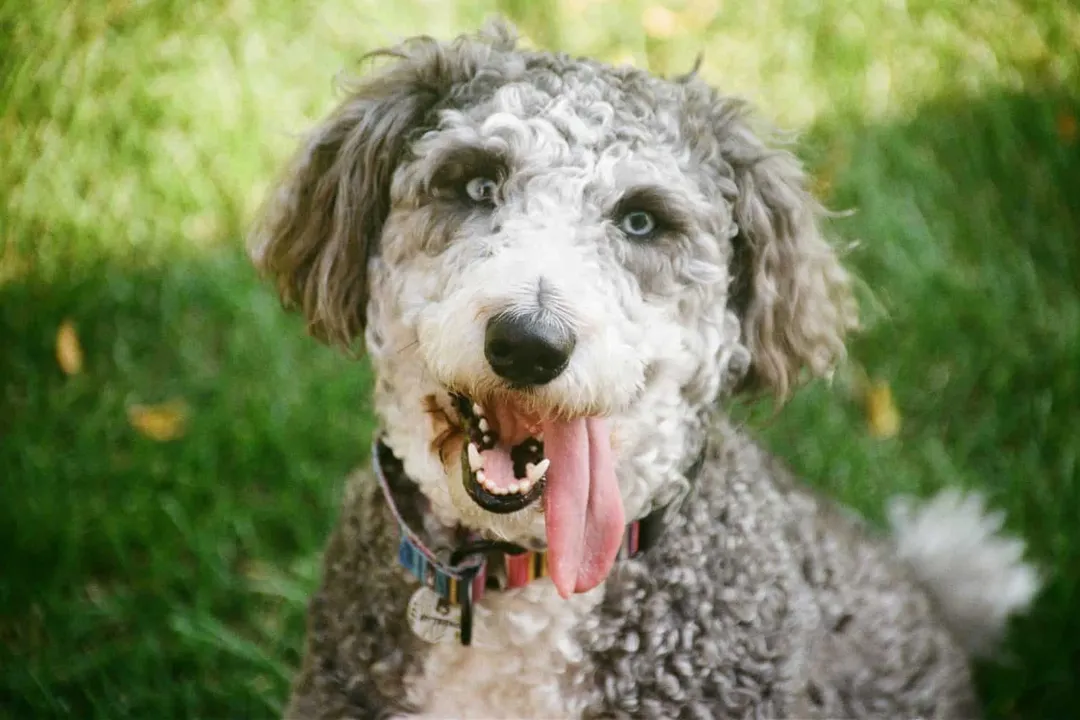
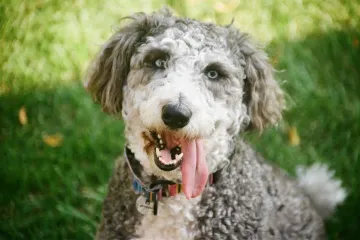
The Huskydoodle, often sought after for its striking looks and spirited personality, is a designer crossbreed resulting from mixing a Siberian Husky with a Poodle. [1][2][3] Because it is a hybrid, it does not carry recognition from major kennel clubs like the American Kennel Club (AKC). [2][4] This mix aims to blend the Husky's endurance and striking appearance with the Poodle's intelligence and often lower-shedding coat qualities. [1][3] However, like any hybrid, the resulting dog can lean heavily toward one parent breed or present a true mix of traits, making predicting any single Huskydoodle's characteristics a complex endeavor. [4]
# Parentage
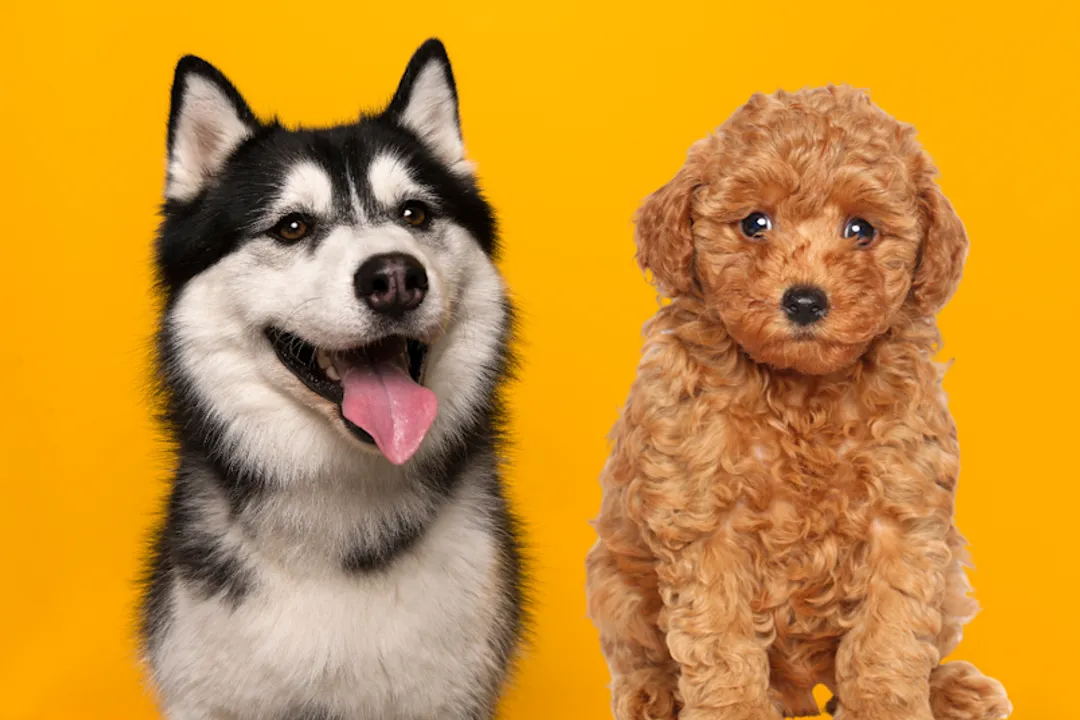
Understanding the Huskydoodle means first appreciating the foundation breeds it springs from. [3] The Siberian Husky brings strong working drive, independence, and notorious vocalizations (howling rather than barking) to the mix. [1][3] Huskies are known for their thick double coats and often intense blue or bi-colored eyes. [1] On the other side of the equation is the Poodle, generally introduced as a Standard or Miniature variety. [3] Poodles are celebrated for their high intelligence, trainability, and famously low-shedding coats. [4] When these two distinct types—the rugged northern sled dog and the highly refined, clever water retriever—are combined, the result is a dog with a high potential for both exceptional loyalty and significant challenge. [2][3]
# Physical Traits
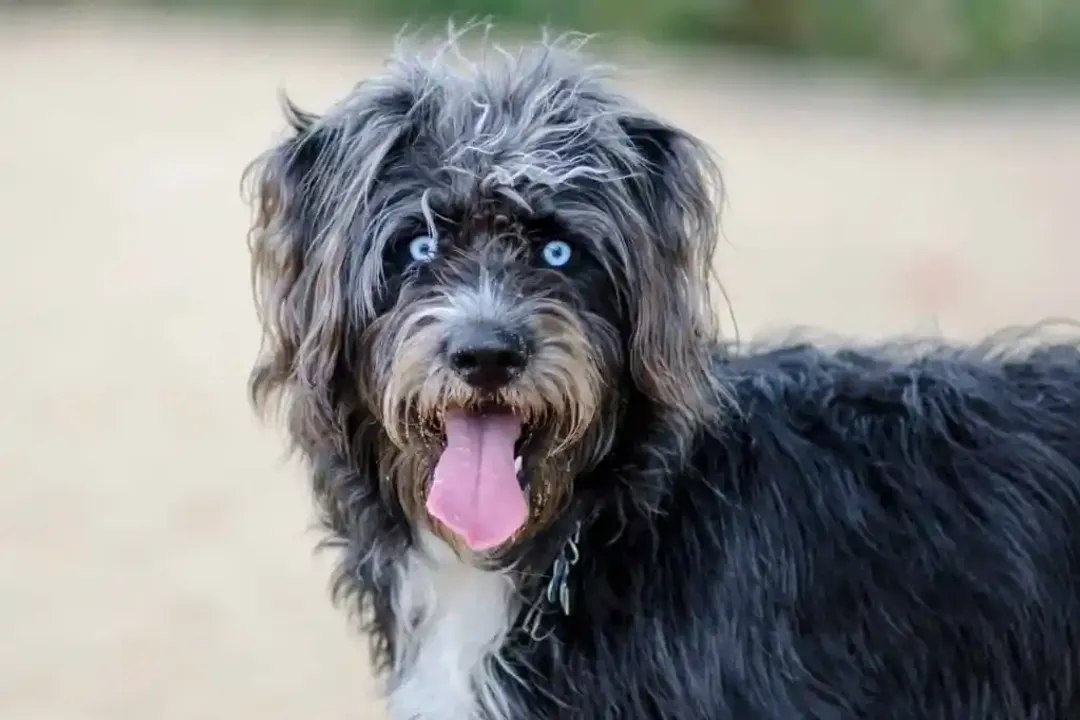
A Huskydoodle’s physical presentation is perhaps the most variable aspect of the breed type. [1] You will rarely find two Huskydoodles looking exactly alike, as coat type, color, and size are heavily influenced by which parent’s genes are more dominant. [4]
# Size Range
The ultimate size is largely determined by the Poodle used in the pairing. A cross involving a Standard Poodle generally results in a medium to large dog, potentially weighing between 40 and 70 pounds. [3][4] If a Miniature Poodle is used, the resulting dog will be smaller, though still often substantial. [3] They generally mature into athletic builds, inheriting the Husky's muscular frame. [4]
# Coat Variety
The coat is a major deciding factor for many prospective owners, often hoping for the Poodle's low-shedding nature. [4] This coat can range from thick and fluffy, resembling the Husky’s, to wavy, curly, or even straight. [1][3] While some Huskydoodles shed very little, especially those inheriting more Poodle qualities, they are not guaranteed to be hypoallergenic. [4] It is important to recognize that Huskies shed heavily, especially seasonally when they "blow" their undercoat, meaning a Huskydoodle is always a risk for shedding, regardless of its coat texture. [4]
A crucial point in considering the coat inheritance is the generation of the cross. In an F1 generation (first cross between purebred parents), the predictability of coat type is low, essentially a 50/50 gamble between the Husky coat and the Poodle coat. [1] When looking at later generations (F2 or multi-generation crosses), you might see more consistency emerge, but this requires careful, ethical breeding practices that are not always present in designer dog breeding. [1]

# Temperament Profile
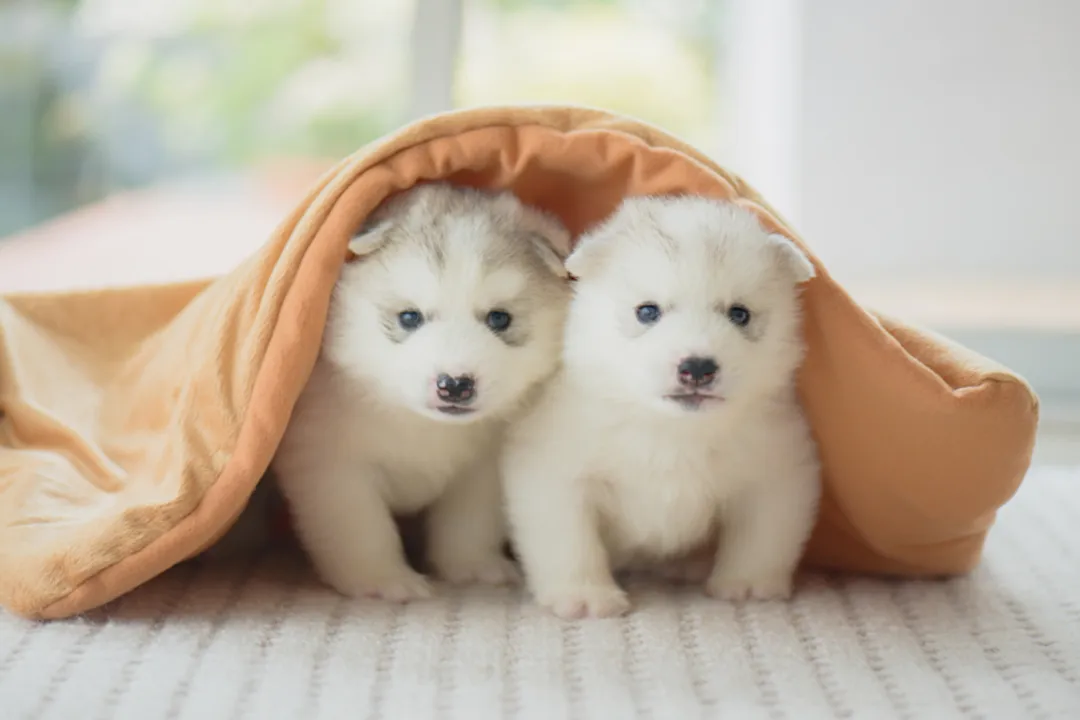
The mental makeup of the Huskydoodle is a fascinating blend of high drive and high intellect. [3] They possess an abundance of energy and require significant daily activity to remain happy and well-adjusted. [1][4]
# Energy Needs
These dogs are not content with a short walk around the block. They often need intense physical exercise, such as jogging, hiking, or serious play sessions, to manage their high energy reserves. [1][4] A bored Huskydoodle, much like a bored Husky, can easily become destructive, hyperactive, or develop nuisance behaviors. [7]
# Intelligence and Drive
The Poodle influence contributes significant intelligence, making this dog capable of learning complex commands. [3] However, this intelligence, combined with the Husky's independent streak, means they often need more than just physical outlets; they require mental challenges too. [1] They thrive on problem-solving activities, agility, or advanced obedience work. [4] If they are not given a "job" to do, their sharp minds will invent their own, which owners rarely approve of.
For example, a common scenario is where an owner expects the Poodle’s eagerness to please but encounters the Husky’s tendency to decide whether a command is worth following in the moment. [3] This dual nature means that while they can learn quickly, consistency from the owner is paramount. [4]
# Training and Socialization
Due to their mixed heritage, training a Huskydoodle requires a specific approach. [2] Owners must be prepared for the intelligence of the Poodle coupled with the stubbornness inherited from the Husky. [3]
# Establishing Authority
Positive reinforcement methods work best for this breed, capitalizing on their intelligence. [4] However, owners must establish clear boundaries early on. If the dog perceives a lack of leadership, the Husky side may lead to dominance challenges or general willful disobedience. [3] Early socialization is critical; introducing the puppy to a wide variety of sights, sounds, people, and safe dogs while they are young helps mitigate potential wariness or over-excitement. [4]
If you are considering introducing one of these active dogs into a home with very young children or non-dog-savvy adults, you must dedicate time to training everyone on canine body language and appropriate interaction. [2] A high-energy, accidentally bouncy dog might accidentally injure a small child without malicious intent, simply due to exuberance. [4]
# Vocalization
Be prepared for noise. While Poodles are generally quiet dogs, Huskies are known for their distinctive vocalizations—howling, woo-wooing, and talking. [1] A Huskydoodle is very likely to inherit this tendency, meaning they might be more prone to howling than barking, particularly if left alone for long periods. [4] Prospective owners should investigate local noise ordinances or consider soundproofing measures if they live in close quarters, as this vocal nature is a common trait carried over from the Siberian parent. [1]
# Health and Lifespan
Generally, mixed-breed dogs can benefit from hybrid vigor, potentially leading to fewer hereditary issues than seen in some purebred lines. [3] However, mixing two breeds means the dog is susceptible to health conditions common to both parent lines. [4] A responsible breeder will screen their parent dogs for known issues in both Huskies and Poodles. [3]
Common health concerns that potential owners should be aware of include:
- Hip and elbow dysplasia. [4]
- Eye issues, such as cataracts or Progressive Retinal Atrophy (PRA), both present in Huskies and Poodles. [3]
- Bloat (Gastric Dilatation-Volvulus or GDV), which is a risk in deep-chested dogs, often associated with the Standard Poodle. [3]
- Skin sensitivities, which can sometimes be exacerbated by the Poodle coat if not groomed properly. [4]
The expected lifespan for a healthy Huskydoodle usually ranges between 10 and 14 years, depending heavily on size (smaller dogs often live longer) and overall care. [1][4]
# Day to Day Care
Caring for an intelligent, high-energy, double-coated mix requires dedication, particularly in structuring their daily schedule. Owners must balance mental engagement with physical demands.
# Structuring Activity
Because both intelligence and energy must be addressed, a truly successful routine incorporates both aspects daily. For instance, a morning might involve a vigorous 45-minute off-leash run or structured fetch session. [1] The afternoon, after a necessary rest period, should focus on mental labor. Instead of just feeding kibble from a bowl, using a puzzle feeder or a snuffle mat engages their scavenging drive and high intellect, making them "work" for their meal. [4] To put this into a tangible structure: aim for a minimum of one hour of focused physical activity and 30 minutes of dedicated cognitive engagement every single day the dog is an adult. [2]
# Grooming Requirements
Grooming needs depend entirely on the coat inherited. A curlier coat requires daily brushing to prevent painful matting, and professional grooming every 6 to 8 weeks is often necessary. [4] Even a wavier coat needs brushing several times a week. [3] If the dog inherits the Husky double coat, be prepared for significant seasonal shedding twice a year, requiring heavy-duty dematting rakes and intensive brushing sessions. [1] Owners often underestimate the sheer volume of hair generated by the Husky side, even if the coat appears relatively straight. [4]
# Suitability Assessment
The Huskydoodle is not a breed well-suited for every home. They thrive best with experienced dog owners who have active lifestyles and understand the commitment required for high-drive breeds. [2][3] They do not do well if crated for long periods or left alone without sufficient physical and mental stimulation. [1] Apartment living can be challenging unless the owner is exceptionally committed to providing adequate outdoor time and indoor enrichment. [4]
This mix demands an owner who can be consistent, patient, and above all, committed to ongoing training and activity throughout the dog’s entire life. While they bond deeply with their families, their need for vigorous engagement means they require inclusion in family activities rather than being relegated to the backyard. [2] When matched with the right active, dedicated household, the Huskydoodle becomes an enthusiastic, clever, and devoted companion. [3]
#Videos
The Huskydoodle aka the Huskypoo, belongs to the hybrid group.
Related Questions
#Citations
Huskydoodle Dog Breed Information & Characteristics - DogTime
Huskydoodle: The Husky and Poodle Mix - Embrace Pet Insurance
Husky Poodle: Your Complete Guide - Dog Academy
Poodle Husky Mix Facts - Alpha Paw
The Huskydoodle aka the Huskypoo, belongs to the hybrid group.
Huskydoodle Dog Breed Complete Guide - A-Z Animals
Huskydoodle (Husky & Poodle Mix): Info, Pictures, Care Guide & More
Huskydoodle too hyperactive and energized? : r/dogs - Reddit