Could Thylacoleo still exist?
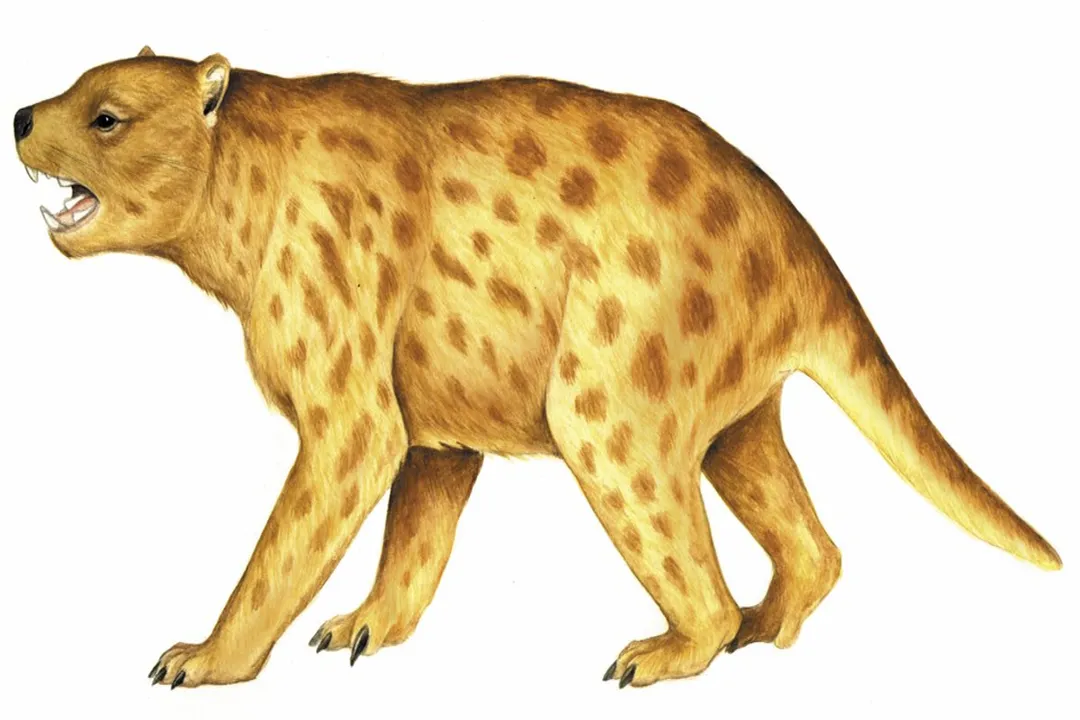
The enduring mystery surrounding Australia's lost giants often circles back to one particularly fearsome creature: Thylacoleo carnifex, the marsupial lion. This animal, unlike any modern carnivore, sparks fascination not just because of its terrifying attributes, but because its final curtain call happened so long ago, leaving a tantalizing gap in the continent's history. While the scientific consensus firmly places its extinction tens of thousands of years in the past, the sheer size of Australia and the persistence of anecdotal reports keep the 'what if' alive in the public imagination.
# Marsupial Might
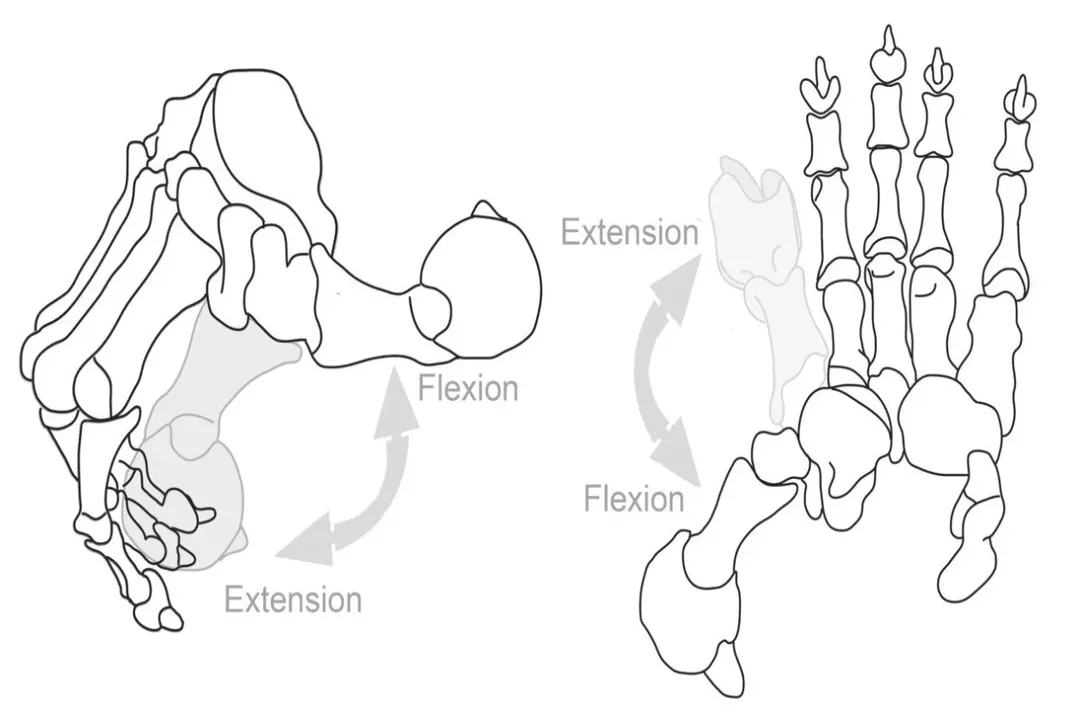
To understand the possibility of its survival, one must first appreciate the animal that vanished. Thylacoleo carnifex was not a relative of true lions or any placental cat; it was a highly specialized apex predator that belonged to the order Diprotodontia, making it a cousin to kangaroos and possums. [4][7] This fact alone sets it apart from the world's other large mammalian carnivores. Its fossil remains, cataloged in collections worldwide [8] and recorded in biodiversity databases, [9] confirm a creature built for incredible predatory power.
It was an animal defined by its weaponry. Unlike the slashing canines of a wolf or the bone-crushing teeth of a hyena, the marsupial lion possessed highly specialized shearing premolars. [7] These teeth, massive for their size, functioned like a set of bone-crushing scissors, capable of delivering a fatal, precise strike. [4][7] Coupled with an astonishingly powerful bite—perhaps the strongest of any terrestrial mammal relative to its size—Thylacoleo seems to have been built for dispatching prey swiftly, possibly by severing spinal cords or major arteries. [7]
# Physical Profile
Estimates of its physical dimensions vary, but the creature was certainly formidable. While sometimes imagined as the size of a modern lion, some paleontologists suggest it may have been closer to the size of a leopard or perhaps even slightly smaller, yet possessing far more muscle mass concentrated in its forelimbs and jaw. [7] It was stocky and heavily built, suggesting it was not built for long chases across open plains, but rather for ambush tactics, relying on explosive bursts of speed and unparalleled killing efficiency. [7] Imagine an animal built like a heavy-set badger but the size of a large puma; that provides a better mental model than a sleek feline. [7]
This specialization suggests a unique ecological niche. Its survival in the modern era would depend entirely on an ecosystem that mirrors the one it thrived in, or one where its unique predatory adaptations offer a new advantage. The sheer difference between Thylacoleo and contemporary Australian carnivores like the dingo—an introduced placental mammal—highlights just how singular its role was. [7] The continued presence of its fossils confirms its existence in the megafauna landscape. [8][9]
# Extinction Timeline
The primary reason scientists dismiss the possibility of Thylacoleo surviving into recent history is the solid, though somewhat broad, timeline of its disappearance. Fossil evidence firmly places its extinction around 46,000 years ago. [5] This date is critical because it coincides with the end of the Pleistocene epoch and the broader extinction event that wiped out most of Australia's megafauna. [7]
The environmental context of this period is heavily implicated in its demise. Climate change, particularly the drying out and aridification of the continent, placed significant stress on the landscape and its inhabitants. [3] As the lush woodlands and wetter environments that supported large prey animals began to contract, the specialized Thylacoleo would have struggled to find sufficient resources to sustain its powerful metabolism. [3]
Simultaneously, this period overlaps with the arrival of modern humans in Australia. [3] While pinpointing a single cause for the megafauna extinction remains complex—it was likely a combination of climate pressure and human hunting—the timing strongly suggests that the ecosystem simply broke down before the marsupial lion could adapt. [3][5] If a small, isolated population had survived the climatic shift, the pressures of interacting with a new, highly effective predator (humans) would have likely been the final blow. [3]
When considering the sheer ecological disruption that occurred 46,000 years ago, it becomes evident that an animal so reliant on specific environmental conditions and large prey bases would not have a chance of persisting unnoticed into the modern era. A mammal of that size and predatory significance would leave a far more substantial footprint than a small, elusive creature.
# Cryptic Populations
Despite the paleontological timeline, the idea of a hidden population persists, often fueled by the vast, relatively unexplored wilderness areas of Australia, particularly Tasmania or remote mainland regions. [1] The logic often follows that if large, cryptic animals like the Thylacine (Thylacinus cynocephalus) were reported for decades after their official extinction date, why not Thylacoleo? Reports surface periodically suggesting sightings or unusual tracks, often discussed in online forums dedicated to cryptozoology or megafauna rewilding. [1][5]
However, there is a significant difference in scale and ecological visibility between the Thylacine and the Marsupial Lion. The Thylacine was a canid-like marsupial hunter, while Thylacoleo was likely more powerful, heavier, and possessed a radically different hunting style. [7] For Thylacoleo to survive undetected for 46 millennia, it would need to exist in numbers sufficient to maintain a viable breeding population, yet small enough to avoid any modern documentation, photographic evidence, or even confirmed remains (beyond the ancient ones). [1]
A truly viable, breeding population of any large mammal requires a substantial territory and prey base. Considering the current understanding of habitat fragmentation and land use across Australia, such a large, highly specialized predator would almost certainly have been encountered, photographed, or left undeniable evidence like remains or specialized scat, especially in areas where humans have long lived or worked. [1] The contrast between the documented reports of the Thylacine—which at least looked somewhat like a dog—and the complete lack of modern evidence for the bizarrely structured Thylacoleo weighs heavily against its contemporary existence.
# De-Extinction Dreams
The discussion around survival often pivots to a more active form of existence: resurrection. Given the advances in genomics, the concept of bringing back long-lost species, known as de-extinction, has entered mainstream scientific discourse. [6] The question arises whether the genetic material of Thylacoleo, preserved in fossils, could be sequenced and used to recreate the species, perhaps even via hybridization with a closely related modern marsupial. [6]
The challenge here is immense. While DNA sequencing from ancient bone is possible, obtaining a complete, uncontaminated genome from a specimen 46,000 years old is exceptionally difficult. [6] Furthermore, the Quora discussions regarding hybridization suggest that even if a genome were pieced together, introducing a resurrected apex predator into the modern, human-altered Australian environment poses massive ecological and ethical dilemmas. [6] The original environment that sustained Thylacoleo—its prey spectrum, its habitat density, its climate—no longer exists in the same form. [3] Creating a hybrid might result in a creature unfit for the present day or one that becomes an invasive ecological threat itself. [6]
To further frame the ecological constraints, let us consider a hypothetical comparison based on known characteristics. If we estimate the metabolic needs of an animal built like Thylacoleo—powerful, heavy-set, with massive bite machinery—we can draw a parallel to modern big cats that require vast territories to secure sufficient large prey.
| Feature | Thylacoleo carnifex (Estimated) | Modern Equivalent (e.g., Large Cat) | Ecological Implication |
|---|---|---|---|
| Size/Mass | ~100-130 kg | ~150-200 kg | Higher density requirement for prey biomass [7] |
| Hunting Style | Ambush, specialized crushing bite [7] | Stalk/Pounce, shearing/tearing bite | Highly dependent on specific prey vulnerability [7] |
| Extinction Date | ~46,000 years ago | N/A | Indicates inability to cope with aridification [3][5] |
This comparison underscores that Thylacoleo was not a generalist scavenger; it was a dedicated, powerful killer adapted to a specific Pleistocene megafauna community. [7] Its specialized nature, which made it so successful, is exactly what would make it vulnerable today, even if it somehow survived the initial climatic shock. [3]
# The Ghost in the Ecosystem
One must look at the absence of Thylacoleo not just as a loss of a species, but as a fundamental restructuring of the Australian landmass. The disappearance of the marsupial lion, alongside giant kangaroos and wombats, left a massive functional gap in the food web. [7] This is a key point often missed when focusing solely on 'sightings': the ecological vacuum it left is as significant as its physical presence was. [7]
The modern introduction of the dingo, while significant, filled a different niche, relying on canine pack tactics and different hunting mechanics compared to the solitary, ambush style of Thylacoleo. [7] When examining the historical record, one sees a pattern where massive, powerful marsupials dominated until the climate shifted and humans became established. [3] The modern ecosystem is one shaped by the lack of such an immense, specialized predator. If Thylacoleo were alive today, it would not just be surviving; it would be actively competing with or preying upon livestock and potentially even surviving feral populations in a way that would be immediately noticeable and documented, given the density of modern human activity, even in remote areas. [1]
The continued search for this phantom, while understandable given the fascination with lost worlds, remains firmly in the realm of cryptozoology rather than mainstream paleontology. The scientific narrative is overwhelmingly clear: the environmental pressures of the terminal Pleistocene, coupled with the advent of human occupation, were too great for this highly specialized mega-marsupial to overcome. [3][7] Its legacy is now preserved in stone, a powerful reminder of an older, stranger continent. [8]
#Videos
Could Marsupial Lions Survive Nowadays? - YouTube
Related Questions
#Citations
Possibility of the ongoing survival of the Thylacoleo in Papua New ...
Could Marsupial Lions Survive Nowadays? - YouTube
How a Changing Climate May Have Killed Off the Marsupial Lion
Thylacoleo carnifex - The Australian Museum
Thylacoleo, the marsupial lion from late Pliocene to late Pleistocene ...
Could the marsupial lion be genetically resurrected in Australia ...
Thylacoleo, the Incredible Marsupial Lion - Tetrapod Zoology
Thylacoleo Owen, 1859 - GBIF
Thylacoleo carnifex | Western Australian Museum