Do babirusa still exist?
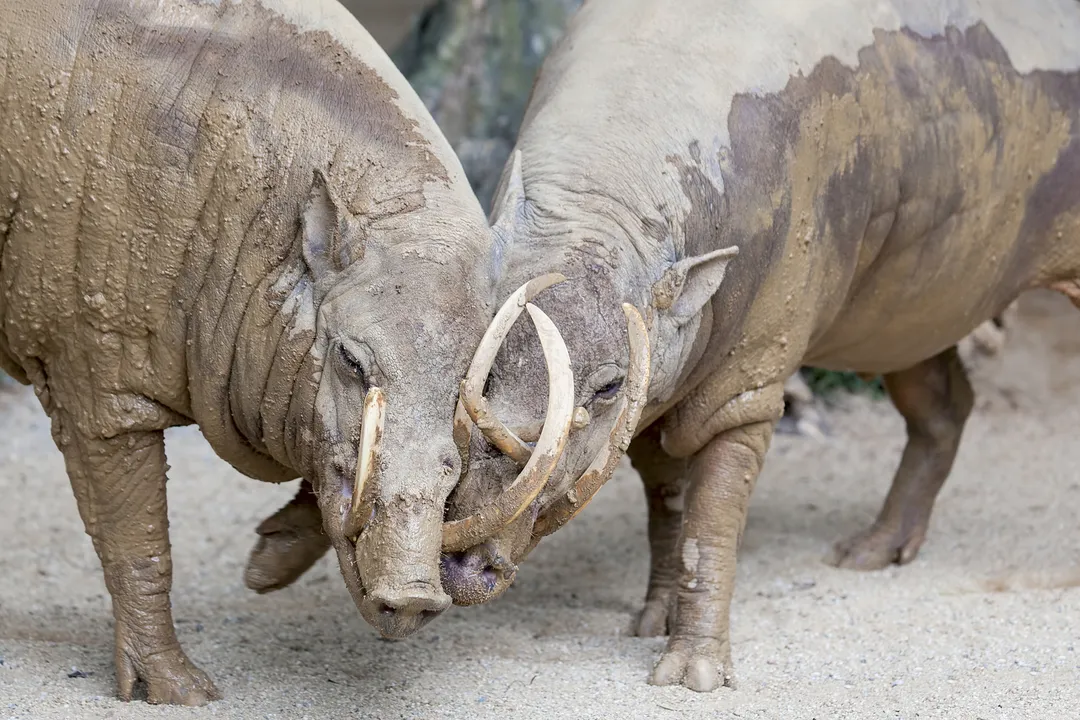
The babirusa is certainly still roaming the forests of Indonesia, surviving as one of the world's most peculiar and distinctive wild pigs. Often described with an almost prehistoric air, these island dwellers possess a set of dental features unlike almost any other mammal, making them a subject of fascination for biologists and animal lovers alike. Their continued existence, however, is not guaranteed, as they face significant threats in their native habitat. Confirming their presence today means delving into their unique biology and understanding the precarious balance they maintain on their specific island strongholds.
# Tusk Anatomy
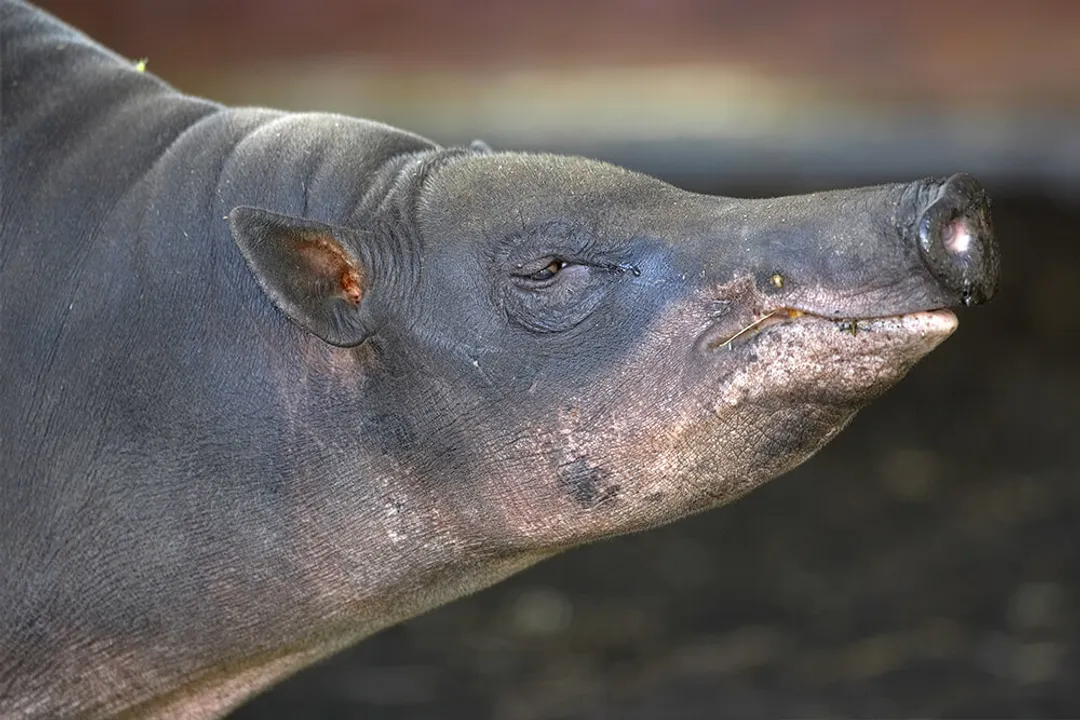
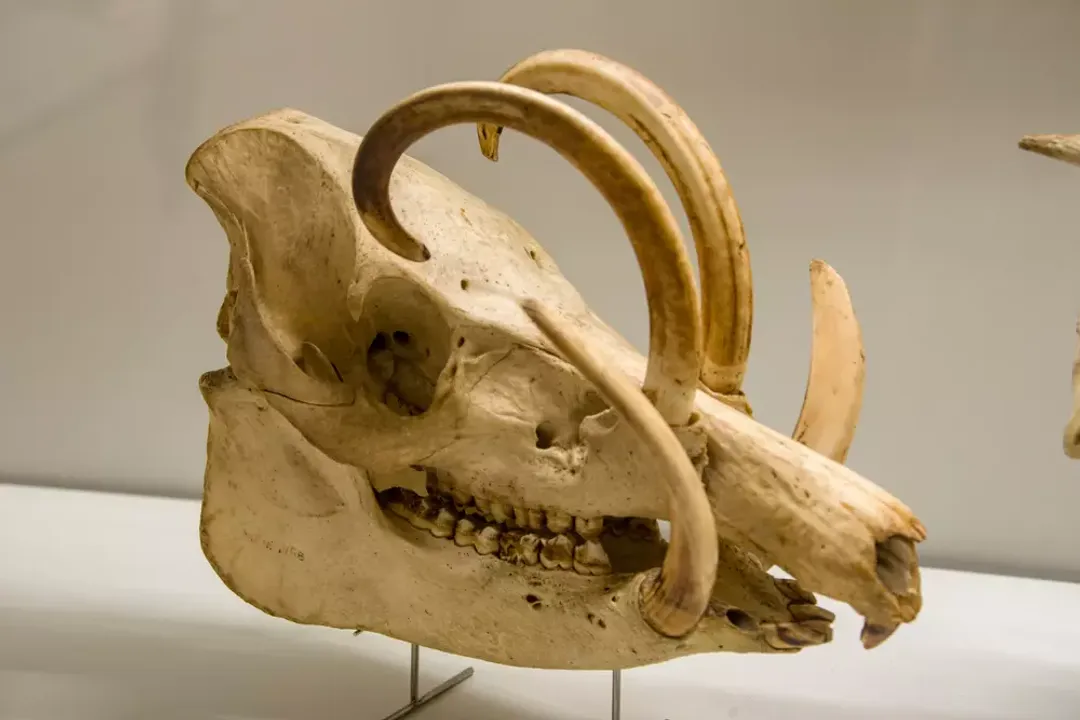
The most immediately arresting feature of the babirusa is the male's incredible set of tusks. This is not a single set of protruding teeth, but rather two pairs, both of which are greatly elongated canine teeth. The lower pair grows upwards from the jawline, much like those of a typical boar. However, it is the upper pair that gives the babirusa its truly alien appearance.
These upper canine teeth erupt directly through the skin of the snout and curve upward, sometimes pointing backward toward the forehead. This growth pattern is unique among pigs. It is important to recognize that these are not incisors or tusks growing from the mouth, but true canine teeth that pierce the facial flesh to achieve their distinctive curve. While impressive, this unusual dental growth pattern necessitates constant monitoring in managed care, as an extreme overgrowth could theoretically impair vision or movement if the curve progresses too far back. In the wild, it is believed this magnificent display plays a role in sexual selection and perhaps intraspecific fighting between males. Females, in contrast, typically have much shorter, non-obvious tusks. The common name for the animal, babirusa, is often translated roughly as "pig-deer," a nod to their relatively slender build and the imposing antlers of the males.
# Island Endemics
Babirusas are not found across large continental landmasses; rather, they are restricted to a few specific islands in Indonesia, primarily Sulawesi and its surrounding islands. This restricted range is a key factor in understanding their overall survival outlook.
There are currently four recognized species of babirusa: the North Sulawesi babirusa, the Togian babirusa, the Malayan babirusa (sometimes referred to as the Wild Boar Babirusa), and the Buru babirusa. This species differentiation across islands means that the health of one population does not necessarily guarantee the security of the whole group. If a single island population faces a localized catastrophe, such as disease or extreme habitat destruction, that species becomes much closer to disappearing forever. For instance, the Buru babirusa, found only on the island of Buru, is listed as Critically Endangered, signifying an extremely high risk of extinction in the wild. Contrast this with the North Sulawesi species, which may have a slightly broader, though still threatened, range across that large island and neighboring ones. This geography underscores that conservation efforts must be tailored specifically to the needs of each island ecosystem to ensure the survival of the entire genus.
# Diet Behavior
Like other members of the pig family, babirusas are classified as omnivores, though their diet leans heavily toward vegetation. They spend a great deal of time foraging in the forests where they reside. Their diet typically consists of fallen fruit, roots they dig up, leaves, and fungi. They are also known to consume small invertebrates and sometimes even small vertebrates, fitting the description of a true omnivore.
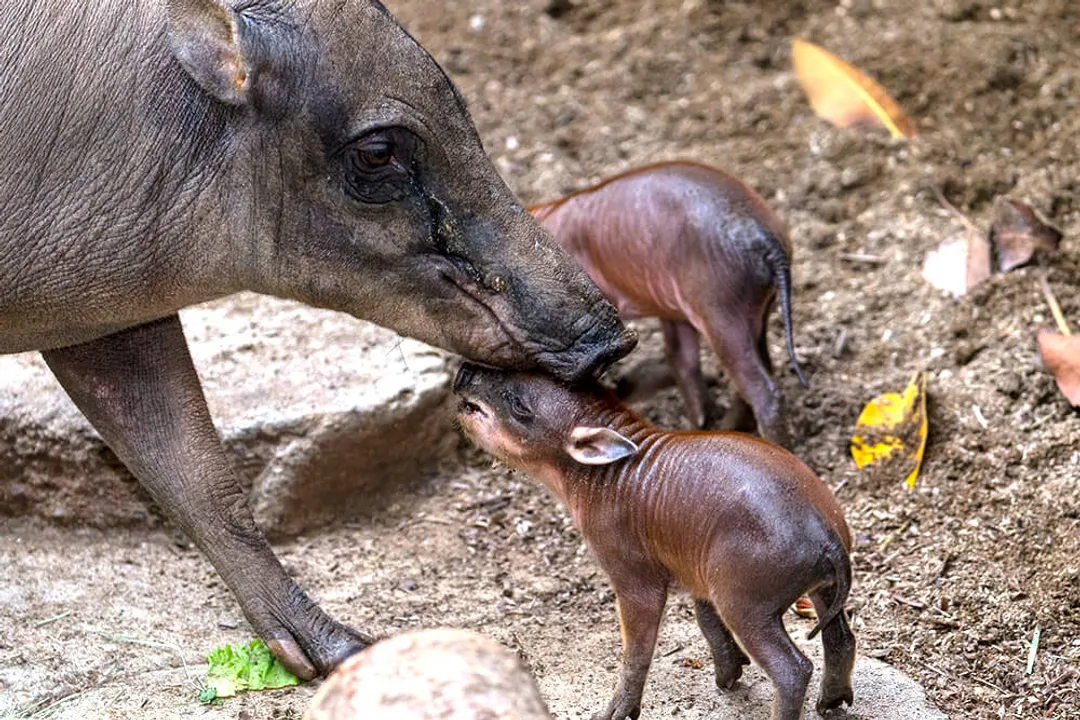
Their activity patterns often involve wallowing in mud, a behavior common to pigs that helps them regulate body temperature and protect their skin from parasites and the sun. They possess relatively thin coats of hair, which makes this cooling mechanism especially important, particularly under the tropical sun. While they can be found alone, they are also known to live in small groups, sometimes consisting of mothers and their young. It is interesting to note their swimming capability; being island inhabitants, they are known to be capable swimmers, which allows them to cross small stretches of water, though this is not their primary mode of travel.
# Survival Status
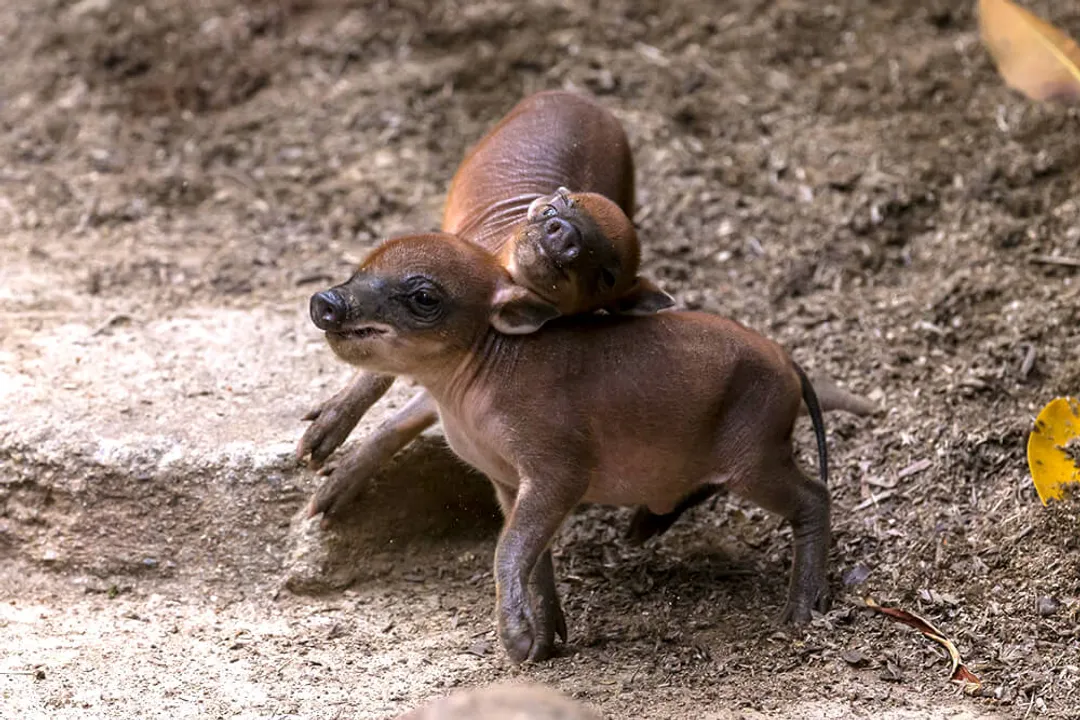
The answer to whether babirusas still exist is a firm yes, but the qualifier is that their long-term survival remains uncertain. Their conservation status varies by species, but generally, the outlook is one of concern.
The main pressures driving populations down are habitat loss and hunting. The rapid conversion of tropical forests for agriculture and logging directly destroys the environments these specialized island dwellers rely upon for food and shelter. Furthermore, they are hunted for meat in some areas, adding significant pressure to already declining numbers. Because of these combined factors, babirusas, in general, are monitored closely. International agreements, such as being listed on CITES Appendix II, restrict the international trade of babirusas and their parts to ensure that trade does not threaten their survival. The vulnerability is compounded by their slow reproductive rate compared to some other wild pigs, meaning population recovery after a decline is a slow process. Zoos actively track their reproductive success as part of global efforts to maintain a viable safety net population.
# Captive Care
For many people, the only chance to see these unusual animals is at a professionally managed facility, such as a conservation park or accredited zoo. These institutions play a significant role not just in education but also in the scientific understanding and preservation of the species.
Zoos participate in Species Survival Plans (SSPs) or similar coordinated breeding programs designed to maintain genetic diversity within the captive population. By managing births and transfers between zoos, experts work to ensure that the animals under human care represent the full genetic breadth of the wild populations. For instance, centers like the San Diego Zoo and the Saint Louis Zoo participate in these efforts, allowing researchers to study their biology in detail, which can then inform conservation strategies back in Indonesia. This level of managed care provides a critical backstop against catastrophic loss in the wild and helps support research into their unique physiological needs, such as their specific dietary requirements and the management of their unique dental structure. Zoos offer a window into the life of the babirusa, helping to educate the public about the fragile nature of island biodiversity and the importance of protecting their specific Indonesian habitats.
Related Questions
#Citations
Babirusa - Wikipedia
Babirusa | San Diego Zoo Animals & Plants
Babirusa - Los Angeles Zoo and Botanical Gardens
Babirusa | Saint Louis Zoo
Meet the Buru babirusa: The mysterious deer-pig of Indonesia's ...
The babirusa is an island-dwelling wild pig. The males have upper ...
Babirusa: The prehistoric 'deer' pigs with huge antler teeth
Babirusa | London Zoo
Hairy Babirusa (Detailed Profile) | WPSG