Where do Hooded Orioles migrate to?
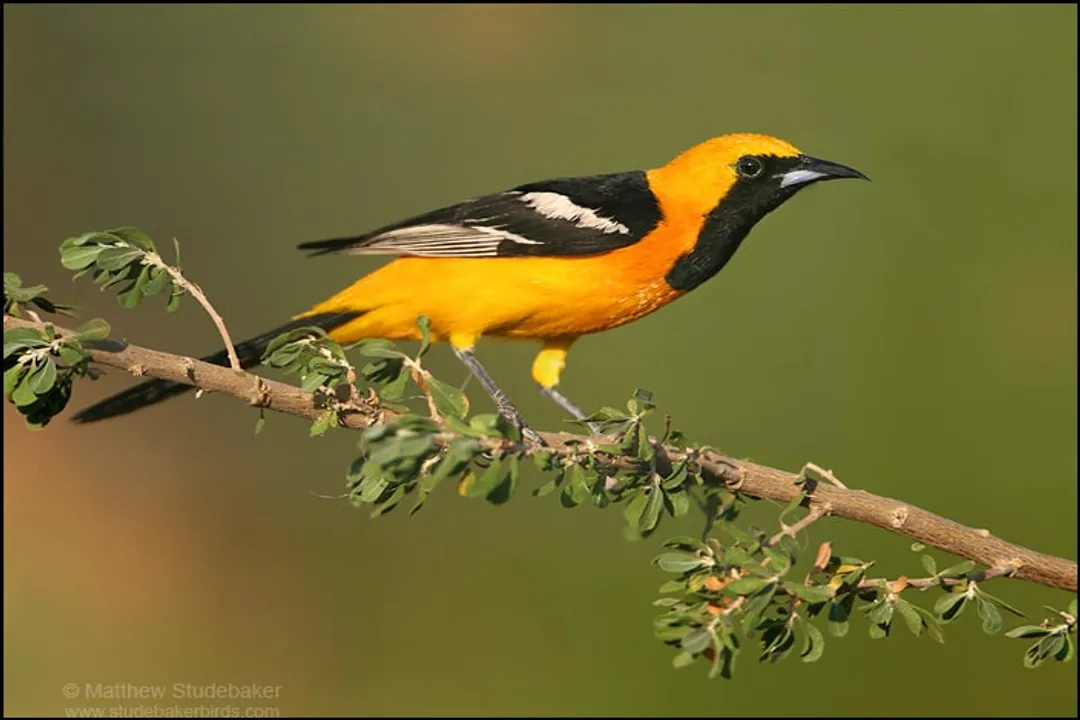
The journey of the Hooded Oriole takes it far from the bright sunshine of the American Southwest, sending the birds south for the winter months after their breeding season concludes. [1][7] These striking black-and-orange birds, easily recognized by the male’s vivid colors and black hood, follow predictable migratory paths dictated by seasonal food availability and favorable climates. [2][3]
# Winter Destinations
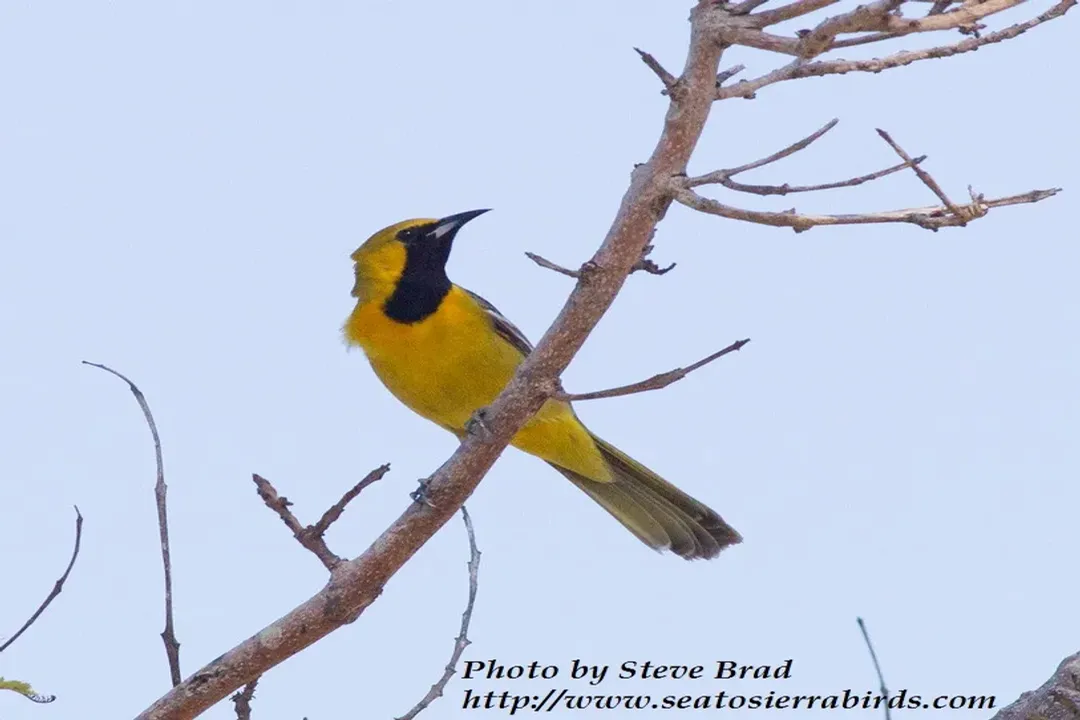
The primary answer to where Hooded Orioles migrate to lies in Central America and southern Mexico. [1][3] While they breed extensively across the western and southwestern United States, including states like California, Arizona, and New Mexico, they do not overwinter in the northern reaches of their summer range. [8]
The bulk of the population relocates to Mexico for the non-breeding season. [3] Specifically, their wintering range extends from central western Mexico south to Oaxaca and Chiapas. [1][3] Some evidence suggests that the subspecies found further north in the US and northwestern Mexico tend to winter further south into mainland Mexico. [3] In addition to Mexico, Hooded Orioles can also be found in winter in parts of Central America, such as Guatemala, El Salvador, Honduras, and Nicaragua. [1] The map data indicates a fairly contiguous block of wintering ground stretching across these southern regions. [7]
In contrast to some other migratory species that undertake vast continental crossings, the Hooded Oriole's wintering grounds are relatively adjacent to their main breeding territories, though they cover significant ground within Mexico. [3] For the birdwatcher in the US, this means that once the summer ends, the bird has left the country entirely. [9]
# Summer Grounds
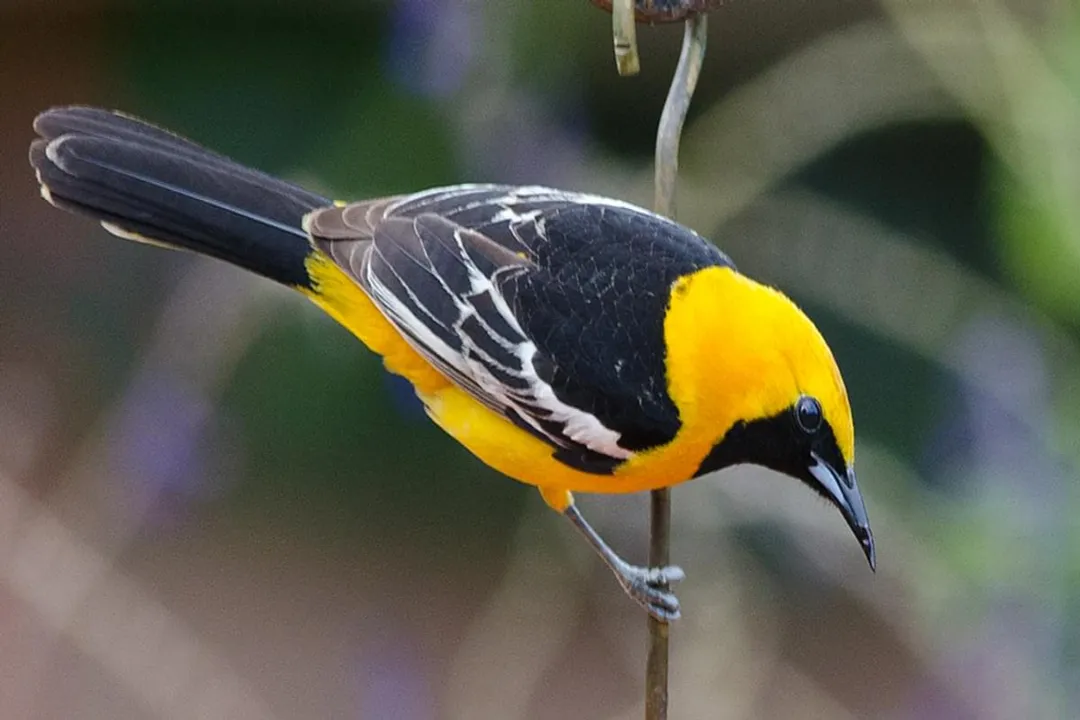
Before they head south, the Hooded Oriole establishes breeding territories across a wide swath of North America. [3] In the United States, their breeding range generally covers southern California, southern Nevada, southern Utah, southern Colorado, and south-central New Mexico, extending into Arizona. [1][9] However, they are often considered a more characteristic sight in the arid and semi-arid landscapes of Arizona and Southern California during the warmer months. [8]
The presence of riparian woodlands and suitable nesting trees, often tall trees like sycamores, cottonwoods, or palms, is key to where they choose to establish a summer home. [8][9] They are particularly noted inhabitants of parks, suburban areas with mature trees, and desert oases in the Southwest, such as Tucson. [9] The Audubon Society notes that this species is generally less common in the Midwest compared to other orioles, reinforcing the strong western focus of their breeding range. [2]
One interesting observation is the difference in distribution between the subspecies. The nominate subspecies, Icterus cucullatus cucullatus, is the one typically found breeding in the US, while other subspecies reside year-round or breed further south in Mexico. [3] This specialization means that when you see one in Arizona, you are seeing the same population that will soon depart for central Mexican lowlands. [3]
# Migration Timing
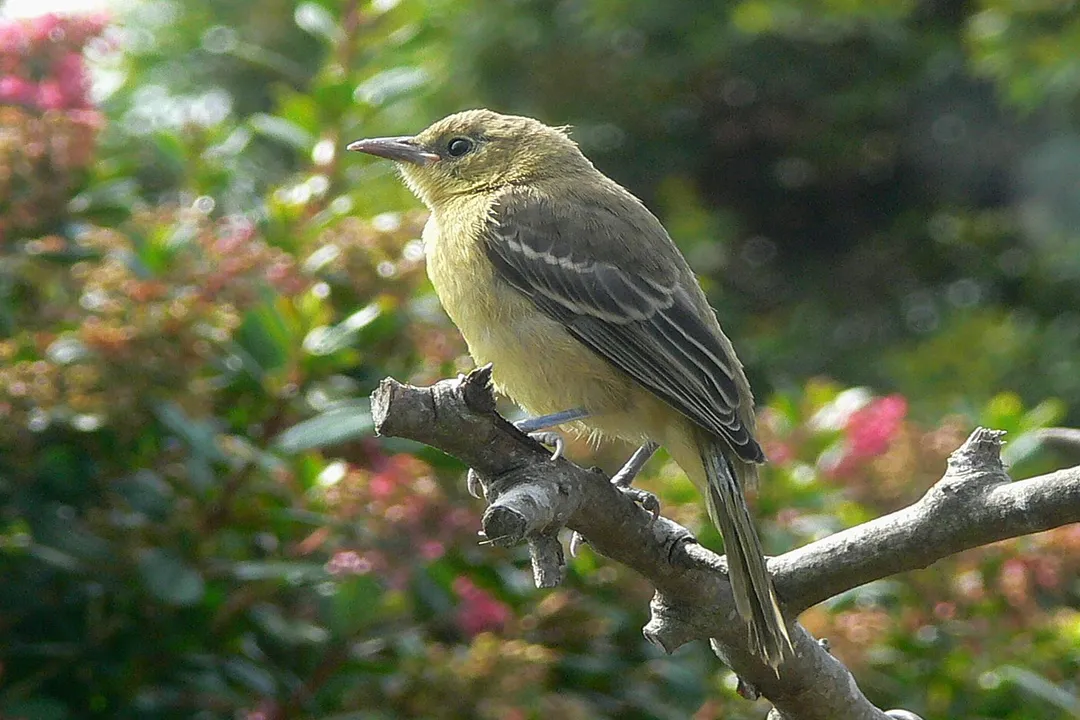
The timing of the Hooded Oriole’s migration is closely tied to the availability of resources, especially the flowering of nectar-producing plants and the abundance of insects, which form the core of their diet. [4][9]
In the spring, the return north marks the beginning of the breeding season. For those observing them in places like Southern California, arrival can begin as early as late March or early April. [6] The influx is often noted around the time that certain desert blooms are peaking, providing immediate sustenance for the journey’s end. [6][8]
The southward migration, the movement to their wintering grounds, typically commences around August or September. [5][9] This departure happens relatively quickly once breeding activities cease. [3] If you are in the American Southwest, the sudden quiet in the canopy where you heard the bright, whistling songs just weeks before signals that the southbound flight is underway. [9] The entire migratory period, while covering substantial distance, is relatively short compared to tropical migrants, which points to an efficient, direct route south rather than prolonged stopovers across the continent. [3]
# Habitat Preferences
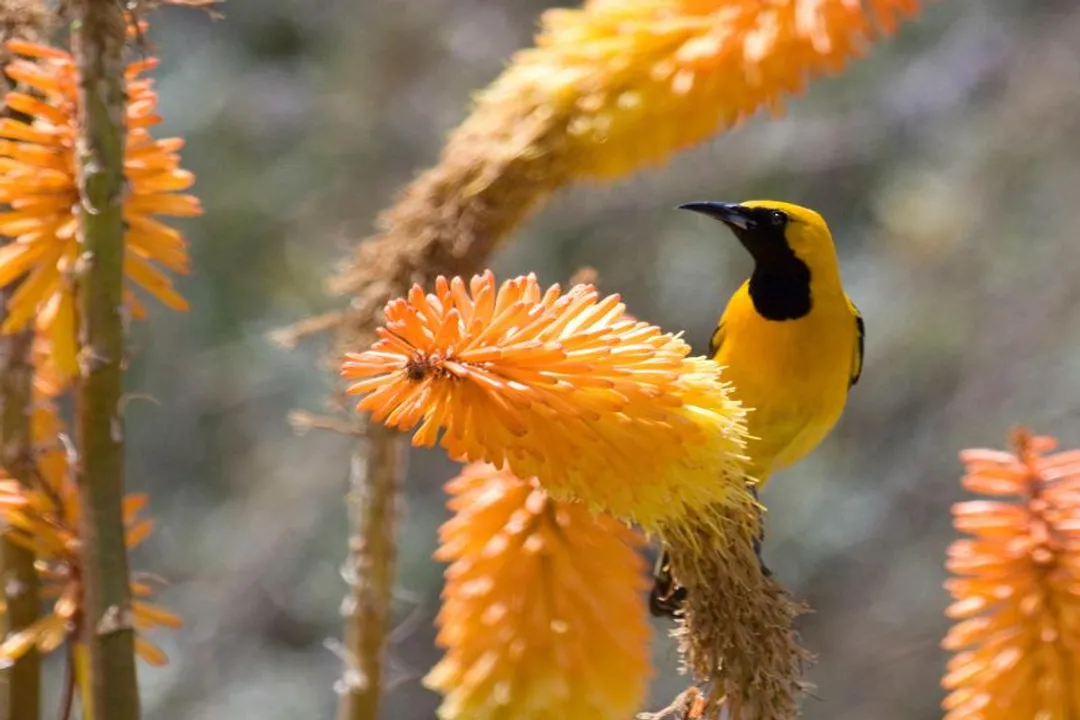
Understanding where they go also involves appreciating what they seek in those locations, both for breeding and wintering. During the breeding season, they show a marked preference for drier, open woodlands, often near water sources or in disturbed areas where large trees persist. [9] The Hooded Oriole readily adapts to human environments, commonly nesting in suburban yards, city parks, and agricultural areas, provided the right nesting structures exist. [8] They show a high affinity for palm trees, using their drooping fronds for nest placement, which sets them apart from some other orioles. [8]
When they arrive in their Central American or southern Mexican wintering spots, the environment shifts to tropical or subtropical deciduous forests, scrubland, and often semi-open habitats. [1][3] The crucial element remains a sufficient supply of ripe fruit, insects, and nectar-producing flowers that sustain them through the non-breeding period. [4] The transition requires a dietary shift, though the fundamental need for high-energy calories remains constant. [3]
An interesting point for backyard enthusiasts in the breeding range is to recognize that the quality of your summer oasis directly influences how long they stay. If a yard provides reliable nectar sources well into late August, you might observe lingering individuals even as the main wave departs. Conversely, yards that rely solely on ephemeral spring blooms will see birds depart much earlier, perhaps following an earlier local food crash rather than a strict calendar date. [9] This dependence on localized food cues suggests that migration timing can vary slightly year-to-year based on regional drought or bloom success, adding another layer of complexity to tracking their movements. [4]
# Subspecies Migration Details
The Hooded Oriole is scientifically known as Icterus cucullatus, and it is split into a few recognized subspecies, whose migration patterns show slight variations that influence their overall range distribution. [3]
- I. c. cucullatus: This is the subspecies primarily found in the US breeding range (California east to Texas and north into Utah/Colorado). [3] As mentioned, this group undertakes the most notable northward migration into the US and then retreats back to central and southern Mexico for the winter. [1][3]
- I. c. nelsoni: Often called the Bullock's Oriole in some older texts or contexts, this one is more tightly associated with the Pacific coast regions of California and Baja California, though the taxonomy can be complex and fluid between sources regarding exact boundaries. [3]
- I. c.降り (the third subspecies, not explicitly named in full detail across all sources but implied by range separation): Subspecies found primarily in southern Mexico and Central America tend to be more resident, or undertake shorter, altitudinal migrations within their established tropical zones rather than long north-south journeys. [3]
This subspecies variation means that simply stating "Hooded Orioles migrate to Mexico" doesn't tell the whole story; some populations are year-round residents of tropical areas, while the northernmost populations are the true long-distance migrants we track annually. [3] For instance, a bird wintering in Oaxaca is likely the descendant of a bird that nested in Arizona. [1]
# Observing the Passage
For those interested in tracking these beautiful birds, knowing their destinations can help predict their arrival. If you are in a region just north of the primary US breeding grounds, the arrival might be later, perhaps mid-to-late April, as they push into the northernmost limits of their range. [6]
To attract them during their fleeting stopovers or summer residency, providing specific food sources is key. While they enjoy sugar water, resembling nectar, they are primarily insectivores during the breeding season to feed their young. [4][9] Offering halved oranges or grape jelly is common advice, but to ensure a healthy stopover during migration, mixing up the insect population in your yard—perhaps by avoiding excessive pesticide use—can provide the high-protein fuel they need before continuing their sometimes strenuous flight south. [4][8] A thoughtful approach to gardening in the West might involve planting native flowering shrubs known to bloom in late summer, which could potentially hold the southward-bound birds just a bit longer before they commit to the long flight across the Gulf of California or overland into mainland Mexico. [9] This localized ecological timing, which connects the success of their summer forage with the initiation of their winter flight, is a subtle but important factor in their annual cycle. [4]
Related Questions
#Citations
Hooded Oriole Range Map
Hooded Oriole | Audubon Field Guide
Hooded oriole
Icterus cucullatus (hooded oriole) | INFORMATION
Hooded Oriole Facts
Hooded Orioles - Coming Home to Roost
Hooded Oriole Migration
Attract the Hooded Oriole to Your West Coast Yard or Garden
Hooded Oriole ⋆ Tucson Bird Alliance