Are orchard orioles in Wisconsin?
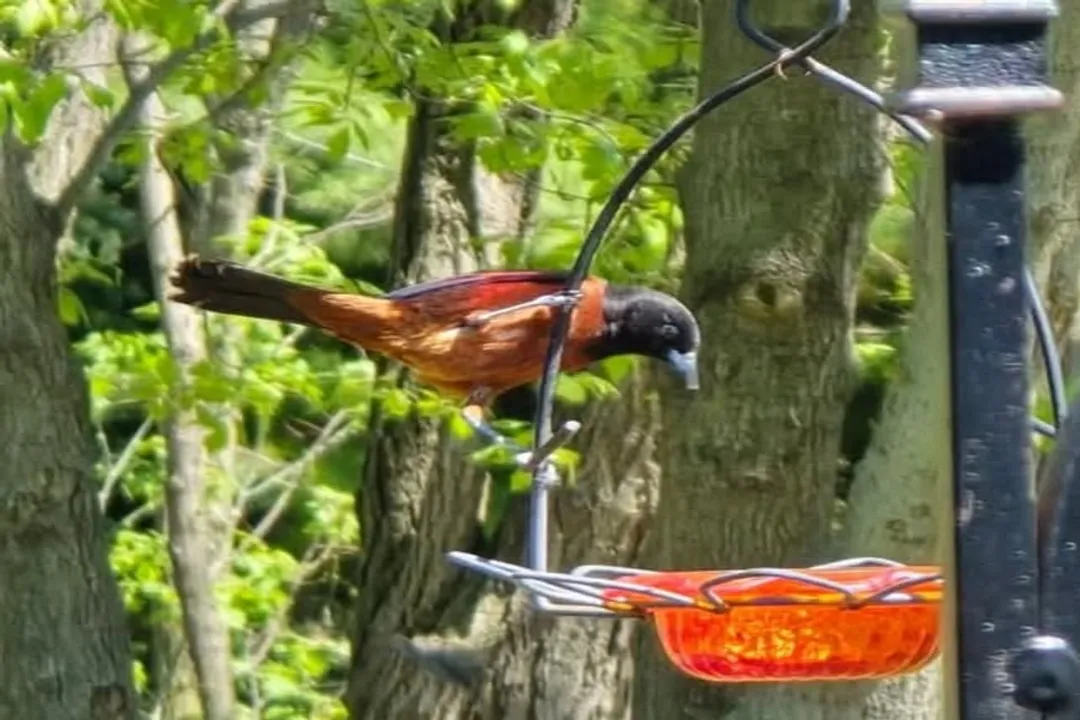
The presence of the striking Orchard Oriole in Wisconsin is a confirmed reality for bird watchers across the state, though they often share the spotlight—and sometimes the confusion—with their more numerous cousin, the Baltimore Oriole. [5][9] While the sight of a brilliant orange flash is always exciting, knowing precisely when and where to look for the Orchard Oriole can significantly boost a birder's year list in the Badger State. [4] These orioles are generally considered migratory visitors, making their brief window of visibility a special event for those who know their distinguishing features. [2]
# Range Presence
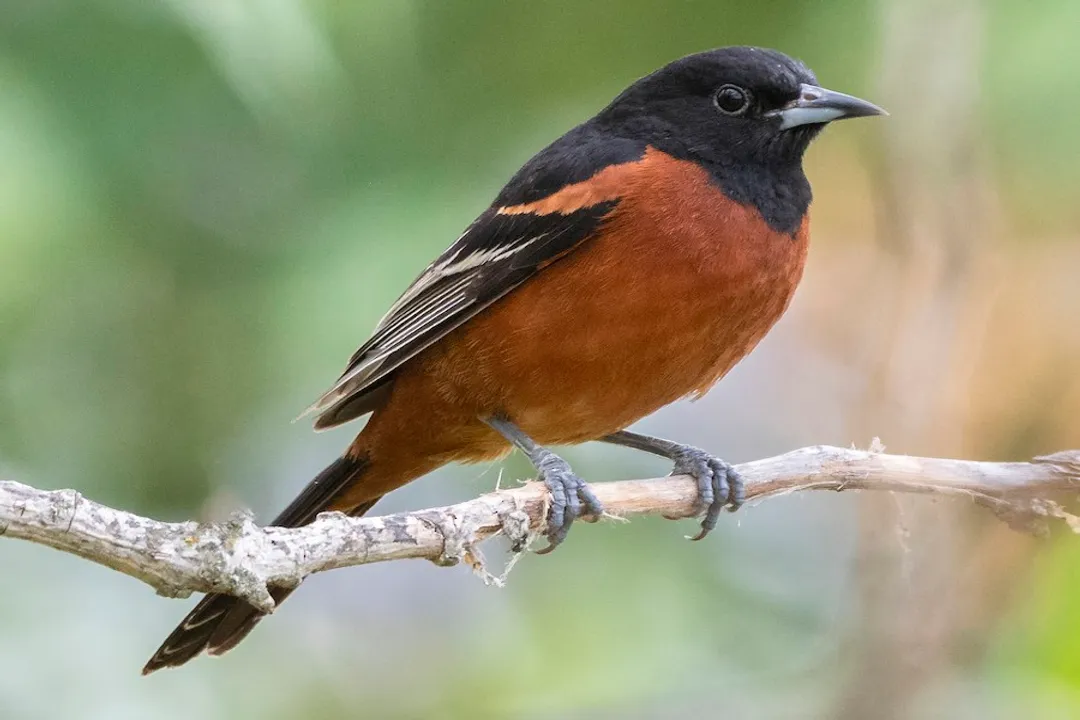
The Orchard Oriole has a breeding range that extends into the mid-section of North America, and Wisconsin falls squarely within its migratory and breeding territory. [1][2] Data compiled from citizen science reporting platforms like eBird clearly shows occurrences logged throughout Wisconsin, indicating that they are not merely rare vagrants but established, if less common, summer visitors. [7] Looking at species-specific maps, the bird is documented across the state, though localized density might vary depending on the year and habitat availability. [2] For instance, reports from specific areas, such as those compiled by local conservation sites, confirm their presence within designated natural areas like the Kettle Moraine State Forest region. [6]
This presence is seasonal. Orchard Orioles typically arrive in Wisconsin during the spring migration, usually around the time their counterparts, the Baltimore Orioles, are also becoming conspicuous. [7] Their residency generally lasts through the summer breeding period before they depart south again in late summer or early fall. [1] Spotting them outside this window, such as in mid-winter, would be an extremely unusual event. [2]
# Identification Nuances
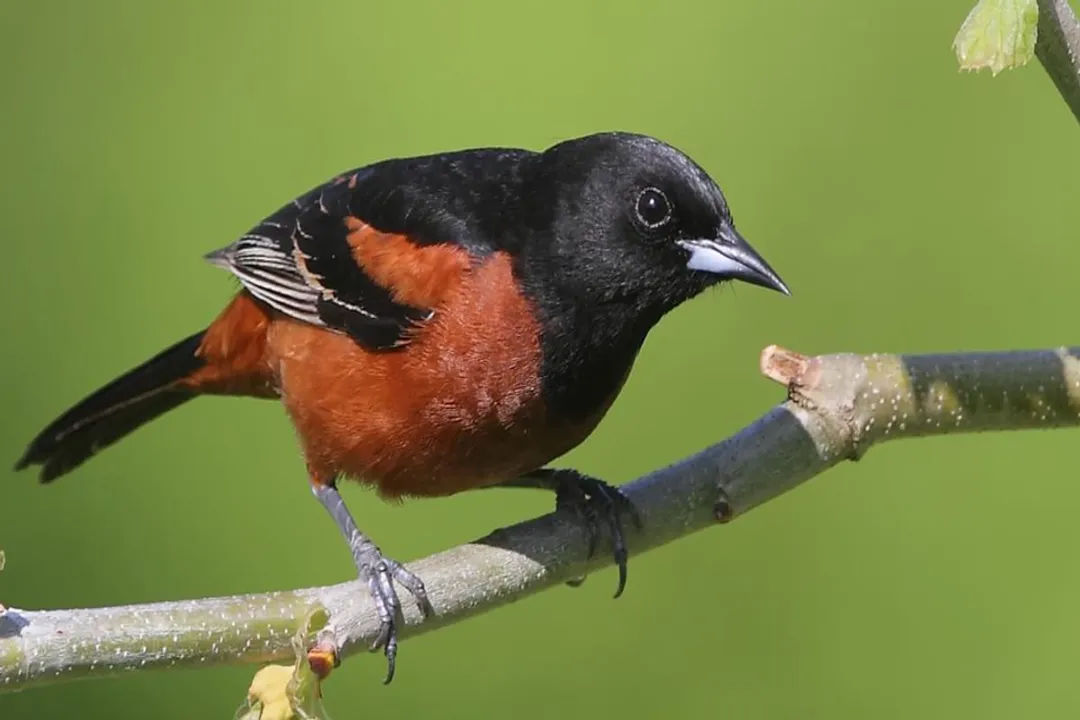
The biggest hurdle for many Wisconsin birders isn't finding an oriole; it's correctly identifying which oriole they have found. [5][9] The Orchard Oriole and the Baltimore Oriole frequently occupy similar territories, leading to frequent misidentifications, especially with females. [8][5]
# Male Plumage
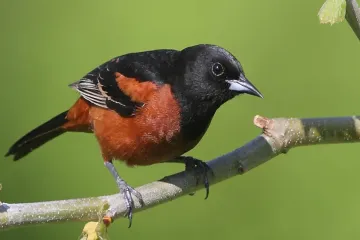
For the males, the difference is quite stark once you know what you are looking for. The male Orchard Oriole is distinguished by its rich, deep chestnut or claret (reddish-brown) on the head, back, and breast, contrasting with black wings and tail. [1][8] They lack the bright, true orange coloration seen in the Baltimore Oriole. [8] The Orchard Oriole male also typically shows prominent white wing bars, setting it apart from the Baltimore, which usually has orange and white bars. [8]
# Female Coloring
Distinguishing the females is where the real challenge lies, as both species present in shades of yellowish-olive or dull yellow-green. [5][9] A female Baltimore Oriole often appears more brightly yellow than its Orchard counterpart. [8] While source material often notes the female Orchard Oriole is duller, focusing on the subtle structural differences, like bill shape or the faint wing bar pattern, can be more reliable than color alone when comparing them side-by-side in the field. [5][9] Pay close attention to the overall shape and the contrast areas, rather than just the general yellow hue. [5]
# Vocalizations
Birders often rely on song to separate the species when visual confirmation is difficult, particularly in dense foliage. The Orchard Oriole possesses a shorter, slightly more rambling or hurried song compared to the more flute-like, rich whistles of the Baltimore Oriole. [1] Listening for that subtle difference in tempo and structure can sometimes solve the mystery instantly when plumage is obscured. [9]
| Feature | Male Orchard Oriole | Male Baltimore Oriole |
|---|---|---|
| Body Color | Deep Chestnut/Claret | Bright Orange |
| Head/Back | Chestnut | Black |
| Wing Bars | Prominent White | Orange and White |
| Song Quality | Shorter, rambling whistles | Rich, flute-like, classic oriole song |
| [1][8] |
# Local Confirmation
Specific local resources and enthusiast discussions confirm the Orchard Oriole's presence, often in the context of educating newer birders about the distinction. [4][9] Anecdotal evidence from local birding communities highlights that while they are present, they are often noted when the observer is specifically looking for them, suggesting they might blend into the background more easily than the flashier Baltimore. [3] For instance, in Southeastern Wisconsin, identifying a female oriole correctly can prompt extended discussion among local experts, underscoring that finding an Orchard Oriole is indeed noteworthy. [5] Reports filed with local Wisconsin bird tracking initiatives provide official documentation of their seasonal occurrence within the state's boundaries. [6][7]
# Habitat Preference
Orchard Orioles demonstrate a slight preference for different nesting habitats than their Baltimore relatives, which can guide observers to the right locations. [1] While Baltimore Orioles favor tall, open park trees and elms, Orchard Orioles tend to choose smaller, more scattered deciduous trees, often preferring areas with lower, scrubbier growth or orchards—as their name suggests. [1] If you are searching near river bottoms, smaller woodlots, or brushier edges rather than open suburban lawns dominated by large shade trees, your chances of encountering an Orchard Oriole might slightly improve. [4]
Understanding the subtle habitat differences is a helpful first step for the Wisconsin birder hoping to add this species to their local count. If you find yourself looking near a stand of young cottonwoods or near an actual semi-neglected fruit tree grouping, spend a little extra time scanning those branches. [1]
# Keys to Successful Spotting
For the dedicated Wisconsin birder aiming to locate an Orchard Oriole during the brief window they are present, a strategic approach helps filter out the noise of the much more common Baltimore Oriole.
- Timing is Everything: Focus your intense searching efforts during the peak arrival and early breeding season, typically late April through May and into early June, as documented by migratory tracking data. [7]
- Habitat Zoning: Systematically check areas that fit their preferred, slightly scrubbier or smaller tree habitat rather than focusing solely on mature park settings. [1][4]
- Listen First: Before you even see color, spend time actively listening for that distinct, slightly quicker, rambling song quality that sets the Orchard Oriole apart from the slower, more deliberate whistles of the Baltimore. [1][9]
Remembering that the male is chestnut, not orange, and that the female is duller than her counterpart provides the necessary visual checklist. Successfully identifying an Orchard Oriole in Wisconsin takes practice in distinguishing these often subtle field marks against the backdrop of a very similar, common species. [5][8] Keep checking your local checklists and observation logs; their presence is confirmed, awaiting the careful observer. [6][7]
Related Questions
#Citations
Orchard Oriole | Audubon Field Guide
Orchard Oriole Sightings Map - All About Birds
Is this an Orchard Oriole? Marytown WI - Facebook
Orchard Oriole - Southern Wisconsin Bird Alliance
SE Wisconsin: Is this a Female Baltimore Oriole or Orchard Oriole?
Orchard Oriole - Kickapoo Valley Reserve
Orchard Oriole Icterus spurius - eBird
Oriole Guide - Kettle Moraine Woodworking Inc
Orchard or Baltimore Oriole? -Wisconsin - BirdForum