What is the life expectancy of a Dorkie dog?
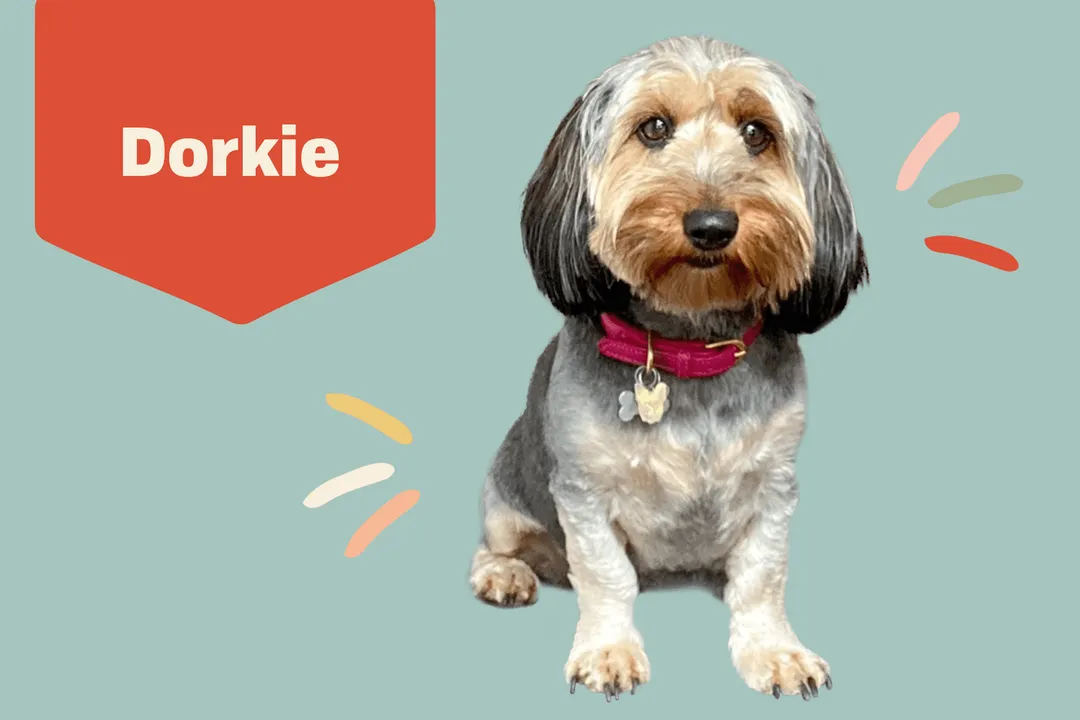
The interest in the Dorkie—that charming mix resulting from a Dachshund and a Yorkshire Terrier—often centers on their captivating personalities and compact size, but perhaps the most pressing question for prospective or current owners is just how long these little companions are expected to stay by our side. When examining the lifespan of this designer dog, we find a generally favorable outlook, typical of many small companion breeds, though it comes with specific caveats related to their parentage. [5]
# Expected Years

The consensus among sources points toward a relatively respectable lifespan for the Dorkie. Most evaluations place their expected longevity in the range of 12 to 15 years. [3][4][7] Some slightly broader estimates begin the spectrum a bit earlier, suggesting an 11-year minimum, leading to a range of 11 to 15 years. [5] It is important to remember that the Dorkie is a hybrid, a crossbreed resulting from two distinct purebreds, which can sometimes lend itself to what is often termed "hybrid vigor," potentially helping them sidestep some severe genetic bottlenecks common in highly inbred lines. [5] However, hybrid status does not automatically grant immunity; the Dorkie inherits the health risks of both its parent breeds. [1]
This lifespan range positions the Dorkie favorably compared to many medium and large breeds, but it demands committed, proactive care throughout their senior years, which can begin around the age of 9 or 10, depending on the individual dog’s development. [1] For a dog whose adult weight often hovers between 8 and 12 pounds, [1] a decade or more of companionship is a realistic expectation when optimal conditions are met.
# Parent Lifespans

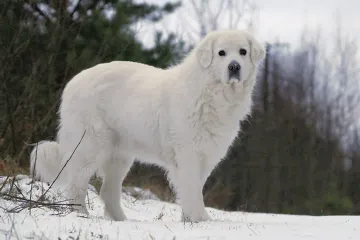
To better understand the Dorkie's potential longevity, it helps to look at the expected lives of the Dachshund and the Yorkshire Terrier individually. [1][5] The Dachshund parent, for instance, is often cited as having a lifespan that can reach up to 12 to 16 years. [1] Yorkies, known for their small stature, frequently live between 11 and 15 years. [1] When these two lifespans are crossed, the resulting Dorkie benefits from the upper averages of both, suggesting that the 12-to-15-year bracket is well-founded. [3][4][7] If a Dorkie reaches 14 or 15 years, it is indeed living a full life for its type. The low end of the spectrum (11 years) is often attributed to potential complications arising from inherited conditions that owners might overlook early on.
# Health Inheritances
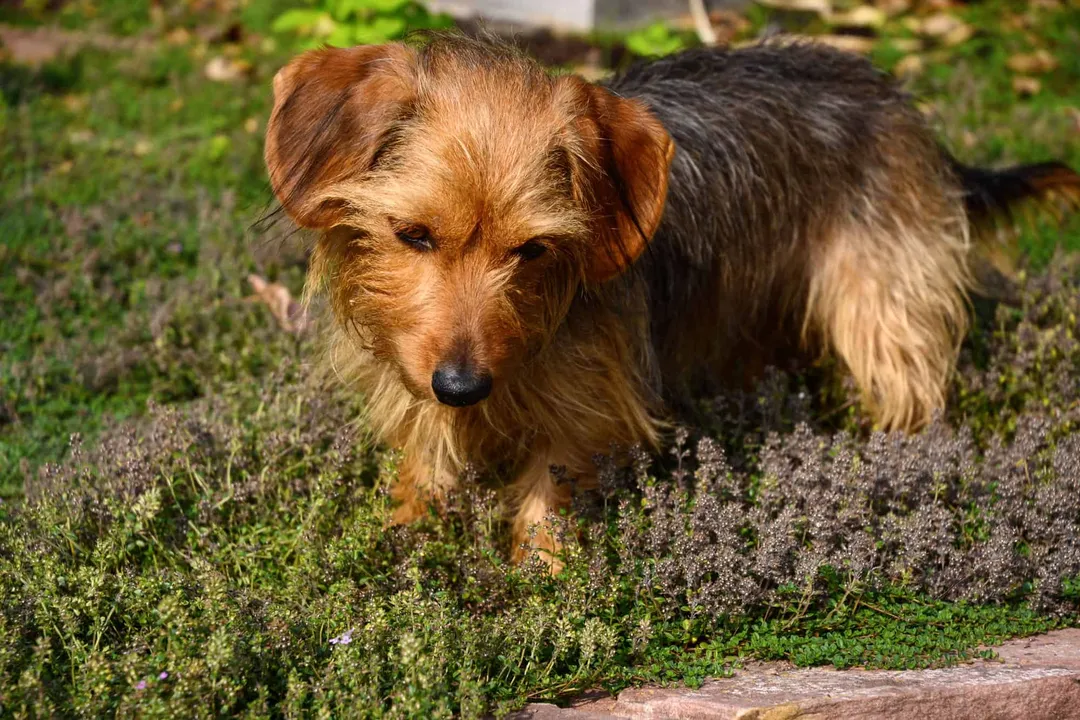
The greatest determining factor in whether a Dorkie reaches the high end of its 11-to-15-year window rests squarely on managing the specific health vulnerabilities passed down from its lineage. [5] Since the Dorkie is a small dog, its issues often manifest differently than in larger breeds, but they are no less serious.
# Spinal Concerns
The Dachshund's most infamous issue is its long back, which predisposes it to Intervertebral Disc Disease (IVDD). [1][5] This condition occurs when the discs cushioning the vertebrae degenerate and sometimes rupture or herniate, causing severe pain, nerve damage, and potential paralysis. [1] For the Dorkie, even though they are shorter than purebred Dachshunds, this predisposition remains a primary concern. [5] Owners must be exceptionally mindful of how their small dog navigates its environment to prevent acute trauma that could trigger IVDD, which can drastically shorten a dog's comfortable lifespan if left unmanaged or if the resulting paralysis is severe.
# Dental and Joint Risks
From the Yorkshire Terrier side, significant health considerations often include dental disease and patellar luxation. [1][5] Dental hygiene in small breeds is notoriously challenging because overcrowding in small mouths leads to rapid plaque and tartar buildup, which can cause gum disease, tooth loss, and even systemic infection if bacteria enter the bloodstream. [1] Patellar luxation involves the kneecap slipping out of place, a common orthopedic issue in toy breeds that requires careful monitoring and sometimes surgical correction to maintain mobility. [1]
# Factors Impacting Years
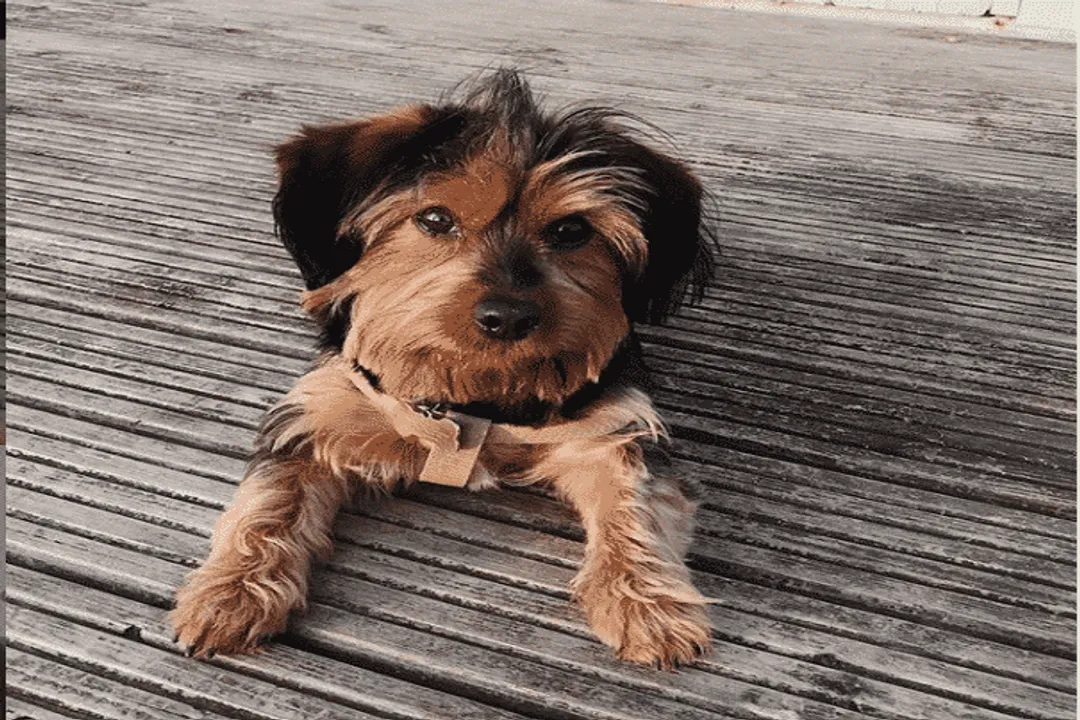
While genetics loads the gun, lifestyle pulls the trigger, as the saying goes in pet health circles. Several controllable elements directly influence whether a Dorkie spends 11 years or a full 15 years in good health. [5]
# Weight Management
For a Dorkie weighing perhaps 10 pounds, the addition of even one or two extra pounds represents a significant percentage increase in its body mass. This disproportionate weight gain places tremendous strain on an already vulnerable spinal structure inherited from the Dachshund parent. [1][5] In the context of a 10-pound dog, an extra pound is akin to an average 170-pound person gaining 17 pounds—it stresses the joints and, critically, compresses those spinal discs daily. [1] Therefore, strict dietary management is not merely about aesthetics; it is perhaps the single most important preventative measure against IVDD for this mix. Being diligent about avoiding table scraps and measuring kibble precisely, perhaps weighing food portions on a kitchen scale for a few weeks to establish accuracy, can be an extremely valuable habit to adopt early in the dog's life. [5]
# Dental Proactivity
Given the Yorkie heritage, consistent dental care is non-negotiable for extending the Dorkie’s life expectancy beyond the average. Many owners rely solely on annual veterinary cleanings, which are necessary, but they often underestimate the daily impact of preventative care. Considering the high likelihood of crowding in small jaws, implementing a routine that includes daily teeth brushing—even if only a few teeth are managed effectively at first—combined with vet-approved dental chews, can slow the progression of disease significantly. [1] A severe, long-term infection starting in the mouth can have cascading negative effects on major organs like the heart and kidneys over time, turning a manageable dental issue into a systemic threat to longevity.
# Environment and Exercise
Dorkies require moderate exercise appropriate for their size, usually satisfied with a couple of short walks daily and indoor play. [2] However, the way they exercise matters immensely due to their backs. One useful observation for owners of a Dorkie is to analyze its common movement patterns. If your dog frequently launches itself off furniture, you might be setting it up for a spinal event. It might seem overly cautious, but providing small, sturdy ramps or pet stairs to access favorite resting spots on sofas or beds is a wise investment in their long-term mobility and lifespan. These small structural aids remove the jarring, high-impact landing that can precipitate disc issues, saving the spine from unnecessary concussive force associated with jumping down from standard furniture heights. [1]

# Breed-Specific Longevity Table
To better visualize the target lifespan, one can compare the expected age range for the Dorkie against its parent breeds, assuming excellent care across the board for each category.
| Breed Type | Typical Lifespan (Years) | Primary Longevity Risk Factor |
|---|---|---|
| Dachshund | 12 to 16 [1] | IVDD (Back Issues) [1] |
| Yorkshire Terrier | 11 to 15 [1] | Dental Disease, Luxating Patella [1] |
| Dorkie | 11 to 15 [5] | IVDD Risk + Dental Risk Combination |
It is interesting to note that the Dorkie’s overall expected range aligns closely with the Yorkie’s, even though the Dachshund parent can sometimes edge slightly higher in some reports. [1] This slight tightening of the range might reflect the compounding effect of carrying two distinct sets of potential problems; managing both the spine and the teeth requires a higher level of consistent owner engagement than managing predominantly one issue set.
# Senior Care Adjustments
As a Dorkie approaches its senior years (around the 9-year mark), the focus of care must shift to mitigating the effects of age on pre-existing vulnerabilities. Regular veterinarian visits should become more frequent, perhaps every six months instead of annually, especially after the dog turns ten. This allows for earlier detection of issues like developing heart murmurs or subtle changes in kidney function, which are common concerns in small breeds as they age. [5]
Another often overlooked aspect of senior small dog care is joint support. Even if your Dorkie has managed its weight perfectly, the wear and tear on its small joints over a decade warrants attention. Discussing the introduction of veterinarian-approved joint supplements, such as glucosamine and chondroitin, with your vet, even before obvious signs of stiffness appear, is a proactive step that many responsible owners take to ensure those later years remain active and pain-free, allowing the dog to fully enjoy its extended life. [2]
Ultimately, the life expectancy of the Dorkie is not a fixed decree but a strong probability based on genetics, heavily modulated by attentive ownership. With diligence in maintaining a slender physique and unwavering commitment to oral hygiene, owners give their small, spirited companion the best chance to enjoy that upper range of 15 years and beyond. [3][4][7]
Related Questions
#Citations
Dorkie Dog Breed Health and Care - PetMD
Dorkie Dog Breed Information and Characteristics - Daily Paws
What is the lifespan of a Dorkie? - Quora
Learn More About the Dorkie Dog Breed Today - Petsmont
Dachshund Yorkie Mix: The Ultimate Dorkie Guide - Alpha Paw
Dorkie: Your Complete Guide - Dog Academy
Dorkie | Pet Premium - Pet Insurance Comparison
Lifespan of a Dog: A Dog Years Chart by Breed - PetCareRx
Dorkie Dog Breed Complete Guide - A-Z Animals