What exactly is a catamount?
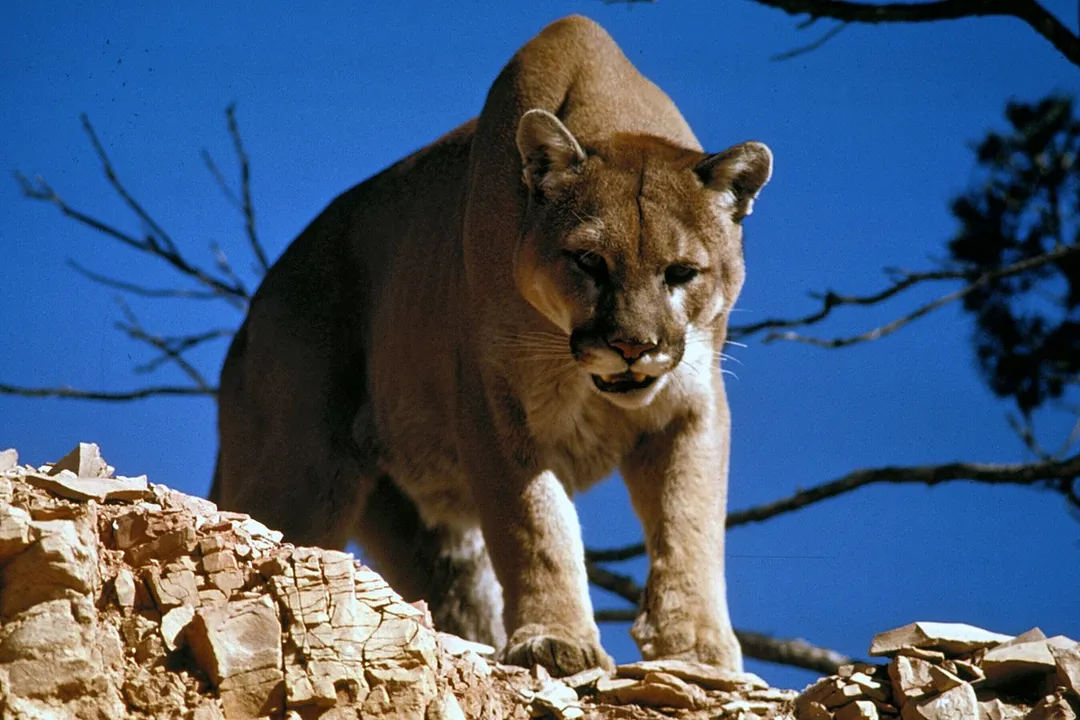
The term catamount carries a historical resonance, often conjuring images of wilderness and elusive predators from a bygone era. At its simplest, a catamount is a colloquial name used to refer to a large, tawny-colored wild cat, most frequently identified as the cougar. Different regions adopted the name for the same animal, which goes by several recognized monikers across North America. For many who use the term today, it functions as a direct synonym for the cougar, puma, or mountain lion. This lack of singular, universal application is part of what makes the word interesting; it is more a reflection of local dialect and regional history than a strict biological classification.
# Naming Conventions
To understand the catamount, one must first appreciate the array of names given to this formidable feline. Sources consistently link the catamount to the species scientifically known as Puma concolor. In different parts of the country and world, this animal is known as the cougar, the puma, the mountain lion, or the painter. Merriam-Webster defines a catamount as simply a cougar or puma. Similarly, Dictionary.com lists it as a name for the puma, and the Cambridge Dictionary suggests it refers to the puma or cougar as well. This overlap confirms that when most contemporary sources speak of a catamount, they are describing the same wide-ranging species.
The differences largely boil down to geography and time period. The name "catamount" itself is a contraction, likely stemming from "cat of the mountains". Its usage appears particularly entrenched in the Appalachian regions and parts of the Eastern United States, where the animal's presence has become much more uncertain.
Here is a quick comparison illustrating how the names cluster around a single species:
| Common Name | Primary Association | General Context |
|---|---|---|
| Catamount | Eastern US / Appalachia | Historical or colloquial term |
| Cougar | Western US / Scientific | Widely recognized synonym |
| Puma | South/Central America | Taxonomic and common name |
| Mountain Lion | Western US | Descriptive common name |
| Panther | Florida / Southern US | Regional variant (though Panther can also mean other cats) |
Incorporating the term "catamount" into modern conversation often requires a brief pause for context. While an observer in California might use "mountain lion," an elderly resident of Vermont might default to "catamount," even though they are both referring to the same potential species—Puma concolor.
# The Animal Described
The animal commonly labeled a catamount is one of the most adaptable and widely distributed mammals in the Western Hemisphere, ranging from the Canadian Yukon to the southern Andes. Mountain lions, as they are frequently called in Western North America, are large, slender, and muscular cats, typically appearing yellowish-brown or grayish in color. They are known for their relatively small heads and powerful hind legs, which grant them incredible jumping and leaping abilities.
A mature male cougar can weigh between 115 and 220 pounds, with females being somewhat smaller. They are solitary hunters, often relying on stealth and ambush to take down prey that includes deer, elk, and smaller mammals. The catamount, or cougar, is the second-largest cat in the Americas, surpassed only by the jaguar.
One key distinguishing feature often discussed when identifying these animals is the tail. A cougar possesses a long, heavy tail, often measuring about one-third of its total body length, which aids significantly in balance during sharp turns while running or jumping. Interestingly, though the terms are often used interchangeably now, regional historical accounts may sometimes blend descriptions or conflate the catamount with other large predators, though the primary association remains firmly with the cougar.

# A History of Disappearance
The history of the catamount in places like Vermont offers a stark look at how human settlement impacts wildlife populations. In many Eastern states, the population of these large cats was severely diminished, or declared locally extinct, by the late 19th and early 20th centuries due to aggressive hunting and habitat loss. For much of the 20th century, official state records in places like Vermont indicated that the catamount was gone.
The narrative surrounding the "last catamount in Vermont" is a powerful example of this historical perspective. Hunting records and historical anecdotes suggest that organized eradication efforts effectively removed the species from the region decades ago. This history means that any reported modern sighting carries significant weight, often sparking intense local debate about whether the animal is truly gone or if a remnant population persists in isolated, rugged terrain.
It is fascinating to observe how language persists even when the subject fades from common experience. In communities where the animal was once a known, if feared, presence, the term "catamount" stayed in the local vernacular long after the physical animal was rarely, if ever, seen. This linguistic endurance is often more notable than the actual frequency of recent sightings. For example, while there are occasional modern reports of large cats in Vermont, wildlife officials often attribute these to transient males moving from established populations further west, rather than evidence of a breeding colony.
# Cultural Footprint
Despite the presumed absence of breeding populations in many historical locales, the catamount remains an important symbol, particularly in New England. The University of Vermont (UVM) has famously adopted the Catamount as its official mascot. This choice serves as a nod to the region's natural history and spirit, even if the actual animal has not been a fixture in the state's forests for generations.
The UVM mascot represents a kind of rugged, fierce, yet intelligent character—qualities people often associate with the animal itself. The mascot's name choice connects the university to the state's untamed past, providing an identity rooted in the local landscape, distinct from the more common names like "Bears" or "Eagles" found elsewhere. This modern branding keeps the name "Catamount" alive and visible to new generations who might otherwise only know it from dictionary definitions.
When considering local wildlife reports today, it is important to mentally bridge the gap between the historical catamount and the modern cougar. If someone shares an account from the Appalachian foothills today claiming they saw a catamount, they are likely recounting an encounter with a Puma concolor that has wandered eastward, perhaps from established populations in the West or Rockies. The continued use of the name signals respect for the history of that region's wildlife heritage.
For someone interested in tracking wildlife or understanding local lore, the catamount story offers a case study in conservation history and linguistic persistence. The animal was once native across much of the East, and the term reflects that former reality. While the biology points clearly to Puma concolor, the word "catamount" carries the specific cultural weight of the mountains where it was most frequently applied. The debate surrounding whether a population can or will re-establish itself in the East keeps the name relevant in conservation discussions, even if definitive proof of a breeding group remains elusive. This legacy ensures that the term "catamount" will continue to be used, whether referring to a historical phantom or a genuinely rare modern visitor.
Related Questions
#Citations
CATAMOUNT Definition & Meaning - Merriam-Webster
Cougar - Wikipedia
r/vermont on Reddit: So you think you've seen a catamount? -- The ...
CATAMOUNT Definition & Meaning - Dictionary.com
Differences between mountain lion, bobcat, panther, and catamount
What is a Catamount? And why it is the University of Vermont's mascot
The Last Catamount in Vermont
CATAMOUNT | definition in the Cambridge English Dictionary
Cryptozoology: The Catamount - Stony Valley
About Mountain Lions