What breeds make up a Brussels Griffon?
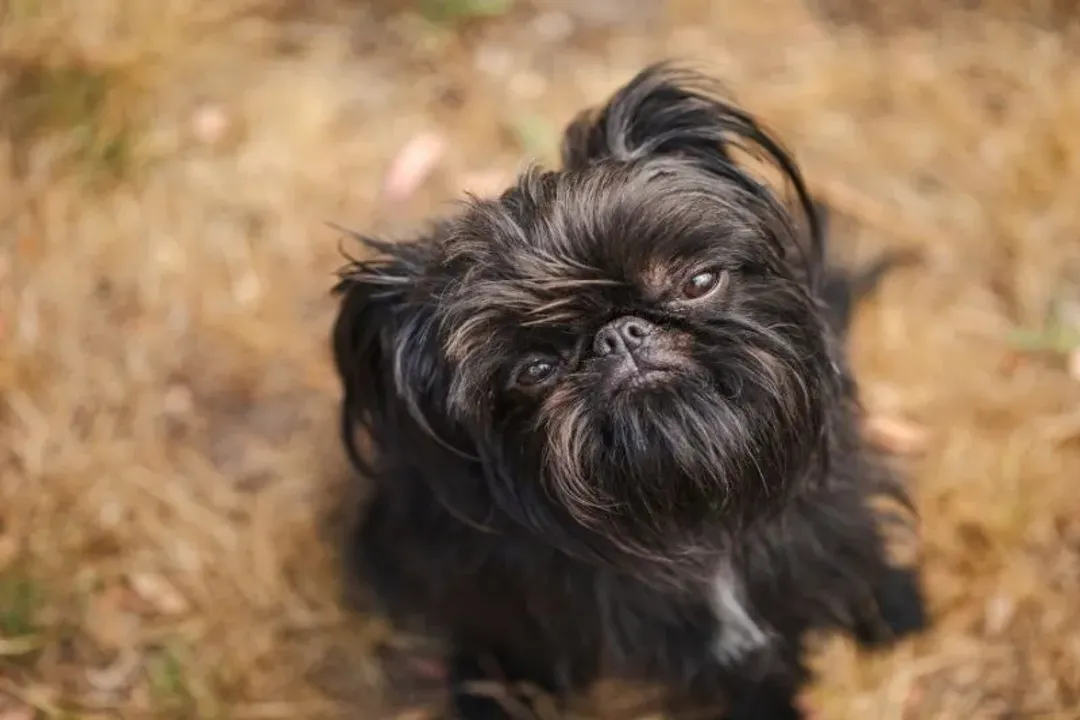
The Brussels Griffon, with its expressive, almost human-like face and wiry coat, stands out in any gathering of dogs, leading many to wonder about the precise ancestry that shaped this unique companion. This charming little dog traces its roots back to the bustling city of Brussels, Belgium, emerging from a working background before ascending to lapdog status. [1][5] Understanding what breeds make up the modern Griffon requires looking back at the small, determined canines that inhabited the city’s stables centuries ago. [2]
# Stable Dogs
The earliest iteration of the dog that would become the Brussels Griffon was a small, rough-coated terrier type found performing a vital, if gritty, job: clearing stables and carriages of rats and vermin. [2][5] These early dogs were known simply as Griffons. [2] They needed to be tenacious, small enough to maneuver tight spaces, and possessing a protective, harsh coat to guard against bites during their work. [2] These dogs were indigenous to the area and served as the baseline stock for future development. [1] They were not pampered pets; they were working partners valued for their alertness and pest control skills. [2]
# Foundational Crosses
As the centuries progressed, the dog’s function began to shift. While the foundational stock provided the characteristic tenacious spirit and rough coat, breeders in the 1800s sought to refine the appearance, particularly the head structure and expression, to create a more desirable companion animal. [2] This refinement process involved strategic crossbreeding with established toy breeds known for distinct features. [1]
The two most significant breeds introduced into the Griffon lineage were the Pug and the Affenpinscher. [1][2][5]
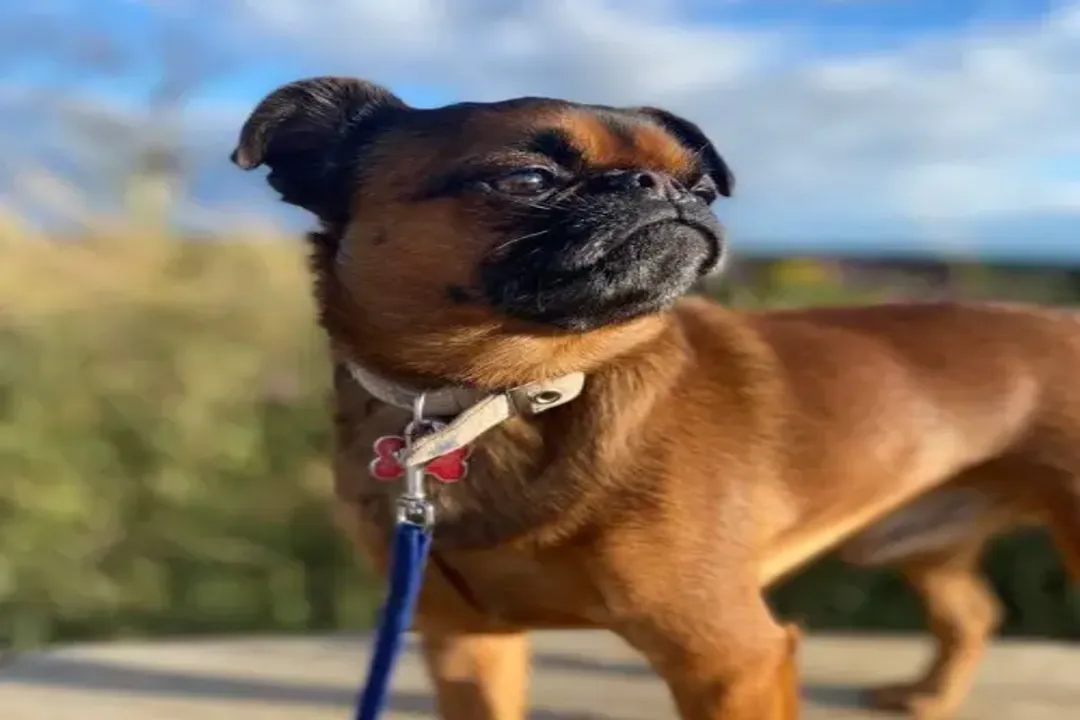
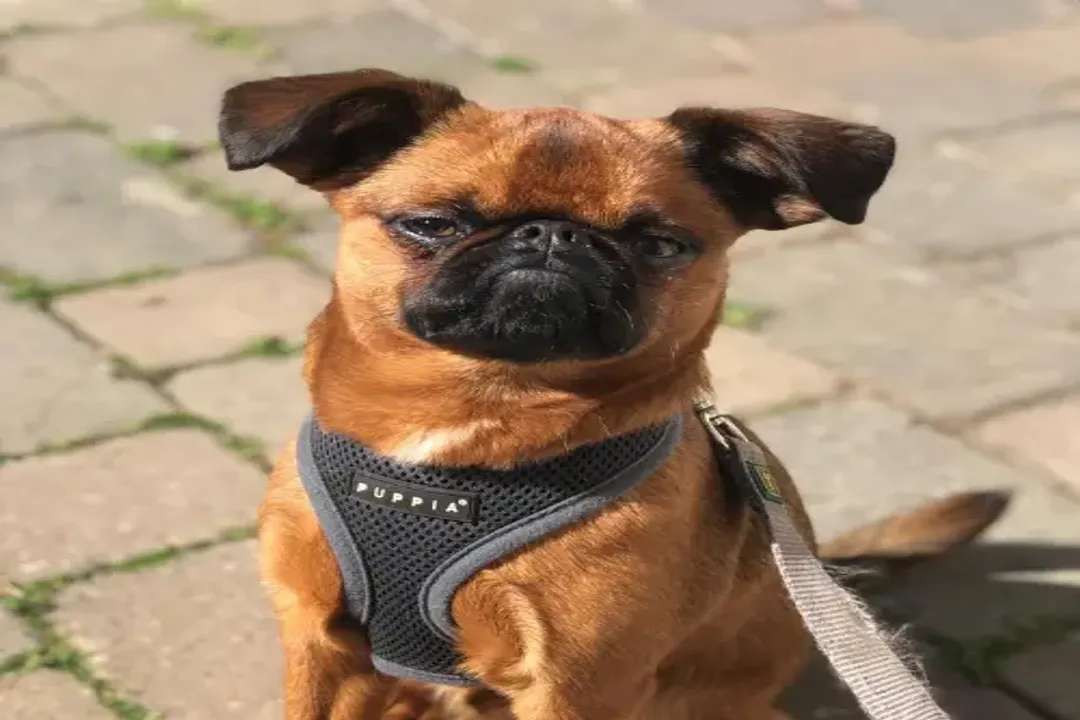
The introduction of the Pug is thought to have influenced the development of the smooth-coated variety, which ultimately became the Petit Brabançon, and likely contributed to the characteristic domed head and short muzzle seen in the breed today. [1] The Pug’s contribution helped temper the sharper terrier characteristics into a softer appearance suitable for a companion lapdog. [2]
Simultaneously, the Affenpinscher, a German breed known for its monkey-like expression and harsh coat, was also instrumental. [1] The infusion of Affenpinscher traits likely helped solidify the wiry texture of the rough coat and maintained the alert, somewhat mischievous intelligence of the original Griffon type. [2] While the sources consistently name the Pug and Affenpinscher as the primary influences during this critical refinement period, it is important to remember that the original stock was the native Belgian street dog, making the heritage a three-part foundation: indigenous terrier, Pug, and Affenpinscher. [5] This careful mix is what created the distinct Brussels Griffon we recognize today, rather than being a simple cross between two modern, recognized breeds, like some might speculate regarding other small breeds such as the Shih Tzu. [10]
This foundational mixing highlights a common trend in toy breed creation: taking a functional, hardy, small dog and selectively breeding it to enhance specific, often cosmetic, traits while retaining a manageable size. For the Brussels Griffon, this meant exaggerating the facial features that give it such personality. [2]
# Recognized Types
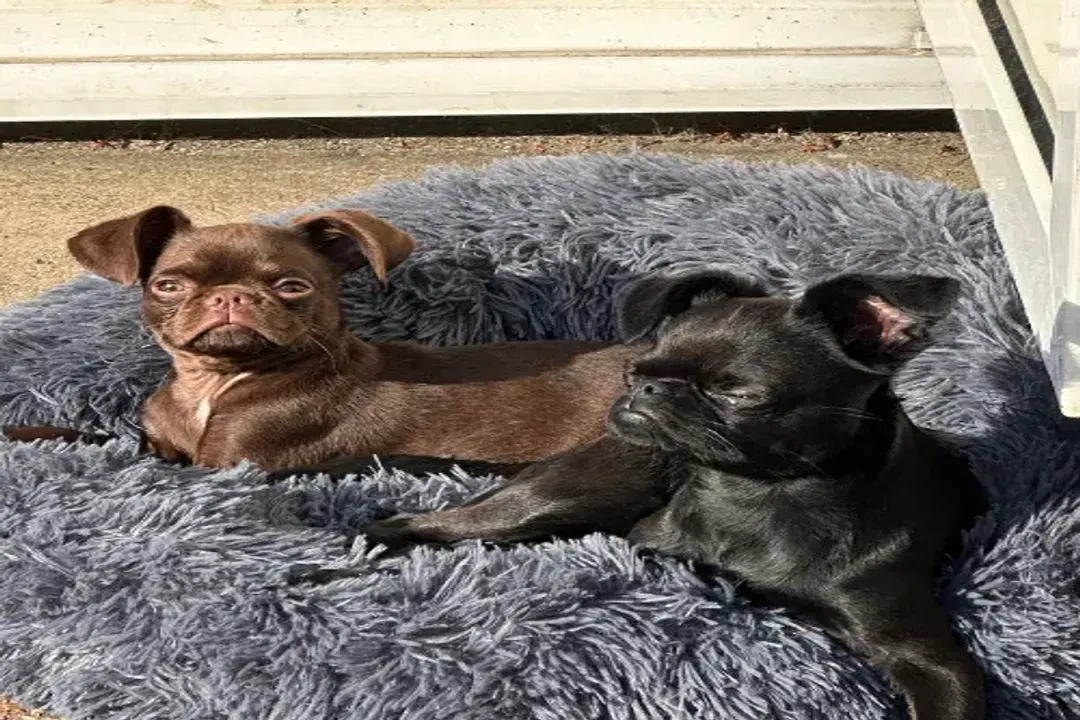
Once the crossbreeding established the desired physical traits, the focus shifted to standardizing the resulting dogs into distinct varieties, which are sometimes mistaken for separate breeds themselves, though they all share the same core ancestry. [4] The American Kennel Club (AKC) and other international registries recognize four distinct types within the Brussels Griffon breed designation. [1][6] These variations arise primarily from differences in coat texture and color inherited from the foundational crosses. [1]
The primary division is based on coat:
- Rough Coat (The Brussels Griffon): This is the traditional, bearded, and mustachioed dog that most people picture when hearing the name. They possess a harsh, wiry outer coat. [6]
- Smooth Coat (The Petit Brabançon): This variety has a short, smooth coat. [6] Interestingly, the smooth coat is a recessive trait. If two rough-coated Griffons are bred together, they can still occasionally produce a smooth-coated puppy because both parents carry the recessive gene from their Pug or earlier smooth ancestors. [4]
Beyond the coat type, there are distinct color standards that further define the recognized appearances:
- Red: This runs from a deep, rich red to a lighter reddish-brown. [1]
- Black and Tan: Dogs with black bodies and tan markings, similar to some terrier colorations. [1]
- Black: Solid black dogs. [1]
- Bisque: This color, often described as a lighter reddish-brown or fawn, is unique to the rough-coated variety in some standards, though color definitions can vary slightly between kennel clubs. [1][6]
When considering the overall makeup of the breed, it is key to realize that the presence of both rough and smooth coats within the same lineage is a direct, visible testament to the blending of the wiry-haired Griffon ancestors with the short-coated Pug lineage. [4]
| Feature | Rough Coat (Brussels Griffon) | Smooth Coat (Petit Brabançon) | Ancestral Influence Evident |
|---|---|---|---|
| Coat Texture | Harsh, wiry, requires stripping | Short, smooth, sheds less | Original Griffon/Affenpinscher vs. Pug |
| Face Furnishings | Heavy beard, mustache, eyebrows | Minimal to none | Affects expression greatly |
| Temperament | Generally shared, though coat management differs | Generally shared | Shared heritage |
# Development Standards
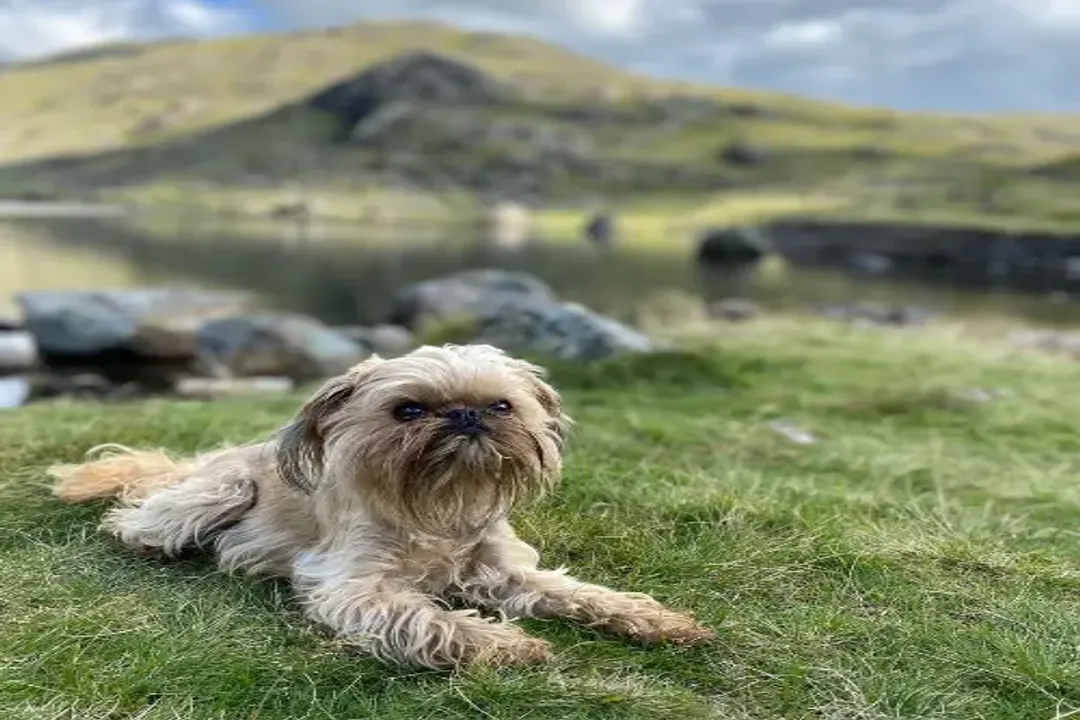
The transition from a utility rat catcher to a small, desirable companion dog required dedicated breeding efforts, particularly in England and the United States, following the breed's initial development in Belgium. [2] By the late 19th century, breeders began working toward official recognition. [2] The development standards focused heavily on exaggerating the traits that made them appealing companions: the large, dark eyes, the short muzzle, and the characteristic "human-like" expression. [6]
For owners today, recognizing the breed’s makeup helps explain certain inherent characteristics. For instance, the tenacity of the original stable dog remains, meaning that even a meticulously groomed companion may retain a surprising amount of spunk and vigilance—a behavioral echo of its rat-catching past. [4] They were bred to be observant and self-reliant, traits that persist despite their current roles as house pets. [4] This blend of tough background and refined appearance is what distinguishes the Griffon; they are not simply delicate lapdogs, but rather dogs whose ancestry includes genuine grit. [2] The deliberate inclusion of the Pug and Affenpinscher ensured that while they became smaller and more charming, they did not entirely lose the alertness necessary for their initial function. [1]
This historical path—from ratting dog to refined companion via specific crosses—is the complete answer to the breed's makeup. It is a composite creature, purposefully engineered over time to blend the working hardiness of the local terrier with the refined features of established toy breeds, resulting in a dog with a truly singular look and temperament. [2][5]
#Videos
All about the Brussels Griffon? | What you need to know! - YouTube
Related Questions
#Citations
Griffon Bruxellois - Wikipedia
Brussels Griffon History: Where the Breed Originated
Brussels Griffon Dogs | Breed Appearance, Personality & History
The Brussels Griffon: Is this the breed for you?
Brussels Griffon Dog Breed Information | Purina US
Brussels Griffon small breed characteristics - Facebook
Brussels Griffon Dog Breed Guide - BorrowMyDoggy
All about the Brussels Griffon? | What you need to know! - YouTube
Is a Brussels Griffin dog considered a Shih Tzu Dog? - Quora