What are some cool things bats can do?
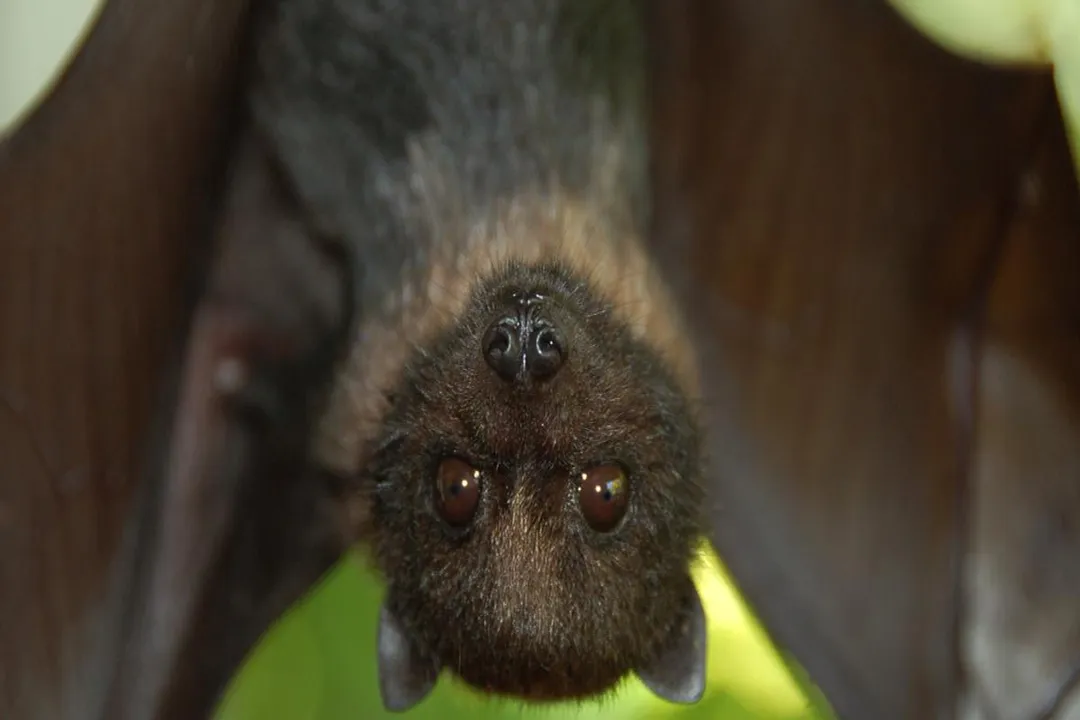
The world of bats is far more intricate and astonishing than the simple image of a dark, flitting creature often conjured in popular thought. These mammals, which represent over 1,400 species globally, possess an array of specialized abilities that push the boundaries of biology, particularly in how they perceive and interact with their environment. While many people know bats use echolocation to navigate, the true mastery these creatures exhibit through sound is only beginning to be fully appreciated by researchers.
# Sound Mastery
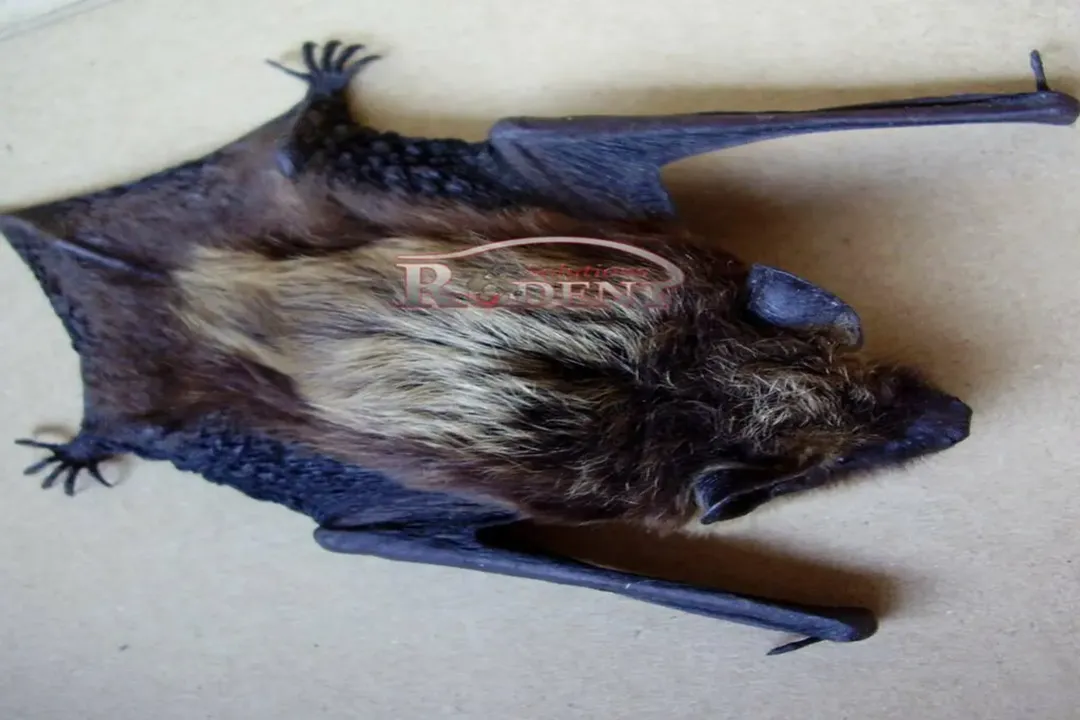
The ability to use sound for navigation and hunting is widespread, found in dolphins, whales, and even some birds and mice, but bats often represent the zenith of this capability. They turn the nighttime air into a richly detailed acoustic landscape that we can barely imagine.
# Echolocation Precision
One of the most stunning demonstrations of this acoustic perception comes from the common big-eared bat of South America. Scientists once believed that bats could only track moving insects, assuming a motionless target would be acoustically invisible, especially in dense vegetation. This bat defies that assumption; it can detect and target sleeping dragonflies that are holding perfectly still. It does this by bombarding the target with a constant stream of sonar, a process researchers call "ensonification," which allows it to determine edibility within about three seconds. What’s more, this bat can differentiate between a real dragonfly and a decoy crafted from common materials like paper and tin foil, proving their sonar is sensitive enough to discern not just shape, but also the physical material of an object.
This sophistication extends to botany. Certain species, known as Glossophagine bats, can navigate complex foliage using only sound to locate specific flowers and fruits. Considering the echoes from many leaves create what should theoretically be an indiscernible acoustic blur, this feat is remarkable. In a fascinating example of co-evolution, some plants have developed leaves shaped like satellite dishes, apparently evolved specifically to help attract these sound-guided foragers.
# Vocal Extremes
The range of sounds bats produce is as impressive as their ability to interpret them. While the average human can hear frequencies between 20 hertz and 20 kilohertz, most bats chirp between 12 and 160 kilohertz. Pushing this upper limit significantly, the clear-winged woolly bat emits the highest-pitched sound recorded for any animal, reaching up to 250 kilohertz. This sound is over 120 times higher than the highest note a top human soprano can produce. Scientists suggest these extremely high frequencies create a sonar beam that is highly focused and short-ranged, offering a critical advantage for pinpointing insects amidst the clutter of a dense jungle environment.
Conversely, some bats have developed the opposite trick to counter prey that has evolved to hear standard sonar. The Pallas's long-tongued bat employs what is described as "whisperlocation," using a sonar signal so faint that moths, which are adept at detecting typical bat calls, simply cannot hear it coming. Research on the barbastelle bat revealed its vocalizations can be up to one hundred times quieter than those of other bats, allowing them to swoop down on unsuspecting moths using acoustic stealth.
# Biological Engineering
Bat anatomy, particularly the structures involved in flight and hearing, showcases rapid biological processing far surpassing human technological capabilities.
# Rapid Hearing Adjustments
It is easy to overlook the receiving equipment—the ears—when discussing echolocation, but they are biological marvels of rapid adaptation. Engineers studying the horseshoe bat discovered that this creature can alter the shape of its external ear structure dramatically in as little as one-tenth of a second (100 milliseconds). To put this into perspective, the simple act of a human blinking takes approximately three times longer than the horseshoe bat takes to completely retune its ears for a different acoustic sensing task. Furthermore, these sophisticated ears can process overlapping echoes arriving just two millionths of a second apart, distinguishing between objects separated by only 0.3 millimeters—roughly the thickness of a human hair.
# Sonic Speed Limiters
The physical mechanism producing these rapid-fire calls is the larynx, which is the fastest-contracting muscle known in any mammal. A bat's larynx can contract an astonishing 200 times per second, which is 100 times faster than the human blink reflex. This rapid contraction is fueled by muscle cells containing an elevated density of mitochondria (the cell's powerhouses) and specialized calcium-shuttling proteins, effectively supercharging their muscular output. Although the larynx limits their emission rate to about 400 echoes per second (as echoes return in one millisecond), studies suggest bats might be capable of hearing up to 400 echoes per second if the muscles could keep up.
# Wing Navigation
While most bats rely on vocalizations, many Old World fruit bats navigate without the typical clicks and squeaks of echolocation. Intriguingly, these bats navigate using sounds generated by clapping their wings together. Scientists confirmed this non-vocal navigation method by sealing the bats' mouths and anesthetizing their tongues to rule out any vocal cheating, though the precise biomechanics of how the wing clap generates a useful navigational sound remains an active area of inquiry. This discovery marks the first time any animal has been documented using non-vocally produced sounds for navigation.

# Social Structures and Logistics
Bats demonstrate complex social behaviors, maintaining identity and community over distances. They are not merely solitary nocturnal hunters; they form tight-knit social units.
# Naming Friends
Research indicates that bats possess the ability to recognize the calls of specific individuals within their social group. Each bat appears to have a "special vocalization" that functions as a unique acoustical signature, which scientists believe acts as a greeting when they settle into their roosts after foraging. After this recognition, the reunion ritual often involves mutual grooming, including smelling each other's armpits. When hunting, they emit unique "foraging calls" to announce ownership over a captured insect, essentially shouting "Mine!" in a way their colony-mates recognize.
# Natural Megaphones
Nomadic species, such as disc-winged bats, must maintain contact across distances while roosting in separate curled heliconia or calathea leaves. These curled leaves act as natural communication aids. For bats inside the leaf, it functions like a megaphone, amplifying their calls by up to 20 decibels and making the sound highly directional. Studies showed that bats outside the leaf could call back, engaging in a sound-based game of location until the scattered members of the colony could successfully reunite at the correct temporary roost. For incoming calls, these leaf structures can boost the volume by as much as 10 decibels.
It is worth pausing to consider the fragility of these social networks against environmental pressures. When considering conservation, the recovery of one species like the lesser long-nosed bat, which rebounded from fewer than 1,000 individuals to an estimated 200,000 through collaborative effort, shows the power of intervention. However, the loss of habitat or the impact of diseases like White-Nose Syndrome—which has wiped out over 90% of certain populations like the northern long-eared bat—could fracture these complex social bonds permanently, not just remove individuals. The replacement of a functional, acoustically enhanced colony structure would be an impossible task to engineer artificially.
# Ecological and Physical Feats
Bats are crucial players in natural ecosystems and exhibit surprising physical traits, including longevity and speed that defy typical small-animal expectations.
# Speed and Lifespan Records
While bats are known for their maneuverability, some species can achieve true speed, with new research indicating certain bats can fly over 100 miles per hour. Furthermore, while small animals often have short lives, bats are notable exceptions. Though most live less than two decades in the wild, scientists have documented several species surviving past 30 years, with a Siberian bat setting the record at 41 years old.
# Mammal Gifts
The ecological benefits bats provide are substantial. Over 300 species of fruit depend on bats for pollination, including common items like bananas, avocados, and mangoes. They are also seed dispersers for nuts, figs, and cacao (the source of chocolate), and are vital for plants such as agave and the iconic saguaro cactus. Given the difficulty of replicating large-scale, nighttime pollination services, the economic value tied to these natural processes is immense; if these ecological engineers vanished, the cost and logistical challenge of replacing their work through human effort would be staggering. Furthermore, their insect-heavy diet means they consume their body weight in pests nightly, helping protect crops and forests. Some bats, like the lesser long-nosed bat, can hover like hummingbirds, extending a tongue nearly equal to their own body length to sip nectar.

# Quirks and Oddities
Even beyond their specialized skills, bats exhibit habits and physical attributes that make them unique among mammals.
# Water Detection Paradox
The sensitivity of their sonar is so fine-tuned that some fishing bats do not rely on sight or even penetrating the water. Instead, they sense the tiny ripples on the surface caused by the fish underneath, reading the peaks and troughs of the water with sound to locate their prey. This same method allows them to detect frogs sitting still in the water, betrayed by the ripples around them. In a humorous contrast to this acute perception, young bats are apparently hardwired to perceive any acoustically smooth surface as water. If a smooth, non-liquid plate is placed in the jungle, a juvenile bat will often dive straight into it attempting to take a drink.
# Mammalian Commonalities
Despite their wings and nocturnal habits, bats share fundamental traits with other mammals. They are the only flying mammals, with wings structured like highly modified human hands featuring long finger bones and flexible skin membranes. Like cats, bats spend considerable time grooming themselves and each other, a behavior that helps keep their fur clean and manage parasites. Perhaps most surprisingly, nearly all mammals have a navel from the umbilical cord, and bats are no exception; they possess belly buttons, whether they manifest as "innies" or "outies". Baby bats, called pups, are nursed on breastmilk, just like puppies or kittens.
The study of bats continues to yield discoveries that benefit human science. Their echolocation methods have inspired navigational aids for people with visual impairments, and research into their physiology has contributed to advances in vaccine development. These aerial acrobats, masters of sound, and essential ecosystem workers truly perform some of the coolest tricks in the animal kingdom.
Related Questions
#Citations
13 Awesome Facts About Bats | U.S. Department of the Interior
10 Amazing things You didn't Know Bats Could Do