How big does a Dalmador get?
The ultimate size of a Dalmador, the cross between the energetic Dalmatian and the sturdy Labrador Retriever, isn't a neat, predictable number; it’s more of a fascinating spectrum influenced by the luck of the genetic draw. Prospective owners often look for a single answer—a specific height and weight—but the reality of this mixed breed is variability, often landing somewhere squarely between its two very popular parents. Understanding this range is key to planning for your dog's adult life, from crate sizing to feeding schedules.
# Range Defined
Generally speaking, Dalmador size falls into the medium-to-large category typical of established purebreds like the Labrador Retriever. While exact figures can vary significantly from one litter to the next, general expectations place them within similar parameters to a purebred Lab, though sometimes leaning slightly smaller depending on the Dalmatian influence.
When looking at weight, you can anticipate a healthy adult Dalmador to fall somewhere between 45 and 75 pounds. If the puppy leans toward the Labrador side, they might reach the higher end of that scale, possessing that classic, substantial Lab build. Conversely, a stronger Dalmatian contribution might keep them closer to the 50-pound mark. For height, measured at the shoulder (withers), the typical range is usually between 21 and 25 inches tall. Again, this mirrors the expected heights of a standard Labrador Retriever. A smaller female from a litter might be closer to 21 inches, while a large male could easily push 25 inches or slightly more.
# Weight Height Table
To make this variability clearer, here is a general summary of what to expect across different stages of growth, recognizing these are guidelines, not guarantees:
| Life Stage | Expected Weight Range | Expected Height Range (at Withers) |
|---|---|---|
| Puppy (3 Months) | 15 – 25 pounds | 10 – 13 inches |
| Adolescent (6 Months) | 30 – 50 pounds | 16 – 20 inches |
| Adult (18+ Months) | 45 – 75 pounds | 21 – 25 inches |
It's important to note that while many sources list these averages, the first year is crucial for development, and a dog can easily surprise you by reaching their full height a little later than expected, sometimes continuing to fill out until they are nearly two years old.
# Parent Breed Blueprint
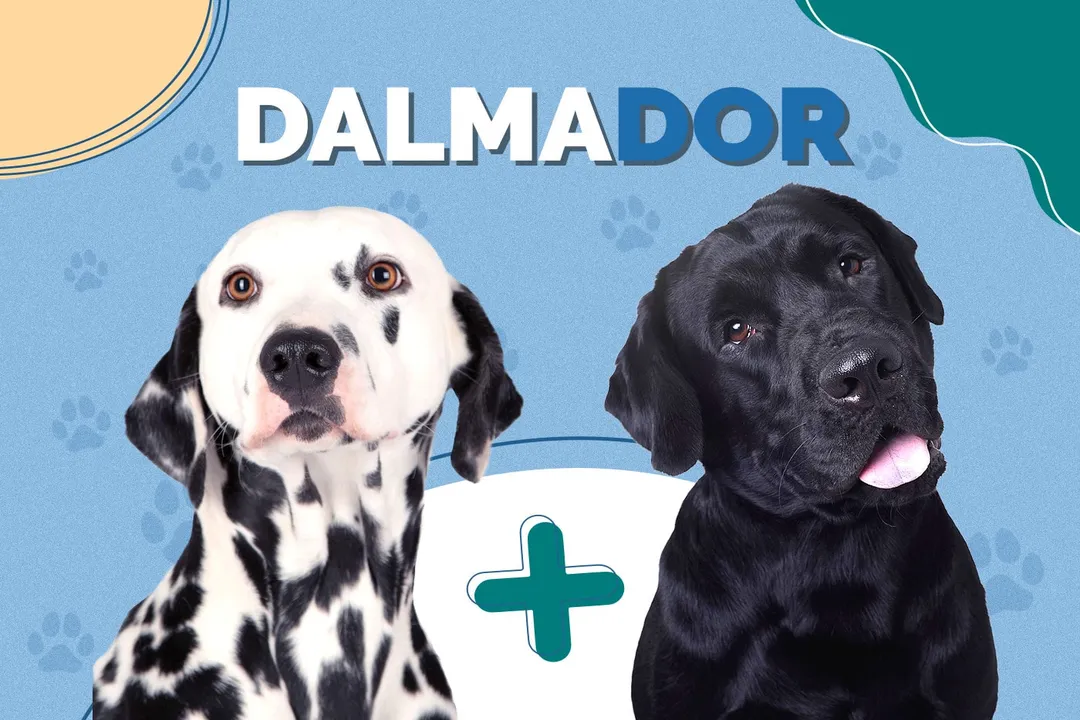
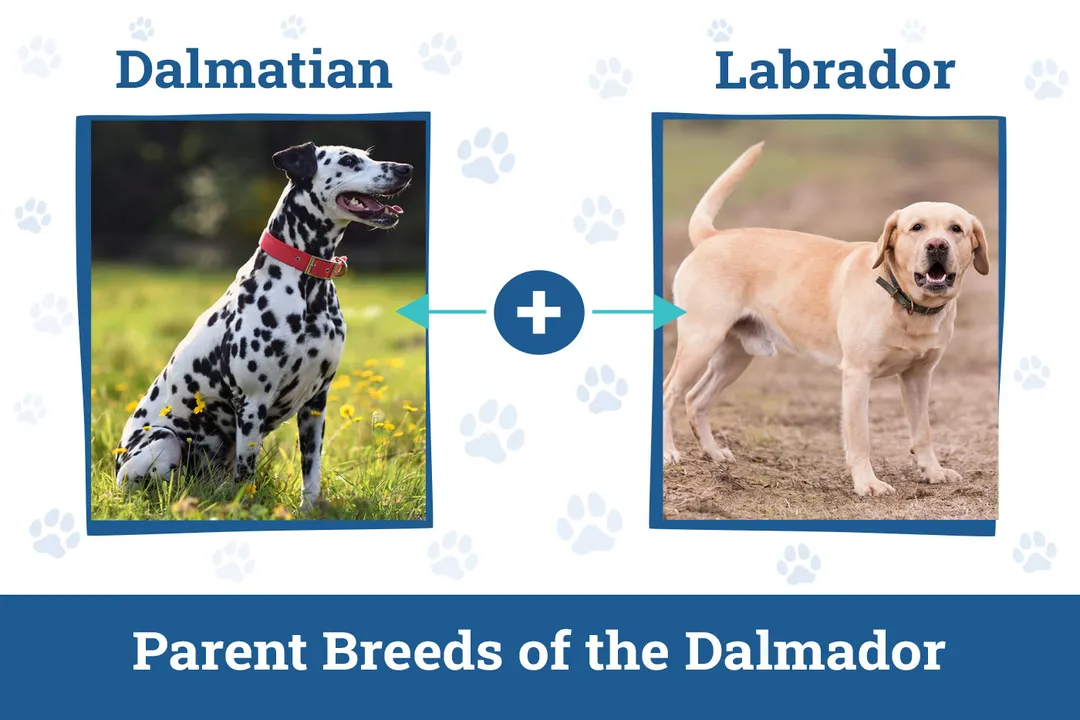
The uncertainty in a Dalmador's adult size is directly attributable to the genetic blending of the Dalmatian and the Labrador Retriever. Each parent breed brings a distinct stature to the mix.
The Labrador Retriever is consistently a medium-to-large breed, known for being sturdy and well-muscled. Purebred Labs typically weigh between 55 to 80 pounds and stand 21.5 to 24.5 inches tall. They are built for endurance and retrieving, which contributes significant bone density and overall mass to the Dalmador mix.
The Dalmatian, on the other hand, is generally lighter-boned and more lithe. Standard Dalmatians usually weigh between 45 to 70 pounds and stand 19 to 23 inches high. They have a leaner, more athletic frame compared to the robust Labrador.
When these two profiles mix, the resulting Dalmador can inherit the Lab's bulk or the Dalmatian's leanness, or land somewhere in the middle. For instance, a puppy inheriting the height genes of a tall Labrador father and a shorter Dalmatian mother might end up taller than expected based on average breed stats, even if they retain a lighter Lab frame.

# Growth Trajectory Factors
Beyond the simple mix of genes, several controllable and uncontrollable factors dictate where your specific Dalmador puppy will land within that 45 to 75-pound window. Recognizing these variables helps owners prepare adequately, long before the dog hits its full stride.
The first major variable is sex. As is common across many dog breeds, male Dalmador puppies tend to grow larger and heavier than their female counterparts. A male dog often reaches the upper limit of the 75-pound mark, while a female might settle comfortably in the 45 to 60-pound range.
Diet and early nutrition are also significant influencers. While you should never force a dog to be bigger than its genetics dictate, ensuring a high-quality diet appropriate for large-breed puppies can support the full realization of its bone structure. Conversely, underfeeding or feeding a diet too high in calories during rapid growth phases can lead to developmental issues, though it may not necessarily stunt final height significantly, it impacts overall body condition and perceived size.
One original observation for new owners revolves around predicting mature weight based on early puppy milestones. While not perfectly accurate for hybrids, you can gain an early, albeit rough, estimate. If you track your Dalmador puppy’s weight at 16 weeks (4 months), multiplying that weight by a factor of 2.0 to 2.5 often yields a decent approximation of their final adult weight. For example, if your 16-week-old puppy weighs 35 pounds, a factor of 2.0 suggests an adult weight of 70 pounds, while a factor of 2.5 suggests 87.5 pounds (which is slightly outside the typical range, suggesting you should aim for closer to the 2.0 factor or check parent lineage). This estimation tool is most reliable if the puppy is on an appropriate growth curve and not experiencing any immediate health issues.
# Spatial Needs Assessment
Knowing the potential weight and height helps owners prepare their homes, but it's equally important to consider the body composition that comes with this size. A 65-pound Dalmador with the thick frame of a Labrador will require significantly more space on the couch, in the car, and especially in a properly sized crate than a 65-pound Dalmador with the leaner structure inherited from a Dalmatian parent.
If you are purchasing a crate, you must size it for the potential adult weight, prioritizing the larger parent breed’s dimensions, especially if the puppy is displaying early signs of being heavy-boned. For instance, if the typical crate size for a 70-pound Lab is a 42-inch long crate, that should be your minimum target, even if you suspect your dog might end up closer to 55 pounds. An undersized crate can lead to behavioral issues and physical discomfort as the dog grows.
Another practical consideration, which often gets overlooked when solely focusing on height and weight figures, is the reach of a dog this size. A Dalmador standing 24 inches at the shoulder, especially one with a long neck, can easily peer over standard kitchen counters or reach objects placed on a coffee table. This is particularly relevant when considering cleaning supplies or kitchen hazards. The dog's height measurement is just the floor; their standing reach is often a few inches more, which can impact puppy-proofing strategies much like you would for a taller purebred dog. This awareness of vertical space and reach, rather than just horizontal floor space, is an essential, non-numeric aspect of managing a dog in this size category.

# Final Growth Milestones
For most Dalmador mixes, the rapid growth phase slows down substantially around ten to twelve months of age. While they might look fully grown in terms of height by this point, they are typically still filling out their chests and building muscle mass. Owners often notice a change in their dog’s proportions during this time; they go from looking gangly or leggy to looking solid and substantial. Full maturity, where the dog has reached its final adult weight and bone density, usually occurs between 18 and 24 months. Patience during this final "filling out" stage is important, as forcing high-impact exercise too early can stress developing joints, particularly if the puppy is carrying the denser bone structure of the Labrador parent. Maintaining steady, moderate activity and proper weight management throughout this two-year span ensures the dog reaches its maximum healthy size and structure without strain.
#Videos
Price - Traits - Dalmador Grooming Needs - Lifespan - YouTube
Related Questions
#Citations
Dalmador | Dog Breed Facts and Information - Wag! Dog Walking
Dalmador (Dalmatian & Lab Mix): Info, Pictures, Care & More - Dogster
Dalmador Dog Breed Information and Pictures
Dalmador Dog Breed Health, Temperament, Training ... - PetGuide
Price - Traits - Dalmador Grooming Needs - Lifespan - YouTube
Dalmador (Labrador & Dalmatian Mix): Info, Pictures, Facts - Hepper
Dalmador: The Energetic and Friendly Dalmatian-Labrador Mix
Dalmador | Pet Premium - Pet Insurance Comparison
Dalmatian Lab Mix: Dalmador Dog Breed Information, Puppies & More