What is an Ori Pei?
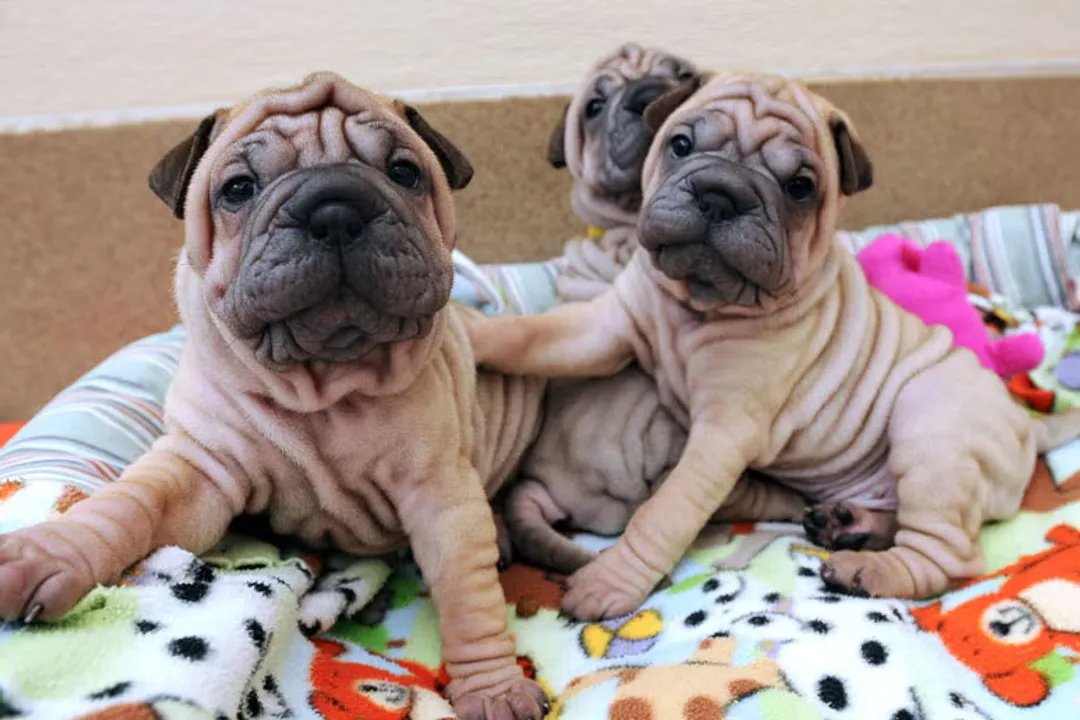
The Ori Pei represents a distinct chapter in the story of designer dogs, merging the distinct silhouettes of two ancient and well-loved Chinese breeds: the Pug and the Chinese Shar-Pei. Unlike many hybrid mixes whose origins are shrouded in mystery, the lineage of the Ori Pei is relatively clear, tracing back to a specific goal set forth in the 1970s in North America. A breeder named Aaron Silver initiated this cross, driven by a deep appreciation for the Shar-Pei but deterred by its propensity for certain hereditary health problems like skin issues and hip dysplasia. His aim was straightforward: to create a companion that was both smaller and ideally, healthier, than the purebred Shar-Pei. The resulting offspring, also known by nicknames like the Shar Pug, Pei Pug, or Pug-A-Pei, carries forward a complex blend of traits from both parents.
# Hybrid History
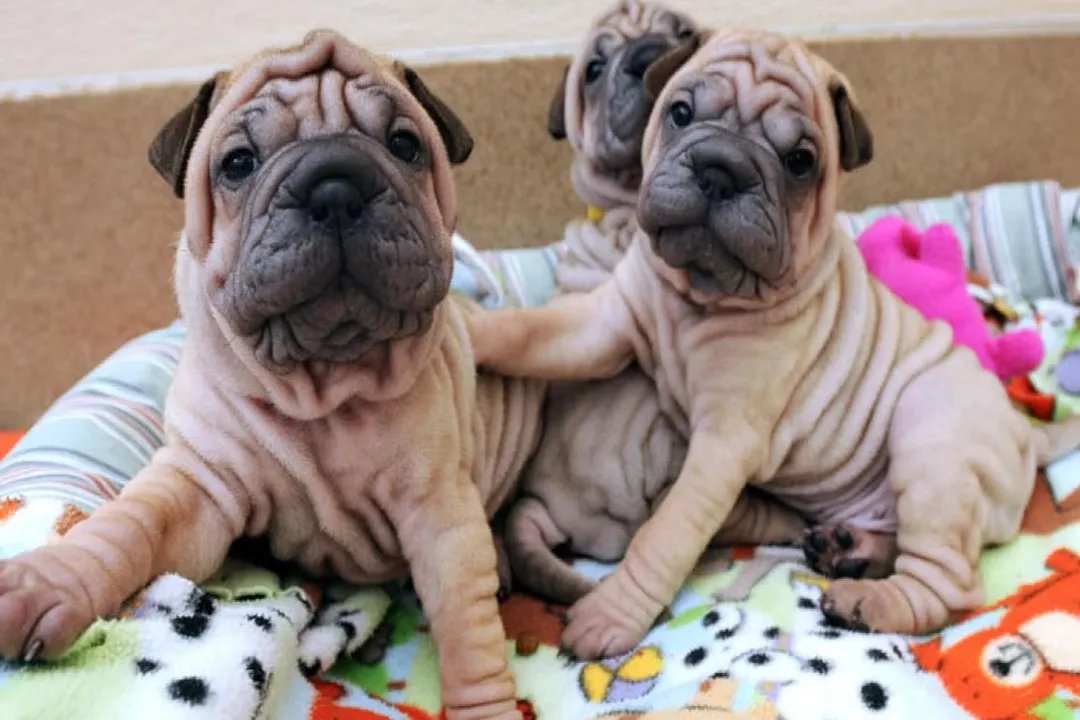
The deliberate creation of the Ori Pei in the 1970s marks it as one of the older American designer mixes. Silver sought to use the Pug to introduce genetic diversity to the Shar-Pei line, hoping to mitigate breed-specific ailments while retaining desirable features like the unique skin folds, velvety fur, small ears, and the curly tail standard of the Shar-Pei. It is important for prospective owners to know that not every Ori Pei is a perfect 50/50 split; many breeders work with multi-generation crosses, meaning the expression of traits can vary significantly from one dog to the next. The temperament, for instance, can lean toward the goofy, laid-back friendliness of the Pug or the reserved, protective affection of the Shar-Pei, or land somewhere in the middle. The fact remains that despite the initial healthy intentions behind the cross, many still face the same health hurdles as their purebred parents.
# Physical Traits
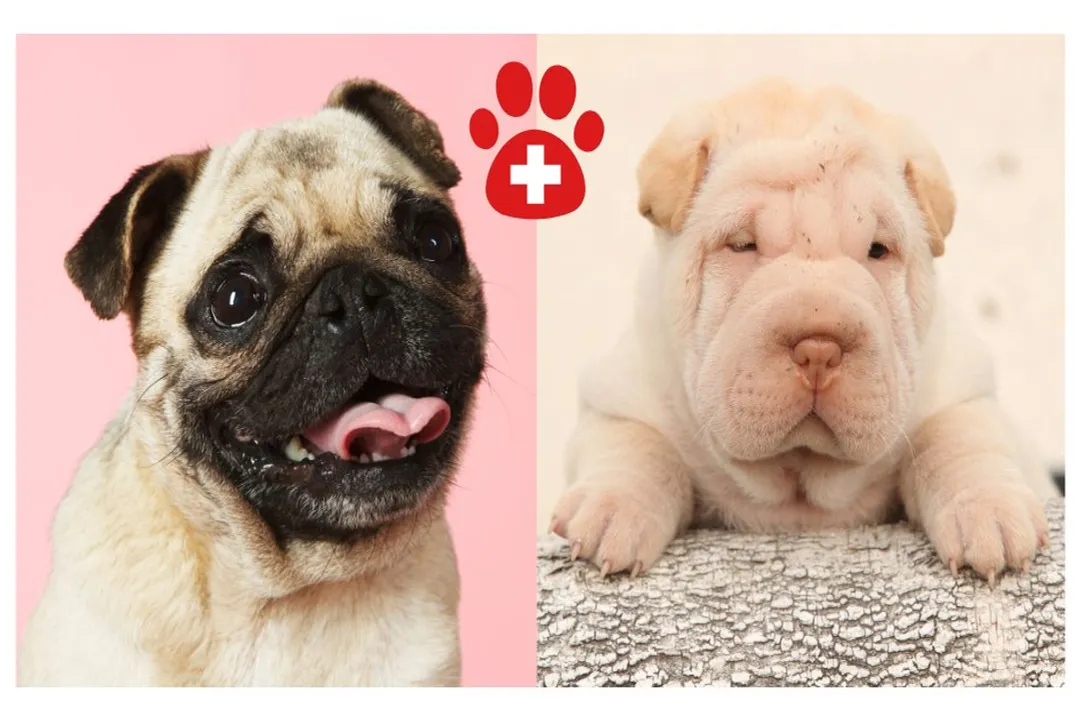
The appearance of the Ori Pei is often what first captures attention. They are generally classified as small to medium-sized dogs, standing approximately 12 to 15 inches tall at the shoulder. Their weight typically ranges between 15 and 30 pounds. The breed exhibits the signature wrinkling inherited from the Shar-Pei side, which contributes significantly to their unique look. The coat is generally short, soft, and requires minimal fuss, though some sources suggest coat variations can exist, including a long/soft "Brush" type and a short/harsh "Horse" type. Colors are varied, encompassing black, brown, gray, white, fawn, and tan, often appearing in solid shades or multi-colored patterns.
One distinct physical feature that owners should pay attention to is the muzzle. As a brachycephalic (short-nosed) breed, they may grunt or make audible breathing noises, inheriting this trait from the Pug side. While the Shar-Pei tail curls, the tail on an Ori Pei might corkscrew more tightly, reminiscent of the Pug's thick, tightly curled appendage. Furthermore, an individual Ori Pei’s facial structure can lean more toward the flatter Pug face or the more bulbous Shar-Pei nose.
If we were to place the physical characteristics into a comparative table, we see a distinct moderate profile:
| Characteristic | Ori Pei Range | Parental Influence |
|---|---|---|
| Height | 12–15 inches | Shorter than Shar-Pei, taller than Pug |
| Weight | 15–30 pounds | Medium range |
| Coat | Short, soft (sometimes two types) | Moderate shedding |
| Muzzle | Short (Brachycephalic) | Pug influence noticeable |
| Skin | Wrinkled folds | Shar-Pei influence |
# Temperament Profile
Temperamentally, the Ori Pei is often described as a blend of loyalty, goofiness, and alertness. They form deep bonds with their families, thriving on companionship and often desiring to be right in the center of household activity. Their intelligence is often noted, meaning they are generally responsive to training, though this is balanced by an independent, sometimes stubborn streak inherited from both parent breeds. This independence means that while they aim to please, they may require patience and creative direction from their trainers.
Ori Peis tend to be friendly and playful with those they trust, making them entertaining companions. They often display a comical nature, enjoying the role of family clown and loving attention, sometimes making funny faces or appearing to question human directives. While they generally get along with children, supervision is advised, and teaching children appropriate handling is crucial. They are known to be good watchdogs, thanks to that inherent Shar-Pei protective instinct, alerting the household with a bark to strangers or unusual sounds at the door. However, proper socialization is key to ensuring this alertness doesn't develop into suspicion or aggression toward unfamiliar faces. If early exposure to various people and situations is managed well, they can be quite social.
It is important to recognize that while they enjoy play, their energy level is often described as moderate, and they can also embrace a relaxed, "couch potato" lifestyle indoors. One area where they often benefit from their Pug lineage is having a lower prey drive compared to the Shar-Pei, though they may still enjoy chasing smaller pets like cats unless well-socialized.
# Daily Needs
Caring for an Ori Pei involves managing their unique physical structure and their moderate energy requirements. Because they are prone to weight gain, much like the Pug, owners must be diligent about monitoring food and treat intake to maintain a healthy weight. Nutritionally, they can thrive on any high-quality, balanced dry kibble or canned food, though owners should ensure the kibble size is manageable for their mouths if they have significant brachycephalic features.
Exercise needs are moderate, generally requiring daily activity to keep them fit and their joints healthy. A daily walk or time spent in a yard suffices. However, a critical consideration is their heat sensitivity. Due to their short noses, Ori Peis can quickly overheat and suffer respiratory distress in hot weather. Owners must plan exercise around cooler times of the day, such as early morning or late evening, and keep activity short, avoiding long-distance running. For apartment dwellers, this makes the breed generally suitable, provided the owner is committed to structured indoor play and regular short outings.
Grooming is relatively low-maintenance in terms of the coat itself, as their short hair sheds moderately and doesn't tangle easily. The real work lies in the wrinkles. Owners must routinely inspect, gently clean, and thoroughly dry the skin folds, especially around the face, as trapped moisture and dirt are prime breeding grounds for bacterial or yeast skin infections, a common concern inherited from the Shar-Pei side. Routine care like nail trims and dental brushing remain necessary components of their upkeep.
One crucial aspect of integrating an Ori Pei into the home environment relates to their need for connection. This breed craves human companionship and generally does not cope well when left alone for extended periods, which can lead to distress or separation anxiety. This suggests that for families with busy, away-from-home schedules, preemptive investment in interactive puzzle feeders or hiring a midday dog walker isn't a luxury but a necessity to prevent boredom-induced anxiety behaviors.

# Health Risks
While Aaron Silver hoped to breed out the Shar-Pei’s health weaknesses, the Ori Pei remains susceptible to inheriting significant conditions from both parent lines. This means prospective owners must be aware of a combined genetic liability pool. The main areas of concern are the skin, eyes, and joints, compounded by respiratory risks.
A significant concern is brachycephalic airway syndrome. The short muzzle limits airflow, causing breathing difficulties, snorting, and making them highly susceptible to overheating. Alongside this, eye problems common to both breeds can manifest, including dry eye, glaucoma, and entropion (where the eyelid rolls inward). Joint mobility is also a risk, with conditions like hip and elbow dysplasia, as well as luxating patellas, being possibilities.
Furthermore, the Shar-Pei's genetic markers can lead to serious systemic issues:
- Shar-Pei Fever: Also known as Shar-Pei autoinflammatory disease, this can cause periodic fevers and joint swelling, potentially leading to kidney disease over time.
- Skin Issues: Beyond simple infections in the folds, allergies and demodectic mange are concerns.
Other conditions reported include epilepsy, nerve degeneration, and general allergies. The lifespan is generally estimated to be 12 to 15 years. To maximize this time, securing a puppy from a reputable breeder who provides parental health history is the best preventative measure an owner can take, although even then, conditions are not guaranteed to be avoided.
For new owners, understanding the genetic gamble is essential. Because the Ori Pei inherits a high propensity for both skin folding issues (from the Shar-Pei) and breathing/eye issues (from the Pug), your annual wellness calendar should prioritize twice-yearly skin fold checks and baseline respiratory assessments alongside standard vaccines, rather than waiting for symptoms to appear. This proactive approach honors the initial intent of the breed's creation by actively managing the inherited risks.
Related Questions
#Citations
Ori Pei Dog Breed Information and Pictures
Ori Pei - Petland Lee's Summit, MO
Meet The Ori Pei—A Wrinkly Mix of Pug and Shar Pei - Rocky Kanaka
Ori-Pei Dog Breed Complete Guide - A-Z Animals
Ori Pei Puppies - Wags About You
Ori-Pei puppies beating the odds - Best Friends Animal Society
Ori Pei (Chinese Shar-Pei Pug Mix): Info, Pictures, Care & More
Ori-Pei Dog Breed Health, Temperament, Feeding ... - PetGuide
Ori Pei - Molosser Dogs