What are the downsides of a Yorkipoo?
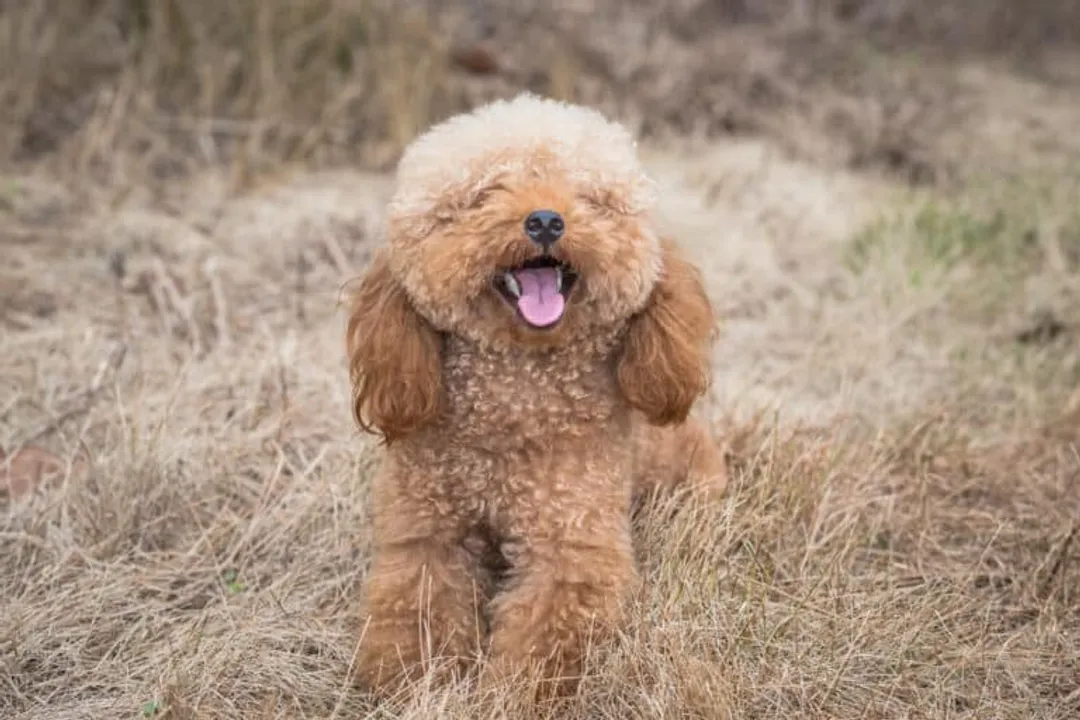
The adorable teddy bear look of the Yorkipoo often overshadows the distinct responsibilities and potential drawbacks of owning one of these Poodle and Yorkshire Terrier mixes. While they are prized for being affectionate and small, the combination of terrier alertness and poodle intelligence presents a specific set of challenges prospective owners must be fully prepared for.
# Coat Maintenance
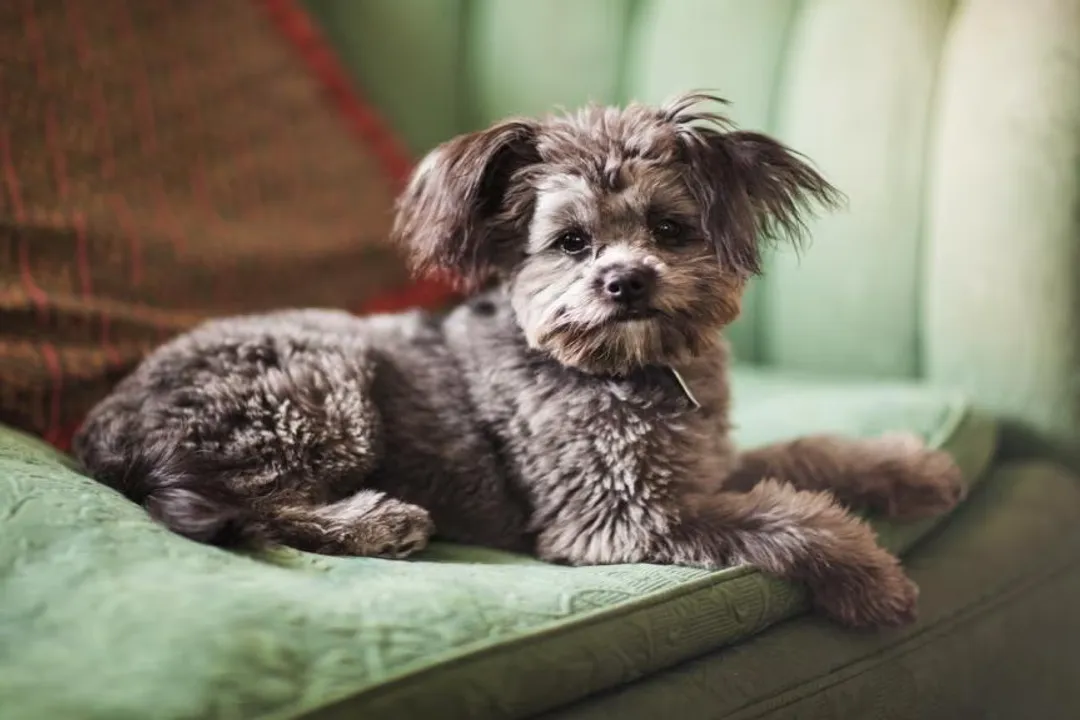
Perhaps the most consistent downside reported by owners is the sheer commitment required for coat upkeep. Because the Yorkipoo inherits coat characteristics from both parents, which require intensive grooming, owners must plan for daily maintenance. This is not a breed that tolerates a quick weekly brush. Without routine brushing, the soft, wavy, or curly hair mats easily, which can rapidly progress to a dangerous state, causing significant skin issues and discomfort for the dog.
Beyond the daily brushing regimen, professional grooming is a regular financial and time commitment. Owners should anticipate needing professional trimming or shaving every four to eight weeks. If you are not prepared to budget for these routine grooming appointments or dedicate significant time to maintaining the coat at home, the dog's comfort will suffer quickly.
# Temperament Hurdles
While celebrated for their big personalities, that spirited nature translates into several potential behavioral challenges, especially for inexperienced owners.
# Loud Alerts
Yorkipoos can be quite vocal. They are often described as highly alert and quick to react to external stimuli, whether it is a strange noise, a visitor, or another dog passing by. This tendency towards alarm barking means that apartment dwellers or those who value a quiet home environment might find them difficult. While consistent training can address this, sources note that controlling a Yorkipoo’s vocalizations might be "slightly more complicated" than with other breeds, demanding extraordinary consistency from the owner.
# Clinginess Risks
These little dogs form intense, deep bonds with their primary humans, which is often seen as a positive. The flip side of this intense affection is a high propensity for separation anxiety. If left alone for extended periods, this anxiety can manifest in destructive behaviors like chewing on furniture or increased frantic vocalization upon the owner's return. Furthermore, some owners report their dog is "nonstop demanding," requiring constant attention and becoming vocal if the owner attempts to focus on other activities, such as working or using a mobile device.
# Vulnerable Systems
As a designer crossbreed, the Yorkipoo benefits from hybrid vigor in some ways, but they still inherit a collection of health vulnerabilities common to both the Yorkshire Terrier and the Poodle. Being proactive about these specific concerns is key to managing their 10 to 15-year lifespan.
# Dental Disease
A significant concern stemming from their small stature is the high risk for dental disease. Small breed dogs often have crowded mouths, which leads to quicker plaque buildup, tartar, and eventually gum disease. Untreated periodontal disease is not just about bad breath; the bacteria can spread, potentially impacting the heart and kidneys. This means that beyond just budgeting for annual professional cleanings, you must integrate a regular, at-home brushing routine, which is another non-negotiable part of ownership for this mix. If you are budgeting for this dog’s first year, factor in at least two professional dental exams and one cleaning, which, depending on your location, can easily cost several hundred dollars annually, even before factoring in daily care supplies like specialized toothpaste and brushes.
# Joint Spine Issues
Small dogs, in general, are prone to orthopedic issues, and the Yorkipoo is no exception. Luxating patella—where the kneecap slips out of its groove—is a common inheritance. This can result in sporadic limping or the characteristic "bunny-hopping" gait when running. Owners must be careful to prevent high-impact activities, such as jumping on and off tall furniture, to protect their delicate joints. Even more specific to the Yorkie side, they may suffer from tracheal collapse, where the windpipe weakens and narrows. Owners of susceptible dogs are strongly advised to use a harness instead of a collar to avoid placing any unnecessary pressure on the neck area during walks. Other noted issues include Legg-Calvé-Perthes disease affecting the hip joint in young dogs, and eye issues like PRA.
# Hybrid Variance
One factor that can present as a downside is the inherent unpredictability of a designer crossbreed. Since the Yorkipoo is unregulated, there are no breed standards, meaning the resulting adult dog—in terms of coat texture, snout length, body build, and exact temperament—can look and act significantly differently from one dog to the next. You might end up with a dog leaning heavily toward the aloofness of a Yorkie or the extreme neediness of a Poodle. This lack of consistency requires owners to be flexible and prepared for a wider range of potential personality traits than they might encounter with a purebred dog that adheres to defined standards.

# Training Demands
Although the Yorkipoo is intelligent, they are not always described as inherently eager to please and can be stubborn. While some owners report exceptional ease with potty training due to their intelligence, others acknowledge that training demands significant diligence. When they become bored, they can turn mischievous, engaging in activities like stealing socks or exhibiting bossiness.
Because of the terrier drive, they can also display territorial behavior, potentially showing aggression toward other pets or people near their valued possessions like food or toys. To successfully manage these tendencies—the stubbornness, the territoriality, and the potential for reactivity—owners must commit to a training philosophy that is both firm and kind. A highly effective approach is to pair obedience training with intensive, early socialization, ensuring every new person, sound, and environment encountered is framed as a positive, non-threatening experience right from puppyhood. This preemptive social investment helps temper the terrier's alert nature before it escalates into full-blown reactivity or protectiveness. This foundational work is vital for shaping a well-adjusted companion rather than a dog governed by its strong, sometimes bossy, instincts.
Related Questions
#Citations
What are the 5 best/worst things about Yorkipoos? : r/yorkiepoos
Pros & Cons of Life with a Yorkipoo: Could This Be the Breed for You?
Yorkiepoo Dog Breed Health and Care - PetMD
Health Concerns for Cockapoo Puppies, Yorkie Poo, and Mini ...
The Vet's Guide to Yorkipoo Dogs: Facts, Care, and Training Tips
About Yorkie Poo Dogs | Shedding, Health, Training - Embark Vet