What do carp love the most?

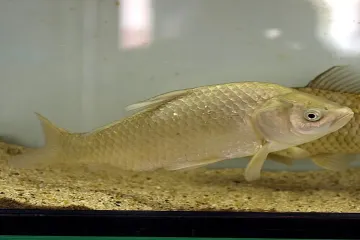
The common carp is often characterized by its diet, but understanding what it loves most requires looking past simple hunger to the chemical signals and textures that truly draw it in. Fundamentally, carp are omnivorous scavengers and bottom feeders. [6] Their feeding mechanism involves using their protrusible mouths to create suction, vacuuming up detritus, small organisms, and submerged vegetation from the lake or river bed. [6] They are not picky eaters in the wild, readily consuming insect larvae, various worms, small crustaceans, mollusks, seeds, and aquatic plants. [6] However, when anglers present a targeted offering, the fish's preferences become much more specific, gravitating toward high-energy, easily digestible, and intensely scented items.
# Feeding Nature

In their natural environment, carp spend much of their time grubbing around the bottom substrate. [6] This foraging behavior means they are constantly sampling what is available in the silt and mud. In managed waters, like pay lakes, this diet shifts slightly to include processed foods they encounter, such as fish food pellets. [6] This adaptability is key; they are opportunistic feeders, which makes them both challenging and rewarding to target.
A key observation for anyone trying to decipher carp preference is the sheer variety they can tolerate. [6] If a carp is actively feeding in a location, it is likely because the local ecosystem is providing a steady supply of small protein sources like aquatic invertebrates or readily available plant matter. [6] When you attempt to catch them, you are essentially trying to offer something better or easier than what the natural environment provides at that moment.
# Sweet Attractors
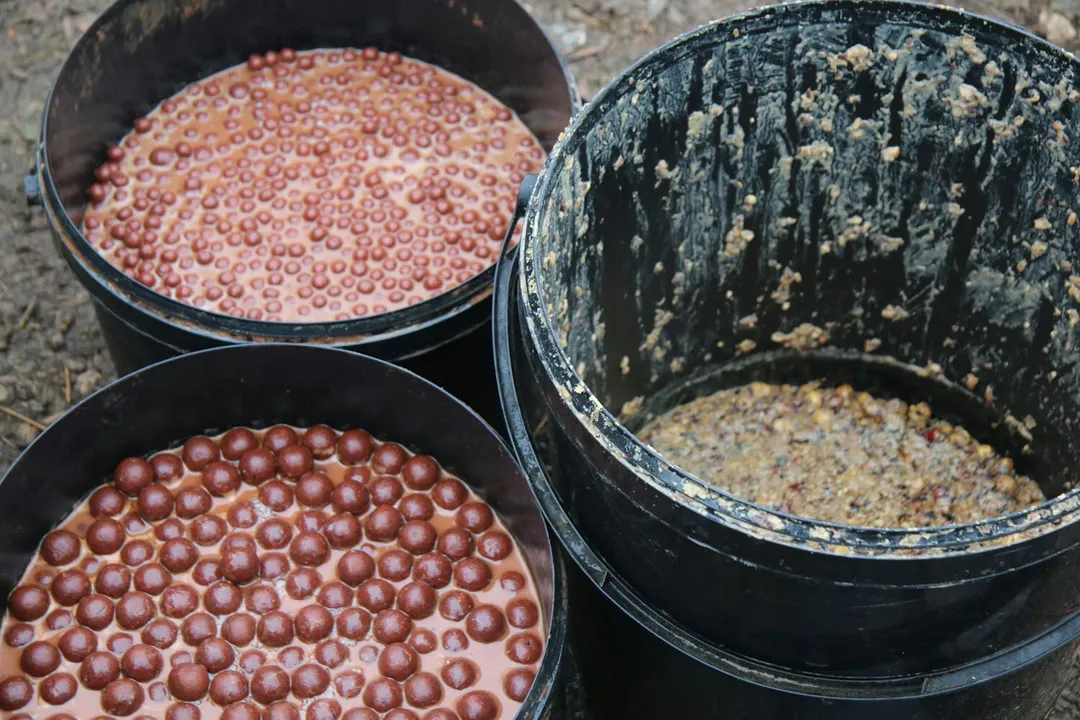
One theme that consistently emerges when discussing what makes a carp tick, especially concerning baits designed to bring them in from a distance, is the power of sweetness. [3] This isn't just a slight sweetness; it’s often an intense, artificial flavor profile that mimics or exaggerates natural sugars. Specific fruit flavors are highly prized, with some anglers noting success using strawberry, pineapple, and tutti-frutti profiles. [3] The science behind this suggests that carp are highly attuned to certain chemical signatures, such as esters, which often carry these sweet, fruity notes. [4]
The practice of pre-baiting or using loose feed relies heavily on these attractive signals. By scattering palatable items laced with intense attractors, an angler encourages the carp to feed confidently in a specific area. [1] While natural food sources release scents slowly as they decompose, a well-crafted sweet bait offers an immediate, high-impact scent trail in the water column. [4] Think of it this way: natural food is the steady, reliable meal, but the sweet bait is the highly advertised special offer that draws the crowd in quickly. Understanding this difference—the natural slow release versus the angler's concentrated burst—is vital for timing a session effectively.
# Staple Baits
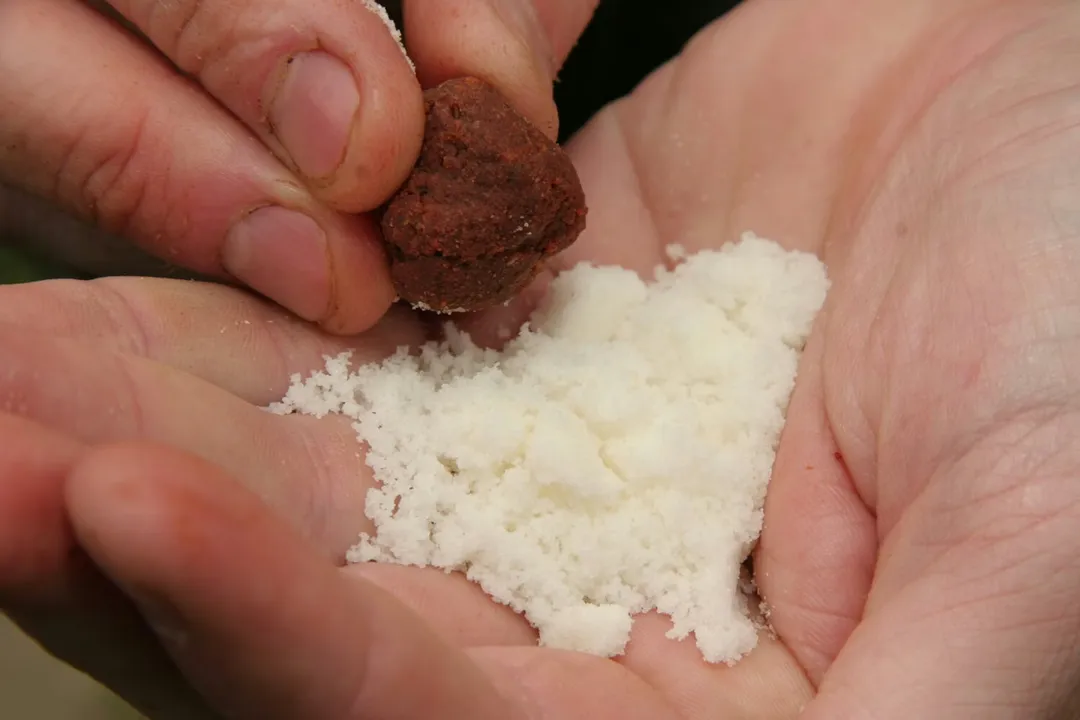
Beyond the flashy flavors, carp rely on a foundation of tried-and-true food items that mimic their natural forage or provide dense nutrition. [1][4] For the casual angler, readily available items like corn, bread, and live baits such as maggots or worms remain effective tools for drawing attention. [1] Corn, in particular, is incredibly popular, likely due to its combination of texture, easy digestibility, and high carbohydrate content, often used both as feed and as the hookbait itself. [3]
However, the modern carp angler often centers their efforts around boilies. [4] These are hard, cooked baits made from a base mix of ingredients like fishmeals, milk proteins, sugars, and binders. [4] Their popularity stems from their durability—they stay on the hook longer than softer baits—and the ability to infuse them with powerful attractants that slowly leak out. [4] While an angler might toss out a bucket of sweet particles (corn, hemp), the hookbait is often a hardened, chemically active boilie designed for extended attraction. [1]
# Specialized Flavors
When discussing what carp love the most, we move into the realm of proprietary or highly specialized attractors used by dedicated anglers. In certain contexts, like heavily fished commercial or pay lakes, certain flavors seem to dominate the catch rates. [3] Lists of favored lake flavors frequently include vanilla, aniseed, and specific milk proteins alongside the fruit esters. [3] These ingredients often trigger an aggressive feeding response because they signal high caloric return or are rare enough in the wild to warrant special attention. [4]
For instance, a successful bait mix might incorporate a high concentration of a proven ingredient like Scopex or a robust sweetener. [3] Expertise in this area involves not just knowing what works, but how much to use. Overloading a water with too much scent can sometimes backfire, causing wary fish to avoid the area altogether. This suggests that the 'love' carp have for an attractor is also context-dependent, much like humans preferring a strong coffee in the morning but perhaps not enjoying it constantly throughout the day. If the water is cold, scent disbursement slows down, meaning a heavier dose of the favorite flavor might be necessary to trigger a response, whereas in warmer water, a lighter application might be more effective. This temperature consideration is an essential, often overlooked, practical application of bait science. [4]

# Creating Consistency
Regardless of whether the bait is a simple piece of bread or a high-end artificial boilie, the underlying element that carp seem to "love" is consistency and predictability in their feeding area. [1] Carp are creatures of habit. If they have successfully fed on a particular type of particle or flavor in a spot before, they are psychologically primed to return there. [6]
This principle explains why using loose feed—like mixing sweet pellets, crushed boilies, and particles together—is so effective. [1] It creates a "carpet" of food that convinces the fish that the entire zone is safe and rewarding. The hookbait, therefore, becomes just one component of a larger, highly attractive feeding zone they have already accepted. A very common tactic observed in carp angling involves matching the hookbait exactly to the loose feed being deployed, ensuring that when the fish sucks in a particle, the hookbait presents the same textural and chemical profile, increasing the chance of a positive hook-up. [4] This commitment to uniformity minimizes the risk of the fish detecting an anomaly just before ingestion.
#Videos
20 Carp Baits + Where and How to Use Them - YouTube
How to Catch Carp - Carp Bait recipes and Tricks. - YouTube
Related Questions
#Citations
What do I use to catch carp, lure wise : r/Fishing - Reddit
20 Carp Baits + Where and How to Use Them - YouTube
Krit's Top Ten Pay Lake Flavors for Carp Fishing - BaitMix
The attractors that carp simply can't resist | Mark Holmes
Any tips on what bait to use to catch carp? - Facebook
What Do Carp Eat? | Field & Stream
What are the top secret carp fishing baits? - Quora
So what do carp really eat ? | Maggotdrowners Forums