How big will a Maltipom get?
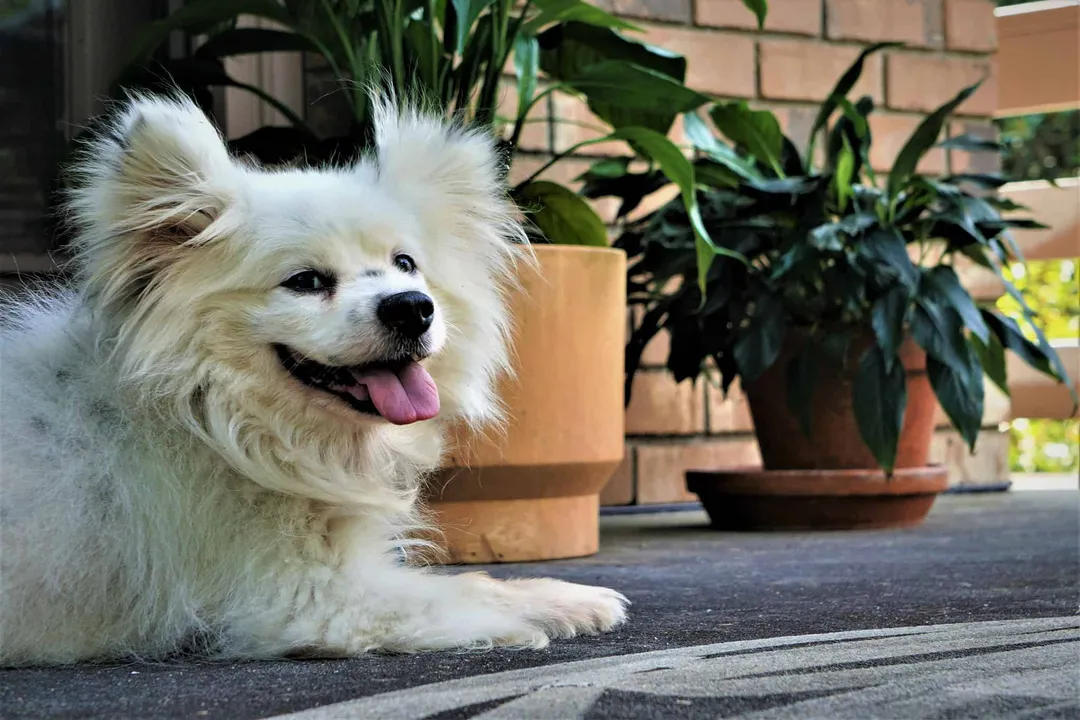
The excitement surrounding a Maltipom puppy often centers on just how small and charming they will be when fully grown. Since the Maltipom is a crossbreed, resulting from mixing a Maltese and a Pomeranian, their final size is not as rigidly defined as a purebred dog's, leading many prospective owners to ask about their mature dimensions. Generally speaking, the Maltipom falls squarely into the toy dog category. [1][6][7]
# Size Estimates

The consensus across breeder and general breed information sites places the Maltipom in a relatively compact weight range. Most sources indicate that an adult Maltipom will weigh between 5 to 15 pounds. [1][3][5][6][7] Some sources suggest a slightly narrower spectrum, such as between 7 and 10 pounds, [2] while others emphasize that the range can extend up to 15 pounds, especially if the Pomeranian parent was on the larger end of its spectrum. [8]
When considering height, these adorable companions typically stand between 7 to 12 inches tall at the shoulder. [1][3][5][7] Again, there is some slight variation depending on the specific lineage, but rarely will a standard Maltipom exceed 12 inches. [6] For comparison, the parent breeds have distinct sizes: the Maltese generally weighs under 7 pounds, and the Pomeranian typically ranges from 3 to 7 pounds. [9] The Maltipom tends to inherit a size that blends these two, often landing somewhere in the middle or slightly favoring the larger end if the Pomeranian genetics are more pronounced. [2][9]
It is helpful to visualize these measurements. A 10-pound Maltipom stands roughly the height of a standard 16.9 oz water bottle placed on its side, making them perfectly suited for apartment living and easy to manage on walks. [6]
| Characteristic | Typical Range | Notes |
|---|---|---|
| Weight | 5 – 15 pounds | Variability depends heavily on parent genetics. [1][7] |
| Height | 7 – 12 inches | Measured at the shoulder. [3][5] |
| Classification | Toy Breed | Ideal for smaller living spaces. [6] |
# Growth Variables
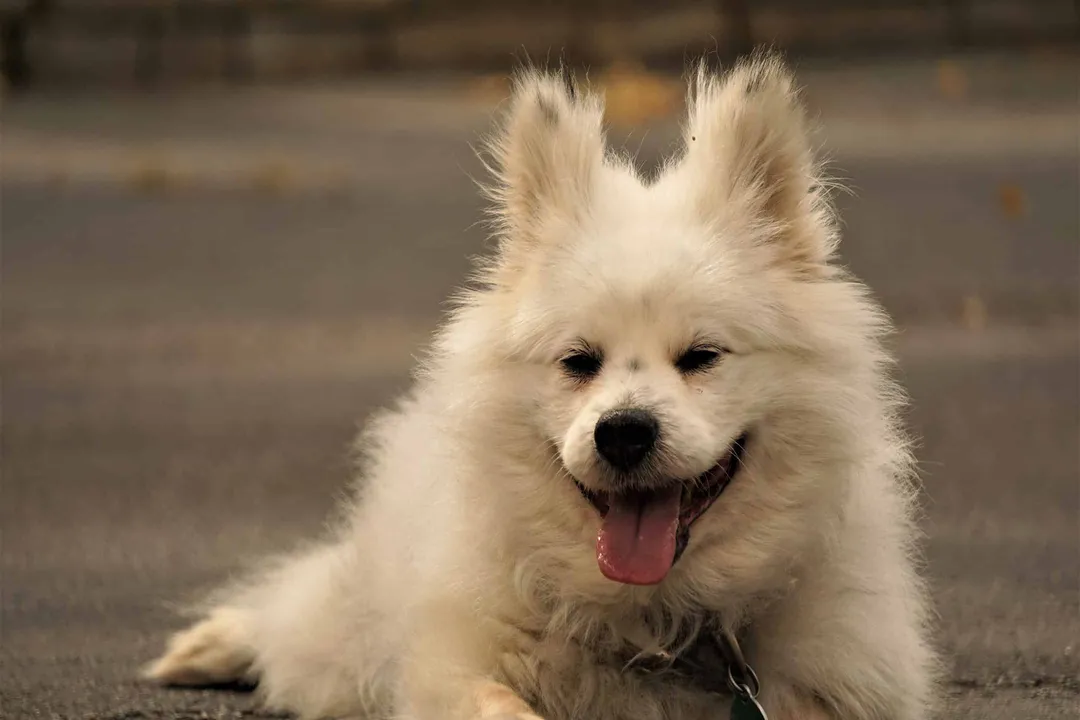
The primary factor dictating whether your Maltipom puppy lands closer to the 5-pound mark or approaches the 15-pound ceiling is genetics. Since the Maltipom is a first-generation cross, the genetic lottery plays a significant role in which parent breed's traits are more dominant. [9]
If the puppy strongly expresses traits from the Maltese side, it is more likely to be smaller, possibly staying under 10 pounds, and may exhibit the characteristic long, silky white coat. [1] Conversely, if the Pomeranian influence is stronger, the dog might be slightly stockier, potentially reaching that upper 15-pound limit, and may have a fluffier, denser coat. [3] Predicting which parent’s characteristics will dominate is one of the inherent uncertainties when choosing a mixed breed puppy. [9]
Nutrition is the second, and perhaps more manageable, variable. Proper feeding during puppyhood is essential to ensure the dog reaches its potential adult size without becoming overweight prematurely. [9] Overfeeding a growing puppy, especially one prone to becoming a 10 to 12-pound dog, can lead to unnecessary strain on developing joints and skeletal structures. Conversely, being severely underweight or malnourished will stunt their growth, meaning they might end up smaller than their genetic blueprint intended. Monitoring food intake according to the guidelines provided by high-quality puppy foods formulated for small breeds is key to healthy development. [2]
Sometimes, breeders may work with second-generation crosses (Maltipom bred to Maltipom, or Maltipom bred back to one of the parent breeds). A Maltipom bred back to a Maltese may result in smaller puppies overall, while breeding back to a Pomeranian might push the average weight slightly higher than a typical F1 (first generation) cross. [9]
# Maturity Timeline

Understanding when your puppy stops growing is as important as knowing how big they will get. Toy breeds generally mature much faster than larger dogs, reaching their full height and most of their adult weight within their first year. [3]
A Maltipom puppy will typically reach their full height by about 9 to 10 months of age. [3] However, they may continue to fill out, adding muscle mass and final pounds of weight, until they reach 12 to 14 months old. Some very small toy breeds can even take up to 16 months to fully settle into their final adult size. [3]
If you bring home an 8-week-old puppy that weighs 3 pounds, you can expect a steady, but slowing, growth rate over the next several months. [1] A common, though unofficial, method some breeders use to estimate final adult weight involves looking at the puppy’s size around 12 to 16 weeks. A rough estimation suggests that a puppy at 16 weeks might be close to two-thirds of its eventual adult weight, but this is an observation based on the current rate of development, not a strict scientific measure for designer mixes. [1] Therefore, owners should focus more on maintaining a lean body condition at the one-year mark rather than fixating on the exact weight reading at 10 months.
# Predicting Outcomes
While exact measurements are difficult without knowing the specific parent dogs, there are a few practical observations owners often make about predicting their Maltipom's mature size. One useful, albeit non-scientific, approach involves looking at the development of the puppy's frame, particularly the paws, around the 4-month mark. If the paws look disproportionately large compared to the rest of the body mass at that stage, it can sometimes indicate that there is more growing to be done, pushing them toward the higher end of the weight spectrum. [7] Conversely, if the puppy already appears quite sturdy and well-proportioned by 4 months, they might settle closer to the middle of the toy range, perhaps around 8 to 10 pounds.
Another helpful aspect of managing size expectation is understanding the activity level required for their frame. A 7-pound adult requires significantly less rigorous exercise than a 15-pound adult, even though both are small dogs. [6] If an owner lives in a very small space or has limited mobility, knowing whether they are likely caring for a 6-pound lap warmer or a 14-pound sturdy companion helps plan their daily routine accordingly. It's not just about weight; it’s about the dog’s overall presence and energy expenditure needs. [2]

# Health Notes
The small stature of the Maltipom brings certain size-specific health considerations that owners should be aware of as the dog grows. Because they are toy dogs, hypoglycemia, or low blood sugar, can be a risk, particularly when they are very young puppies or if they skip meals. [1] Keeping them on a consistent feeding schedule is important throughout their lives.
Additionally, as with many small breeds, potential orthopedic issues like patellar luxation (where the kneecap slips out of place) are something to watch for as they mature. While genetics are key, maintaining a healthy, lean weight, as discussed previously, prevents excess stress on those tiny joints. [1][5] Monitoring their gait and reporting any signs of limping or "skipping" steps to the veterinarian is essential, regardless of whether your specific dog ends up being a petite 6-pounder or a slightly larger 14-pound companion.
The final size of your Maltipom is a blend of inherited traits from the Maltese and the Pomeranian, influenced by diet during puppyhood. While you may not get an exact measurement in advance, knowing the expected window of 5 to 15 pounds and recognizing that they will mostly finish growing before their first birthday gives you a solid basis for preparation. [3][7]
Related Questions
#Citations
A Complete Guide To The Maltipom Breed
Maltipom | Temperament, Lifespan & History
Maltipom Designer Breed | Full Description
Maltipom growth rate and adult size
Maltipom Puppies
Maltipom Dog Breed Complete Guide
Maltipom: Characteristics & Care
Maltipom Puppies for sale
A Maltipom Is Exactly What It Sounds Like (and We Love It)