How big do giant clams actually get?
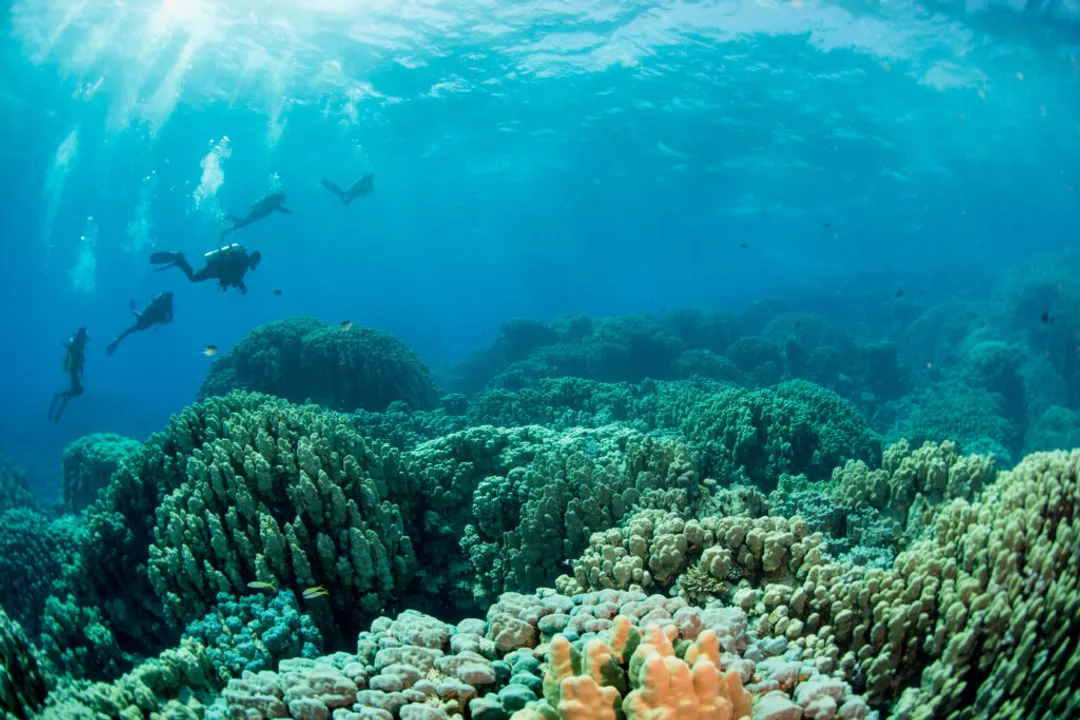
The sheer magnitude of the giant clam, Tridacna gigas, often defies imagination until one sees the statistics or witnesses one in person. These mollusks are famous not just for their striking, colorful mantles, but primarily for their incredible shell size, earning them the title of the largest bivalve mollusks on Earth. [1][7] While the name suggests large size, understanding the actual physical dimensions requires looking past simple categorization and focusing on the specific records held by this species in the tropical waters of the Indo-Pacific. [1]
# True Giants
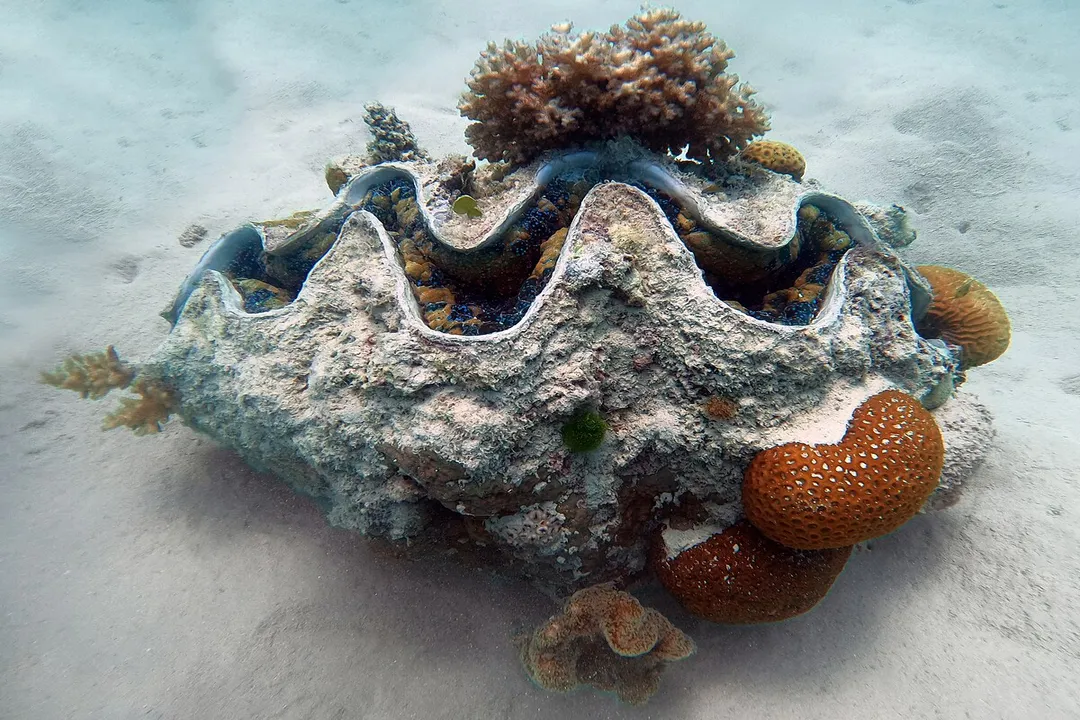
The title of "giant clam" most accurately belongs to Tridacna gigas. [1] This species is distinct from its relatives, such as the smaller fluted giant clam (T. squamosa) or the smaller smooth giant clam (T. maxima). [1] When people discuss clams that dwarf a human head, they are almost certainly referring to T. gigas. [1] These magnificent creatures are sessile, meaning they generally stay fixed in one place as adults, attaching themselves to the substrate of coral reefs. [4][7]
# Maximum Dimensions

Quantifying the maximum size of these mollusks reveals astonishing figures. The shell length of a Tridacna gigas can surpass 4 feet, or approximately 1.2 meters. [1][7] Some historical accounts, though perhaps less common today due to fishing pressure, suggest they could reach even greater lengths, potentially exceeding 6 feet. [1] Imagine a shell longer than many standard interior doors are tall—that is the potential scale we are discussing. [1]
The weight accompanying such a large shell and the massive soft tissues inside is equally impressive. A mature giant clam can weigh more than 500 pounds, or 227 kilograms. [1][7] While another source notes weights up to 440 pounds (200 kg), [9] both figures place them firmly in the category of heavyweights for the ocean floor. [1][9] This substantial mass requires an immense foundation; the shell itself is thick and heavy, providing the necessary support for an animal that lives its entire adult life anchored in one spot. [1]

# Incredible Longevity
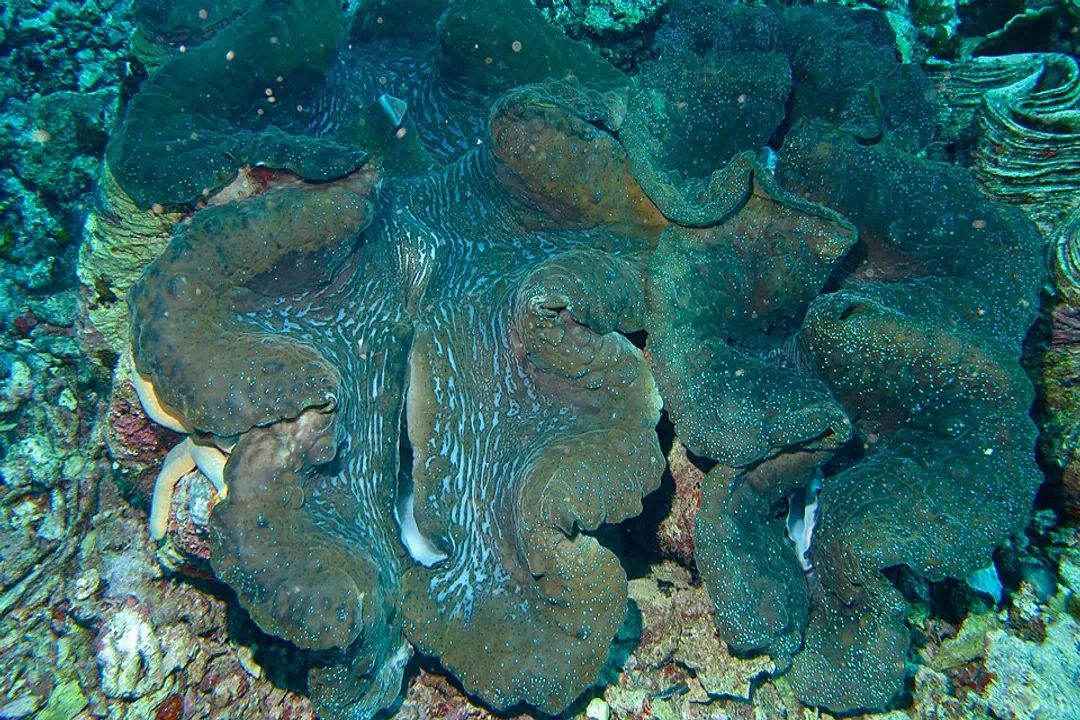
Size often correlates with age in the animal kingdom, and giant clams are no exception. They possess an extraordinary lifespan, commonly living for over a century. [1] Reports exist noting giant clams that have reached or surpassed 100 years of age. [5] This longevity means that the largest specimens encountered by divers or researchers are likely the result of many decades of continuous growth and filter-feeding within their reef ecosystem. [1]
Considering this time scale, if a clam grows to 1.2 meters in length over 100 years, its average growth rate might be around 1.2 centimeters per year. However, this is a simplification, as early growth is often faster, and growth slows considerably in older, larger individuals reaching maturity. [1] A creature living for a century is a slow-moving, stable fixture on the reef, accumulating considerable size while processing vast quantities of seawater.
# Mass Processing Power
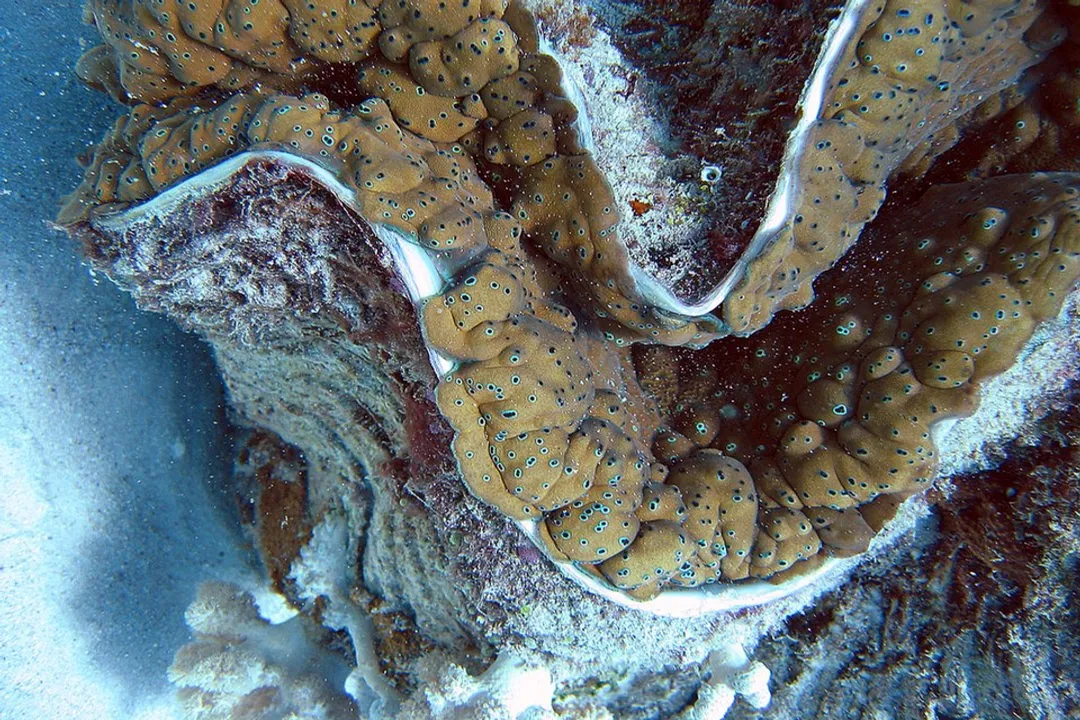
The sheer biomass represented by a clam weighing over 500 pounds is significant for a filter feeder in the reef environment. [1][7] To sustain that body mass, the clam must efficiently pump and filter seawater over its gills to extract necessary nutrients from plankton. [4] While specific flow rates vary by species and size, a creature of this magnitude processes hundreds, if not thousands, of liters of water daily. [4]
If we were to calculate the approximate volume of water a 500-pound clam filters in just one year, assuming a conservative rate of 300 liters per day—a rate common for large bivalves—that equates to over 109,500 liters annually. [1] Over a 100-year lifespan, this single, stationary animal filters over 10 million liters of ocean water, acting as a surprisingly powerful biological water purifier for its immediate surroundings. [1][5] This level of continuous ecological service is rarely attributed to such a visually placid resident of the reef.
# Species Variation
It is important to remember that while T. gigas dominates the size records, the Tridacna genus encompasses several species, all of which are often referred to as "giant clams" in common parlance. [1][2] For example, the giant clams commonly seen in home aquariums or shallower reef areas, such as T. maxima, are significantly smaller, rarely exceeding 1 foot in length. [1]
The size difference between species is notable:
| Species Name | Common Name | Approximate Max Length |
|---|---|---|
| Tridacna gigas | True Giant Clam | Over 4 feet (1.2 meters) [1][7] |
| Tridacna squamosa | Fluted Giant Clam | Significantly smaller than T. gigas [1] |
| Tridacna maxima | Small Giant Clam | Rarely exceeds 1 foot [1] |
This variation means that not every large clam encountered by divers is the record-breaking T. gigas; the environment and the shell characteristics, such as ribbing and smoothness, help distinguish them. [1]
# Symbiotic Existence
A key factor allowing these clams to reach such substantial sizes relates to their unique relationship with microscopic algae called zooxanthellae. [2][4] These algae live within the tissues of the clam’s mantle, performing photosynthesis. [4] This symbiotic relationship provides the clam with a significant portion of its required nutrition, acting as a constant, internalized food source. [2][4]
This internal food factory means the clam relies less exclusively on filter-feeding, allowing it to allocate more energy toward growth and maintenance of its massive shell structure. [2] In essence, they are giant, slow-moving herbivores that also farm their own food within the brilliant, often iridescent tissues that are exposed to the sun. [4]

# Threats to Giants
The very features that make giant clams remarkable—their size and longevity—have placed them under significant threat. [6] Because they grow so large, they were historically sought after by fisheries for their meat and their shells, which were used for various purposes, including carving into religious artifacts. [1][9]
Today, most giant clam species are protected because of population declines stemming from overharvesting and habitat loss. [2][6] In many areas, commercial harvesting is prohibited. [6] The slow reproductive rate associated with their long lifespan means that populations do not recover quickly from intense human pressure. [1] Recognizing the ecological importance of these massive filter feeders is key to their survival. [7] Protecting the reef structure itself is paramount, as these clams require stable, clear, shallow-to-moderate depth coral reef environments to thrive. [1][7] A world without the T. gigas would be a world measurably quieter and less efficient at filtering tropical seas. [2]
#Videos
GIANT CLAM: Weighs up to 500 pounds | Oceana - YouTube
Related Questions
#Citations
Giant clam - Wikipedia
True Giant Clam | NOAA Fisheries
Giant clams can grow up to 4 feet in length - Facebook
Giant clam | Animals - Monterey Bay Aquarium
100-years old giant clam : r/Damnthatsinteresting - Reddit
Giant Clam | Oceana
Giant Clam - Great Barrier Reef Foundation
GIANT CLAM: Weighs up to 500 pounds | Oceana - YouTube
The Giant Clam, Largest Shell on Earth - NAUI Worldwide