Are there anacondas in Bolivia?
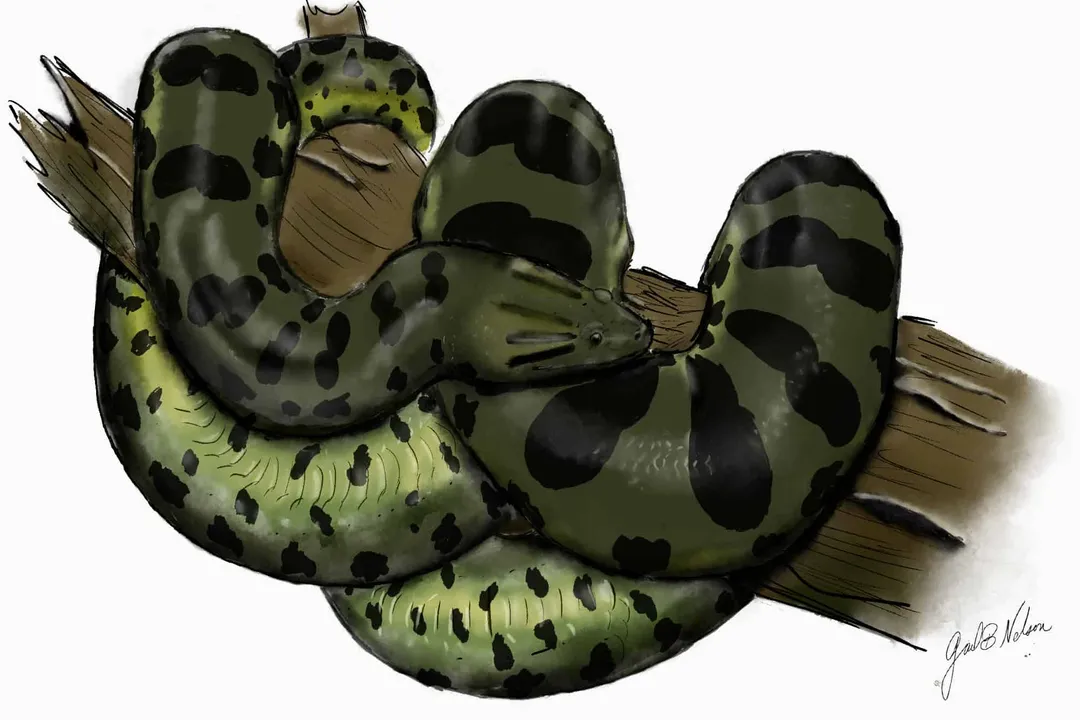
The presence of anacondas in Bolivia is definitively established, centering around a species named specifically for the nation: Eunectes beniensis. [1][3] While the name itself confirms their existence within the country's borders, the broader context involves distinguishing this specific species from its more famous, colossal relatives, like the Green Anaconda (Eunectes murinus). [1] The Bolivian Anaconda is recognized as one of the four currently recognized species of anaconda. [1] Its scientific description places it firmly within the fauna of South America. [7]
# Naming History
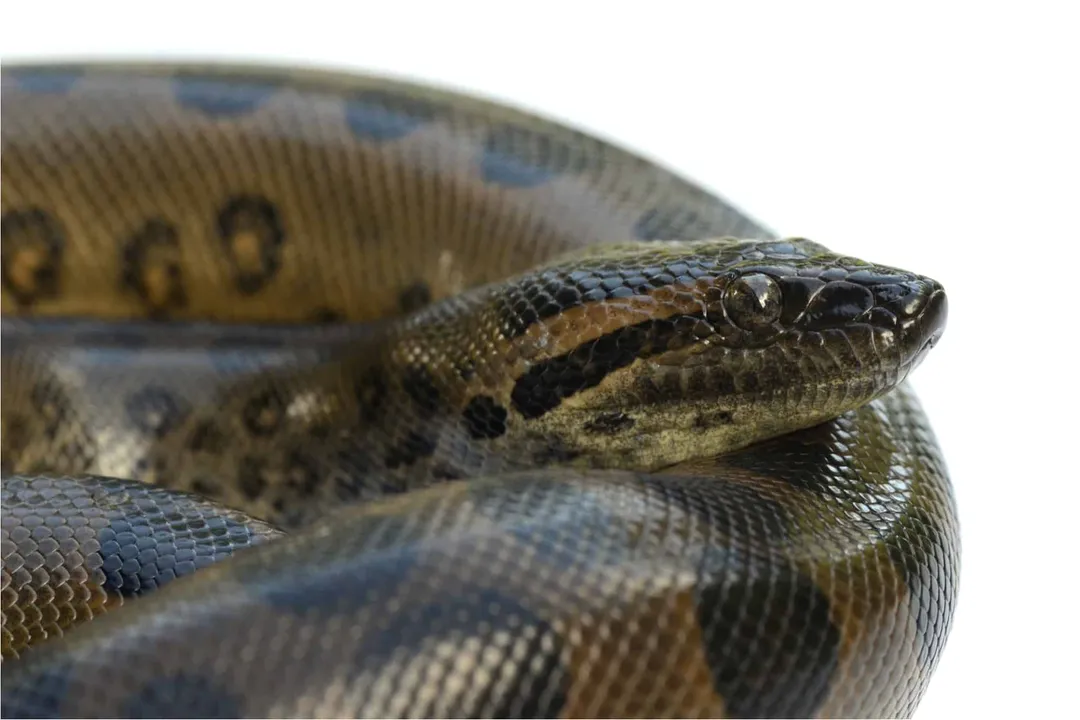
The scientific community formally described the Eunectes beniensis relatively recently, which speaks to the ongoing discovery within large, complex biomes. [1] It was named in honor of the prominent herpetologist from Beni, Bolivia, Dr. Wulf D. Eduard Benes, whose contributions helped solidify its recognition. [1][5] While some sources might informally refer to any large snake in Bolivia as a "Bolivian Anaconda," the precise scientific classification is reserved for this specific species. [3] Some online discussions also reference a 45-foot anaconda discovered on a Bolivian construction site, though the precise species identification in such viral reports often requires expert verification, especially when discussing maximum known sizes. [4]
# Species Distinction
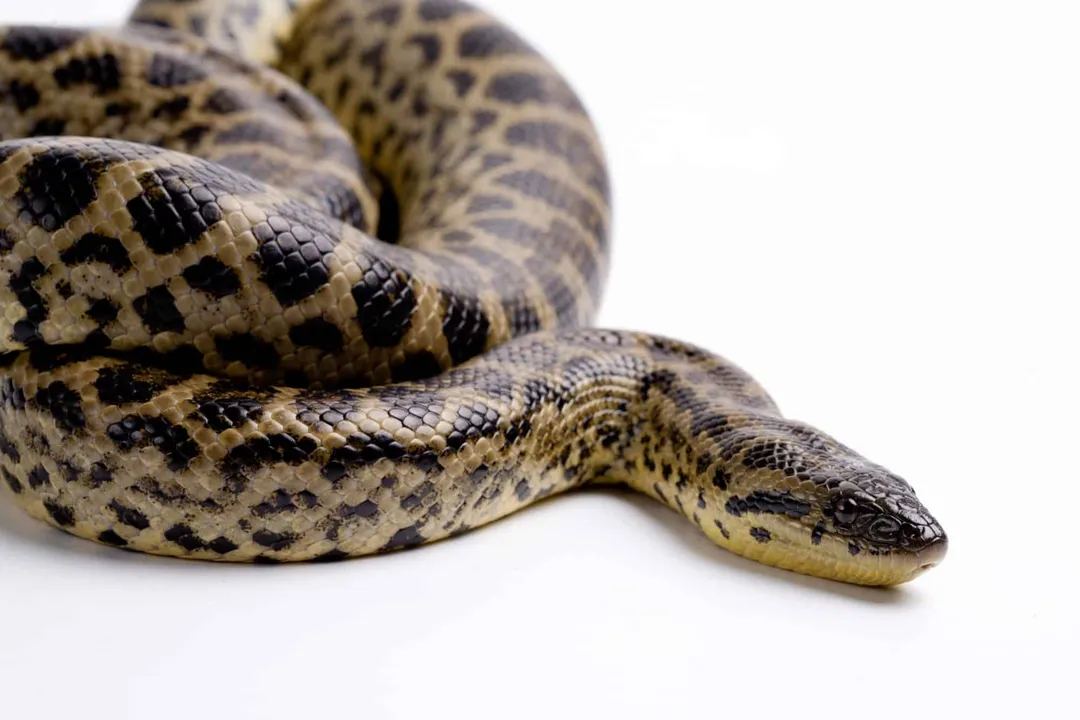
To fully appreciate the Bolivian Anaconda, one must understand its relationship to the other members of the Eunectes genus. [1] Historically, many anacondas in the region were lumped together under the Green Anaconda classification until careful study revealed distinct morphological and genetic differences warranting a separate species designation. [1] The Eunectes beniensis is generally considered one of the smaller anaconda species. [1][5]
This size difference is a critical point when assessing reports of exceptionally large snakes. For instance, while the Eunectes murinus is arguably the heaviest snake in the world and can reach lengths upward of 20 feet, the Eunectes beniensis is typically smaller in stature. [1][5]
| Species | General Size Estimate (Length) | Primary Location |
|---|---|---|
| Eunectes murinus (Green Anaconda) | Up to 20+ feet | Wider Amazon Basin |
| Eunectes beniensis (Bolivian Anaconda) | Generally smaller than E. murinus | Bolivia (Beni Department) [1][5] |
It is important to note that while E. beniensis is generally smaller, the sheer drama surrounding large snake sightings in the region means that unverified claims of massive specimens, like a supposed 45-foot individual, capture significant public attention. [4] However, established scientific literature confirms the distinct nature and comparatively smaller size profile of the E. beniensis. [1]
# Geographic Range
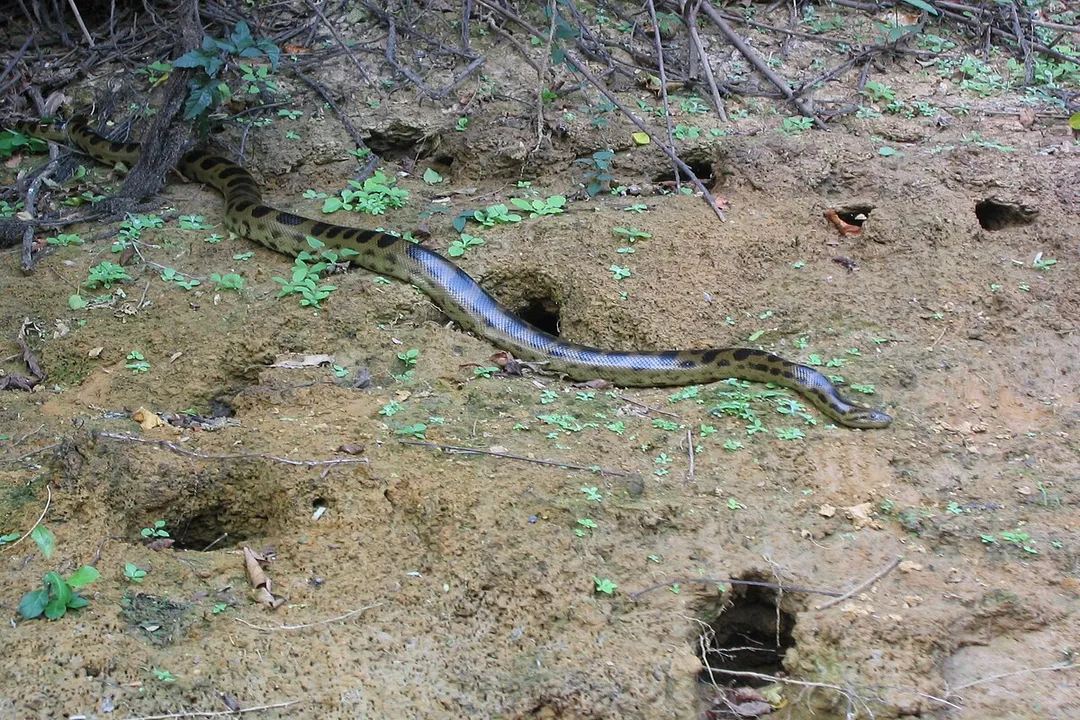
The recognized habitat for the Eunectes beniensis is primarily the Beni Department of Bolivia. [1][5] This region is characterized by extensive seasonally flooded savannas, swamps, and marshlands, which provide the ideal aquatic environment for this semi-aquatic constrictor. [1][5] This specific ecological niche likely contributed to its late formal classification, as these remote, seasonally inundated floodplains can be difficult for systematic herpetological surveying. [1] The areas where these snakes thrive are essential parts of the Bolivian watershed system.
One might encounter discussions online suggesting the migration or presence of anacondas in speculative future contexts, which underscores the animal’s symbolic presence in evolutionary thought, even if the immediate reality is tied to specific regions like the Llanos de Moxos. [6] The existence of a distinct species confined primarily to the Beni area suggests a degree of endemism, meaning it is naturally found only in that specific geographical location. [1]
# Habitat Specificity
The Bolivian Anaconda is fundamentally tied to water sources within its range. [5] Like other anacondas, it spends a significant portion of its life submerged, often lying in wait for prey. [5] The environment in the Beni region is crucial; it is a landscape defined by seasonal flooding, creating vast wetlands during the wet season and contracting into smaller pools and mud banks during the dry season. [1] This cyclical pattern dictates the life cycle and hunting strategy of the snake. [5]
The fact that this species is adapted to the specific hydrology of the Beni department suggests that threats like water diversion or prolonged, severe drought could have a disproportionate impact on E. beniensis populations compared to more widely distributed anacondas. [1] This habitat specificity demands targeted conservation efforts focused on maintaining the integrity of the Bolivian marshlands.
# Public Perception and Media
News and social media frequently highlight large snakes found in South America, sometimes leading to confusion regarding the species involved. [4] Videos and posts detailing the discovery of substantial anacondas on construction sites in Bolivia serve as powerful, albeit anecdotal, evidence of these reptiles existing in close proximity to human development. [4] Such events typically generate significant local and international buzz. [4]
For instance, reports of a particularly large specimen being discovered during construction activity often circulate widely, leading people to wonder about the size capabilities of all anacondas in the area. [4] While one specific video clip may show an impressively large snake, linking it definitively to the Eunectes beniensis without expert confirmation is speculation, though it certainly reinforces the public image of large snakes inhabiting Bolivian territory. [4][8][9] A common reference point for many people learning about the snake comes from educational or popular science content, such as videos found on platforms like YouTube. [8]
In community forums and discussions, the very existence of Eunectes beniensis is often treated as a confirmed fact, with users sharing knowledge about its taxonomy and habitat, which reinforces its status as a real, identified animal. [2] This community engagement helps disseminate specific knowledge about this species beyond strictly academic circles.
# Conservation Context
Understanding that Eunectes beniensis is a distinct species means it must be managed and conserved as a separate entity. [1] Its relatively localized distribution in the Beni Department makes it potentially more vulnerable to localized pressures than a widely distributed species like the Green Anaconda. [1]
The reality of finding these large reptiles near human activity, as suggested by construction site reports, presents a clear challenge. [4] Ensuring the long-term survival of the Bolivian Anaconda requires not just protecting its habitat from encroachment but also managing human-wildlife conflict. [5] As the scientific community continues to refine our understanding of its population dynamics, baseline data—often derived from specimens like those that are formally described—becomes invaluable for setting effective ecological management policies within Bolivia. [1] The fact that a new anaconda species was established in the 21st century indicates that even in well-traveled parts of the world, there remain significant gaps in our biological inventory, especially concerning large, secretive, aquatic animals. [1] This should prompt ongoing support for regional biological surveys in the remaining pristine wetland areas of the country.
#Videos
The Legendary Anaconda: Bolivia's Giant Serpent of the ... - YouTube
Related Questions
#Citations
Eunectes beniensis - Wikipedia
Yellow anaconda species found in Bolivia - Facebook
Bolivian Anaconda Animal Facts - E. beniensis - A-Z Animals
Bolivian Anaconda Facts and Pictures - Reptile Fact
This is a future anaconda, which migrated from the Bolivian jungles ...
Eunectes beniensis Facts for Kids
The Legendary Anaconda: Bolivia's Giant Serpent of the ... - YouTube
The Eunectes beniensis is a type of boa snake found ... - Instagram