Are pocket Pitbulls healthy?

The lineage of smaller, muscular companion dogs often sparks curiosity, particularly regarding whether downsizing a powerful breed sacrifices its constitution. When discussing the health of dogs referred to as Pocket Pitbulls, it is essential to first acknowledge the differing definitions applied to this popular, yet unofficial, classification. For many enthusiasts, the "Pocket Pitbull" is the result of deliberately crossing an American Pit Bull Terrier with a smaller breed, most commonly the Patterdale Terrier. However, in other circles, the term is sometimes used to describe the smallest variety, the Pocket Bully, which falls under the American Bully breed recognized by the American Bully Kennel Club (ABKC). Because these dogs are not recognized purebreds, their health profile is a blend of the inherited risks from their parentage, making a clear line of inquiry challenging.
# Defining Size
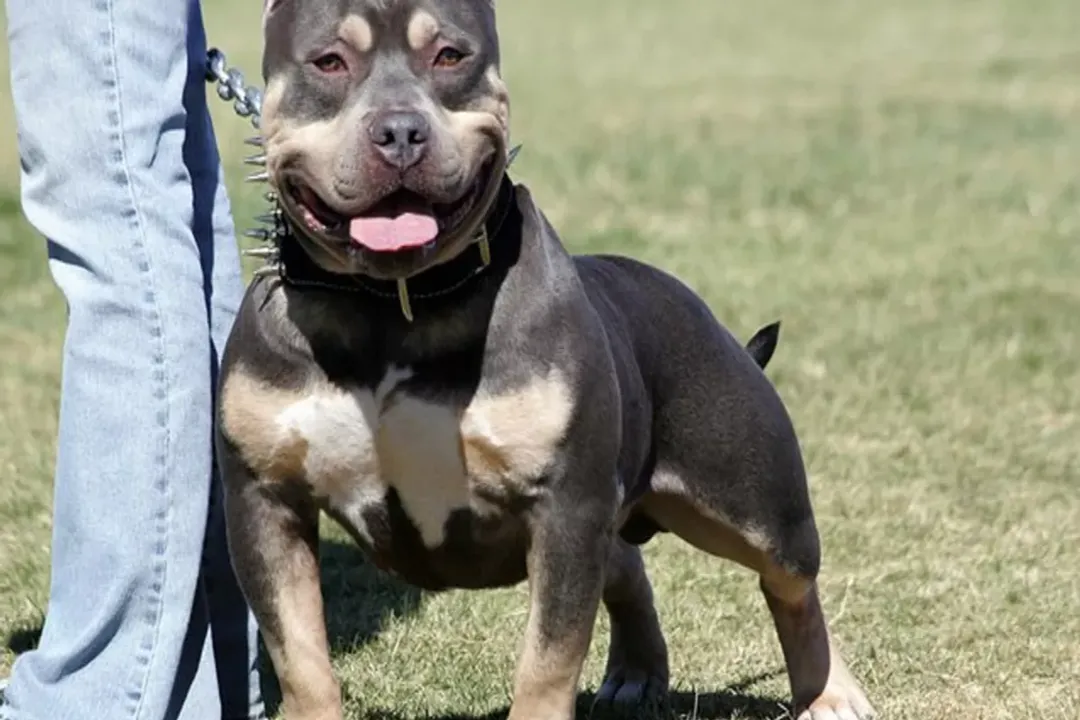
The concept of the "Pocket" designation centers on achieving a more compact stature suitable for varied living situations, like apartments, while retaining the recognizable muscular build of the Pitbull type. For the Pitbull/Patterdale mix, the expected adult size is typically between 11 to 22 pounds and 12 to 16 inches tall. Conversely, the ABKC’s Pocket Bully is slightly larger, often weighing between 30 to 45 pounds and standing 13 to 17 inches. This significant overlap in terminology means prospective owners must confirm the actual genetic makeup of the puppy they are considering to accurately anticipate potential breed-specific health predispositions. Relying solely on the "Pocket" label without understanding the parent breeds—American Pitbull Terrier, Patterdale Terrier, or American Bully lineage—can lead to overlooking crucial hereditary health screenings that responsible breeders should provide.
# Inherited Conditions

The theory of hybrid vigor suggests that mixed breeds might possess enhanced resilience over purebreds due to a broader gene pool. While this may offer some benefit, it does not confer immunity to hereditary conditions passed down from either parent breed. Both the Pitbull/Patterdale mix and the Pocket Bully variety of the American Bully can inherit potential issues from their ancestry. Owners must be prepared for the possibility of issues impacting the cardiac, skeletal, and neurological systems.
For the Pitbull/Patterdale cross, several major concerns have been noted, including Cerebellar Abiotrophy and Intervertebral Disc Disease. The Pocket Bully type more frequently faces risks associated with their specific structure, such as Congenital Heart Disease and Brachycephalic Obstructive Airway Syndrome (BOAS). A crucial part of responsible ownership is ensuring that breeders have screened the parent dogs for these known risks to minimize the chance of these serious problems manifesting later in life.

# Skeletal Strain

The stout, muscular frame that makes these dogs visually appealing is also a direct contributing factor to several orthopedic health challenges. Due to the combination of a compact build and, in some cases, shorter, bowed legs, extra weight places a significant strain on the joints, severely limiting mobility and potentially leading to arthritis and pain.
Hip Dysplasia is a frequently cited concern across the bully spectrum. This condition involves the improper development of the hip joint socket, leading to instability and deterioration of protective cartilage. While genetics play a strong role, maintaining a lean body condition is the single most effective management tool available to owners, as obesity exacerbates joint discomfort and bone deterioration.
Furthermore, smaller dogs, including the Pitbull/Patterdale mix, are predisposed to Patellar Luxation, where the kneecap slips out of place, causing limping or awkward movement. Another condition tied to their structure is Intervertebral Disc Disease (IVDD), which affects the spinal discs, potentially causing severe pain or, in serious cases, loss of mobility or sensation, often requiring medication or surgery. Given the predisposition to these skeletal issues across the various "pocket" types, it is vital to monitor exercise intensity carefully, especially during growth phases, and to provide supportive, measured nutrition consistently.
# Skin Eyes Glands
Beyond the bones and spine, the health profile includes issues related to skin, eyes, and endocrine function, depending on which parentage is dominant in the hybrid.
# Skin and Coat
Skin allergies are a recognized susceptibility for these dogs, potentially manifesting as irritation, dryness, or redness. Owners should remain vigilant regarding environmental triggers like pollen or grass, and dietary sensitivities. If the dog inherits the Patterdale Terrier's double, wiry coat instead of the American Pitbull Terrier's smooth single coat, grooming needs may increase slightly, but more importantly, the coat type can influence how skin issues present or are managed. While the coat is generally low-maintenance—requiring only weekly brushing—this should be paired with regular checks for rashes or swelling. Interestingly, even though the coat is short, dogs with light or white fur require sun protection to reduce skin cancer risk, particularly if they spend extended time outdoors enjoying their high energy levels.
# Sensory Organs
Eye problems are a recurring theme in the health discussions for these smaller bully-type dogs. Conditions like cataracts and various infections, such as conjunctivitis, are noted risks. Specific terms like ectropion (eyelid rolling inward) and entropion (eyelid rolling outward) are associated with the Pocket Bully type, along with corneal ulcers. Early detection through routine veterinary examinations is crucial, as swift action can prevent permanent damage.
# Systemic Risks
Systemic health issues that might arise from the parent breeds include Hypothyroidism, a disorder involving the thyroid gland. Furthermore, heart disease is a potential concern, with the Pocket Bully type specifically showing vulnerability to Congenital Heart Disease, which can lead to fluid buildup in the lungs and abdomen. Regular veterinary check-ups, ideally semi-annually, can assist in spotting these internal issues early enough to begin management.
When considering the health of any crossbreed, whether it is the Pitbull/Patterdale mix or the ABKC Pocket Bully, one practical step an owner can take beyond diet and exercise is to establish a relationship with a veterinarian experienced with bully breeds early on. An experienced vet will know which early screening tests—like hip X-rays or an ECG—are most appropriate given the dog's lineage and physical structure, maximizing the chance of early intervention for issues like dysplasia or heart conditions.

# Lifespan Outlook
Despite the list of potential health concerns that require diligent owner attention, the anticipated lifespan for a healthy Pocket Pitbull generally ranges from 11 to 13 years. The Pocket Bully variety is listed with a similar window of 10 to 14 years. Reaching the higher end of this spectrum is not passive; it is directly tied to the quality of care provided throughout the dog's life. Proper nutrition, consistent exercise to manage weight, and routine preventative veterinary care form the foundation for ensuring these energetic companions enjoy a long, happy life. For owners willing to commit to the mental and physical enrichment these intelligent and active dogs require, the reward is a loyal and affectionate family member well-integrated into their active lifestyle.
Related Questions
#Citations
Article insisting that "pocket bullies" are perfectly healthy is actually ...
Pocket Pitbull: Characteristics & Care | Wag!
Pocket Pitbulls - What You Need to Know About This Adorable Breed
Teacup Mini Pit Bull - All You Need To Know - Spark Paws
Pocket Pitbull Breed Guide: Everything You Need to Know
Pocket Bully Breed: Your Complete Guide - Dog Academy
Pocket Pitbull Dog Breed Health, Grooming, Feeding, Puppies and ...
4 common health problems in bully breeds - Figo Pet Insurance