How tall is a takin?
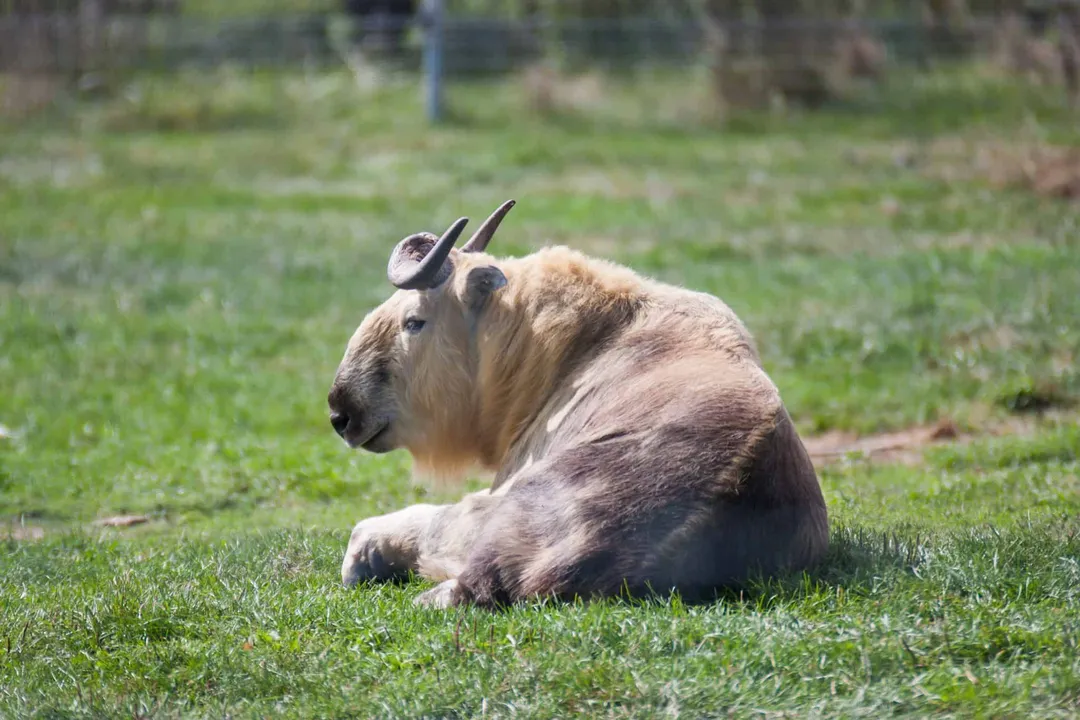
The takin, often described as a massive, shaggy creature that looks like a cross between a goat and an antelope, presents an impressive figure in its native Himalayan and surrounding mountainous terrains. Deciding exactly how tall this animal stands requires looking beyond a single measurement, as the species exhibits significant differences based on sex and subspecies, making its overall stature quite variable across its range.
# Animal Dimensions
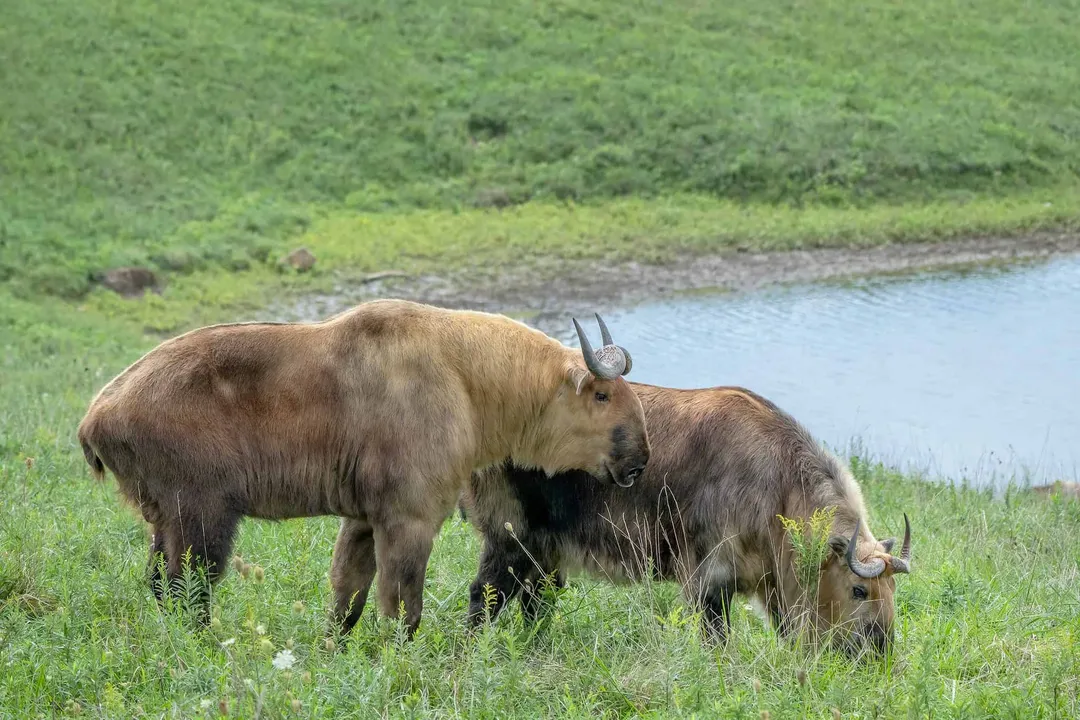
When discussing the physical stature of a takin, the measurement generally refers to the height at the shoulder, which is the standard convention for evaluating the size of hoofed mammals. Across the recognized subspecies, the shoulder height for adult takins typically falls within the range of about 100 to 140 centimeters. Converting this into Imperial measurements, this generally translates to a standing height between approximately 3.3 feet and 4.6 feet.
There is a noticeable and important difference between the sexes, a classic example of sexual dimorphism within the species. Male takins, often referred to as bulls, are substantially larger and taller than their female counterparts, known as cows. While specific maximums vary by report, one can generally expect a mature male to be near the upper end of that 140 cm (4.6 ft) shoulder height spectrum, while females will occupy the lower end, often closer to the 100 cm (3.3 ft) mark. This size disparity is also reflected in their weight, with bulls carrying significantly more mass, contributing to their overall imposing presence.
# Subspecies Size
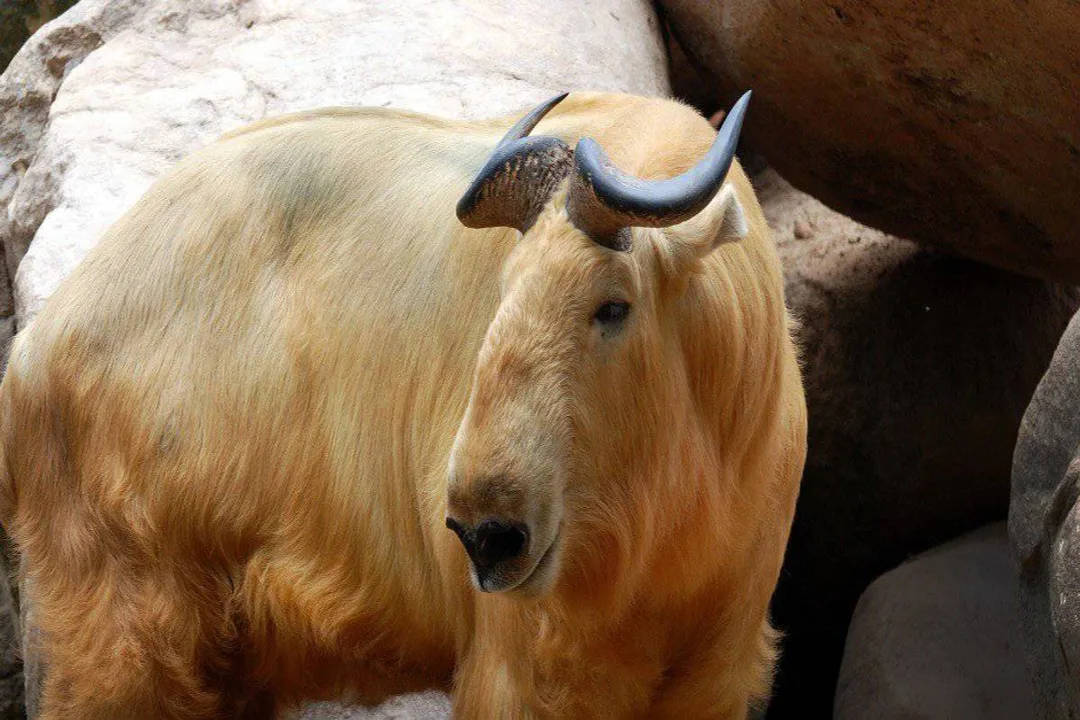
The geographical distribution of the takin is segmented into four distinct subspecies, and it is here that further dimensional variation becomes apparent, often reflecting local environmental pressures or genetic isolation. The Sichuan takin (Budorcas taxicolor tibetana), sometimes called the Golden takin due to its lighter coloration, is often cited as one of the larger forms. Conversely, the Bhutan takin (Budorcas taxicolor whiteheadi) or Mishmi takin (Budorcas taxicolor taxicolor) might exhibit slightly smaller average heights depending on the specific region they inhabit.
It is important to note that when conservation groups or zoos list the height of a takin, they are often quoting the most commonly held or most dominant subspecies in their region, such as the Sichuan takin, which is frequently represented in captive collections. If a specific population is subjected to harsher, high-altitude conditions with sparser resources, individuals may trend toward the lower end of the 100 cm shoulder height, whereas populations in more temperate, resource-rich zones might consistently feature individuals nearing 140 cm. This subtle variation means that "the" takin height is really a spectrum influenced by where the animal evolved.
# Relative Scale
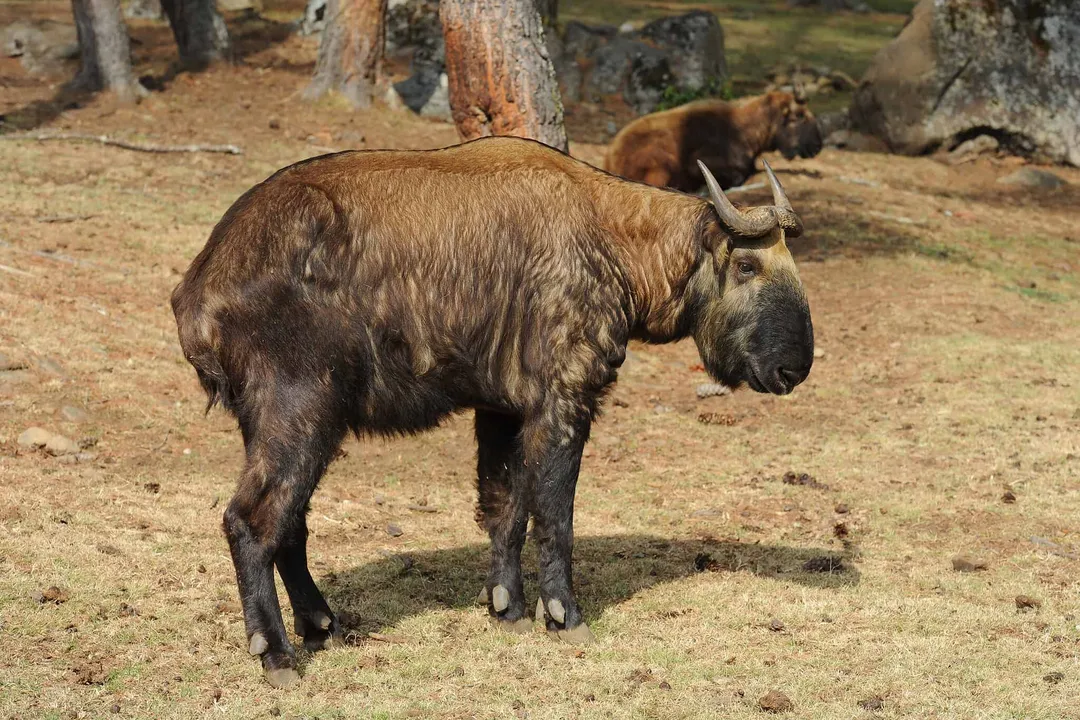
To put the shoulder height of a large male takin—around 4.6 feet—into perspective, it is helpful to compare it to something more familiar. While they are often likened to domestic cattle in general shape, they are significantly shorter than most standard dairy breeds. A standard adult human male might stand between 5.5 and 6 feet tall. Therefore, even a very large bull takin would only reach the chest or mid-torso level of an average standing person. However, their sheer bulk and the heavy, muscular hump over their shoulders give them an appearance of greater height and mass than the raw measurement suggests. This deceptive appearance is enhanced by their heavy build; a 4.6-foot-tall animal weighing hundreds of pounds looks considerably more substantial than a 4.6-foot-tall human.
If we look at the difference between the minimum and maximum recorded shoulder heights for the entire species—a span of roughly 40 centimeters (or about 16 inches)—this range accounts for nearly the entire height difference between a standard, medium-sized domestic goat and a very large sheep breed. This variation highlights that while the takin is undeniably large, it isn't uniformly massive across all sexes and locations.
# Beyond Height
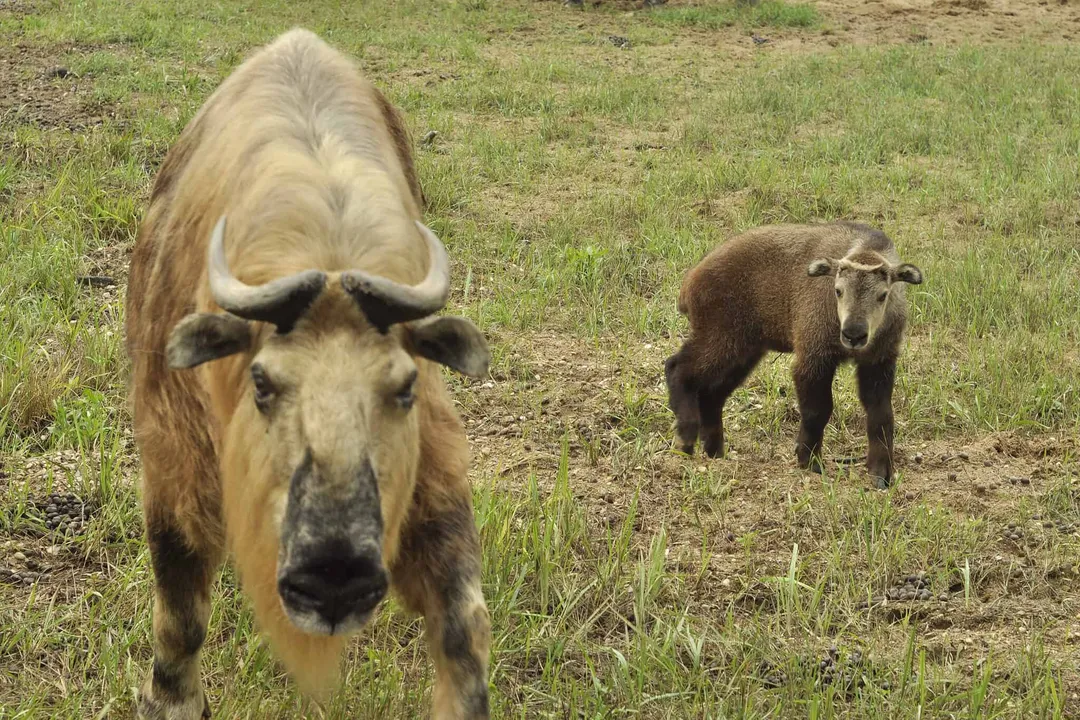
While height at the shoulder defines the animal's vertical profile, its overall impression is completed by its other robust features. The takin is strongly built, possessing a heavy body, relatively short, sturdy legs, and a broad head.
The horns are perhaps the most defining feature after its bulk. Both males and females possess horns that curve backward and then upward, often appearing somewhat lyre-shaped. These horns are thick at the base, often spreading wide, and can reach impressive lengths, adding to the animal's overall visual dimension. For instance, horn lengths can sometimes exceed 50 centimeters on a large specimen.
Another factor affecting perceived size is the takin's coat. They possess a thick, shaggy coat that provides insulation against the cold mountain climates they inhabit. This heavy winter coat, particularly the long, goat-like hair covering the shoulders and neck, adds considerable volume to the animal's silhouette, potentially making it look a foot taller or wider than its actual bone structure suggests.
# Habitat Effects
The high-altitude environments where takins thrive—often ranging from 3,000 to 4,500 meters (about 9,800 to 14,800 feet) above sea level—place severe constraints on growth and resource availability. Animals living in the most remote, resource-scarce alpine meadows may develop smaller body frames as an adaptation to survive with less forage compared to those living in slightly lower, more sheltered valleys.
This environmental pressure can inadvertently create smaller, denser populations that consistently yield measurements toward the lower end of the accepted height range. When researchers capture data from remote, high-elevation populations, the resulting average shoulder heights might skew lower than those taken from zoo populations or animals inhabiting lower montane forests where food is more accessible year-round. Thus, the reported average height of an animal like the Mishmi takin might be lower simply because the wild data is collected from the most challenging parts of its territory, illustrating that context matters as much as the raw number when determining how tall a specific takin is.
Related Questions
#Citations
Takin - Wikipedia
Takin (Budorcas spp.) Fact Sheet: Summary - LibGuides
Bhutan Takin | Bhutan & Nepal Wildlife Guide
Takin | Planet Zoo Wiki | Fandom
Sichuan Takin | The Wilds
Takin Animal Facts - Budorcas taxicolor
Baby Takin Born - Potawatomi Zoo
Takin facts for endangered Central Asian ungulate presentation