How much to feed a Brittany?

Meeting the nutritional demands of a Brittany requires a tailored approach that respects their heritage as energetic, versatile sporting dogs. Getting the feeding amount right isn't just about following a chart; it's about understanding the unique metabolism and energy expenditure of this breed, which can vary significantly from one dog to the next based on their daily work or play. [4][9] Because Brittanys are intelligent, high-stamina dogs bred to hunt, an insufficient diet can lead to fatigue and poor coat condition, while overfeeding guarantees weight gain, which is particularly problematic for a breed built for athleticism. [1][4]
# Breed Energy Profile

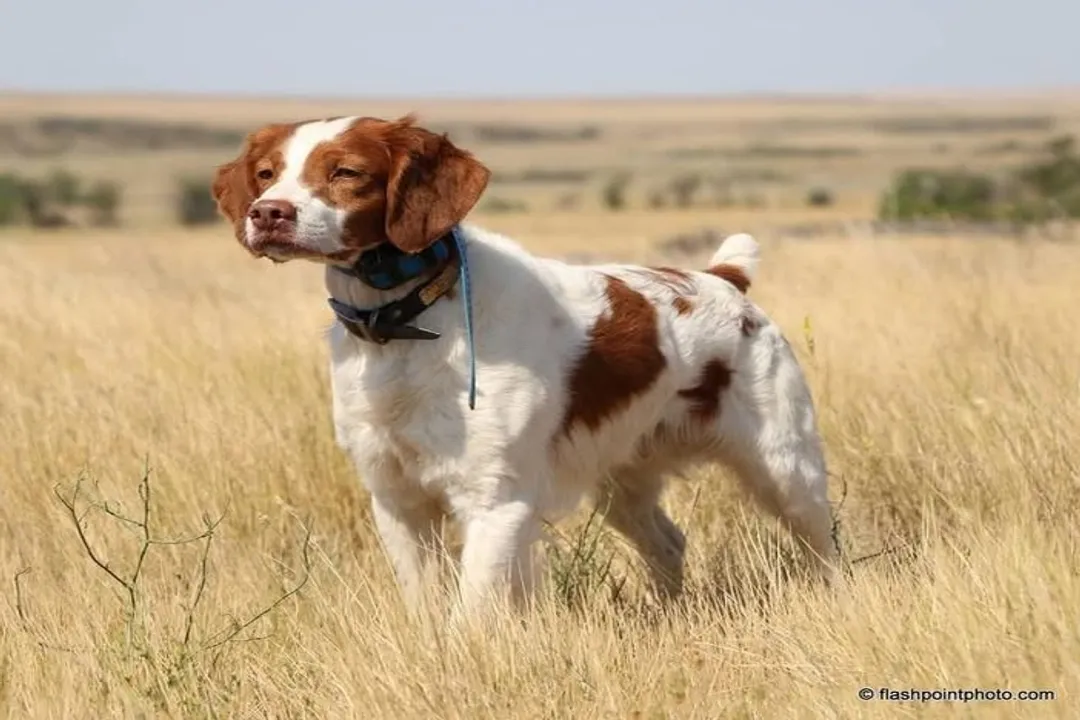
The Brittany, formerly known as the Brittany Spaniel, possesses an engine that requires premium fuel. [4][9] They are not couch potatoes; they are dogs bred for endurance in the field. [7] This means their baseline caloric needs are generally higher than those of a less active breed of similar size. An adult Brittany typically weighs between 30 to 40 pounds. [4][9] However, this weight range covers dogs that spend their weekends tracking birds and those that spend their days napping by the office chair.
When assessing how much to feed, the primary consideration must always be the dog's actual activity level, not just its potential. [1] A Brittany engaged in regular, rigorous training, agility work, or active hunting will require substantially more calories than one maintained primarily as a companion dog. This distinction is critical when interpreting the feeding guidelines printed on the dog food bag, which are often based on averages. [1][5]
# Puppy Growth Stages
The nutritional requirements for a Brittany puppy are drastically different from those of an adult. Puppies have an intense need for energy and specific nutrient ratios to support rapid growth, bone development, and the building of muscle mass. [8] For this reason, puppies should generally be fed food formulated specifically for growth, often labeled as "All Life Stages" or "Puppy Formula," which contains the necessary higher levels of protein and fat. [1][8]
Feeding frequency is just as important as quantity during the puppy phase. A common recommendation suggests feeding puppies three times per day until they reach about six months of age, after which they can typically transition to twice-daily feedings. [5] Sticking to a regular schedule helps maintain consistent energy levels and aids in house-training consistency.
For instance, owners of young Brittanys might find their rapidly growing pups demanding frequent meals. While precise measurements must come from the specific food's label, one owner observed a four-month-old puppy consuming around 1.5 cups of kibble daily, split across three meals. [2] This illustrates the high metabolic demands of that intense growth period. It is important to remember that these amounts are starting points. If a puppy seems overly ravenous immediately after finishing a meal, or conversely, leaves food consistently, the quantity requires immediate fine-tuning. [5] Transitioning food should also be done slowly over about a week to prevent stomach upset, which can derail consistent feeding habits. [8]

# Calculating Adult Maintenance

Once a Brittany reaches maturity, typically around one year of age, the focus shifts from growth to maintenance, demanding a careful balance to prevent the soft body condition that can plague less-exercised members of this breed. [1][4] The most reliable initial guide for any dog food remains the manufacturer's feeding chart, which correlates a dog’s weight with a recommended daily volume of food, usually in cups. [1][5]
For example, looking at the general guidelines provided for a specific commercial food, a 25-pound Brittany might start around one cup daily, while a 40-pound dog might need closer to 1.5 to 2 cups, depending on the calorie density of that particular formulation. [1]
Here is a simple table illustrating how to structure your initial daily feeding volume based on general weight tiers, remembering that this must be adjusted based on the food's caloric density (kcal/cup): [1]
| Estimated Adult Weight (lbs) | Starting Daily Kibble Volume (Cups) | Suggested Frequency |
|---|---|---|
| 30 | 1 to 1 1/4 | 2 Meals |
| 35 | 1 1/4 to 1 5/8 | 2 Meals |
| 40 | 1 1/2 to 2 | 2 Meals |
This table serves as a foundational estimate. A very active working Brittany, for example, might require 25% to 50% more food than the chart suggests for their weight, whereas a less active companion might thrive on 10% to 20% less. [1] An experienced owner knows that the visual check—the dog’s body condition—is the ultimate authority over the numbers on the bag.
# Food Composition Matters

The type of food chosen significantly impacts the actual volume required. Foods vary widely in their caloric density. A highly digestible, premium kibble that is rich in quality animal protein and moderate in fat might require you to feed slightly less volume than a less nutrient-dense alternative to deliver the same number of usable calories. [1]
For Brittanys, look for foods that specify animal protein sources as the first ingredients, fitting their active nature. [1] The protein content should generally be substantial, supporting the lean muscle mass typical of the breed. When switching foods, especially if moving from a puppy formula to an adult maintenance formula, ensure the protein and fat levels are appropriate for a mature dog that is not currently reproducing or in heavy work, to avoid unnecessary fat gain. [8]

# Monitoring Body Condition
Relying solely on the scale or the feeding chart is a recipe for either an underweight or overweight Brittany. Expertise in feeding this breed comes from learning to assess their Body Condition Score (BCS) visually and tactilely. [1] You should be able to easily feel, but not necessarily see, their ribs without pressing hard. When viewed from above, the dog should have a discernible waist tucked in behind the rib cage—a gentle hourglass shape. From the side, the abdomen should tuck up, not hang down. [1]
If the ribs are easily visible, or if the waist is severely pronounced, the dog likely needs an increase in their daily ration, perhaps by a quarter cup split between meals, and then reassessment in two weeks. If you cannot easily feel the ribs, or the dog appears "barrel-chested" with no visible tuck, you should reduce the daily intake by about 10% and monitor for weight loss over a few weeks. This iterative adjustment process is the most critical skill for long-term feeding success with an athletic breed like the Brittany. You are essentially creating a custom feeding guideline specific to your dog's metabolism and environment.
# Hydration and Treats
While dry kibble forms the foundation, the availability of fresh, clean water is non-negotiable, especially given their high energy levels that lead to significant water turnover. [4] Always ensure water is accessible. Furthermore, treats should never account for more than 10% of the dog’s total daily caloric intake. [8] For a breed as food-motivated as the Brittany, this can be a challenge. If you are using high-value treats for training, you must reduce the dog’s main meal accordingly. For instance, if you use a half-cup of kibble as a standard meal, and you give a significant amount of training treats throughout the day, consider reducing that meal by 1/8th of a cup to compensate. Failing to account for these extras is a common, yet subtle, way an owner can inadvertently cause steady weight gain in an otherwise healthy dog.

# Adjusting for Life Events
A Brittany’s feeding plan is dynamic. Pregnancy and lactation drastically increase caloric needs, often requiring a switch back to a high-energy puppy or performance formula to support the dam and growing litter. [1] Similarly, periods of intense activity, such as preparing for a field trial season or hiking extensively, demand an increase in food volume or frequency. Conversely, a dog recovering from surgery or dealing with reduced mobility due to age will need a calibrated decrease in food intake to prevent obesity, which places undue stress on aging joints. [4] Always consult with your veterinarian when making drastic changes due to health events, but use the body condition score as your immediate, day-to-day feedback mechanism. This breed rewards owners who pay close attention to their physical state, translating that observation directly into the correct bowl measurement.
Related Questions
#Citations
Brittany Spaniel Dietary Needs and Feeding Guide
Puppy feeding amounts : r/BrittanySpaniel - Reddit
Daily food intake for brittany spaniels? - Facebook
Brittany (Brittany Spaniel) Dog Breed Health and Care | PetMD
Caring for a Brittany Puppy – What you need to know! | BRIT
Amount to feed 11 week old puppy - Gun Dog Forum
Puppy Feeding Fundamentals - Nutrition - American Kennel Club
Brittany breed guide: Care, training, and fun facts - BorrowMyDoggy