How far can impala jump?
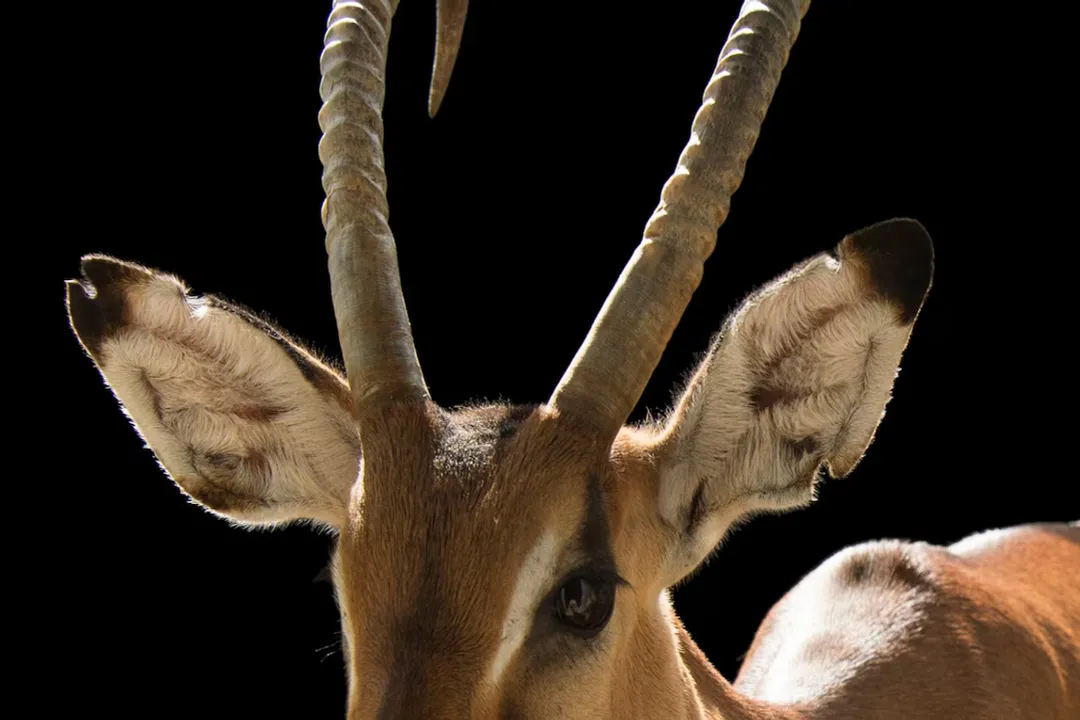
The impala, that slender antelope of the African savanna, possesses an almost unbelievable capacity for vertical and horizontal motion when startled or looking for sport. To measure its aerial prowess, we look at figures that seem more suited to a track-and-field record than a medium-sized herbivore. These animals can launch themselves an impressive distance, covering ground by up to 33 feet—a span that easily spans the length of a typical family sedan. Equally remarkable is their vertical clearance; they are capable of soaring approximately 10 feet into the air, or about 3 meters.
# Vertical Clearance
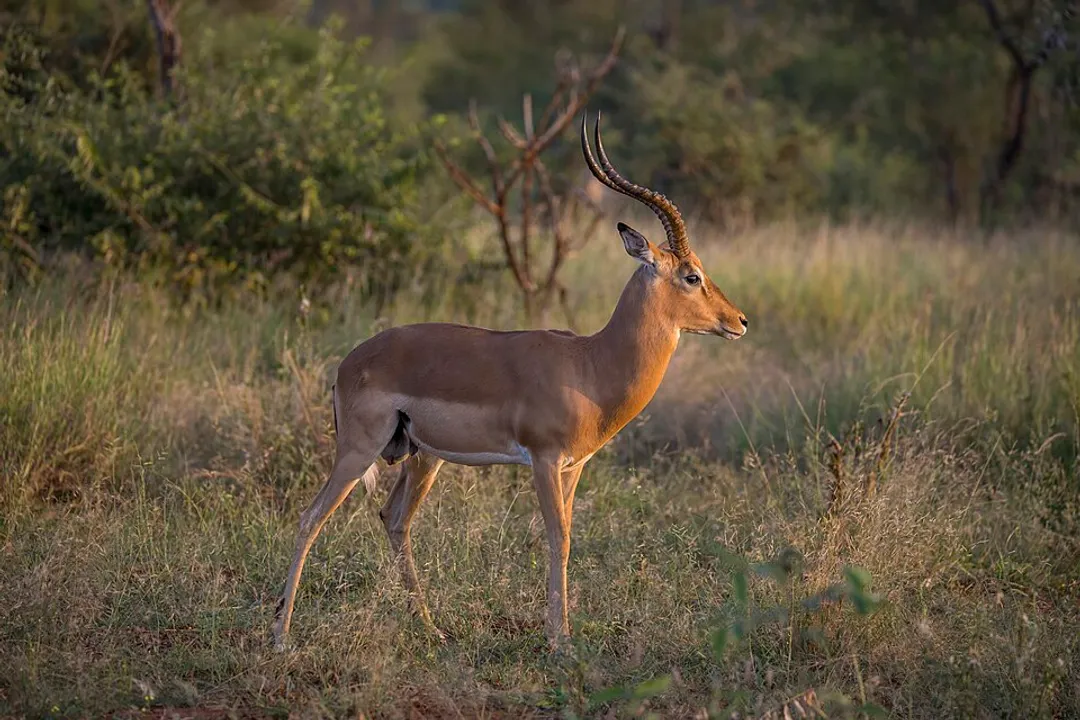
When discussing their height, the metrics provided by various observers converge closely. The ability to achieve a height of around 10 feet is often cited as the measure of their clearance over obstacles like bushes. Wikipedia specifies a maximum jump height of up to 3 meters, which translates to just under 10 feet. This explosive vertical ability is clearly engineered for navigating dense savanna undergrowth, allowing them to clear physical obstructions quickly when a predator is near.
# Horizontal Reach
The horizontal leap is where the impala truly stretches its athletic limits. Reaching 33 feet (or 10 meters) in a single bound demands tremendous propulsive force from the hindquarters and careful aerodynamic control. To put this into perspective, imagine an animal weighing between 88 and 165 pounds covering the length of a typical mid-sized car in one effortless arc. This isn't just a quick hop; it's a sustained burst of airborne travel designed to break the line of attack from a pursuing carnivore. Considering the musculature required to generate that launch velocity while maintaining body control throughout the trajectory is a testament to their specialized evolution.
# Distinct Leaping
The impala’s repertoire includes more than just one standard escape jump. The antelope deploys at least two characteristic leaps as part of its anti-predator strategy. The first is the straightforward, high-arcing jump described above, designed for pure distance and height to clear obstacles. The second type is a more complex, almost balletic maneuver. In this variation, the animal lands on its forelegs, but instead of maintaining forward momentum along the ground, it moves its hindlegs in mid-air, landing on all fours before immediately rebounding into another jump. This technique, often referred to as stotting, combined with changing direction randomly, serves to thoroughly confuse potential predators about the impala's actual escape path and speed.
# Evasion Enjoyment
While the dramatic leaps are fundamentally tied to survival—evading lions, leopards, and cheetahs—the impetus for jumping isn't always dire threat. Reports suggest that impalas will utilize these incredible abilities sometimes simply for amusement or enjoyment. This dual function highlights a sophisticated relationship with their physical gifts: they are tools for survival, but also means of expression or play within the herd structure. The energy expenditure required for a 33-foot jump suggests that performing one purely for fun is a luxury afforded when the immediate danger has passed, perhaps serving a social or practice function.
# Landing Sightlines
An intriguing observation regarding this powerful bounding ability relates to the impala's need for visual certainty. While they can jump over obstacles they cannot see through, evidence from captivity suggests a crucial dependence on knowing the landing zone. When confined in environments with low barriers, such as a 3-foot wall, impalas often refuse to jump, choosing to remain inside the enclosure despite the jump being physically within their capabilities. This implies that the incredible mechanics of the leap are governed by a high-level cognitive assessment of the landing area. In the wild, the ability to accurately gauge a safe landing spot, free from hidden dangers like thick brush or an unseen predator waiting on the other side, is just as vital as generating the initial thrust. A miscalculated landing in tall grass could result in injury or, worse, provide a split-second opening for a hunter.
# Physical Foundation
The physical architecture supporting these feats is quite refined. The impala has a slender build, standing between 33 to 39 inches at the shoulder, with males being generally larger, reaching up to 165 pounds. Their coat is a glossy reddish-brown, contrasting sharply with their white underbelly, and they possess distinctive black stripes on their hindlegs. The male's impressive, spiral, lyre-shaped horns are used in ritualized fights for territory and dominance during the rut, but these structures do not impede their incredible agility when they need to clear obstacles. Their lightweight structure, combined with powerful musculature honed by a need for constant vigilance and rapid acceleration, makes the impala a quintessential example of evolutionary specialization for speed and evasion across the open plains.
Related Questions
#Citations
Impala behind the wall - why we avoid that - College Planning America
Impala - Wikipedia
Impala | National Geographic
Impala - Home - Brights Zoo