Why do Catahoulas have webbed feet?
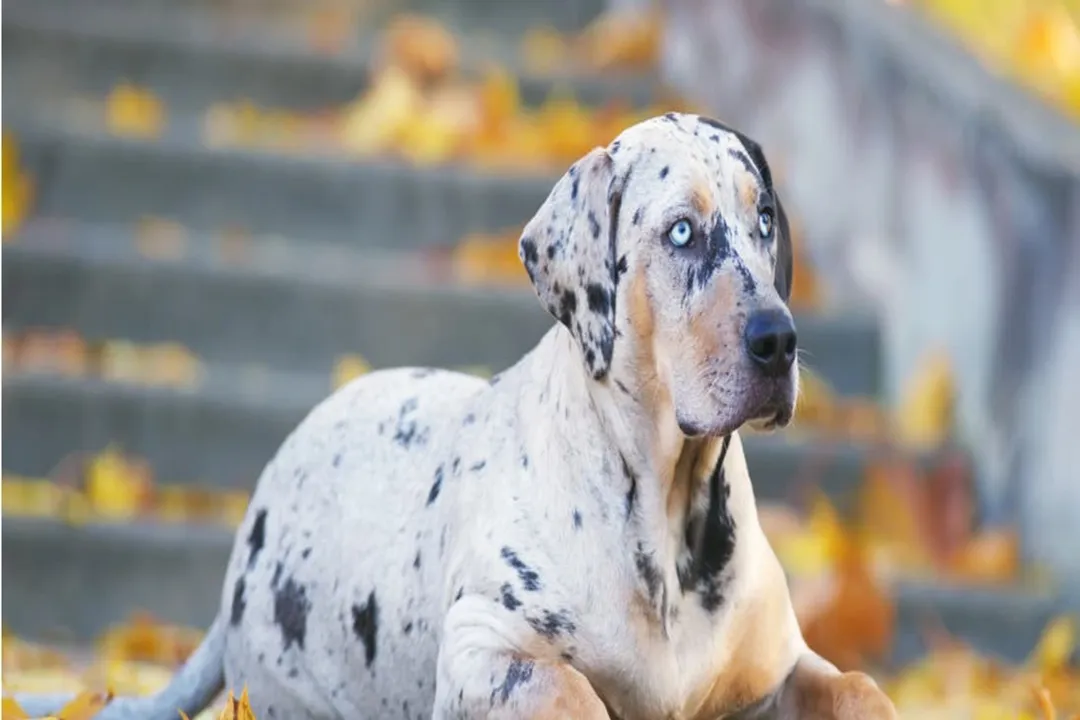
The distinctive look of the Catahoula Leopard Dog often draws attention to its striking eyes or mottled coat, but a less immediately visible, yet functionally critical, feature is the webbing between its toes. [2][7] For this breed, that extra membrane of skin connecting the digits isn't a quirk of genetics; it's a physical signature left by a history deeply intertwined with the challenging, watery landscapes of its home state. [3] When owners notice this trait, the immediate question isn't just if they have it, but why this specific adaptation evolved in a dog breed developed primarily for hunting and herding in the American South. [1][4]
# Webbed Feet
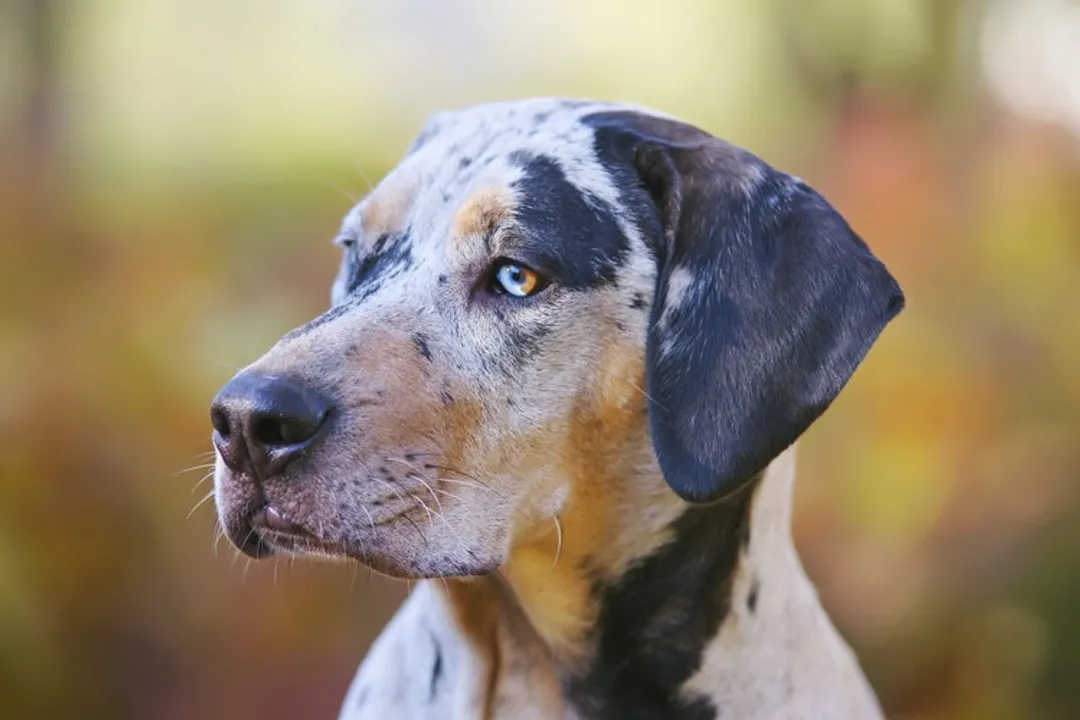
The presence of webbed feet in Catahoulas is a widely recognized characteristic, though the degree of webbing can vary significantly from one dog to another. [7] Some individuals may exhibit very prominent webbing, almost approaching that seen in fully aquatic breeds, while others may only have slightly more connective tissue between their toes than a typical canine. [1][2] This variation speaks to the breed’s diverse heritage; the Catahoula Leopard Dog is not the product of a single, strict breeding program but rather developed through natural selection and necessity in Louisiana, absorbing traits from various working dogs brought over by early settlers. [8] What unites them is the inherited tendency toward this modification, suggesting its utility outweighed the occasional inconvenience of having slightly different paws. [3]
# Louisiana Origins
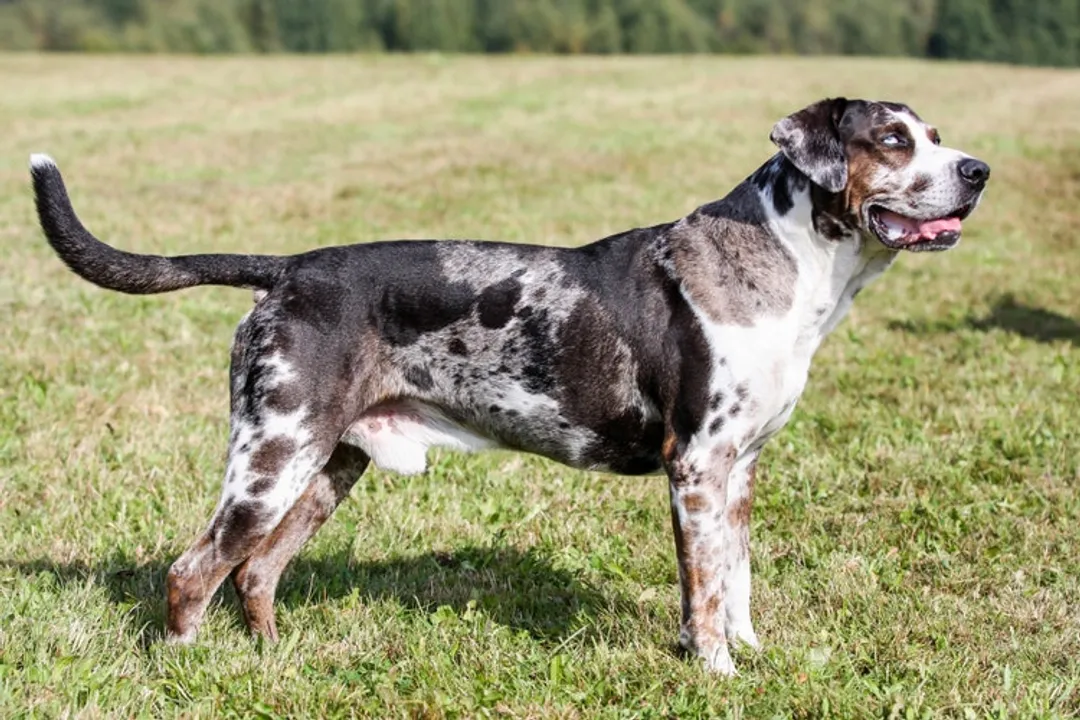
To understand the why, one must look directly at where the Catahoula was forged: the bayous, swamps, and rugged terrain of Louisiana. [3][5] This breed served as the state’s official dog for good reason—it was developed to work in that specific environment. [6] The primary tasks for early Catahoulas involved herding semi-wild cattle and hunting wild hogs. [4][5] Both activities frequently required the dogs to navigate areas that were consistently saturated, marshy, or required significant time in the water. [3]
The function of retrieving game or pushing livestock out of swampy thickets meant that prolonged exposure to water was inevitable. [3] Dogs without suitable adaptations for wet conditions would tire quickly, struggle with propulsion, or risk debilitating skin issues from constant dampness and debris between their toes. [5] The selection process, driven by the needs of the trappers and farmers themselves, favored those dogs that could move efficiently through water and mud.
# Water Propulsion
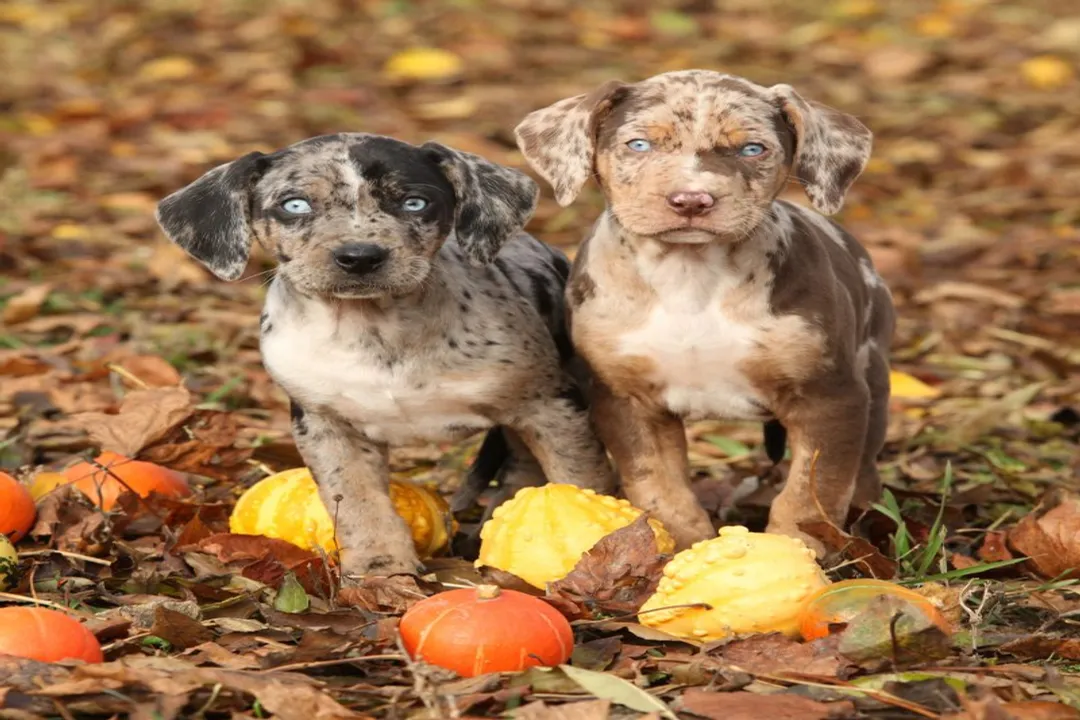
The anatomical advantage conferred by webbed feet is largely about increased surface area and propulsion. [3] When a dog swims, the webbing stretches out during the power stroke (the backstroke motion of the paddle), capturing more water than bare toes could, thereby providing a stronger thrust forward. [3] This allows the Catahoula to move through water with greater speed and less energy expenditure than a dog with standard paws, a critical feature for a working animal expected to spend hours tracking game along waterways or retrieving downed birds. [5]
This efficiency is particularly telling when comparing the Catahoula to other dogs used for similar tasks. While breeds like the Labrador Retriever also excel in water, their heritage might emphasize retrieving from open lakes, whereas the Catahoula’s webbing often feels more tailored for maneuvering through dense, silt-filled marshland or boggy terrain where a broad paddle is more beneficial than sheer speed. [3] In these low-visibility, unstable environments, maximizing the purchase on the water—and perhaps even on slick mud surfaces—becomes paramount. It’s an adaptation optimized for utility in a swampy context, rather than solely for deep-water endurance events. [3]
# Varied Appearance
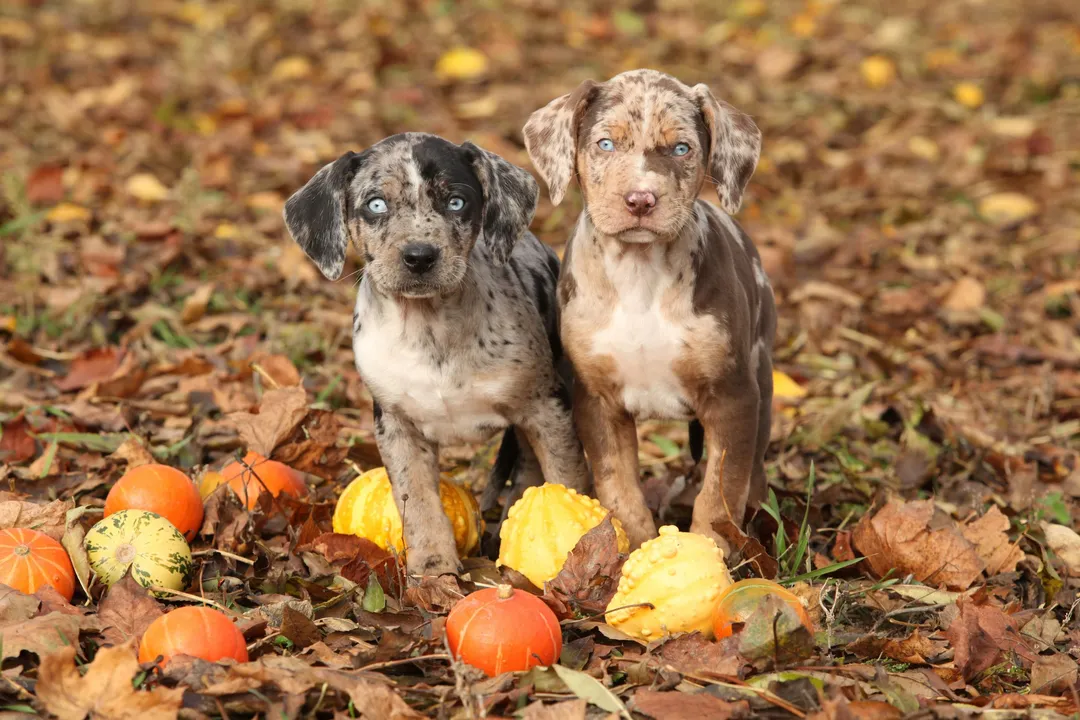
It is important to remember that the Catahoula Leopard Dog, while recognized for certain traits, retains a high degree of genetic diversity. [2] The breed's look is highly variable, encompassing everything from coat color to eye structure. [6] The famous "glass eyes," or heterochromia, are one such distinguishing feature, alongside the mosaic patterns of their coats. [6] Because the breed was established through a functional process rather than strict adherence to a formal registry early on, some dogs might appear to be mixes, leading to confusion about their specific traits. [2] Consequently, while webbing is a common and expected characteristic supporting the breed's history, an individual Catahoula might display it in varying degrees, sometimes resembling dogs that had parentage involving water dogs or hounds used near rivers. [8]
This inherent variability means that when evaluating a dog potentially possessing Catahoula lineage, an owner should look at the combination of traits—stamina, herding instinct, and paw structure—rather than relying solely on one feature like the webbing to confirm parentage. [2]
# Working Legacy
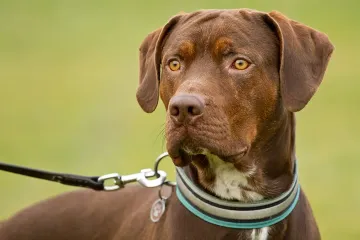
Today, fewer Catahoulas are actively engaged in the back-breaking work of hog catching or cattle driving in the Louisiana swamps, but the physical characteristics remain a blueprint of their past. [4][8] For the modern pet owner, understanding this webbed foot adaptation offers a valuable insight into the dog's energy level and swimming affinity.
If you find yourself near a lake or pond with your Catahoula, anticipate a strong desire to jump in. Their heritage dictates that water is a primary medium for movement and play. [3] However, this functional design also requires a bit of proactive management. Because the skin between the toes is more exposed and flexible, owners should be diligent about checking these areas after extended play in rough, debris-laden, or chemically treated water. [5] Unlike the thick, calloused pads on the underside of their feet, the webbing can be more susceptible to scrapes or irritation from sharp objects hidden under murky water or mud. Regularly rinsing and inspecting these areas after swims in questionable water can prevent minor abrasions from escalating into infections, which is an essential piece of husbandry for any dog built for amphibious work. [1] The paws tell the story of the dog's intended purpose, demanding appropriate care that respects that original design.
Related Questions
#Citations
Does anyone else have webbed feet in Catahoulas? - Facebook
Rescue. Vet guessed Catahoula/Shepard because of the web feet ...
9 Facts About Catahoula Leopard Dogs - Greenfield Puppies
10 Cool Facts About Catahoula Leopard Dogs - Mom.com
What is Louisiana's state dog? Its glass eyes, webbed feet ... - Yahoo
Do Catahoula Leopard Dogs have webbed feet? - Adopt a Pet
Catahoula Leopard Dog - PetPlace