physical trait articles - Page: 11
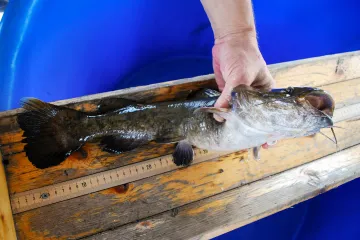
What is the scientific name for the flathead catfish?
How is the mouth configuration of the flathead catfish best described?
What specific characteristic distinguishes the dorsal fin of the flathead catfish?
How does the tail fin of the flathead catfish typically compare to that of the blue catfish?
What coloration pattern is generally absent on healthy, adult flathead catfish?
Which sensory appendages around the mouth show a distinct color difference between the upper and lower jaws?
What feature is cited as the most reliable, non-size-dependent identifier for young flathead catfish compared to young channel catfish?
What is the typical range of coloration for the belly (ventral surface) of a flathead catfish?
What is the documented potential maximum weight that large flathead specimens can approach or exceed?
What is contained within the pectoral fins that requires careful handling?
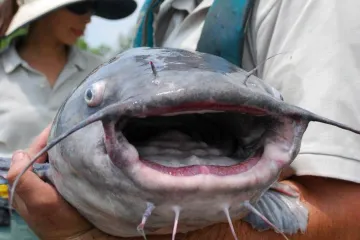
What specialized function do the chemoreceptors packed within catfish barbels primarily serve?
Instead of traditional scales, what typically covers the body of most catfish species?
How many sensory barbels does a typical North American Channel Catfish possess around its mouth?
What body shape characteristic is often described for catfish, adapted for their role as bottom-dwellers?
What coloration pattern helps camouflage catfish by contrasting their top and bottom sides?
On which fins does the catfish typically possess a strong, bony, leading spine that can lock outward when threatened?
If a catfish spine is venomous, where is the protein responsible for the venom produced?
What is the characteristic head profile of the Blue Catfish (*Ictalurus furcatus*)?
What physical feature is considered the most reliable constant differentiator between Channel Catfish and Blue Catfish?
What is the approximate maximum reported weight for goliath species like the Mekong giant catfish?
PreviousPage 11 of 11