Under what condition is a faint smell of citrus unlikely to deter woodlice from settling?
Answer
If the area is perfectly damp and rich in decaying wood or leaf litter
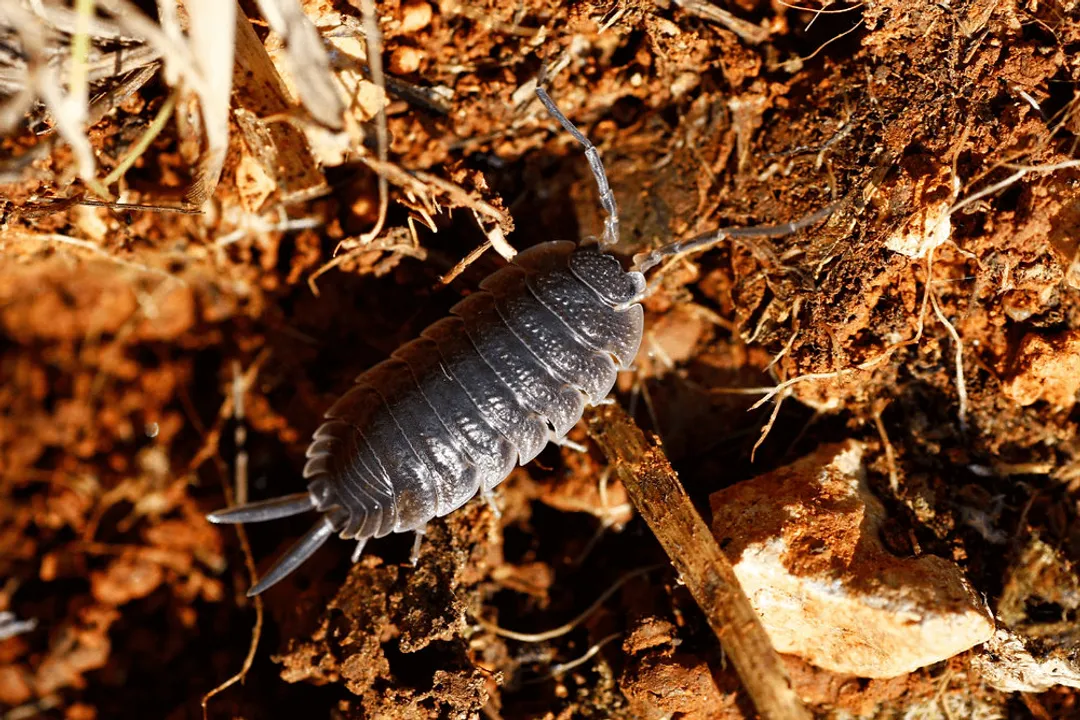
The effectiveness of any scent-based deterrent, such as citrus oil, is highly conditional and secondary to the woodlouse's fundamental environmental needs. If an area provides the creature's primary requirements—ample moisture and readily available decaying organic food sources—the presence of a mild, non-toxic odor will likely be ignored. Woodlice are driven by biological necessity (thirst and hunger) rather than olfactory preference when resources are scarce elsewhere. Therefore, if a location is damp and full of rotting material, the woodlice will settle in despite a faint citrus smell because the required habitat conditions are met.
Related Questions
What biological necessity drives woodlice survival most strongly?How does food-grade Diatomaceous Earth (DE) control woodlice?What is the primary effect of a mild dish soap and water spray?What is noted about the frequency of reapplication for essential oils like cedar or peppermint?What strategy surpasses all scent repellents for woodlice infestation control?What materials are identified as primary food sources for woodlice near structures?If basement or crawlspace humidity consistently exceeds what level, should a dehumidifier be invested in?What is the necessary direction for soil grading immediately surrounding a house foundation?Besides foundation cracks, what specific construction-related entry points should be scrutinized for sealing?Under what condition is a faint smell of citrus unlikely to deter woodlice from settling?