What smell do woodlice hate?
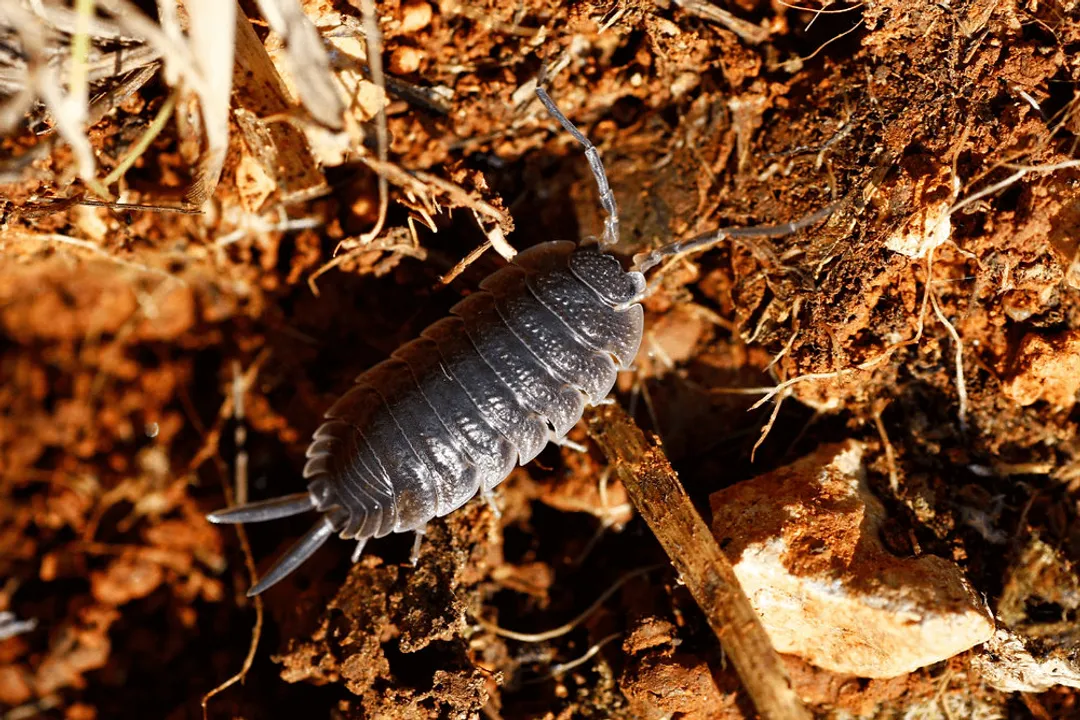
While many homeowners focus on harsh chemicals when dealing with unwanted household guests, finding an odor that woodlice actively despise is often a gentler starting point for pest management. These small, armored crustaceans, often called pill bugs or sowbugs, are generally more attracted to the damp, dark environments they need for survival than they are repelled by specific scents. [1][5] However, certain strong smells or natural materials can make an area less appealing, encouraging them to relocate elsewhere. [6]
The desire for a single "magic bullet" scent that sends woodlice scurrying is understandable, but their primary motivation is biological: they require high humidity to breathe and avoid desiccation. [5][8] Therefore, the most effective control methods always center around eliminating their preferred habitat—moisture and decaying organic matter—rather than relying solely on olfactory aversion. Understanding what they truly require helps inform which deterrents might actually work, even if only temporarily.
# Scent Solutions
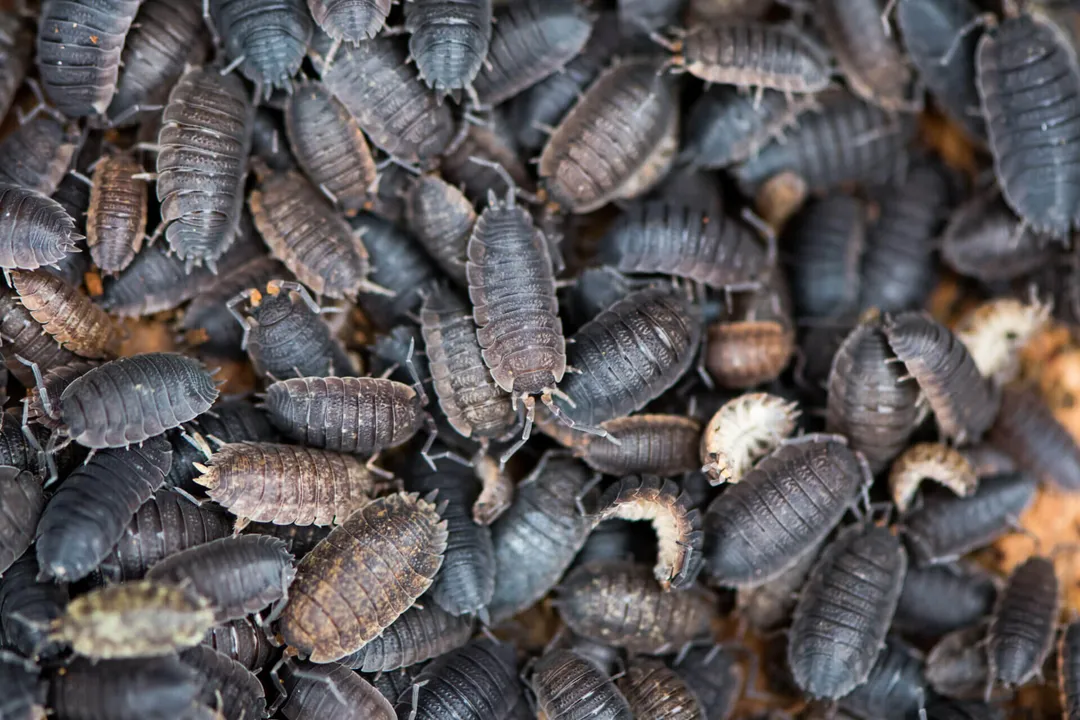
When people search for a scent woodlice hate, they are typically looking for non-toxic, natural repellents to apply around entry points or known congregation spots. [3] Unfortunately, the scientific literature and practical pest control guides do not consistently highlight one specific aroma as a universal, long-term deterrent for Armadillidium vulgare or related species. [2] Their aversion to smells is secondary to their need for dampness.
However, several strong, natural odors are sometimes suggested as minor deterrents or components of a broader strategy. These generally work by masking other attractive scents or creating an irritating surface condition:
- Citrus: Strong citrus oils, such as those from lemons or oranges, possess sharp smells that some pests dislike. [6] If you are cleaning areas where they gather, using a strong citrus-based cleaner might disrupt their immediate comfort zone.
- Diatomaceous Earth (DE) Consideration: While not strictly a smell, food-grade DE is a common DIY solution. [3] It is abrasive and dehydrates them upon contact, which acts as a powerful, non-chemical control. If we consider the "smell" of a dry, dusty barrier versus a damp, decaying one, DE creates an environment so inhospitable that scent becomes irrelevant.
- Essential Oils: Some anecdotal evidence suggests strong essential oils like cedar or peppermint might offer temporary repulsion. [6] These are usually applied by soaking cotton balls and placing them near known entryways, such as under sinks or near basement windows. It is important to remember that these methods require frequent reapplication, especially in humid conditions, as the volatile oils dissipate quickly. [6]
When comparing scent-based approaches, it's vital to note that a strong smell might only work if the woodlice are actively foraging and have other, less offensive options available. If an area is perfectly damp and rich in decaying wood or leaf litter, a faint smell of citrus is unlikely to stop them from settling in. [1]
# Dampness Management

The single most effective strategy against woodlice infestation—far surpassing any repellent scent—is aggressive moisture control. [5][6][9] Woodlice breathe through gill-like structures called pleopods, which necessitates high humidity. [5] Disrupting this necessary environment is the key to making your home unattractive.
This process involves both eliminating standing water sources and improving overall ventilation:
- Fix Leaks: Inspect plumbing under sinks, around bathtubs, and in basements for slow leaks or condensation buildup. [5][9] Repairing a dripping pipe can remove a constant local water source they rely on.
- Improve Airflow: Basements, crawl spaces, and poorly ventilated bathrooms are prime woodlouse habitats. [6] Using dehumidifiers in damp areas can significantly lower the relative humidity to levels unsuitable for them. In outdoor areas, pruning dense shrubs near the foundation allows better sunlight and air circulation, drying out the soil surface. [5]
- Address Ground Grading: Ensure that the soil immediately surrounding your foundation slopes away from the house, not towards it. [9] Water pooling near the structure creates ideal damp refuges right next to your walls. This small landscape adjustment is often overlooked when homeowners are only focused on interior smells or pests.
- Eliminate Debris: Woodlice feed on decaying organic matter, such as mulch, decaying leaves, wet cardboard, and rotting wood. [1][6] Removing piles of debris near the house foundation cuts off their food supply and their preferred damp hiding spots. [5] Storing firewood on racks, elevated off the ground, is another simple step that removes a prime habitat near the structure.
# Exclusion Points

Even if you manage the moisture perfectly, woodlice can still wander in from the surrounding landscape seeking a new damp location. [9] Therefore, blocking their entry is the second major line of defense after moisture control. This involves a detailed inspection of the building envelope, focusing on ground-level access points. [5]
The areas to scrutinize are those that bridge the gap between the damp outside world and the drier inside:
- Foundation Gaps: Look for cracks, crevices, or voids in the foundation concrete or mortar. [5][9] Seal these using appropriate caulk or expanding foam suitable for exterior use.
- Utility Entry Points: Wherever pipes, wires, or vents enter the home, there are often small gaps left during construction. These should be sealed tightly. [5]
- Door and Window Seals: Check the weather stripping around basement windows and exterior doors. If it is cracked, missing, or perished, it provides an easy route in, especially after heavy rain. [9] Replacing worn weather stripping is a simple, effective task.
If you live in an older home, a thorough inspection might reveal spaces that haven't been properly sealed since construction. For these larger openings, using a fine mesh screen combined with sealant can prevent entry while allowing necessary ventilation where required.
# DIY Treatments
Beyond environmental modification, some homeowners turn to topical treatments to deal with existing populations or to treat areas where moisture is hard to control, like under decks or in sheds. [3][6]
One method involves creating a simple spray solution that coats the woodlice, disrupting their breathing apparatus or affecting their exoskeleton. [3] While the exact effectiveness varies, a solution of mild dish soap mixed with water is frequently recommended. [3] This mixture lowers the surface tension of the water, allowing it to penetrate the woodlouse more easily than pure water would, leading to dehydration or suffocation. [3] This is not a smell-based deterrent, but a contact killer, usually applied directly or in high-traffic areas. [3]
Another point of comparison arises when discussing repellents versus desiccants. A repellent scent (like citrus) tries to persuade the woodlouse to move elsewhere—perhaps further out into the garden. A desiccant like DE or even a strong soap spray aims to kill them where they are by attacking their fundamental need for moisture. [3] In my experience observing pest behavior, directly removing the moisture source (the main management strategy) is always superior to relying on an odor they might simply walk around. If you apply a soap spray near a leaky pipe, the leak remains the primary attraction; if you fix the leak, the soap spray becomes unnecessary.
# Long Term Steps
Successfully managing woodlice involves creating an environment where they cannot thrive, which is far more sustainable than chasing every fleeting scent that might temporarily irritate them. [1][6] Think of it as making your home a desert relative to their needs, rather than just sprinkling strong perfume around. [5]
A practical checklist synthesized from successful management techniques looks like this:
- Audit External Moisture: Check foundation drainage and remove any mulch or debris piled against the siding. [5][9] Create a dry zone at least six inches wide around the perimeter.
- Internal Humidity Check: Measure the humidity in your basement or crawlspace. If it consistently reads above 60%, invest in a reliable dehumidifier. [6]
- Seal the Fortress: Walk the perimeter of your home, inside and out, sealing every crack that is wider than a pencil's diameter. [5]
- Address Food Sources: If they are present in a shed or garage, ensure no damp cardboard boxes or rotting wood scraps are left on the floor. [1] Elevate storage items off concrete slabs if possible.
By prioritizing the removal of moisture and organic food sources, you address the root cause of the infestation. Any scent-based deterrents, while perhaps pleasant to humans, are best used as a minor supplement applied only to specific, hard-to-dry zones, knowing they will require constant reapplication to remain effective against a creature driven primarily by thirst. : [2][6][1] https://eradicontrol.co.uk/how-to-get-rid-of-woodlice-in-house/: [2] https://www.facebook.com/groups/645750152167358/posts/7364148390327467/: [3] https://www.pestcontroldirect.co.uk/getting-rid-of-woodlice-diy-remedies-and-prevention-methods/: [4] https://www.reddit.com/r/AskUK/comments/1fpplrb/how_to_stop_spiders_and_woodlice_coming_into_my/: [5] https://www.pestdefence.co.uk/news/how-to-prevent-and-get-rid-of-woodlice-in-the-house/: [6] https://merlinenvironmental.co.uk/blog/pests/woodlice-how-to-get-rid-of-them/: [7] https://www.pestcontrolintemecula.com/post/how-to-get-rid-of-woodlice-in-temecula-ca: [8] https://www.quora.com/How-do-you-stop-woodlice-eating-your-flowering-plants: [9] https://owlpestcontrol.ie/dealing-with-woodlice-infestation-guide/
Related Questions
#Citations
Get Rid Of Woodlice At Home In 10 Simple Steps | Eradi Control
What is the best thing to use to stop wood lice getting in your home ...
Getting Rid Of Woodlice: DIY Remedies And Prevention Methods
How to stop spiders and woodlice coming into my house? Ethically...
How to Prevent and Get Rid Of Woodlice In the House - Pest Defence
Woodlice: How To Get Rid of Them? - Merlin Environmental
How to Get Rid of Woodlice in Temecula, CA - Local Bug Guy
How do you stop woodlice eating your flowering plants? - Quora
#1 Dealing With Woodlice Infestation: A Comprehensive Guide