Who is the most destructive insect?
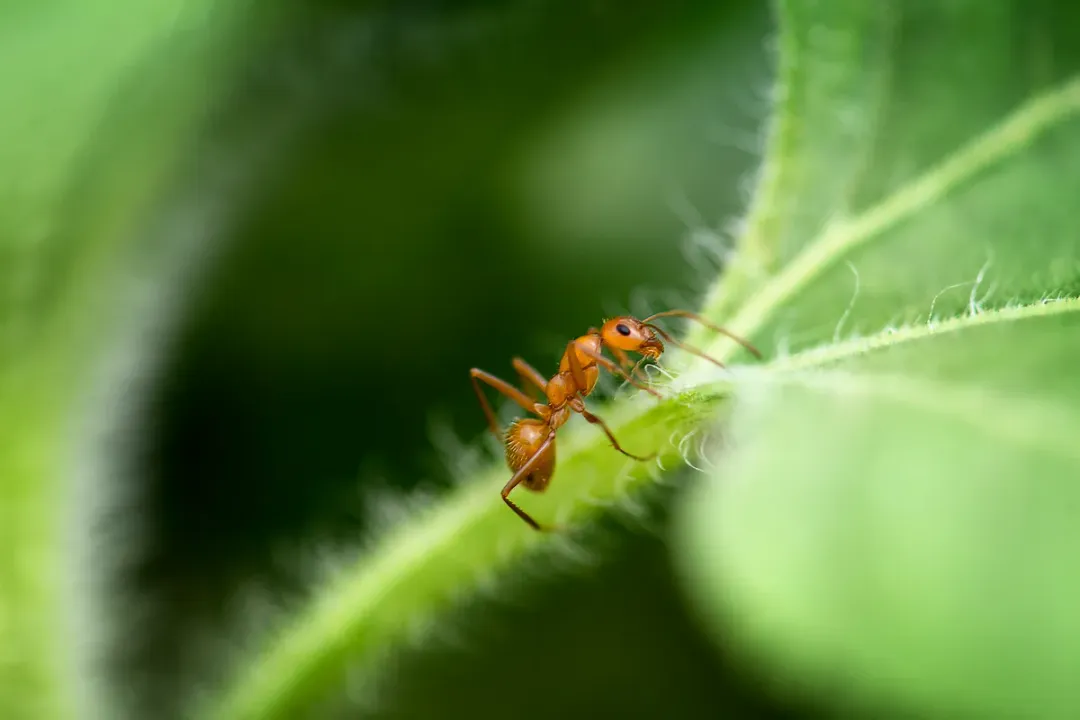
The title of the most destructive insect is heavily contested, depending entirely on whether one measures destruction by the number of human lives lost or by the sheer economic damage inflicted upon agriculture and infrastructure. While a creature that causes widespread famine or destroys a home’s foundation certainly qualifies as destructive, the insect responsible for the greatest number of human fatalities eclipses all others in sheer lethality.
# Human Toll
When assessing sheer impact on human health and mortality, the mosquito stands without peer. This tiny flier is frequently labeled the deadliest animal on the planet, responsible for more human deaths each year than any other creature combined. This destructive capacity stems not from venom or biting aggression, but from its role as a vector for devastating pathogens.
The diseases transmitted by mosquitoes are staggering in their global reach. Malaria, a parasitic infection, remains a major killer, particularly in vulnerable populations, with hundreds of thousands of deaths attributed to it annually, often carried by the Anopheles mosquito species. Beyond malaria, mosquitoes spread viral illnesses such as dengue fever, West Nile virus, yellow fever, and Zika virus, turning local outbreaks into international health crises. The destruction here is indirect—the insect itself doesn't kill, but the tiny cargo it carries does the work.
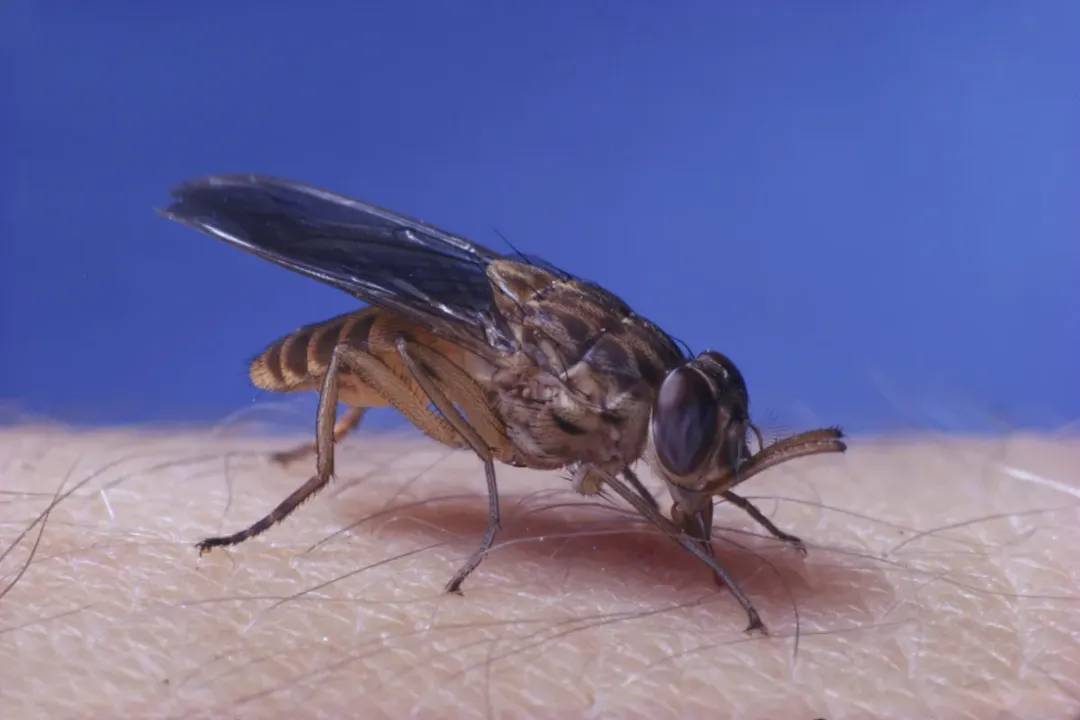
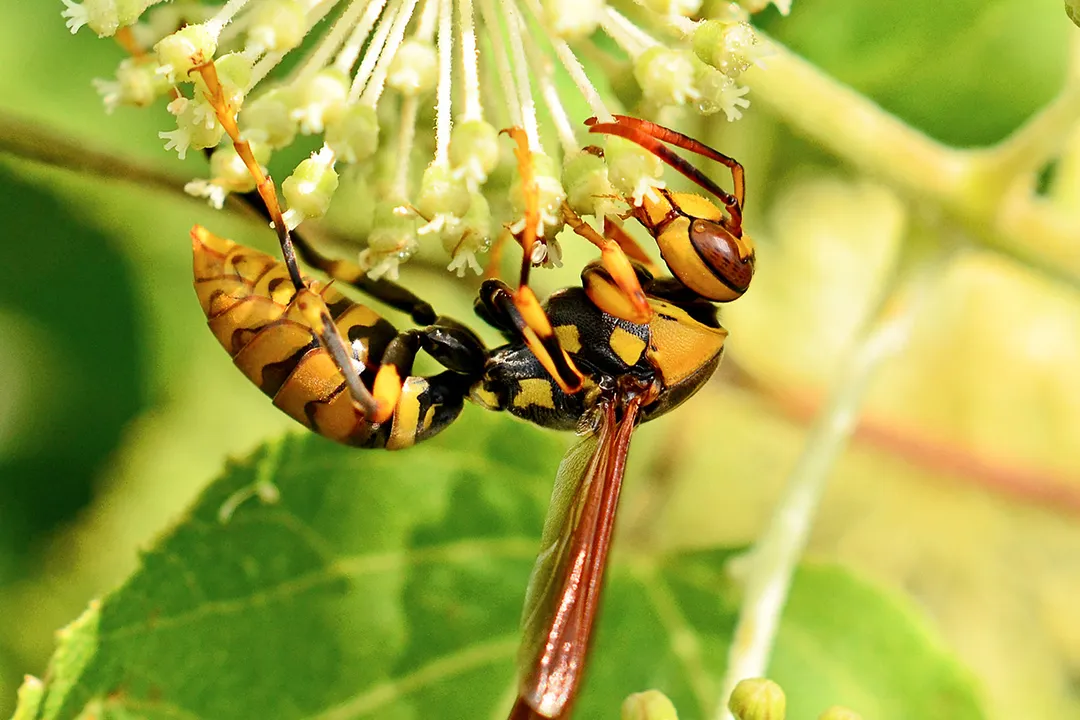
It is worth drawing a distinction: while mosquitoes are vectors, other insects pose more direct threats. Venomous insects, like certain wasps or bees, inject toxins directly into their victims. Conversely, poisonous insects deliver toxins through ingestion or contact. However, the scale of death caused by mosquito-borne diseases dwarfs the fatalities resulting from stings or direct venom injection. Even when considering other dangerous insects like assassin bugs or tsetse flies, which transmit Chagas disease and sleeping sickness respectively, the mosquito’s statistical impact remains orders of magnitude higher.
# Economic Ruin
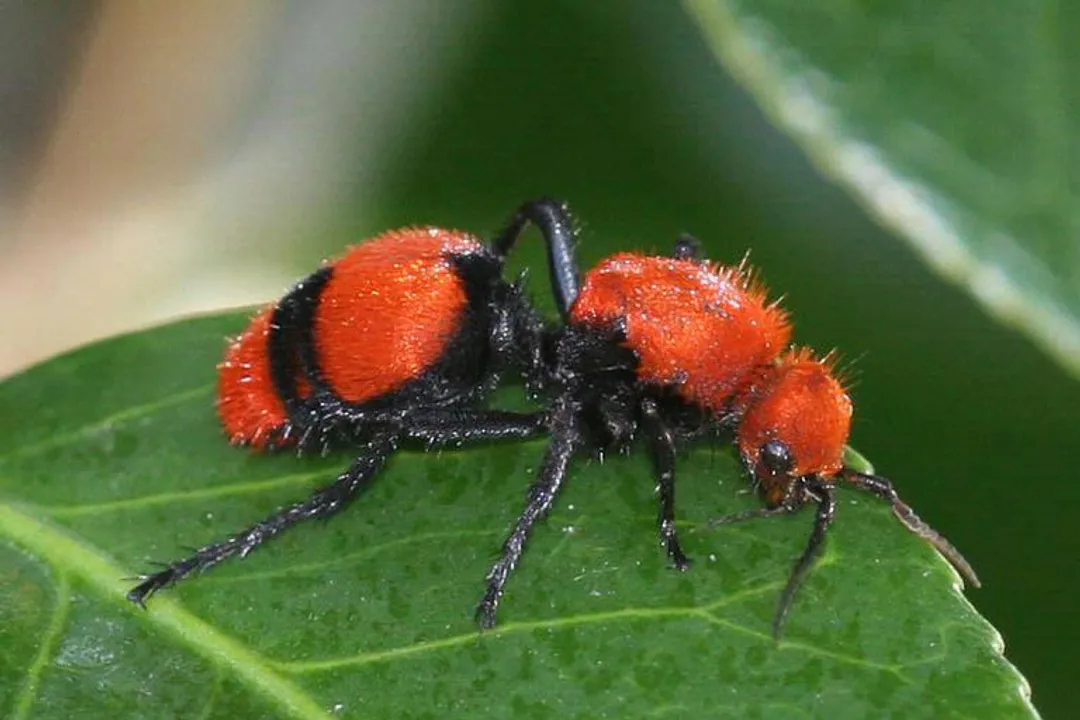
Shifting the definition of destruction away from immediate death and toward the devastation of property, timber, and food supplies reveals a different set of culprits. In this realm, invasive species and structural pests take center stage.
Termites are perhaps the most famous destroyers of human-built structures. These insects work silently and ceaselessly, consuming cellulose from wood, foundations, and paper products. Their cumulative damage to homes, historical buildings, and utility poles worldwide translates into billions of dollars in repair and preventative costs annually.
However, perhaps the most acute, sudden destruction in the agricultural sector comes from swarming insects, notably locusts. A swarm of locusts can obscure the sun and consume staggering amounts of vegetation in a single day. They do not just eat some of a farmer’s crop; they can wipe out entire harvests across vast regions, leading directly to food shortages and economic collapse for local communities.
The threat posed by invasive insects that arrive in non-native territories is particularly alarming because they enter environments where their natural predators and controls are absent. A stark modern example is the Emerald Ash Borer (EAB), an insect native to Asia that has devastated North American ash tree populations. The EAB larvae tunnel just beneath the bark, effectively girdling and killing mature trees. The resulting destruction involves not only the loss of the trees themselves but also the immense cost of safe removal and replacement, often running into the billions across affected municipalities. Similarly, the Asian longhorned beetle targets high-value hardwoods, posing a long-term threat to forests and urban landscaping.

# Contextualizing Damage
The perceived "most destructive" insect often depends on the reader's location and current life concerns. For someone living in a densely populated, tropical area with poor sanitation, the mosquito is the constant, immediate threat to survival. For a homeowner in a suburban area concerned with property value, the quiet, persistent termite might be the primary source of anxiety.
The difference in perceived threat often depends on geography and socioeconomic status. In regions plagued by vector-borne diseases, the mosquito is the undisputed "most destructive," whereas in developed nations focused on property maintenance, the termite or invasive wood-borers might top the list for immediate household financial impact. This illustrates that "destruction" is context-dependent, relating to immediate survival versus long-term investment security.
Furthermore, the method of destruction influences classification. A creature causing massive immediate death, like a mass stinging event from Africanized honey bees, registers as acutely destructive. Yet, the insidious nature of pests like the EAB or termites, which cause damage over years before symptoms become obvious, represents a slow-motion economic catastrophe that is harder to quantify in real-time.
# Managing Widespread Threats
Controlling the most destructive insects requires vastly different strategies depending on their mode of action. Combating disease-carrying mosquitoes involves public health initiatives focusing on standing water management, larvicides, and personal protection like repellents and bed nets. The success here is measured in reduced disease incidence.
To combat the less immediately visible, structural destroyers like termites or invasive borers, proactive, localized monitoring is more effective than reactive extermination. For instance, understanding regional pest pressure indices—which combine climate data with known pest migration paths—allows homeowners or property managers to schedule preventative treatments precisely when insect activity is peaking, rather than waiting for visible damage that signifies a crisis is already underway. This targeted approach maximizes control efforts against long-term investment threats like wood-boring beetles and subterranean termites alike.
Ultimately, while the mosquito claims the grim title for human mortality through disease transmission, the collective economic burden imposed by agricultural pests and invasive structural destroyers ensures that insects like locusts, termites, and the Emerald Ash Borer compete fiercely for the title of most destructive force acting upon human civilization and its resources.
#Videos
These are the Most DANGEROUS Insects in the US - YouTube
Deadliest Insects vs. Finger - YouTube
Related Questions
#Citations
10 deadliest insects on the planet: Discover the world's most ...
The Most Dangerous Insect (and 13 Others to Avoid) | HowStuffWorks
Which insect do you think would be the most dangerous if it ... - Reddit
7 venomous or poisonous insects and spiders you never want to ...
These are the Most DANGEROUS Insects in the US - YouTube
7 of the Most Destructive Invasive Insects - Mental Floss
Top 10 deadliest insects in the world - Ehrlich Pest Control
Deadliest insects in the world: Why mosquitoes top the list
What Are The Most Destructive Bugs? - 101 Gopher & Pest Control